Group 1 (Sheepdogs and Cattle Dogs, except Swiss Cattle Dogs), Section 1 (Sheepdogs) · Picardy, France
Picardy Shepherd
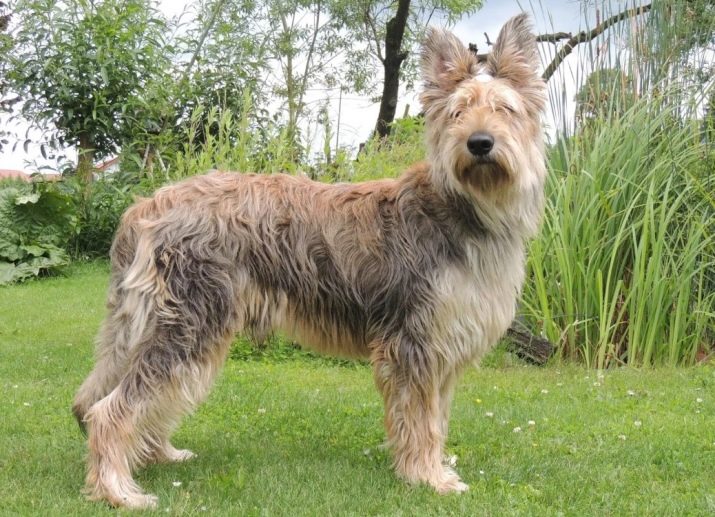
A rustic French herder with a “tousled hairdo” — athletic and sensitive: lively, clever, devoted and energetic. The Picardy Sheepdog (Berger Picard) is a medium, elegant shepherd with an elongated body and a harsh shaggy coat; behind the plain looks lie a sharp mind and extraordinary sensitivity, so it needs a close bond, exercise and gentle training.
Needs early socialisation (reserved with strangers)
Not for a flat without exercise
Size
ToySmallMediumLargeGiant
Compatibility
Apartment · not suitableKidsCats · with caveatsOther dogsBeginners · with caveats
The Picardy Shepherd (Berger Picard) is a medium-sized dog with a distinctive, shaggy, wiry coat. This "scruffy" look gives the breed a somewhat rustic, simple appearance, which, however, hides a lively mind, keen wit, and an exceptionally sensitive nature. Thanks to their long legs, these dogs are elegant and athletic shepherds, historically used for guarding and herding flocks. They exude energy, are always ready for action, and require close contact and attention from their owner. For a more detailed look at the breed and its unique characteristics, read on at Tvaryny.
A Quick Overview of the Picardy Shepherd Breed
The Picardy Shepherd is more than just a dog—it's a true piece of French history, a living embodiment of working qualities and a unique appearance. Its endurance, intelligence, and loyalty make it an excellent companion for active people who are prepared to dedicate time to its training and provide a suitable environment. This rare breed captivates with its slightly wild yet intelligent look. Below is a table with the main characteristics of the breed for a quick reference.
A Quick Overview of the Picardy Shepherd Breed · 10
Characteristic
Description
Origin
Picardy, France
Original Name
Berger Picard
Year of First Official Mention/Recognition
The breed standard was adopted in France in 1925, and official FCI recognition came in 1955.
Life Expectancy
12–14 years
Height at Withers
Males: 60–65 cm, Females: 55–60 cm
Weight
23–32 kg
FCI Group
Group 1 (Sheepdogs and Cattle Dogs, except Swiss Cattle Dogs), Section 1 (Sheepdogs)
Temperament
Energetic, alert, loyal, intelligent, sensitive, sometimes stubborn, with a sense of humour.
Coat
Harsh, shaggy, 5–6 cm long, with a light undercoat. Characteristically "goaty" beard and eyebrows.
Colour
Fawn (deer), brindle (fawn or grey with dark stripes). Grey shades are also acceptable: black-grey, blue-grey, red-grey. Small white markings on the chest and tips of the paws are permitted.
Interesting Facts About the Picardy Shepherd
One of the oldest French shepherds: It's believed that Picardy Shepherds are depicted in tapestries and engravings from the Middle Ages.
Almost went extinct after the World Wars: The population was so small that it took Herculean efforts to restore it, and the breed is still considered rare.
"Film stars": The breed gained popularity outside of France after the release of the films "Because of Winn-Dixie" (2005) and "Are We Done Yet?" (2007), where Picardy Shepherds played the main "dog" roles.
Natural "shaggy" look: Their coat does not require trimming. Any attempts to "neaten" their appearance, for example, by trimming, are considered unacceptable at dog shows.
Expressive "eyebrows" and "smile": Due to the way the hair grows on their muzzle and their mobile lips, Picards often look like they are smiling or scheming, which gives them a very human-like expression.
Rare outside France: Even today, finding a Picardy Shepherd, for example, in the UK is very rare. Most breeders are concentrated in France, Germany, and North America.
Wonderful athletes: Thanks to their agility, intelligence, and energy, they successfully compete in many canine sports, demonstrating amazing speed and precision.
The History of the Picardy Shepherd Breed
The Picardy Shepherd is considered one of the oldest French herding breeds, with a history shrouded in mystery. Its roots go back centuries, and according to some theories, the ancestors of these dogs were brought to Picardy (a historical region in northern France) by Celtic tribes as early as the 9th century, or possibly even earlier. For centuries, these dogs faithfully served shepherds, guarding flocks from predators and helping to drive livestock. Their rough, weatherproof coat and incredible stamina made them ideal for working in the harsh conditions of the Atlantic climate. Several theories exist regarding the exact origin of the Picards. One theory suggests they are descendants of native European sheepdogs, possibly related to German and Belgian Shepherds. Another theory proposes that Picardy Shepherds may have originated from crossbreeding with other French herding breeds, such as the Briard and the Beauceron, although the Picardy Shepherd has a lighter build and a different coat type. There are also suggestions of a connection to Dutch Shepherds, with whom they share similarities in coat type and build.
Despite its long history, the breed remained relatively unknown outside its native region for a long time. Official recognition only came at the beginning of the 20th century. The Picardy Shepherd was first exhibited in 1863, but for a long time, it was judged in the same ring as the Beaucerons and Briards. Only through the efforts of enthusiasts, particularly Paul Megnin, did the breed begin to be recognised as a distinct entity. The first breed standard was adopted in France in 1925. Unfortunately, the two World Wars had catastrophic consequences for the Picardy Shepherd population. The fields of Picardy were the site of fierce battles, and many dogs perished, while survivors were often used for various military purposes, such as message delivery. After the Second World War, the breed was on the verge of extinction. Thanks to the efforts of dedicated breeders, including Robert Montigny, the population was gradually restored from a few surviving individuals. However, even today, the Picardy Shepherd remains a relatively rare breed, especially outside France. The global population is estimated at around 3,500–4,500 individuals. They are most numerous in France, as well as in Germany, Canada, and the USA, where the breed has gained some popularity due to its unique appearance and working qualities.
What the Picardy Shepherd Looks Like: A Detailed Description of Appearance
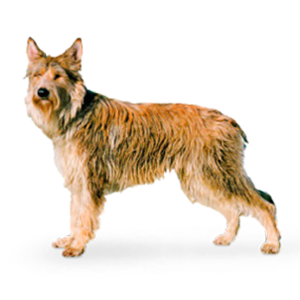
The Picardy Shepherd is a medium-sized dog with a sturdy but not heavy build and well-developed musculature, indicating its endurance and agility. The overall look is elegant yet somewhat dishevelled, which gives it a special charm. The body is slightly longer than it is tall at the withers. The main distinguishing feature is its unique wiry coat.
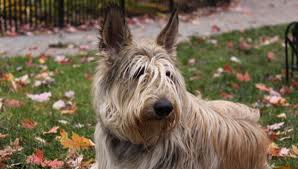
The Picardy Shepherd's head is proportional to the body, neither too massive nor too light. The skull and muzzle are roughly the same length. When viewed from above, the skull should be as wide as it is long. The transition from the forehead to the muzzle (stop) is gradual, not sharply defined. The muzzle is strong but not coarse, tapering towards the nose. The bridge of the nose is straight. The lips are dry, tight-fitting, and black. The nose is well-developed and always black.
The eyes are medium-sized, oval, dark (from hazel to dark brown), and not bulging. The expression is lively, intelligent, alert, and often seems cheerful or even a little mischievous. Light-coloured eyes are considered a fault. The gaze is direct and confident, reflecting the dog's brave character.
The ears are medium-sized (about 10 cm), set quite high, and wide at the base. They are always held erect, with slightly rounded tips. The ears are very mobile and express the dog's mood—from curiosity to alertness. The breed standard requires that the ears be natural; cropping is strictly forbidden.
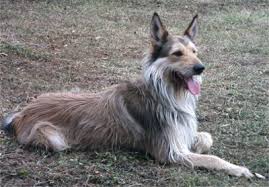
The coat is the breed's calling card. It is harsh to the touch, dense, and shaggy, about 5–6 cm long over the entire body. The undercoat is short, soft, and dense, providing good protection from rain, cold, and heat. The coat should not be curly or too soft, which is considered a serious fault. A characteristic feature is the presence of wiry hairs that form a beard-like shape and whiskers on the muzzle ("griffonnage"), as well as expressive eyebrows, giving the dog an intelligent and observant look. This "unkept" appearance is natural for the breed and does not require complex grooming or trimming.
The colour can be fawn (from light wheaten to a darker deer shade) or brindle (fawn or grey background with dark stripes). Various shades of grey are also found: black-grey (with a predominance of black hairs on a grey background), blue-grey (with a bluish sheen), and red-grey. Solid black, white, fawn with a black saddle, or spotted coats are not up to standard. Small white markings on the chest and tips of the toes are acceptable but not desired in large quantities.
The tail is of natural length, reaching the hock. When at rest, the dog carries it low, with a slight curve at the tip (in the shape of the letter "J"). During movement or excitement, the tail may be carried higher but should not curl over the back. The tail is well-covered with hair of the same length as on the body, which gives it a "rat-like" appearance.
Feature · 8
Feature
Standard Description (Generalised)
Overall Appearance
A medium-sized dog, strong, mobile, muscular but elegant, of a slightly elongated format.
Head
Proportional, with skull and muzzle of equal length, stop is gradual. Nose is black.
Eyes
Medium-sized, oval, dark, with a lively and intelligent expression.
Ears
Medium-sized, set high, erect, wide at the base.
Coat
Harsh, shaggy, 5–6 cm, with an undercoat. Characteristic beard, whiskers, and eyebrows.
Colour
Fawn, brindle, various shades of grey. Small white markings are acceptable.
Tail
Natural, reaching the hock, carried low with a curve at the tip ("J" shape).
Movement
Free, fluid, energetic, light. The dog gives an impression of elegance and flexibility.
The Character of a Picardy Shepherd: Temperament and Behaviour
The Picardy Shepherd is a dog with a rich inner world and a complex, yet fascinating character. This isn't a breed for everyone, as it requires understanding, patience, and consistent training. Above all, the Picardy is an intelligent and clever dog. They learn quickly, but their intelligence can be combined with a degree of stubbornness and independence. This is a legacy of their herding past, where dogs had to make decisions on their own. They are not dogs that will blindly follow commands; they tend to analyse the situation and may "question" the appropriateness of your demands. Therefore, the owner must be an authority figure for them, but this should be earned not through force, but through understanding, fairness, and consistency.
One of the key character traits is their energy and liveliness. These are working dogs that need regular physical and mental stimulation. Without enough activity, they can get bored, which sometimes leads to unwanted behaviour, such as chewing things, excessive barking, or even attempts to escape. They adore long walks, running, playing games, and any shared activity with their owner.
Devotion to their family is another important trait of the Picards. They become very attached to their people and find it difficult to cope with long periods of loneliness or a change of owner. This attachment makes them wonderful companions, but it also requires the owner to be willing to give the dog enough time and attention. Picards are usually reserved and cautious with strangers, which makes them good watchdogs. They are not prone to unprovoked aggression but are always ready to warn of an approaching stranger with a loud bark. Proper socialisation from a young age is extremely important so that the dog can react appropriately to different situations and people and not grow up to be overly timid or suspicious.
As for their relationships with children, with proper training and socialisation, a Picardy Shepherd can become a wonderful friend and protector. However, due to their herding instinct, they may try to "herd" small children by gently nipping at their heels. This behaviour should be corrected from an early age. It's also important to teach children how to behave correctly with the dog. Picards can get along with other animals in the home, especially if they grew up together. However, their hunting instinct can be triggered by small animals (cats, rodents), so introductions and cohabitation require careful supervision.
Picardy Shepherds are often described as dogs with a sense of humour. They can be playful, inventive, and sometimes even a little "clownish" in their behaviour, trying to cheer up their owner. This trait makes interacting with them particularly enjoyable. However, they are also very sensitive to their owner's mood and the atmosphere in the home. Harshness, shouting, or unfair punishment can deeply offend the dog and undermine trust. Much like other herding breeds, such as the clever long-haired German Shepherd or its relative the short-haired German Shepherd, Picards require consistent and patient training based on positive reinforcement and mutual respect.
Training and Socialisation of the Picardy Shepherd
Training a Picardy Shepherd can be both a rewarding and a somewhat challenging process. The high intelligence of these dogs allows them to quickly learn new commands and skills. However, their natural cleverness is often combined with a certain stubbornness and independence. A Picardy might "think about" a command before carrying it out, or even try to offer its own solution to a task. Therefore, the owner needs to be patient, consistent, creative, and able to find the right approach for their pet.
Positive reinforcement methods work best: praise, treats, and toys. Training sessions should be short, engaging, and varied so the dog doesn't lose interest. Monotonous repetition of commands will quickly bore a Picardy. Harshness, physical punishment, or shouting are not only ineffective but can also permanently undermine the dog's trust and make it withdrawn or, conversely, more stubborn. Picards are sensitive to the tone of their owner's voice and understand well when they are pleased or not. It's important to be a firm but fair leader, establishing clear rules and boundaries from the very first day the puppy arrives home.
Early socialisation is critically important for the Picardy Shepherd. From a very young age (after the necessary vaccinations), the puppy should be introduced to different people (adults, children, the elderly), other dogs (of various breeds and sizes), other animals (if they are to live together), as well as different sounds, smells, and situations (car rides, noisy streets, visiting public places where permitted). A well-socialised Picardy will grow into a confident, well-balanced, and well-adjusted dog that will not show excessive timidity or aggression towards strangers.
Thanks to their working qualities, Picardy Shepherds can excel in various types of canine sports, such as agility, obedience, flyball, and search and rescue. This will not only provide them with the necessary physical and mental exercise but also strengthen their bond with their owner. If a Picardy is left idle and without proper attention, its inexhaustible energy may find an outlet in unwanted behaviour, such as property destruction or excessive barking.
Pros and Cons of the Picardy Shepherd Breed
Like any breed, the Picardy Shepherd has its unique advantages and certain challenges for potential owners. It's important to realistically assess them before deciding to get such a dog.
Pros of the Picardy Shepherd breed:
High intelligence and cleverness: They learn quickly and can solve complex tasks, which makes them engaging to train and interact with.
Loyalty and attachment to their family: They become full-fledged family members, love their owners deeply, and seek to spend time with them.
Energy and playfulness: An excellent companion for active people, hiking, and sports. Their sense of humour makes life with them fun.
Unique and attractive appearance: Their "shaggy" look and expressive eyes attract attention and are unforgettable.
Good watchdog qualities: Alert and attentive, they will always warn of approaching strangers, but without excessive aggression.
Relatively robust health: As a less popular breed, they have avoided many of the health problems common in other breeds.
Low-maintenance coat: Does not require trimming or frequent bathing; regular brushing is sufficient.
Cons of the Picardy Shepherd breed:
Needs significant physical and mental exercise: Not suitable for people who are not very active or are not ready to devote a lot of time to working with the dog.
Prone to stubbornness and independence: Requires an experienced, patient, and consistent owner. Not the best choice for a novice.
Needs early and extensive socialisation: Without proper socialisation, they can be overly suspicious and timid.
Potential caution with strangers: They need to be taught to react appropriately to guests and strangers.
Doesn't like being alone: Can suffer from separation anxiety if left alone for long periods, which can lead to destructive behaviour.
Rarity of the breed: Finding a puppy from a responsible breeder can be difficult and expensive, and you may have a long wait.
Potential pickiness about food: Some dogs of the breed can be fussy eaters, which can create extra hassle.
Caring for a Picardy Shepherd: Breed Needs
Coat Care for the Picardy Shepherd
Despite its shaggy appearance, the Picardy Shepherd's coat doesn't require complex or frequent grooming. Its wiry texture prevents severe tangles and mats that are characteristic of breeds with softer coats. Dirt and sand easily dry and fall out or are brushed away. The main care involves regular brushing—about 1–2 times a week—to remove dead hair, dirt, and prevent small tangles, especially in friction areas (under the armpits, behind the ears, on the "trousers"). A brush with widely spaced metal teeth or a special comb for wiry coats is suitable for this. During seasonal shedding (usually in spring and autumn), you will need to brush the dog more often, perhaps daily.
You should bathe a Picardy Shepherd only when absolutely necessary, such as when the dog is genuinely dirty. Frequent washing can disrupt the natural oil balance of the skin and coat, which protects the dog from the weather and gives the coat its characteristic texture. Use a mild shampoo designed for dogs with wiry coats. After bathing, it's important to dry the dog thoroughly with a towel, especially in cold weather, to avoid chills. Using a hairdryer is not recommended as it can dry out the skin.
Trimming is usually not required for Picards. The breed standard emphasises a natural, somewhat "unkept" look. Any excessive shaping or trimming of the coat that changes the breed's characteristic appearance is frowned upon. The only thing that might be needed is a neat trimming of the hair around the paw pads for hygiene and better grip, as well as the removal of excessive hair from the ear canal to prevent infections (it's best to entrust this to a vet or groomer).
Don't forget about regular ear checks and cleaning, nail trimming (if they don't wear down naturally), and dental care. Ears should be checked weekly for redness, dirt, or a foul smell. Nails should be trimmed as needed, usually once a month.
Physical Exercise and Activity for the Picardy Shepherd
The Picardy Shepherd is a high-energy breed that was historically used for active work throughout the day. Therefore, they desperately need regular and substantial physical exercise. This is not a dog that will be satisfied with a short walk on a lead around the block. They need at least 1.5–2 hours of active exercise daily. This can include:
Long walks or runs: They make excellent companions for jogging, hiking, or cycling (with the dog running alongside).
Outdoor games: Games of fetch, frisbee, or tug-of-war will help them burn off energy.
Opportunity to run free: It's very important to give your Picardy the chance to run off-leash in a safe, fenced-in area.
Canine sports: Agility, obedience, flyball, and herding are ideal activities that combine physical exercise and mental stimulation.
In addition to physical exercise, mental stimulation is important for Picards. They are very intelligent dogs who get bored without "work for their brain." Dog puzzles, learning new commands and tricks, and games of hide-and-seek with objects or treats will all help keep their minds sharp and prevent destructive behaviour. If a Picardy Shepherd doesn't get enough physical and mental activity, it can become restless, loud, and start chewing furniture or digging holes in the garden.
Living Conditions for the Picardy Shepherd
The ideal place for a Picardy Shepherd would be a house with a large, securely fenced garden, where the dog will have enough space for games and activity. The fence must be high and secure, as these dogs can be prone to jumping and escaping if they are bored. However, they can also adapt to life in a city flat, but only if the owner is prepared to provide them with long and active daily walks. Regardless of where they live, Picards are not meant to be chained up or kept in a kennel alone. They are extremely people-oriented and need close contact with their family. Long periods of isolation can negatively affect their mental state, leading to anxiety and destructive behaviour.
Picardy Shepherds handle various weather conditions quite well thanks to their thick, double coat, but in extreme heat or severe frost, it's still better for them to be indoors. Provide the dog with a comfortable place to rest where it feels safe and can observe family life.
Nutrition
Feeding a Picardy Shepherd: Key Recommendations
Health and risks
Picardy Shepherd Health: Common Ailments and Prevention
Frequently Asked Questions About the Picardy Shepherd (FAQ) · 7
Does the Picardy Shepherd shed a lot?
Picardy Shepherds shed moderately throughout the year, with two more pronounced periods of seasonal shedding (spring and autumn) when they lose their undercoat. Their wiry hair does not fly around the house as much as the soft hair of other breeds. Regular brushing (1–2 times a week, more often during shedding periods) helps to effectively control the amount of hair in the house.
Is the Picardy Shepherd suitable for inexperienced owners?
Due to their high intelligence, energy, sensitivity, and certain stubbornness, Picardy Shepherds are generally not recommended for novices. They require an experienced, confident, and consistent owner who can become an authoritative leader for them, set clear rules, and provide proper training and socialisation. A novice may not be able to handle their need for exercise and independent thinking.
How does the Picardy Shepherd get along with children?
With proper socialisation and training, Picards can get along well with children, especially if they grow up together. They can be patient and playful companions. However, it's important to teach children to respect the dog and its personal space, and not to disturb it while it's eating or sleeping. It's also necessary to supervise their games together, as their herding instinct may prompt the dog to "nip" at children's heels, trying to "herd" them.
How much exercise does a Picardy Shepherd need?
A lot. This is a high-energy breed that needs at least 1.5–2 hours of active physical exercise daily, as well as mental stimulation in the form of games and training. Without enough activity, they can get bored, become anxious, and develop unwanted behaviour (barking, destroying things).
What are the main health problems of Picardy Shepherds?
The most common hereditary diseases to be aware of are canine hip dysplasia and progressive retinal atrophy (PRA). Other eye problems may also occur. It's important to choose a puppy from reputable breeders who test their breeding dogs for these diseases.
Is it easy to train a Picardy Shepherd?
They are intelligent and learn quickly, but can be stubborn and independent. Training requires patience, consistency, a creative approach, and the use of positive reinforcement methods. They respond best to a fair and confident leader with whom they have a close bond. Harsh methods do not work on them.
Where can I buy a Picardy Shepherd puppy?
The Picardy Shepherd is a rare breed. The best way to find a puppy is through official breed clubs or from known breeders who care about the health and temperament of their dogs and perform the necessary tests. Be prepared for a potential waiting list and carefully check the breeder's reputation. Do not buy puppies from markets or dubious sellers.
Video about the Picardy Shepherd
FAQ
Is the Picardy Sheepdog really that sensitive?
Yes — behind the “tousled” rustic looks lies an extraordinarily sensitive nature; it needs a close bond with its person and gentle, positive training, as it copes poorly with harshness.
Is the Picardy Sheepdog good for a family?
Very — a clever, devoted and energetic breed, good with children; but because of its high need for exercise and close contact it is not for a flat or passive owners.
Is the Picardy Sheepdog healthy?
Very — as an aboriginal working breed it is exceptionally sturdy; among the rarer risks are hip dysplasia and progressive retinal atrophy (PRA).