

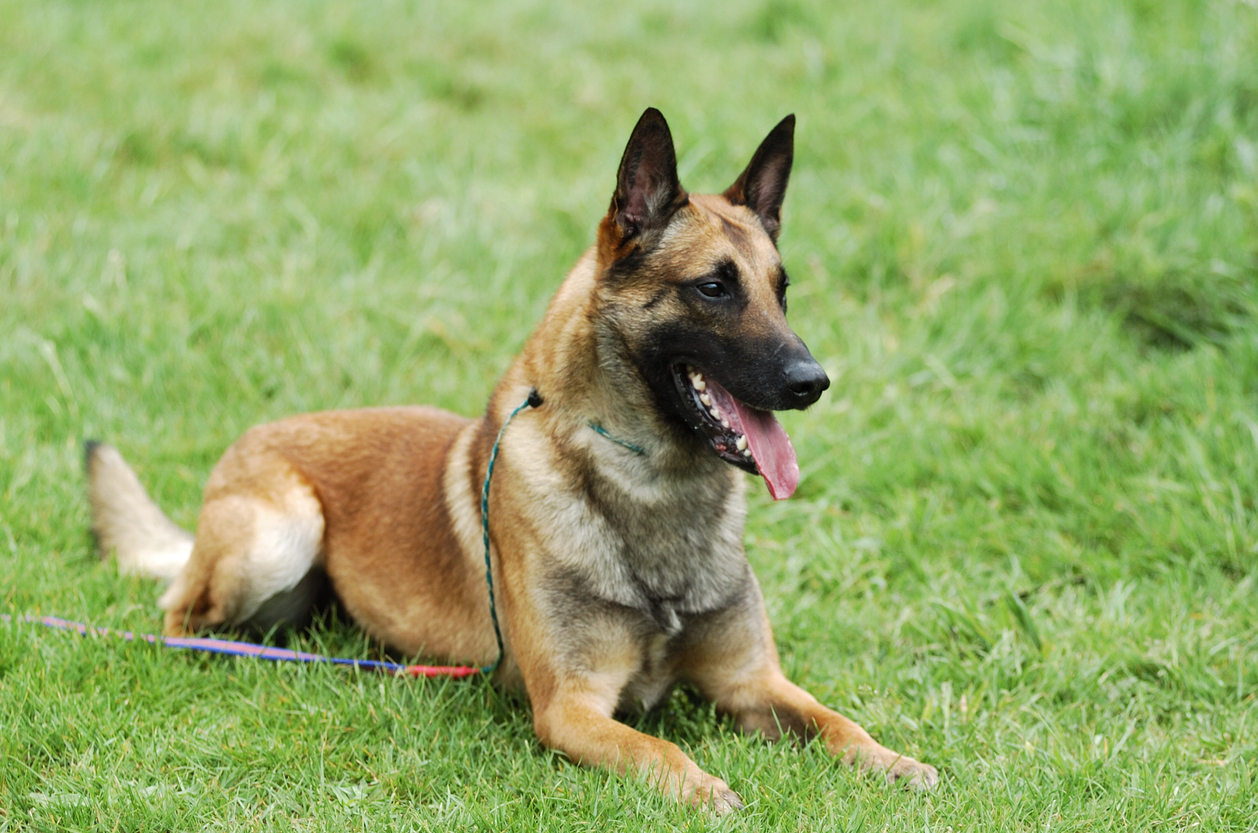
| Height | 56–66 cm |
| Weight | 20–30 kg |
| Lifespan | 12–14 years |
| FCI group | 1 · herding dogs |
| Origin | Belgium |
Exact ratings
Common health issues
Nutrition
The Malinois is one of four types of Belgian Shepherds. This alert, incredibly energetic, and loyal dog is always ready for action. Malinois are renowned for their bravery, intelligence, and work ethic, making them ideal for service roles, sports, and an active family life. However, potential owners should be aware of the breed’s high demands for physical and mental stimulation. Discover more about this fascinating breed on Tvaryny.
Malinois (Belgian Shepherd): Breed Overview
| Characteristic | Description |
| Origin | Belgium (Malines/Mechelen region) |
| FCI Recognition Year | 1892 (standard for all Belgian Shepherds) |
| FCI Classification | Group 1 (Sheepdogs and Cattle Dogs), Section 1 (Sheepdogs) |
| Life Expectancy | 10-14 years (sometimes up to 15) |
| Height at Withers (Males) | ~23.5-26 inches (60-66 cm) |
| Height at Withers (Females) | ~22-24.5 inches (56-62 cm) |
| Weight (Males) | ~55-75 lbs (25-34 kg) |
| Weight (Females) | ~44-63 lbs (20-28.5 kg) |
| Temperament | Intelligent, energetic, loyal, protective, alert, hardworking, needs socialization |
| Activity Level | Very high, requires >40 minutes of intense exercise daily + mental stimulation |
| Training | Highly trainable, requires consistency and positive reinforcement, not for novices |
| Grooming | Minimal, brush 1-2 times a week, daily during shedding (twice a year) |
| Color | Fawn, reddish, mahogany with a black mask and black tipping (charbonnage) |
History of the Malinois (Belgian Shepherd)
The history of the Malinois is deeply intertwined with the development of all Belgian Shepherds. By the late 19th century, Belgium was home to a wide variety of herding dogs, differing in coat type and color. In 1891, the Club du Chien de Berger Belge (Belgian Shepherd Dog Club) was founded in Brussels. Under the guidance of Professor Adolphe Reul from the Cureghem Veterinary School, the club began classifying and standardizing the local breeds.
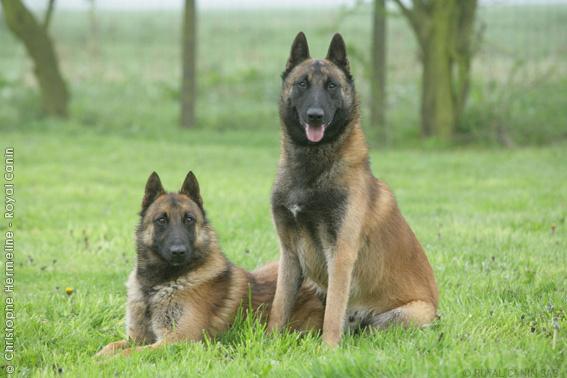
Professor Reul identified several dog types primarily distinguished by their coat texture, length, and color. Short-haired dogs with fawn coloring and a black mask were most prevalent around the city of Malines (Mechelen), giving rise to the name “Malinois.” The first breed standard, encompassing three varieties (long-haired, short-haired, and rough-haired), was drafted in 1892. The Malinois, along with the other three variations—the Groenendael (long-haired black), the Laekenois (rough-haired fawn), and the Tervuren (long-haired fawn/red/gray)—are officially considered varieties of a single breed by the Fédération Cynologique Internationale (FCI). However, in some countries, such as the United States (AKC), they are recognized as distinct breeds.
Initially, Malinois were primarily used as herding dogs, but their exceptional intelligence, work ethic, and protective instincts quickly garnered the attention of police and military forces. They became some of the first dogs utilized in police work in Belgium and other nations. Today, the Malinois is one of the most popular breeds for service work (police, military, search and rescue, drug and explosive detection), as well as various dog sports.
What a Malinois (Belgian Shepherd) Looks Like: Standard Appearance
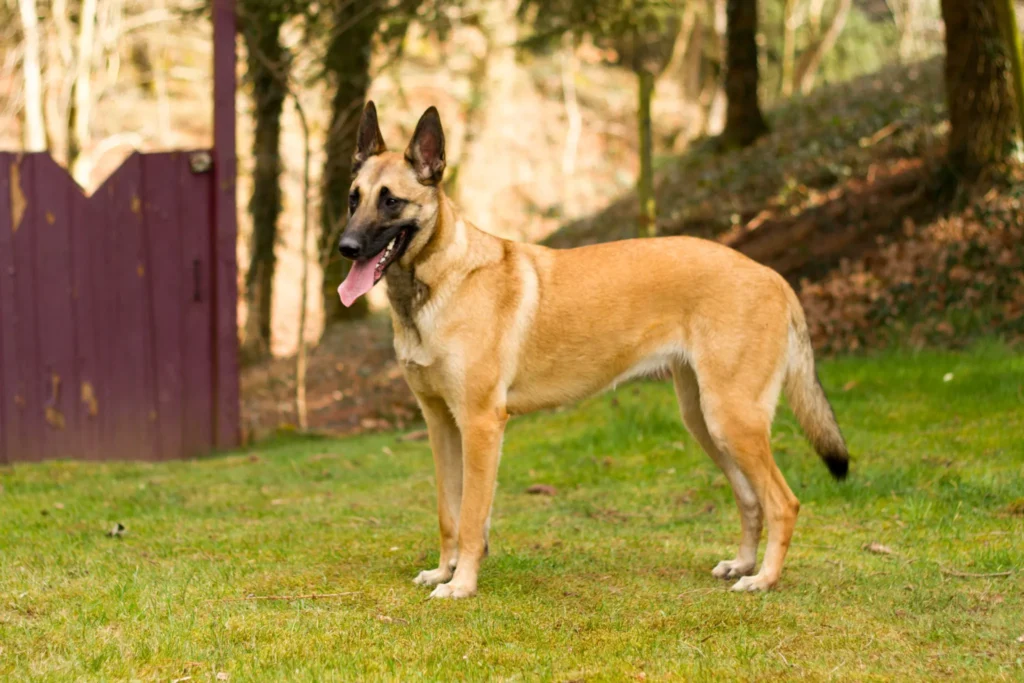
The Malinois is a medium-sized dog with a square build, exuding elegant strength. They are harmoniously proportioned, strong, agile, and muscular. Their appearance combines both power and grace.
- Head: Proportionate to the body, carried proudly. The skull is of medium width, with a rather flat forehead. The stop (transition from forehead to muzzle) is moderate. The muzzle is well-sculpted, tapering gradually to the nose but not pointed.
- Eyes: Medium-sized, almond-shaped, not protruding. Dark brown in color. The expression is lively, intelligent, and inquisitive.
- Ears: Set high, distinctly triangular, and erect. Size is proportionate to the head.
- Nose: Black.
- Bite: Scissor bite.
- Neck: Well-defined, slightly elongated, muscular, without dewlap.
- Body: Powerful but not heavy. Topline is straight. Withers are pronounced. Back is strong, short, and muscular. Loin is short, broad, and muscular. Croup is slightly sloping. Chest is deep but not overly broad.
- Tail: Well-set, strong at the base, of medium length. Carried low at rest, raised during movement but not above the backline and not curled.
- Limbs: Forelimbs are straight, parallel, with strong bone and lean muscles. Hind limbs are powerful, with well-angulated joints. Paws are rounded (“cat-like”), toes are well-knuckled, pads are thick, and nails are dark.
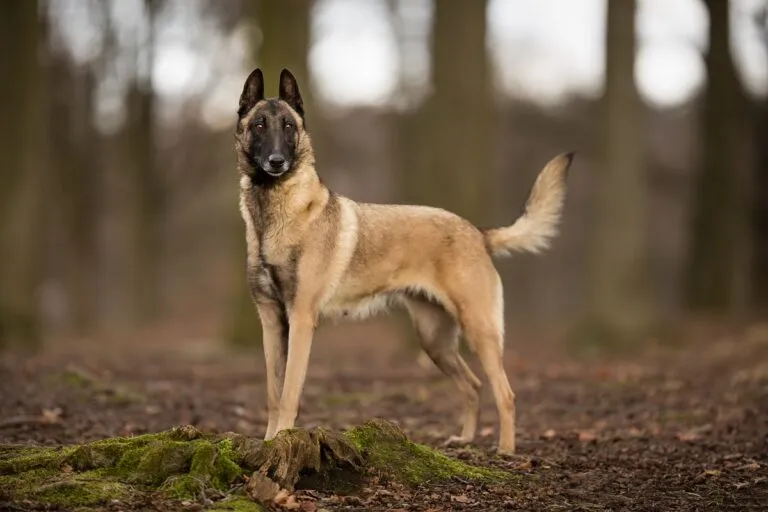
- Coat: Very short on the head, outer side of the ears, and lower parts of the limbs. On other parts of the body, the coat is shorter, denser, and thicker, with a thick undercoat providing excellent weather protection. Around the neck, the hair is slightly longer, forming a small collar.
- Color: The base color ranges from fawn to reddish-brown (mahogany) with a black mask on the muzzle and black tipping (charbonnage) on the fur, which adds depth to the coloring. Ears are also predominantly black. A small white patch on the chest and paw tips is permissible but not preferred.
Malinois Character: Temperament and Behavior
The Malinois’ character is a key aspect of the breed. These are exceptionally intelligent, energetic, and hardworking dogs with a strong need for human interaction. They are devoted to their family and possess a natural protective instinct. A properly trained and socialized Malinois is confident and alert but not aggressive without cause.
Intelligence and Trainability: Malinois are considered one of the smartest breeds. They learn quickly, practically “grasping things on the fly,” but this also means they can just as swiftly pick up undesirable behaviors if allowed. They require consistent, structured training using positive reinforcement. They can be sensitive to harsh handling.
Energy and Activity Needs: This is a highly energetic breed. Simple leash walks are not enough. Malinois need daily, intense physical exercise (running, long hikes, games, sports) and mental stimulation (training, scent work, interactive toys). Without sufficient activity, they can become destructive (chewing furniture, digging, excessive barking) and unmanageable.
Loyalty and Protective Qualities: Malinois form a very close bond with their owner and family; they are often called “Velcro dogs.” They are natural protectors and will guard their territory and people. This instinct requires control through early socialization and training to ensure the dog responds appropriately to guests and strangers.
Socialization: Early and ongoing socialization is critically important for Malinois. They need to be exposed to various people, places, sounds, and other animals from a young age to grow into well-balanced and confident dogs.
Attitude Towards Children and Other Animals: A well-socialized Malinois can get along well with children, especially if raised with them. However, due to their high energy and herding instincts (they may try to “herd” children by nipping at their heels), interactions with small children should always be supervised. Their attitude towards other dogs and animals depends on socialization; they may have a strong prey drive towards small animals.
Not for Novices: Due to their high energy level, intelligence, and need for constant training and socialization, Malinois are not recommended for inexperienced owners or people with inactive lifestyles. This breed requires an owner who is prepared to dedicate significant time and effort to their upbringing and needs.
Pros and Cons of the Malinois Breed
| Pros ✅ | Cons ❌ |
|---|---|
| High intelligence and trainability | Requires a great deal of physical activity and mental stimulation |
| Exceptional loyalty to owner and family | Not suitable for inexperienced owners |
| Excellent working abilities (guarding, sports, service) | Can be destructive if bored or lacking exercise |
| Relatively easy coat care | Needs intensive and early socialization |
| Generally robust health | Strong protective instinct requires management |
| Energetic companion for active individuals | Can be wary of strangers |
| Adaptable to various climates | May exhibit herding behavior (heel nipping) |
| Remains active and capable for a long time | Dislikes being left alone for extended periods |
Malinois (Belgian Shepherd) Health: Typical Diseases and Prevention
How to Groom a Malinois (Belgian Shepherd)
Caring for a Malinois’ short coat is relatively straightforward but requires regularity.
- Brushing: It’s sufficient to brush your dog 1-2 times a week with a special brush or grooming mitt to remove dead hair and maintain its shine.
- Shedding: Malinois have a thick undercoat and shed heavily twice a year (spring and fall). During these periods, daily brushing is recommended to control the amount of hair in your home and help the dog quickly shed its old undercoat.
- Bathing: Malinois do not require frequent bathing. Bathe them as needed (when the dog gets very dirty) or approximately once every few months, using specialized shampoos for short-haired dogs to avoid drying out their skin. Dry shampoos can be used if necessary.
- Nails: If your dog moves a lot on hard surfaces, their nails may wear down naturally. However, they still need to be checked regularly and trimmed approximately monthly or as needed to prevent discomfort while walking.
- Ears and Eyes: Regularly inspect ears for dirt, redness, or unpleasant odors, and clean them with a cotton pad and a specialized lotion. Eyes should also be checked for discharge.
- Teeth: Regular teeth brushing with a specialized toothpaste and brush helps prevent tartar buildup and gum disease.
Malinois can live in an apartment (provided they get sufficient daily exercise) or in a house with a yard. They tolerate various weather conditions well thanks to their undercoat but are not meant for permanent tethering or kennel life without family interaction. They require close interaction with people.
Malinois Training and Socialization
Training is not an option, but a necessity for the Malinois. Their high intelligence, energy, and drive to work demand constant learning and mental stimulation throughout their lives. This breed was developed to work side-by-side with humans.
- Early Start: Training and socialization should begin at an early age (8-12 weeks).
- Positive Reinforcement: Malinois respond best to positive reinforcement methods (praise, treats, toys). They are sensitive, so harsh methods or punishment are counterproductive.
- Consistency and Clarity: Training sessions should be regular and consistent, with clear rules and commands. A Malinois needs a confident leader.
- Variety: To prevent boredom, training should be engaging and varied. They love learning new commands, tricks, and overcoming obstacles.
- Socialization: Extremely important for controlling protective instincts and fostering appropriate behavior. Expose your puppy to different people, dogs, sounds, and places.
- Work and Sports: Malinois excel in many dog sports: obedience, agility, flyball, search and rescue, protection sports (IPO/IGP), herding, tracking. This is an excellent way to channel their energy and intelligence.
- Professional Help: If you are a novice or facing difficulties, consult a professional dog trainer experienced with Malinois or other working breeds.
Physical Activity Requirements
The Malinois is the “athlete” of the dog world. They need an outlet for their immense energy. Providing sufficient activity is key to a happy and well-balanced dog.
| Type of Activity | Recommended Frequency / Duration | Notes |
|---|---|---|
| Intense Walks / Running | Daily, 1-2 times, minimum 40-60 min total | Simple leash walking is not enough; requires running, brisk walking, running alongside a bike (carefully!). |
| Active Games | Daily | Games with a ball, frisbee, tug-of-war. |
| Dog Sports | Several times a week | Agility, obedience, flyball, IGP, tracking, etc. |
| Mental Stimulation | Daily | Training, searching for objects/treats, interactive puzzle toys. |
| Off-leash Exercise (in a safe area) | Regularly | Opportunity to run freely in a fenced area. |
Important: Insufficient physical and mental stimulation is the primary cause of behavioral problems in Malinois.
Malinois (Belgian Shepherd) Nutrition: Key Recommendations
Malinois and Other Belgian Shepherds
As mentioned, the Malinois is just one of four varieties of the Belgian Shepherd. All descend from common ancestors and share similar temperaments and working qualities but differ in coat type:
- Malinois: Short-haired, fawn/red with a black mask.
- Groenendael: Long-haired, solid black.
- Tervuren: Long-haired, fawn/red/gray with a black mask and light black tipping.
- Laekenois: Rough-haired, fawn/red. The rarest of the four varieties.
While the FCI considers them a single breed, there can be slight temperament differences between the varieties, often linked to breeding lines (working lines versus show lines). The Malinois is frequently considered the most “driven” and work-oriented.
Interesting Facts About the Malinois
Named After a City: The breed gets its name from the Belgian city of Malines (French name) or Mechelen (Flemish name).
“Four in One”: In many countries worldwide (outside of the FCI), the Malinois, Groenendael, Tervuren, and Laekenois are considered separate breeds, not varieties of one.
Hero Dogs: Malinois are famous for their service in armies and police forces globally. One of the most well-known is Cairo, a Malinois who participated in the U.S. Navy SEAL operation to eliminate Osama bin Laden in 2011.
Leaping Masters: Malinois are known for their incredible jumping ability, easily clearing high obstacles (fences, walls), which is important to consider when housing them. Some sources indicate jumps of up to 10 feet (3 meters) in height.
Sensitive Souls: Despite their strength and resilience, Malinois can be very sensitive to their owner’s mood and training methods.
Versatile Workers: Beyond herding and protection duties, Malinois are successfully used for detecting drugs and explosives, in search and rescue operations, as therapy dogs, and even in sledding competitions.
Frequent Questions About the Malinois Breed (FAQ)
Is a Malinois suitable for an inexperienced owner?
Generally, no. Due to their high energy level, intelligence, and need for constant training and socialization, Malinois are recommended for experienced owners who are prepared to dedicate a lot of time and effort to their dog and lead an active lifestyle. A novice might manage, but only with a serious approach, a willingness to learn, and potentially the help of a professional dog trainer.
Can a Malinois live in an apartment?
Yes, a Malinois can adapt to apartment living, but only if its daily needs for physical activity (long, intense walks, running, games) and mental stimulation are fully met. Without this, the dog will suffer and may become destructive. A private house with a fenced yard is a better option, but a yard does not replace walks and training sessions.
Do Malinois get along well with children?
A well-socialized Malinois raised with children can become a wonderful companion and protector for them. However, due to their high energy level and potential herding instincts (attempts to “herd” children), interactions, especially with small children, should always be supervised by adults.
Do Malinois shed a lot?
Yes, Malinois have a thick undercoat and shed heavily twice a year (seasonal shedding). During these periods, daily brushing is necessary. At other times, shedding is moderate.
Are Malinois noisy?
Malinois can be quite vocal, especially if they are bored, anxious, or perceive something suspicious in their territory. Proper upbringing and sufficient exercise help control excessive barking.
Video About the Breed
- Extremely intelligent and trainable
- A tireless working partner
- Athletic and hardy
- Devoted to its handler
- An enormous need for exercise and work
- Absolutely not for a beginner
- Without work — destruction and neuroses
- Strong chase drive
| German Shepherd | Groenendael | Border Collie | |
|---|---|---|---|
| Height | 55–65 cm | 56–66 cm | 46–56 cm |
| Energy | 4.5 | 5 | 5 |
| Apartment | 3 | 2 | 2 |
| Beginners | 2.5 | 2 | 2.5 |
Is the Malinois suitable for a beginner?
How much exercise does the Malinois need?
Is the Malinois good in a family?
FCI Standard No. 15 · The Kennel Club
For apartments · For kids · For beginners · Active · Smartest · Hypoallergenic · All rankings →