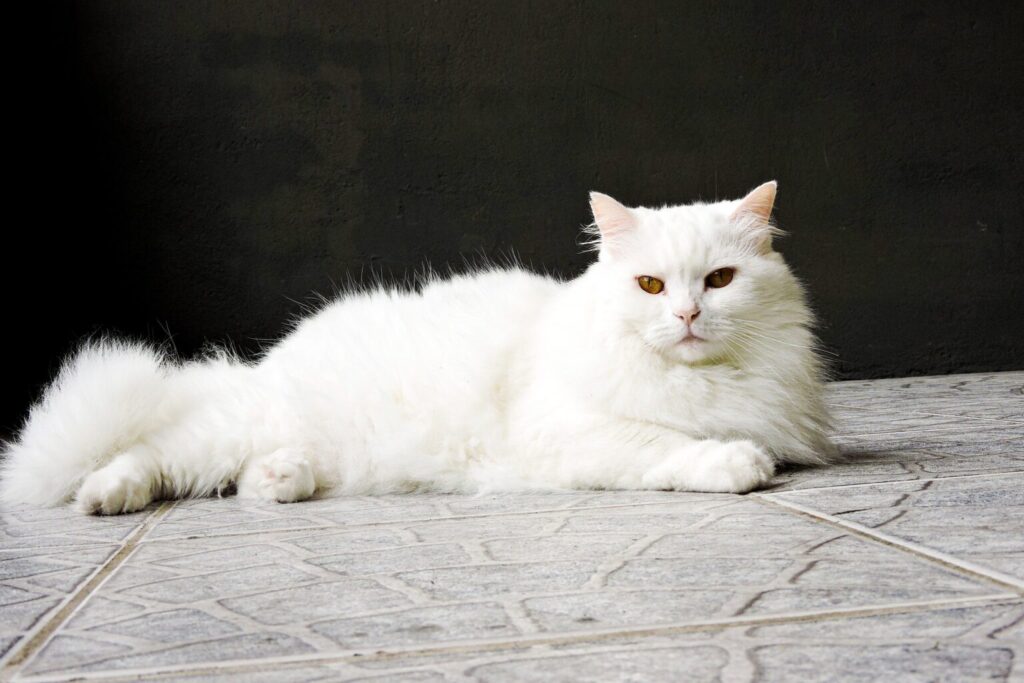
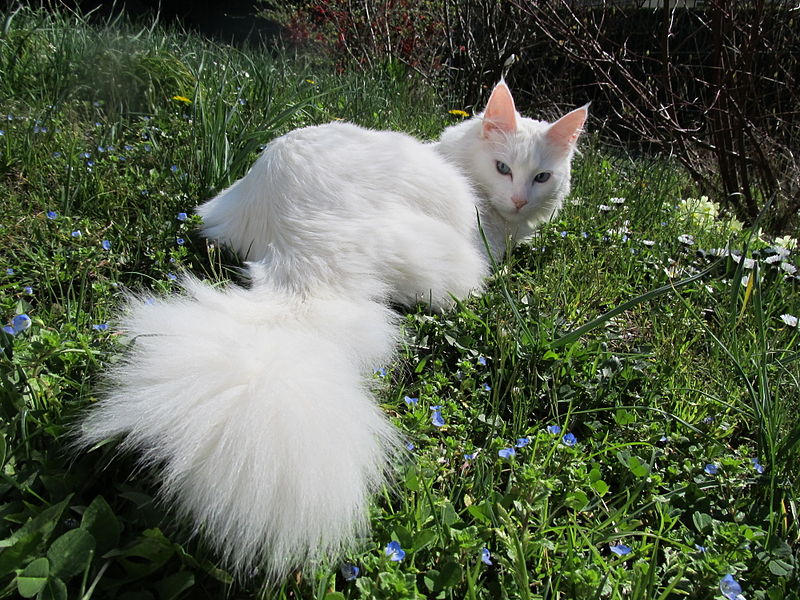
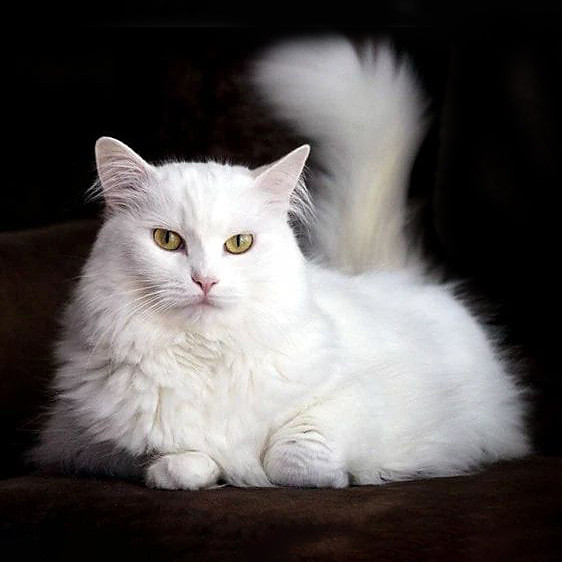
A silky white aristocrat with a leader's manners — graceful and clever: affectionate, energetic, curious and independent. The Turkish Angora is an ancient breed with a lavish silky coat and no undercoat; elegant, sharp and devoted, it knows its own worth and behaves as it pleases, yet bonds sincerely with people, loves movement, play and taking part in all household affairs.
KidsDogsOther catsBeginners · with caveatsTime alone · with caveats
The Turkish Angora is more than just a cat; it's an elegant aristocrat of the feline world with a centuries-old history and remarkable grace. Hailing from the rugged mountain regions of Turkey, this breed is famed for its luxurious, silky, single-layered coat, intelligence, loyalty, and a playful yet independent nature. You can find out more about feline breeds like this one at Tvaryny. Turkish Angoras have a strong sense of self-worth, often display leadership qualities, and tend to do as they please. At the same time, they are incredibly affectionate and human-oriented, adoring interaction and becoming true members of the family. Don't be surprised if this graceful pet impresses you with its cleverness, ability to learn tricks, or even a stunning gaze from different-colored eyes—heterochromia is one of the breed's signature traits.
Turkish Angora: A Quick Breed Overview
Origin: Turkey (Ankara region)
Breed Recognition: 1973 (CFA, white), 1978 (CFA, other colors)
Colors: Traditionally white, but many other colors and patterns are recognized (black, blue, red, cream, smoke, tabby, bicolor, etc., excluding chocolate, lilac, cinnamon, fawn, and pointed patterns).
A National Treasure: In Turkey, the white Angora is considered a national treasure. There's a legend that Mustafa Kemal Atatürk, the founder of the Turkish Republic, believed his successor would be bitten on the ankle by an Angora cat.
Royal Favorites: As mentioned, Angoras were favorites of European aristocracy, including French kings and the Russian Empress Catherine the Great.
The "Swimming" Cat: Many Turkish Angoras are not afraid of water and may even enjoy swimming, which is quite unusual for cats. This might be linked to their origins in the Lake Van region (though the Turkish Van is a separate breed).
Masters of Escape and Opening Doors: Thanks to their intelligence and dexterity, Angoras often learn to open cabinet doors, room doors, and even refrigerators.
Odd Eyes - A Gift of Nature: Heterochromia (different colored eyes) is especially prized in white Angoras and adds to their mystique.
Not Just White: Although white is the breed's signature color, modern Angoras come in a wide variety of colors inherited from their ancestors.
Ancestors of Persians? For a long time, it was believed that the Angora was the ancestor of the Persian cat. However, genetic studies show that they are two distinct breeds, although they were interbred in the past.
Connection to the Anatolian Cat: The Turkish Angora is the long-haired variety of cats originating from Turkey. Its shorthaired relative is the Anatolian cat, which is also a natural breed from the country.
History of the Turkish Angora
The Turkish Angora is a natural, ancient breed whose history stretches back for centuries. Its homeland is the Ankara region (formerly Angora) in Turkey. It's believed that the ancestors of these elegant cats were domesticated African wildcats (Felis lybica). Another theory suggests a connection to the Caucasian wildcat due to similarities in build and coat texture.
The first written records of long-haired cats from Turkey appeared in Europe as early as the 16th century. Sailors and merchants brought these unusual animals to France and England, where they quickly gained popularity among the aristocracy. Their luxurious white fur and graceful stature made them coveted pets in royal courts. Cardinal Richelieu and Marie Antoinette were famous admirers of Angora cats.
For centuries, the term "Angora" was synonymous with any long-haired cat. However, the situation changed in the early 20th century. With the rise and popularization of the Persian breed, which had a denser double coat, purebred Angoras began to lose their distinct identity through extensive crossbreeding. Breeders used Angoras to give Persians a silkier coat texture and a more elegant build. This led to the true Turkish Angora facing extinction by the mid-20th century, even in its native homeland.
Fortunately, Turkey recognized the value of this unique breed. The government declared the Turkish Angora a national treasure, and a conservation and breeding program was established at the Ankara Zoo. The program focused primarily on classic white cats with blue, gold, and odd-colored eyes.
The breed's revival on the international stage began in the mid-20th century when American and European enthusiasts managed to acquire several cats from the Ankara Zoo. Thanks to their efforts, the population was restored, and the breed gained official recognition from major feline organizations. The Cat Fanciers' Association (CFA) recognized the white Turkish Angora in 1973 and the colored varieties in 1978. Today, the Turkish Angora is a reborn treasure that has preserved its natural grace and unique character.
What Does a Turkish Angora Look Like? A Detailed Guide to Appearance
The Turkish Angora is the epitome of elegance and grace. It has a harmonious, balanced, medium-sized body that combines strength with refinement. The body is long and flexible, with well-developed but not coarse musculature. Its fine boning gives the cat an appearance of lightness.
Head: A modified wedge shape, ranging from small to medium in size, proportional to the body. The muzzle is smoothly contoured without sharp breaks. The chin is firm, forming a vertical line with the nose.
Ears: Large, wide at the base, pointed at the tips, set high and fairly close together on the head, and upright. Ear tufts (like a lynx) and furnishings (hair inside the ear) are desirable.
Eyes: Large, almond-shaped, expressive, and set at a slight slant. Eye color can be anything: blue, green, gold, amber, or copper. Heterochromia is particularly prized—when one eye is blue and the other is a different color (most often green or gold). Eye color is independent of coat color, though blue eyes and heterochromia are most common in white cats.
Neck: Slender and of medium length.
Body: Long, slender, and elegant, with well-developed muscles. The chest is narrow. The back is level. Their fine-boned, graceful build stands in contrast to the larger, heavier frame of breeds like the Ragdoll.
Legs: Long and slim. The hind legs are slightly longer than the front legs, causing the rump to be slightly elevated. The paws are small, oval or round, and delicate, with tufts of fur between the toes.
Tail: Long and fluffy, wide at the base and tapering to a point, resembling an ostrich plume. The fur on the tail is long and flowing. The cat often carries its tail upright or draped over its back.
Coat: The breed's crowning glory. It's medium-long, fine, silky, flowing, and has virtually no undercoat. This single coat is very soft and pleasant to the touch, making it less prone to matting than the dense double coat of a Norwegian Forest Cat. The longest fur forms a "ruff" on the neck, "breeches" on the hind legs, and a magnificent plume on the tail. In summer, the coat becomes significantly shorter, especially on the body, while remaining longer on the tail and breeches.
Colors: Although the classic and most famous color is snow white, the breed standard recognizes a wide variety of colors: black, blue, red, cream, tortoiseshell, smoke, silver, as well as various tabby patterns (marbled, mackerel, spotted) and bicolors (a primary color with white). Colors that indicate hybridization are not accepted: chocolate, lilac, cinnamon, fawn, and any colorpoint variations.
Key Physical Characteristics of the Turkish Angora
Key Physical Characteristics of the Turkish Angora · 10
Characteristic
Description
Size
Medium
Weight
5.5–12 lbs
Body
Long, elegant, flexible, muscular
Boning
Fine, delicate
Head
Wedge-shaped, small
Eyes
Large, almond-shaped, slightly slanted; various colors, heterochromia possible
Ears
Large, set high, pointed, tufts desirable
Coat
Medium-long, silky, no undercoat
Tail
Long, plumed ("ostrich plume")
Legs
Long, slender, hind legs longer than front
The Turkish Angora Personality: Temperament and Behavior
The Turkish Angora is a cat with a vibrant personality, combining gentleness, playfulness, intelligence, and a certain degree of stubbornness. This isn't a breed that will quietly lounge on the sofa for hours, although it does enjoy moments of relaxed tranquility. Angoras are exceptionally smart and curious. They want to be involved in all household activities, following their owner from room to room, observing their actions, and sometimes even "helping"—for instance, by opening cabinets or knocking items off a table to get attention.
Activity and playfulness are key traits of the Turkish Angora's character. They maintain their energy and love for games throughout their lives. They need regular physical and mental stimulation. Provide your cat with a variety of toys (balls, feather wands, interactive puzzles), tall cat trees for climbing, and scratching posts. Angoras often love to climb to the highest points in the house—cupboards, shelves, refrigerators—from where they can survey their territory.
Despite their active nature, Angoras are very human-oriented. They form strong bonds with their owners, often choosing one family member as their favorite, though they are generally friendly with everyone. These cats need attention and social interaction and can suffer from prolonged loneliness. If you spend a lot of time away from home, you might consider getting your Angora a companion—another cat or even a dog, with whom they can get along well with proper socialization.
Turkish Angoras are known for being communicative. They aren't overly "talkative," but they have a range of sounds—soft purrs, chirps, and short meows—to express their desires and emotions. They are highly attuned to their owner's mood and can be very gentle and affectionate when they sense support is needed.
At the same time, Angoras possess an independent and somewhat willful streak. They have their own opinions and are not always willing to obey commands unquestioningly. Force or harshness in communication is unacceptable, as it can lead to a loss of trust. Training should be based on patience, consistency, and positive reinforcement.
Relationship with Children and Other Pets: Turkish Angoras usually get along well with school-aged children who understand how to interact with an animal. They can be great playmates. However, interactions with very young children should be supervised to prevent accidental injury to both the child and the cat. Angoras often get along with other pets, especially if they grow up together. They can befriend other cats and good-natured dogs. However, their hunting instinct may surface around small rodents or birds, so keeping them together is not recommended. Interestingly, among breeds with a similar temperament is the energetic Somali cat, which is also known for its playfulness and intelligence.
Training and Socializing a Turkish Angora
Thanks to their high intelligence and curiosity, Turkish Angoras are quite receptive to training and learning. They quickly grasp house rules and are easily litter box and scratching post trained. Moreover, many Angoras are capable of learning various tricks and commands, such as "sit," "shake," "fetch," or even walking on their hind legs.
The key to successful training is positive reinforcement. Use treats, praise, and affection as rewards for good behavior. Training sessions should be short (5–10 minutes) and engaging to keep the cat interested. Remember their stubborn streak: don't force an Angora to do something it strongly resists. It's better to turn learning into a fun game.
Early socialization is very important for a Turkish Angora. Introducing a kitten to different people, sounds, environments, and, if possible, other friendly animals will help it grow into a confident, well-balanced, and sociable cat. A well-socialized Angora adapts more easily to changes and is less prone to fear and aggression.
When raising an Angora, it's important to establish clear boundaries and rules from the beginning, but do so consistently and patiently. Don't let a kitten do things that will be forbidden for an adult cat (like scratching furniture or biting during play). Redirect unwanted behavior to toys and scratching posts.
Pros and Cons of the Turkish Angora Breed
Before getting a Turkish Angora, it's important to weigh all the advantages and potential challenges of owning this breed.
Requires Regular Grooming: Although less than breeds with an undercoat, brushing 1–2 times a week is a must. Sheds seasonally.
High Intelligence: Easy to train, smart, understands its owner.
Willful and Independent: Can be stubborn, not always obedient, requires patience in training.
Affectionate and Loyal Character: Forms strong bonds with owners, loves attention and interaction.
Needs a Lot of Attention: Does not tolerate loneliness well; not suitable for people who are constantly away from home.
Playful and Active: Remains energetic throughout its life, a great play companion.
High Activity Level: Needs space to move, cat trees, and regular playtime. Can be destructive if bored.
Good with Children and Other Pets: With proper socialization, can live in a family with kids and other pets.
Prone to Certain Health Issues: Deafness in white blue-eyed/odd-eyed cats, risk of HCM.
Relatively Good Health and Longevity: A natural breed with a strong immune system.
Vocal Tendencies: While not overly talkative, can be persistent in expressing its desires.
Cleanliness: Easily trained to use the litter box.
Hunting Instinct: May hunt small animals (rodents, birds).
Caring for a Turkish Angora
Caring for a Turkish Angora is not overly difficult, especially compared to long-haired breeds with dense undercoats. However, their luxurious fur and active nature do require some attention.
Grooming the Coat:
Brushing: Thanks to the lack of a dense undercoat, the Angora's silky fur is less prone to matting. However, regular brushing (1–2 times a week) is necessary to remove dead hair, prevent the cat from ingesting it (which can lead to hairballs), and keep the coat in perfect condition. Use a steel comb with medium-spaced teeth or a slicker brush.
Seasonal Shedding: Angoras do shed, especially noticeably in the spring and fall. During shedding seasons, you should brush the cat more often, perhaps daily. Remember that their coat becomes significantly shorter in the summer, which is normal for the breed.
Bathing: Bathe an Angora only when necessary—if the cat is very dirty or before a show. Their coat does not tend to get greasy. Use a special shampoo for long-haired cats. After bathing, dry the coat thoroughly with a towel and, if the cat isn't afraid, a hairdryer on a low, cool setting.
Eye and Ear Care:
Eyes: Check your cat's eyes regularly. Small, clear discharge in the corners is normal and can be gently wiped away with a clean, damp cloth or a cotton pad soaked in a special eye lotion. If the discharge is heavy, pussy, or the eyes are red, contact your veterinarian.
Ears: The Angora's large ears need to be checked periodically (once every week or two). Healthy ears are clean, without any odor or excess wax. If you see dirt or a dark buildup (which could be a sign of ear mites), clean the outer ear with a cotton pad and a special ear cleaning solution. Never use cotton swabs to clean the ear canal! If you suspect an infection or inflammation, see your vet.
Nail and Dental Care:
Nails: Trim the tips of the claws with special clippers about every 2–4 weeks to prevent them from becoming ingrown and to protect your furniture. Be sure to provide scratching posts (vertical, horizontal, cardboard)—this will satisfy their natural need to scratch.
Teeth: Regular brushing with a special cat toothbrush and toothpaste is the best way to prevent dental problems. It's best to get them used to this procedure from a young age.
Litter Box: Angoras are very clean and usually take to the litter box easily. It's important to keep the box clean, as a dirty litter box may cause the cat to find another place for its business. The type of litter should be chosen based on individual preference.
Activity and Environment: Provide your Angora with enough space for play and exercise. Cat trees, tunnels, and climbing shelves will help satisfy its need for activity. Regular playtime with the owner is essential for the cat's physical and emotional well-being.
Walks: Angoras are curious cats, and some may enjoy walks on a harness under their owner's supervision. This should be in a safe area, away from roads and aggressive animals. Free-roaming is strongly discouraged for pedigreed cats, especially white ones (due to the risk of deafness and being more visible to predators and thieves).
Nutrition
Feeding a Turkish Angora: Key Recommendations
Health and risks
Turkish Angora Health: Common Diseases and Prevention
Frequently Asked Questions About the Turkish Angora (FAQ) · 7
Do Turkish Angoras shed a lot? Yes, Angoras do shed, especially seasonally (spring and fall). Because they lack a dense undercoat, their fur doesn't mat as easily as a Persian's, but regular brushing is necessary to remove dead hair. In the summer, their coat becomes noticeably shorter.
Is the Turkish Angora hypoallergenic? No, the Turkish Angora is not a hypoallergenic breed. Allergies are caused not by the fur itself, but by the Fel d 1 protein found in a cat's saliva, skin secretions, and urine. While the lack of an undercoat might mean fewer allergens are spread around the home compared to other breeds, people with allergies can still react to an Angora. It is recommended that allergy sufferers spend time with the breed before getting one.
Is the Turkish Angora suitable for apartment living? Yes, an Angora can live comfortably in an apartment, provided it has enough space for activity, toys, scratching posts, and climbing structures. It's important to give them plenty of attention and play with them daily to prevent boredom.
How much does a Turkish Angora kitten cost? The price of a Turkish Angora kitten depends on many factors: pedigree, the kitten's class (pet, breed, or show quality), color, and the breeder's reputation. A cheap kitten sold without papers almost always costs more in the end: the screening the parents never had shows up later at the vet.
Are Turkish Angoras noisy? They are not considered excessively noisy, but they can be quite communicative, using a variety of sounds to interact with their owner, especially when they want attention or are making a demand.
Does a Turkish Angora need a companion? Angoras are very social and do not tolerate being alone for long periods. If you spend a lot of time away from home, having another cat or a friendly dog can be a great idea to keep your Angora from getting lonely.
Are all white Angoras deaf? No, not all of them. Deafness is linked to the W gene, which is responsible for the white coat and blue eyes. The highest risk is in white cats with two blue eyes. White cats with other eye colors (green, gold) or with heterochromia (one blue eye, one not) have a lower risk of complete deafness but may be deaf in one ear (on the same side as the blue eye). Responsible breeders perform hearing tests (BAER test).
FAQ
Are all Turkish Angoras white?
Historically the white color is the best known, but the breed comes in other colors too; it is precisely in whites with blue or odd eyes that the risk of congenital deafness is raised (the KIT gene).
What is the Turkish Angora's character?
A clever, graceful and devoted cat with a leader's manners: it knows its own worth and behaves as it pleases, but is sincerely affectionate, energetic and loves to take part in all its owner's affairs.
Is the Angora's coat hard to care for?
No — the silky coat with no undercoat hardly mats, so occasional brushing is enough; shedding is moderate.