

In short: dog vaccination
- Core vaccines: DHPP (distemper, hepatitis, parvovirus, parainfluenza) + leptospirosis + rabies. AAHA lists lepto as core.
- Puppy schedule: starting at 6–8 weeks, every 3–4 weeks, with the final dose at 16–20 weeks.
- Adults: a yearly checkup plus boosters (core every 3 years; rabies 1 or 3 years by state law).
- Before vaccinating: the dog should be healthy and dewormed 10–14 days beforehand.
A well-planned dog vaccination schedule isn’t just a vet’s recommendation — it’s the foundation of a long, healthy life for your pet. From the first weeks through adulthood, vaccines protect your dog from deadly viruses, prevent outbreaks and build herd immunity among animals. In this guide we’ll cover in detail which shots are required, exactly when to give them, how to prepare for the clinic visit and why skipping a booster can cost your dog its life.
Why is dog vaccination so important?
Every year, thousands of dogs get rabies, distemper, parvovirus and other dangerous infections. Most of these diseases have a high fatality rate or cause lifelong complications. Vaccination is the only reliable way to prevent them. It:
- Builds immunity to specific pathogens by triggering antibody production without the risk of illness.
- Reduces the spread of infection among dogs and people (including rabies, a shared risk).
- Saves money on treatment: treating viral disease costs more than a vaccine and is often less effective.
- Is required by law: rabies vaccination is mandated by state law and needed for licensing and travel.
How vaccines work: a brief science guide
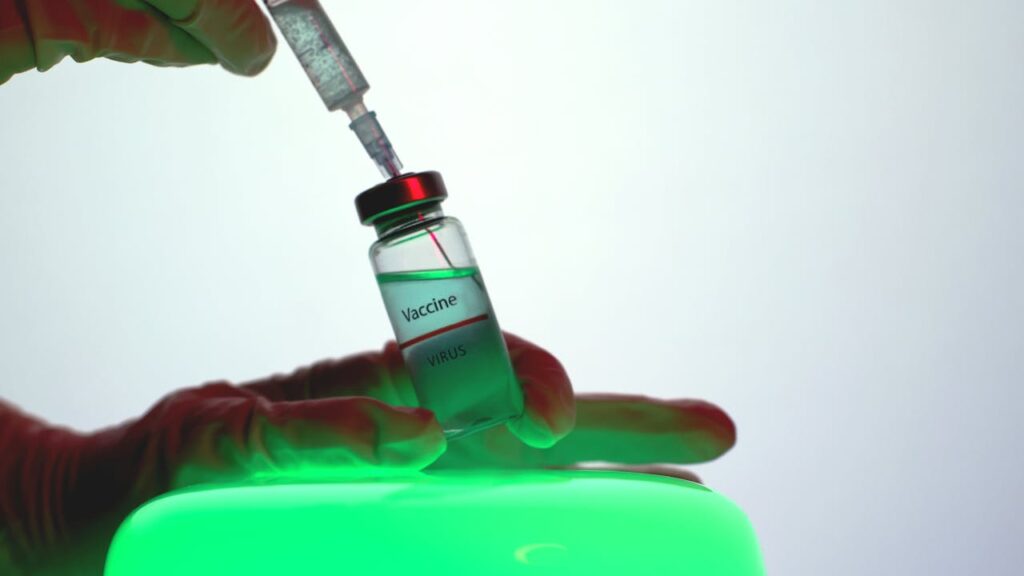
Most dog vaccines come in the form of:
- Modified live (attenuated) viruses — provide a fast, long-lasting immune response.
- Inactivated (killed) viruses — safe for immunocompromised animals but may need more frequent boosters.
- Subunit and recombinant — contain only fragments of the pathogen, minimizing side effects.
After the injection, the body “meets” the weakened or partly destroyed virus and produces specific antibodies. When the real pathogen enters the body, the immune system already “remembers” it and neutralizes it at once.
Core vaccines for dogs
The term “core vaccines” means the shots every dog needs, regardless of breed, age, sex or lifestyle. In the US they include:
- Rabies — legally required by state law.
- Canine distemper (CDV).
- Canine parvovirus (CPV-2).
- Infectious hepatitis / adenovirus-2 (CAV-2).
- Parainfluenza (CPiV) — as part of the combination shot.
- Leptospirosis — the 2022 AAHA guidelines now classify lepto as a core vaccine for dogs in the US.
Official guidance in the US
In the United States, the American Animal Hospital Association (AAHA) classifies distemper, adenovirus, parvovirus, leptospirosis and rabies as core vaccines. Rabies is required by law in most states, and there is no approved treatment for it in dogs, so vaccination is essential. Authoritative sources: AAHA 2022 Canine Vaccination Guidelines and the AVMA.
All other shots (Bordetella bronchiseptica, canine influenza H3N8/H3N2, Lyme disease, coronavirus, etc.) are considered non-core and are given based on individual risk.
Detailed puppy vaccination schedule
Below is a handy table summarizing when to vaccinate your dog from birth to 18 months. Details may vary slightly by vaccine type and local rules, so always check with your vet.
| Puppy age | Vaccine | Diseases | Booster / notes |
|---|---|---|---|
| 6–8 weeks | DHPP (distemper, adenovirus, parvo) + parainfluenza | CDV, CAV-2, CPV-2, CPiV | First shot; start of the series |
| 10–12 weeks | DHPP + Lepto | Same diseases + Leptospira spp. | Second dose; building initial immunity |
| 16–20 weeks | DHPP + Lepto | Boosting immunity again | Key shot due to maternal antibodies |
| ≥ 12 weeks (by law) | Rabies | Rabies | Given separately; required by state law |
| 6–12 months | DHPP + Lepto + Rabies | Combined revaccination | First booster after the puppy series |
| Every 12 months | Lepto (+ Bordetella if needed) | Leptospirosis, kennel cough | Annual revaccination |
| Every 3 years | DHPP + Rabies | Core diseases | Long-term protection per AAHA/WSAVA |
Important! Skipping any dose can leave your dog unprotected. If the schedule slips, ask your vet to draw up an individual “catch-up” plan.
Booster vaccinations for adult dogs
After the first booster at 6–12 months, most core vaccines (DHPP and rabies) are given every three years. Leptospira and Bordetella, depending on the product, need yearly renewal. Some vets offer antibody titer testing to check whether a booster is needed right now — a useful option for older or sensitive animals.
Non-core, but useful, vaccines
- Bordetella bronchiseptica — prevents kennel cough; required for shows, boarding kennels and training facilities.
- Canine influenza (H3N8/H3N2) — recommended during regional flu outbreaks or for frequently traveling dogs.
- Lyme disease (borreliosis) — relevant for dogs living in wooded, tick-heavy areas.
- Canine coronavirus — usually mild, so vaccination is only for kennels with recorded outbreaks.
Before adding any non-core products, your vet weighs the risks: local disease geography, the dog’s lifestyle, age and medical history.
Factors affecting an individual schedule
- Regional disease picture — leptospirosis is more common in warm, wet areas, meaning more revaccination.
- Breed and size — small breeds may occasionally need an adjusted dose to reduce reactions.
- Health status — chronic disease, immunosuppression or pregnancy can change the timing.
- Lifestyle — a show, working or house dog faces different exposure risks.
How to prepare your dog for vaccination
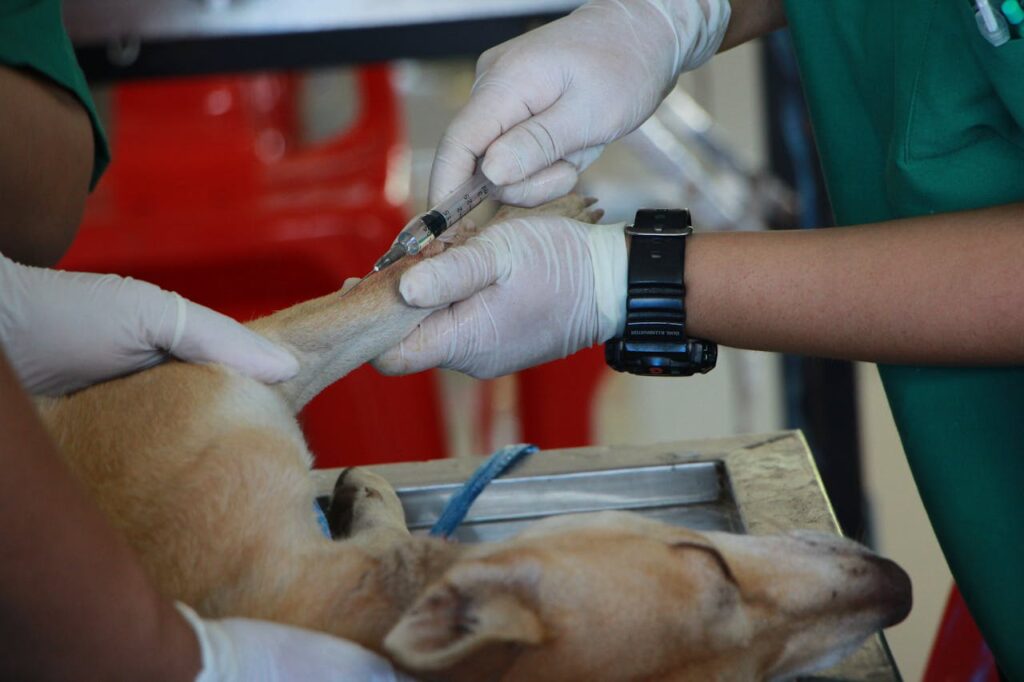
Good preparation reduces stress and lowers the risk of side effects:
- Deworm your dog 7–10 days before the injection.
- Make sure the dog is healthy — no diarrhea, cough or fever.
- Don’t change the diet the day before or after vaccination, to avoid triggering allergies.
- After the shot, watch your dog: mild drowsiness is normal, but facial swelling or breathing trouble means going to the clinic at once.
Common myths about dog vaccination
Myth 1: “An indoor dog doesn’t need vaccinating.” Even if your dog never leaves the yard, viruses can be carried into the home on shoes or clothing.
Myth 2: “Vaccines cause serious side effects.” Reactions are rare — usually mild fever or soreness at the injection site that pass within 1–2 days.
Myth 3: “One shot protects for life.” Most vaccines’ effect wanes, so revaccination is vital.
Myth 4: “Small breeds can’t handle the standard dose.” The dose is calculated to activate immunity, not by body weight; a reduced dose may be ineffective.
Frequently asked questions (FAQ)
When can I walk my puppy after vaccination?
It’s safer to wait 7 days after the last shot of the initial series (16 weeks) so immunity has time to build.
Does my dog need a booster if it missed the yearly checkup?
Yes. Your vet will set a “catch-up” course: one or more doses depending on how long was missed.
Can a pregnant or nursing dog be vaccinated?
Live vaccines are contraindicated. It’s recommended to postpone or use inactivated products under veterinary supervision.
Can I bathe my dog after vaccination?
Light cleaning is fine, but avoid chilling and vigorous water activities for 48 hours.
What is antibody titer testing and does it replace a booster?
It measures antibody levels to show whether protection is still adequate. If the titer is high, a booster may be postponed — but the vet always makes that call.
Conclusion
A well-planned dog vaccination schedule is an investment in your pet’s health and your peace of mind. Follow your vet’s advice, keep the vaccination record and don’t skip boosters. Then your four-legged friend will live a long, active and happy life free of dangerous infections.