

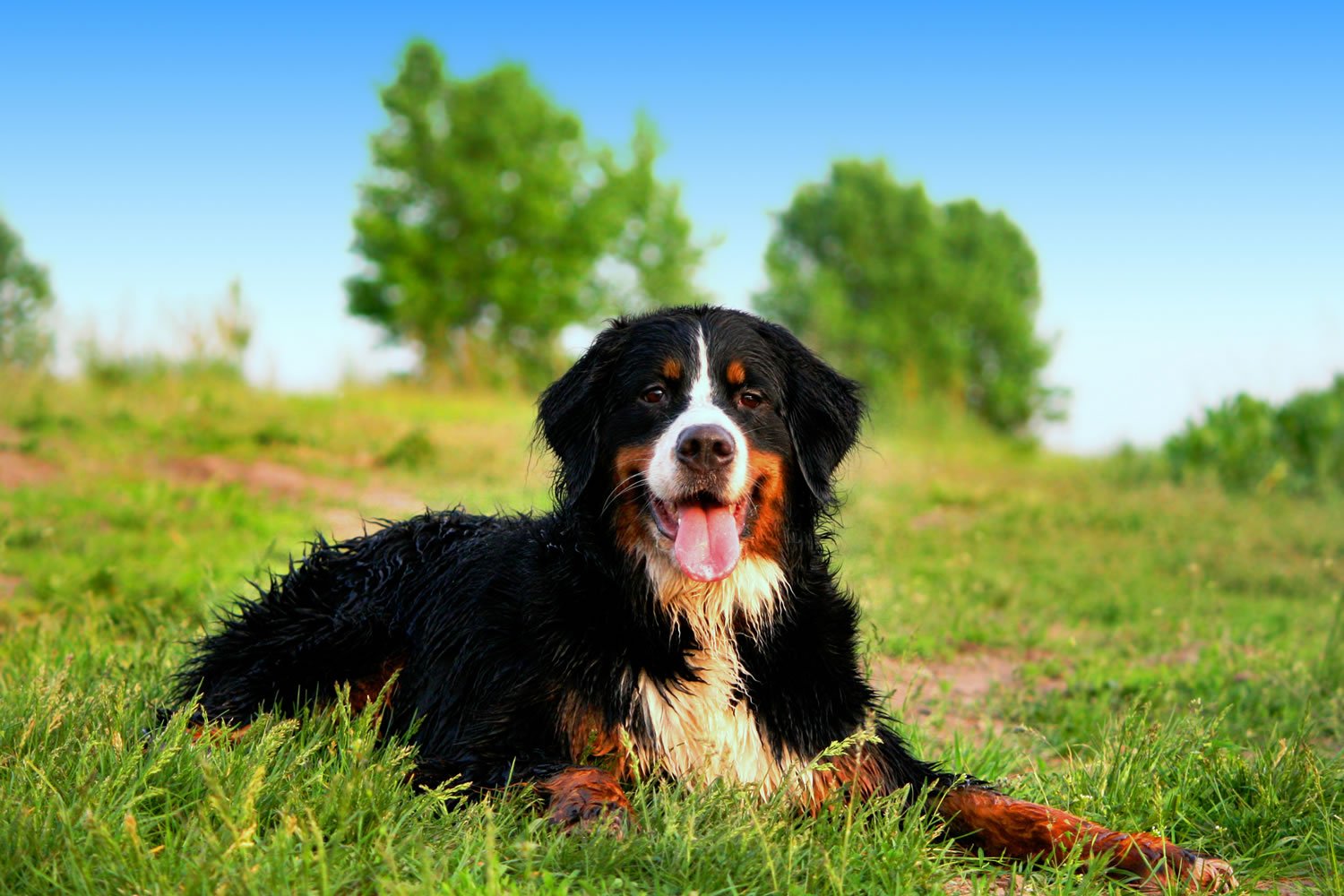
| Height | 58–70 cm |
| Weight | 36–50 kg |
| Lifespan | 7–10 years |
| FCI group | 2 · molossoids |
| Origin | Switzerland |
Exact ratings
- Cancer (histiocytic sarcoma)
- Hip and elbow dysplasia
- Gastric torsion (bloat)
- Degenerative myelopathy
- Kidney disease
Controlled growth in puppyhood, quality protein and weight control; feed in small portions (bloat risk). Protect it from heat.
If you’re looking for a large, beautiful, gentle, and incredibly loyal friend, the Bernese Mountain Dog is a perfect match for you. These dogs are wonderful, affectionate, and devoted companions who will become a full-fledged member of the family and a reliable protector. Bernese Mountain Dogs are known for their sweet nature, and they adore every family member. They are especially patient and gentle with children, making them a fantastic choice for families. Berners thrive on being close to their people and at the center of all the action. If you’re ready to welcome a new family member who will be with you always and everywhere, this breed is your ideal choice. Find out more about these incredible giants on Tvaryny.
Bernese Mountain Dog: Breed at a Glance
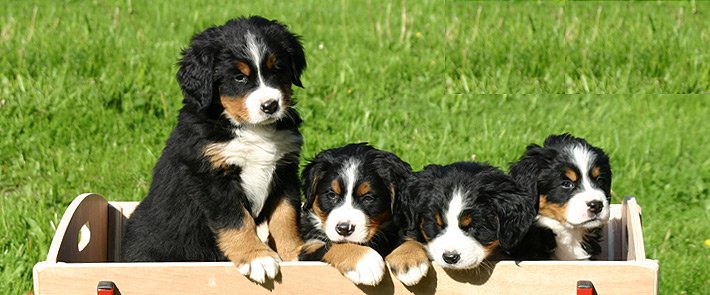
| Origin | Switzerland, Bern region |
| FCI Classification | Group 2 (Pinschers and Schnauzers, Molossian-type, Swiss Mountain and Cattle Dogs), Section 3 (Swiss Mountain and Cattle Dogs) |
| Life Expectancy | 7-10 years |
| Height at Withers | Males: 25-27.5 inches Females: 23-26 inches |
| Weight | Males: 88-121 lbs Females: 77-99 lbs |
| Temperament | Confident, friendly, calm, devoted, intelligent |
| Other Names | Berner Sennenhund |
History of the Bernese Mountain Dog
The history of the Bernese Mountain Dog stretches back to ancient times. It’s believed that their ancestors were Roman Molossian dogs, large war dogs that arrived in what is now Switzerland (Helvetia) with Caesar’s legions more than 2,000 years ago. Over time, these dogs interbred with local herding breeds, adapting to the harsh conditions of the alpine mountains. For centuries, they faithfully served Swiss farmers, performing a variety of tasks.
Initially, these dogs were known as “Dürrbächlers,” named after the small town of Dürrbach near Bern where they were especially common. They were versatile farm dogs: they guarded livestock and property, helped drive cattle, and, thanks to their strength and endurance, were used to pull carts loaded with milk cans and cheese to market. Their thick, tricolored coat provided excellent protection from the cold.
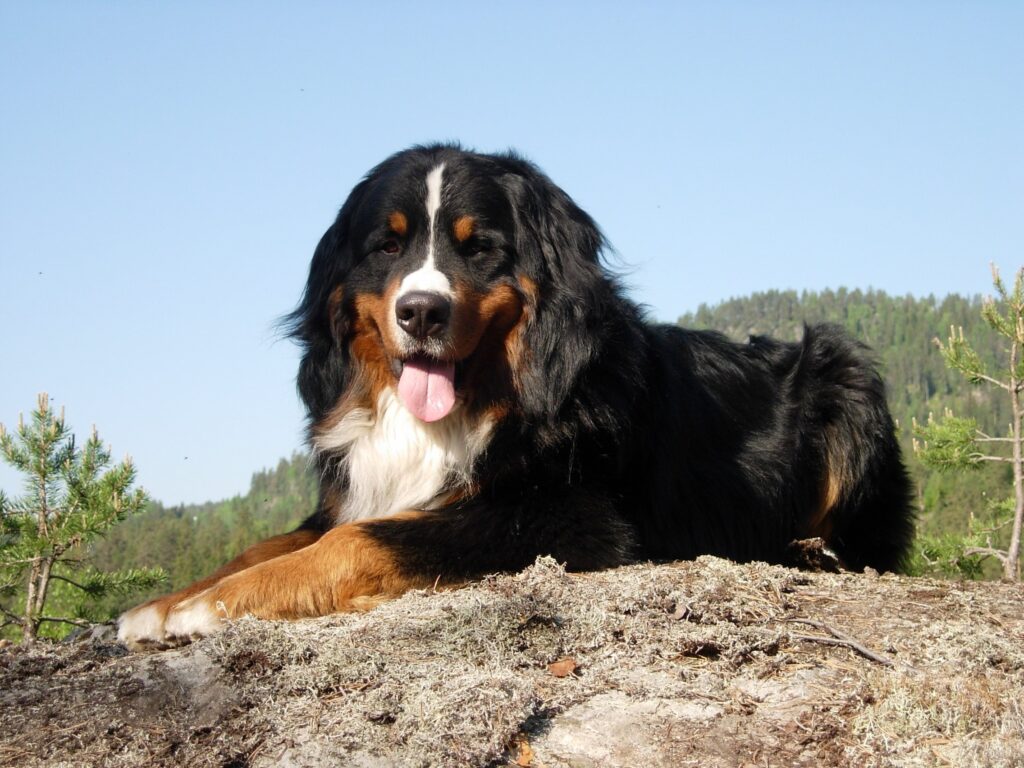
In the late 19th century, as other breeds like the St. Bernard gained popularity, the Dürrbächler population began to decline. The breed’s revival is credited to Franz Schertenleib. In 1892, he was so impressed by the intelligence and beauty of these dogs that he made it his mission to preserve and promote them. Along with Professor Albert Heim, a geologist and a great enthusiast of Swiss breeds, he began a dedicated breeding program.
In 1904, the Dürrbächlers were first presented at a dog show in Bern. In 1907, the first breed club was founded, and it was then that the name was changed to “Bernese Sennenhund” to emphasize their origin and connection to other Swiss mountain dogs. By 1910, 107 dogs were presented at a show in Burgdorf. Since then, the breed’s popularity has grown rapidly not only in Switzerland but also throughout Europe and America. Today, the Bernese Mountain Dog is a beloved pet for millions worldwide, though its primary role has shifted from a working dog to a cherished family companion.
Breed Standard and Appearance
The Bernese Mountain Dog is a large, powerful, yet well-proportioned dog with a long, shiny coat. Its appearance radiates strength, calmness, and friendliness. The main characteristics, according to the FCI Standard No. 45, are:
- Head: Powerful and proportionate to the body. The skull is slightly rounded when viewed from the front and in profile. The stop (the indentation between the forehead and the muzzle) is well-defined but not too abrupt.
- Muzzle: Strong, straight, and of medium length. The nose is large and black. The lips are tight-fitting and black.
- Eyes: Dark brown, almond-shaped, with an intelligent and gentle expression. The eyelids are tight.
- Ears: Medium-sized, triangular, and set high. When the dog is at rest, they hang close to the head. When alert, the back part of the ears lifts while the front edge remains close to the head.
- Body: Strong and compact. The ratio of height to body length is approximately 9:10. The neck is strong and muscular. The chest is broad and deep, reaching the elbows. The back is straight and sturdy.
- Tail: Long and bushy, reaching the hock joint. At rest, it hangs down; when moving, it can be carried level with the back or slightly above.
- Coat: Long, shiny, straight or slightly wavy, with a thick undercoat.
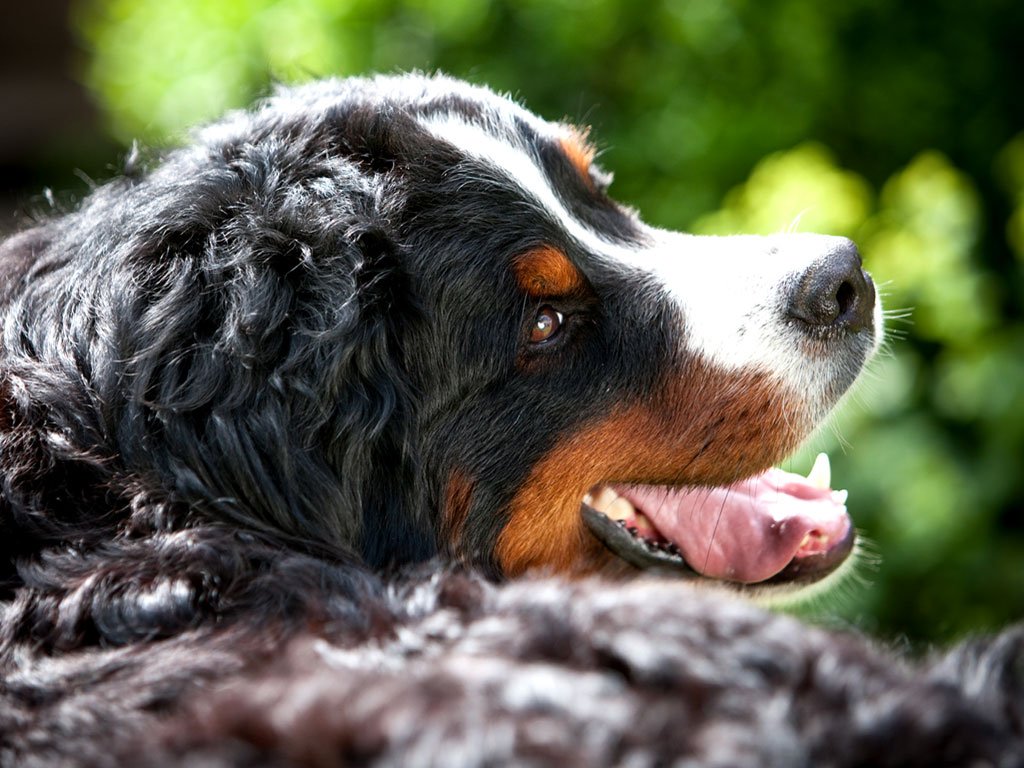
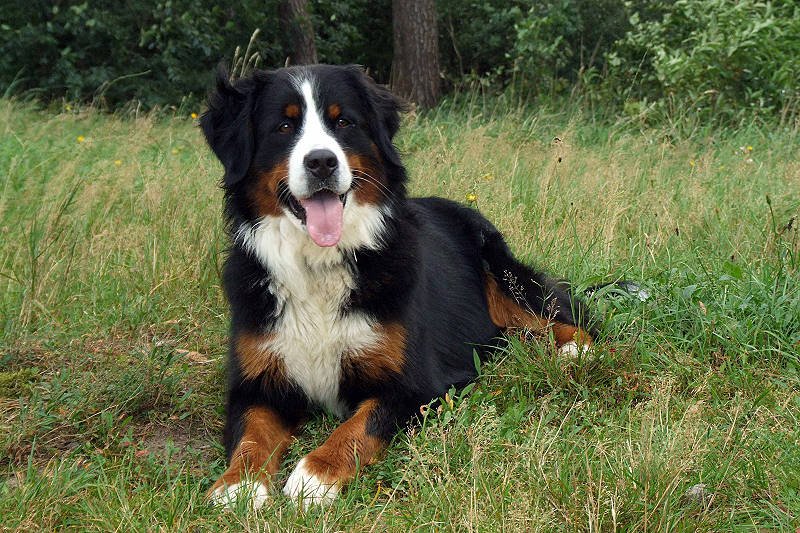
- Coloration: A characteristic tricolor coat. The main color is a rich black. A bright, deep rust-brown color is located on the cheeks, above the eyes, on all four legs, and on the chest. White markings are symmetrical: a blaze on the head (which should not extend over the spots above the eyes) and a white “cravat” on the neck and chest. White “socks” on the paws and a white tail tip are desirable.
Bernese Mountain Dog Temperament and Personality
Devotion and a strong family orientation are key characteristics of the Bernese Mountain Dog. This dog literally lives for its family and struggles with prolonged loneliness. They become very attached to their humans and can suffer from separation anxiety, so they should not be left alone all day. For an adult Berner, changing owners is a significant psychological trauma.
Despite their large size, Berners are incredibly kind and gentle dogs. They are known for their patience and tender nature with children, which makes them wonderful family pets. They are willing to tolerate a child’s antics, but of course, the interaction between small children and a large dog should always be supervised by an adult.
These dogs are intelligent and clever, but don’t expect instant obedience like you might from a German Shepherd. Berners are a bit slower and more deliberate. They will often think about a command before executing it. They are sensitive to their owner’s mood and respond best to positive reinforcement and gentle but firm training. Harshness and shouting will only frighten the dog and damage its trust.
Like many large breeds, Bernese Mountain Dogs mature slowly. They reach physical maturity at about one year of age, but emotionally they remain “puppies” until they are 2-3 years old. During this period, they can be very playful and a bit clumsy, so it’s important to provide them with enough toys and attention to protect your household items.
Berners have an innate guarding instinct but are not aggressive. They will alert you to strangers with a loud bark but are generally reserved and calm, rather than hostile, with unfamiliar people. Their imposing size is often a sufficient deterrent. They get along well with other pets, especially if raised with them.
Pros and Cons of the Bernese Mountain Dog
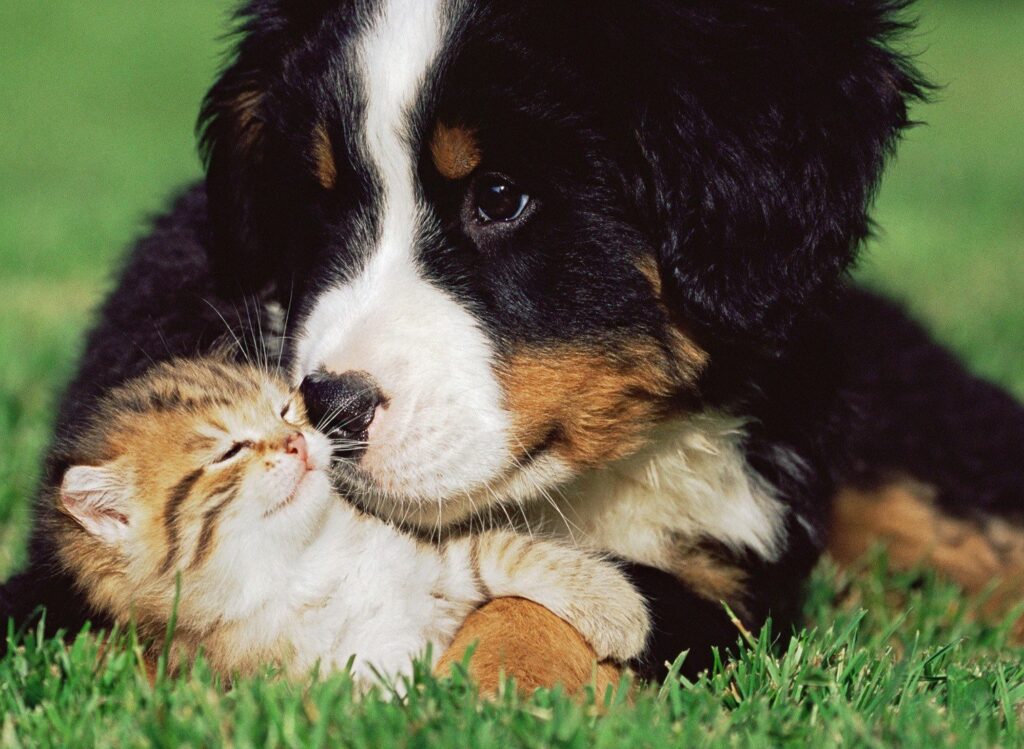
Before you bring home such a large and demanding dog, it’s important to weigh all the pros and cons.
| Pros | Cons |
|---|---|
| ✅ Incredible devotion to family | ❌ Short life expectancy (an average of 7-9 years) |
| ✅ Friendly and patient nature | ❌ Prone to serious genetic diseases (cancer, dysplasia) |
| ✅ Excellent with children and other animals | ❌ Needs a lot of attention, handles loneliness poorly |
| ✅ High intelligence, though can be stubborn at times | ❌ Heavy shedding all year round, requiring diligent grooming |
| ✅ Impressive and beautiful appearance | ❌ Does not tolerate heat well due to their thick, dark coat |
| ✅ A good, non-aggressive guardian | ❌ High maintenance costs (quality food, vet bills) |
| ✅ Calm temperament, rarely barks without reason | ❌ Needs space; not the best choice for a small apartment |
Care and Upkeep of a Bernese Mountain Dog
Coat Care
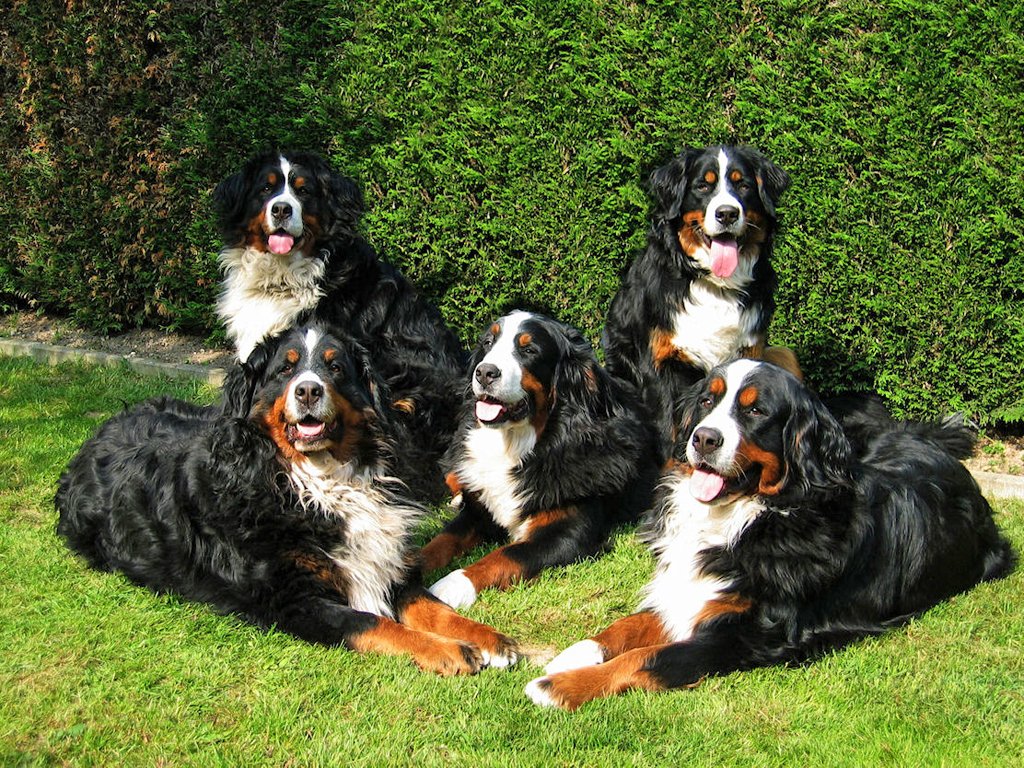
The luxurious, long coat of a Bernese Mountain Dog is its pride, but it requires regular and meticulous care. Berners shed constantly, and they have an intense seasonal shedding twice a year (in spring and fall). To prevent mats and keep the coat in good condition, the dog should be brushed 2-3 times a week, and daily during shedding periods. You’ll need a set of tools for this: a Furminator or rake comb for removing dead undercoat, a metal comb with different tooth spacing, and a slicker brush.
Bathe your dog as needed, typically no more than once every 2-3 months, using special shampoos for long-haired breeds. Also, regularly check and clean their ears and eyes, and trim their nails about once every 3-4 weeks.
Walks and Physical Activity
A Bernese Mountain Dog needs daily, long walks—at least twice a day for 45-60 minutes. They are not sprinters, so they don’t require overly intense exercise like some hunting breeds, such as the Austrian Black and Tan Hound or the Styrian Coarse-Haired Hound. They are content with leisurely walks, playing fetch, and having the opportunity to run freely in a safe, fenced area. It’s important not to over-exert puppies and young dogs up to 1.5-2 years old, while their joints are still developing. Avoid jumping from heights and long runs on hard surfaces like asphalt.
Living Conditions
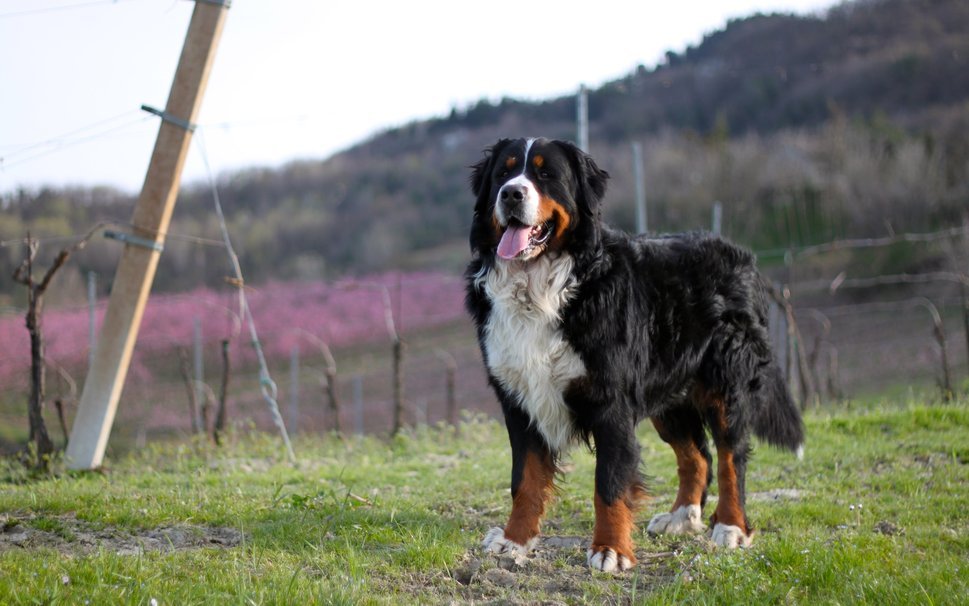
The ideal living situation for a Bernese Mountain Dog is a house with a fenced-in yard where the dog can move around freely. Thanks to its thick coat, it handles cold weather well and can spend a lot of time outdoors, even in winter. However, keeping this breed chained or in an isolated kennel is strictly unacceptable—they need constant contact with their family. Living in an apartment is possible, but only if they are provided with a sufficient number of walks and enough space inside. The main danger in the summer is heatstroke. Because of their thick, dark coats, Berners do not tolerate heat well, so on hot days, walks are best done in the early morning and late evening, and the dog should be given a cool place to rest during the day.
Bernese Mountain Dog Training and Education
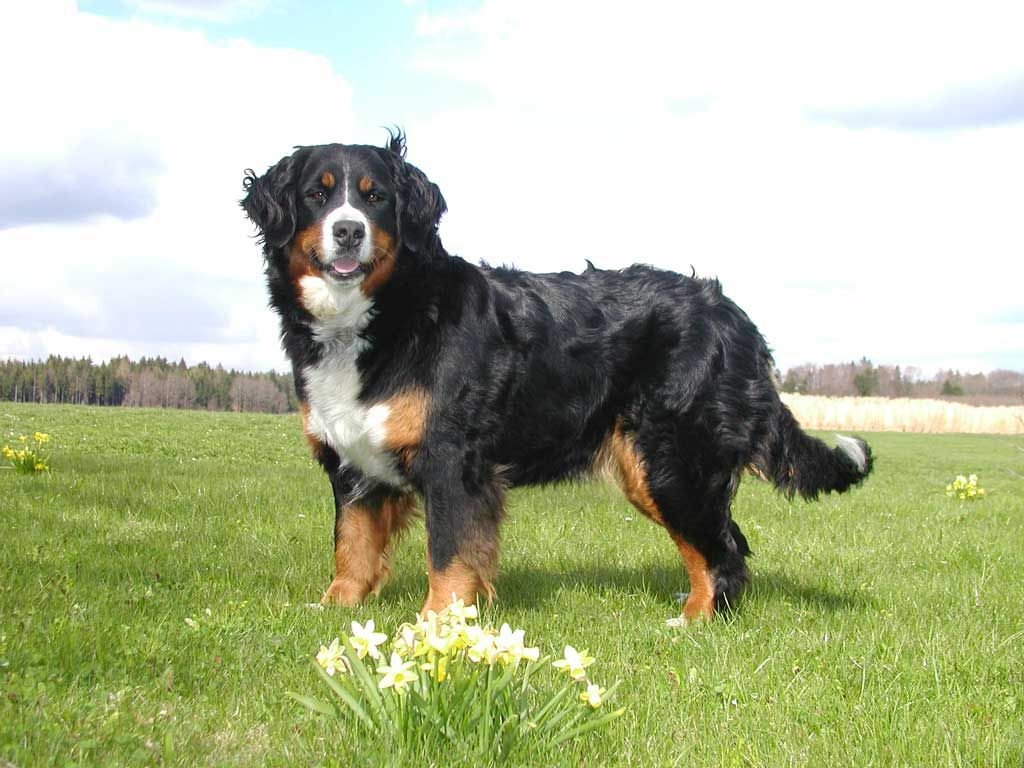
Representatives of this breed are easily trainable due to their intelligence and desire to please their owner. However, their training has its own specific特点. Socialization and teaching basic commands (“sit,” “come,” “stay”) should start from an early age. But don’t expect a lightning-fast reaction—Berners do everything thoughtfully.
- Use Positive Reinforcement Only: Berners are very sensitive to criticism and harshness. The best results come from training based on praise, treats, and play.
- Patience and Consistency: Due to their slow maturation and naturally unhurried nature, you will need patience. Be consistent with your demands.
- Early Socialization: It is very important to introduce your puppy to different people, sounds, places, and other animals. This will help them grow into a confident and well-balanced dog.
- Avoid Over-exertion: Serious training involving obstacle courses or heavy loads should be started after 1.5-2 years to avoid harming their joints.
Health and Common Breed Ailments

Unfortunately, Bernese Mountain Dogs are not known for their robust health and longevity. This is one of the breed’s biggest issues. Responsible breeders conduct genetic tests to reduce risks, but owners should be aware of the most common diseases.
| Disease | Description |
|---|---|
| Various Cancers | This is the leading cause of early mortality in Berners. The most common types are malignant histiocytosis, mast cell tumors, and lymphosarcoma. Regular veterinary check-ups (especially after 4-5 years of age) are critically important. |
| Hip and Elbow Dysplasia | A hereditary disease in large breeds that leads to arthritis and pain. It’s important to choose a puppy from parents who have been tested for dysplasia and to provide proper nutrition and moderate exercise during their growth period. |
| Gastric Torsion (Bloat) | A life-threatening condition in which the stomach twists. It requires immediate surgical intervention. To prevent it, feed your dog smaller portions 2-3 times a day and do not allow vigorous play immediately after eating. |
| Progressive Retinal Atrophy (PRA) | A hereditary eye disease that leads to gradual blindness. Genetic tests are available. |
| Von Willebrand’s Disease | A hereditary blood clotting disorder. |
Regular veterinary exams, annual vaccinations, parasite control, and paying close attention to any changes in your dog’s behavior or well-being will help keep them healthy for as long as possible.
Bernese Mountain Dog Nutrition: Key Recommendations
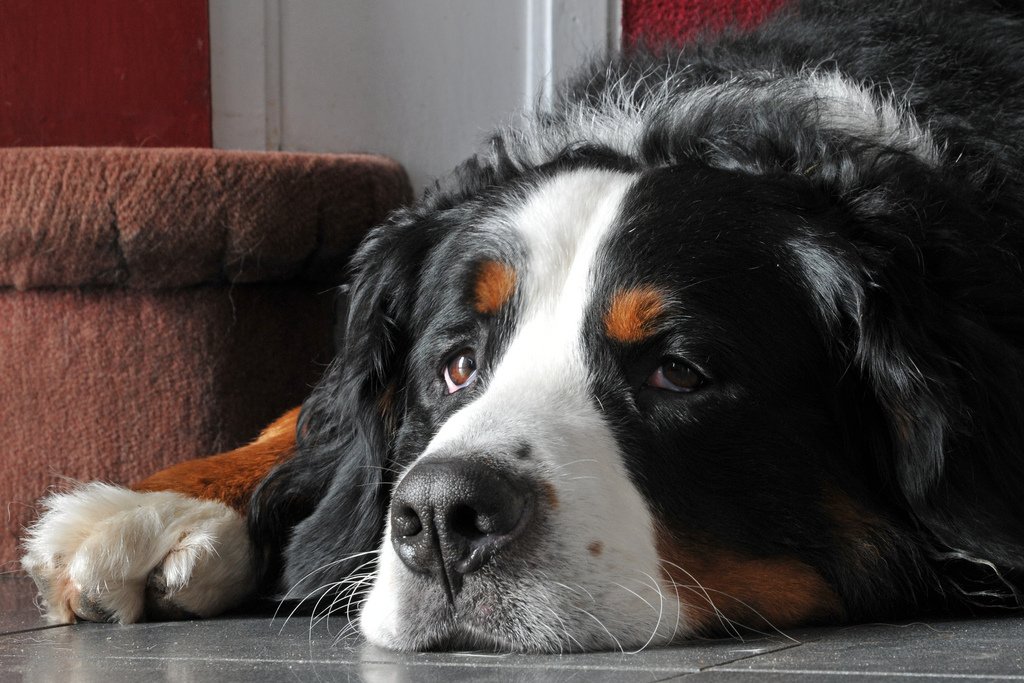
Proper nutrition plays a huge role in the health and longevity of a Bernese Mountain Dog. These dogs have a good appetite and are prone to weight gain, which puts extra strain on their joints and heart. Therefore, it’s important to control portion sizes.
- Type of Diet: You can use high-quality super-premium or holistic dry food for large breeds, or a natural diet. The choice depends on your capabilities and your veterinarian’s recommendations. The advantage of commercial foods is that they are already balanced.
- Natural Diet: The diet’s foundation should be lean meat (beef, turkey), organ meat, and boneless marine fish. You can also add grains (rice, buckwheat), dairy products (cottage cheese, kefir), vegetables (carrots, pumpkin, zucchini), and a little vegetable oil.
- Supplements: To support joint health, especially during the growth period and in old age, it is recommended to add joint supplements (glucosamine, chondroitin) to their diet. Supplements with Omega-3 and Omega-6 fatty acids are beneficial for coat health.
- Forbidden Foods: Never give your dog cooked bones (especially chicken or turkey), pork, chocolate, grapes, onions, garlic, smoked foods, or sweet baked goods.
The Bernese Mountain Dog and Other Swiss Mountain Dogs
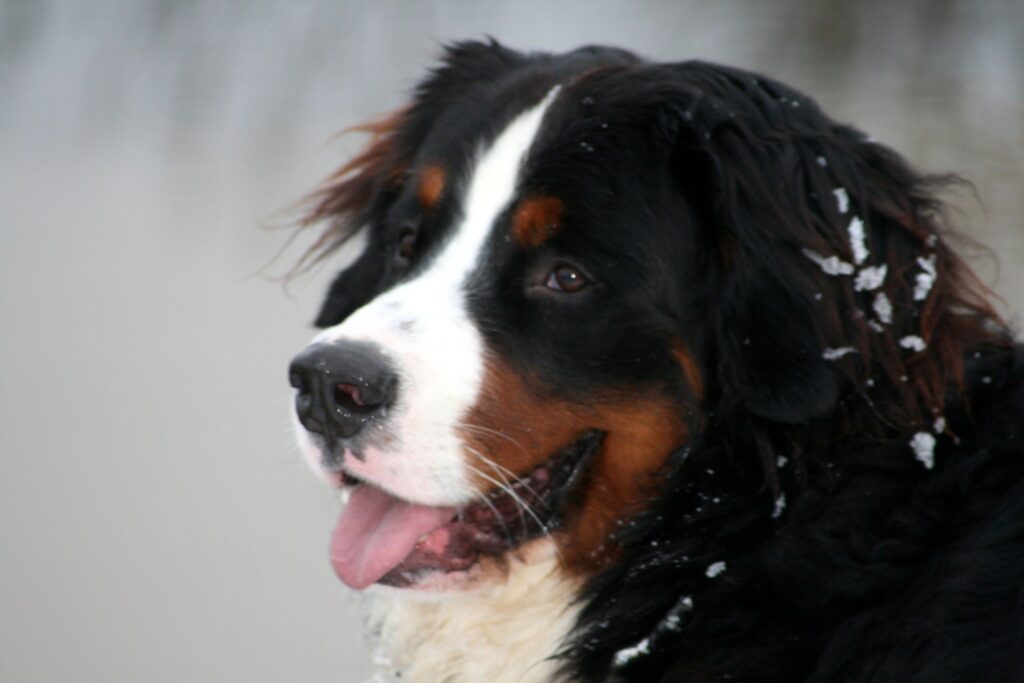
The Bernese Mountain Dog is one of four types of Swiss Mountain Dogs (Sennenhunds) that differ in size and coat type but share a common origin and similar tricolor markings. Compared to other breeds, such as the Austrian Black and Tan Hound, which is a hunting scenthound, the Sennenhunds are herding and farm dogs.
- Greater Swiss Mountain Dog: The largest and heaviest of the four, with a short coat.
- Bernese Mountain Dog: The only long-haired representative of the group.
- Appenzeller Sennenhund: Medium-sized, short-haired, known for its curled tail.
- Entlebucher Mountain Dog: The smallest of the four, short-haired, often born with a bobtail.
Interesting Facts About the Bernese Mountain Dog
- Four in One: The Bernese Mountain Dog is one of the four Swiss Mountain Dog breeds, but the only one with a long coat.
- Milk Cart Pullers: Historically, these dogs were used to pull carts with milk and cheese from alpine farms to towns.
- Slow to Mature: They reach their full physical size at about one year of age, but their mental and emotional development continues until they are 2-3 years old.
- “Velcro Dog”: Berners have earned this nickname for their incredible attachment to their owners and their desire to be by their side every minute.
- Newfoundland Blood: In 1949, Newfoundland blood was officially introduced into the breed to broaden the gene pool and soften their temperament.
Frequently Asked Questions (FAQ)
Is a Bernese Mountain Dog suitable for apartment living?
Yes, but only if the apartment is spacious enough and the dog receives daily, long walks. A private house with a yard is still the ideal option.
How do Bernese Mountain Dogs get along with children?
Wonderfully. This is one of the best breeds for families with children, thanks to their patience, gentleness, and calm nature. However, due to the dog’s large size, interactions with small children should always be supervised.
Do they shed a lot?
Yes, they shed heavily and almost all year. Their hair will be everywhere, so this breed is not suitable for people who are not prepared for daily cleaning and regular brushing.
Can a Berner be left alone for long periods?
No. This is a very social breed that suffers from loneliness. If you spend most of your day away from home, this is not the right breed for you.
Is a Bernese Mountain Dog a good guard dog?
They are good watchdogs—their loud bark will always alert you to the presence of strangers. However, they are not an aggressive breed, and they are more likely to deter with their size than show true aggression.
Breed Video
- Extraordinarily gentle and patient
- Excellent with children and animals
- Devoted, well-balanced
- Hardy in the cold
- Very short life (7–10 years)
- High tendency to cancer
- Heavy shedding
- Copes badly with heat
| Greater Swiss Mountain Dog | Newfoundland | St. Bernard | |
|---|---|---|---|
| Height | 60–72 cm | 63–74 cm | 65–90 cm |
| Energy | 3.5 | 2.5 | 2.5 |
| Apartment | 2 | 2 | 2 |
| Beginners | 3 | 2.5 | 2.5 |
How long do Bernese Mountain Dogs live?
Is the Bernese good with children?
Does the Bernese Mountain Dog tolerate heat?
FCI Standard No. 45 · The Kennel Club
For apartments · For kids · For beginners · Active · Smartest · Hypoallergenic · All rankings →