

| Weight | 3.5–5.5 kg |
| Lifespan | 12–16 years |
| Coat | short, close-lying (point with white) |
| Recognition | TICA · WCF |
| Origin | USA |
Exact ratings
- Liver amyloidosis (as in Siamese cats)
- Hypertrophic cardiomyopathy (HCM)
- Dental disease (gingivitis)
- Squint and tail kink (cosmetic, less often)
- Generally healthy with responsible breeding
Quality food for active cats, with weight control. The short coat only needs occasional brushing; the key is plenty of attention, play and company, as it is a people-dependent breed that cannot bear solitude.
The Snowshoe is a relatively new, human-made breed of domestic cat that originated in the United States. They instantly win hearts with their unusual appearance, combining the elegance of Siamese cats with distinctive white “snowshoes” on their paws, which gave the breed its name. These cats are incredibly affectionate, smart, and people-oriented. They adore company and don’t do well when left alone. Snowshoes are known for being playful and curious, and many of them have a surprising love for water and bath time. They get along great with children and other pets, making them perfect family companions. Despite their energetic nature, Snowshoes are low-maintenance, generally healthy, and not particularly picky eaters. Their intelligence and agility allow them to easily learn tricks and even figure out how to open cabinet doors in search of treats or new adventures. You can learn more about this and other fascinating breeds over on Tvaryny.com.
Snowshoe Cat: A Brief Overview
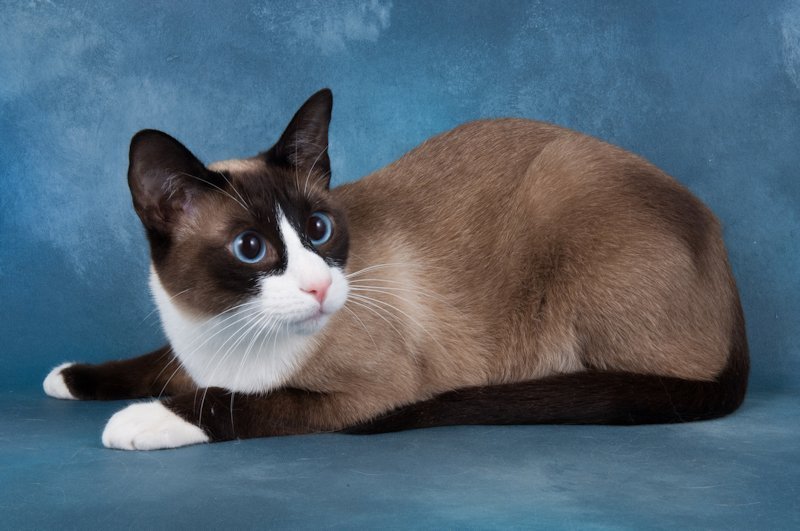
- Origin: United States (Philadelphia)
- Time of Origin: 1960s
- TICA Recognition: 1983 (full championship status)
- CFA Recognition: 1994 (championship status)
- Lifespan: 12–15 years (sometimes longer)
- Weight: Females: 5.5–10 lbs, Males: 9–12 lbs
- Temperament: Affectionate, intelligent, playful, social, and vocal (but quieter than Siamese)
- Grooming: Minimal (short coat)
- Activity Level: Moderately high
The Detailed History of the Snowshoe Breed
The story of the Snowshoe breed began quite by accident in Philadelphia, Pennsylvania, in the 1960s. The breed’s founder is considered to be Dorothy Hinds-Daugherty, a Siamese cat breeder. One day, a litter from her Siamese cat produced three kittens with an unusual trait: white “socks” on their paws. This feature, though considered a fault in purebred Siamese cats, so enchanted Dorothy that she decided to try and breed for it.
To create the new breed, Dorothy began crossing Siamese cats (who carried the colorpoint gene and elegant look) with American Shorthair cats, specifically bicolors, to introduce the white spotting gene responsible for the “snowshoes” and add a more substantial body type. Her main goal was to produce a cat with the Siamese’s “seal point” coloring (dark brown markings), blue eyes, and four white paws.
Initially, progress was slow, and interest in the new breed was low. Dorothy even temporarily stopped her breeding program. However, another enthusiast, Vikki Olander, took up her work. It was Olander who wrote the first Snowshoe breed standard in 1977 and made significant efforts to popularize and officially recognize the breed.
Achieving consistency in passing down the desired traits—especially the symmetrical white markings—proved difficult due to the combination of recessive genes and incomplete dominant genes. Nevertheless, thanks to the persistence of breeders, the breed gradually gained popularity. The International Cat Association (TICA) granted the Snowshoe experimental status in 1974, and full recognition with championship status came in 1983. The Cat Fanciers’ Association (CFA) recognized the breed later, granting it championship status in 1994. In Europe, European Shorthairs and Siamese cats were also used in breeding to expand the gene pool. If you’re interested in other unique breeds, be sure to check out the exotic Savannah cat.
Today, the Snowshoe is a recognized, though not overly common, breed, valued for its unique combination of beauty, intelligence, and a wonderfully friendly personality.
What a Snowshoe Looks Like: Detailed Appearance

The Snowshoe is a medium-sized cat that blends the sturdy build of the American Shorthair with the elegance of the Siamese. The body is well-balanced and athletic—a “semi-foreign” type—not as long and slender as a Siamese, but not as stocky as a typical shorthair. Its muscles are well-developed, but not bulky. The back can have a slight arch. The overall impression is one of strength and agility.
Key Snowshoe Appearance Characteristics:
- Head: The head is a broad, modified wedge shape with soft contours, sometimes described as “apple-shaped.” The cheekbones are high. The muzzle is medium length, not pointed or square. The chin is firm.
- Ears: Medium to large, wide at the base, with slightly rounded tips. They continue the line of the head’s wedge.
- Eyes: Always blue; any other eye color is a disqualifying fault. They are large, oval or walnut-shaped, and set slightly slanted. The gaze is expressive and intelligent.
- Body: Medium in length, sturdy, and muscular, yet graceful. The chest is broad.
- Legs and Paws: The legs are proportionate to the body, not too thin. The paws are oval and medium-sized. The most characteristic feature is the white “snowshoes.” Ideally, the white on the front paws extends to the ankle (“gloves”), and on the back paws to the hock (“boots”). However, symmetry and clear markings are the most challenging elements to breed for, so a great deal of variation is allowed: from barely noticeable white toes to high “stockings.”
- Tail: Medium thickness at the base, tapering to a point. The length is proportional to the body.
- Coat: Short, sleek, and shiny, lying close to the body. It has a minimal undercoat or none at all, so it feels springy but not plush to the touch.
- Color and Pattern: Snowshoes have a colorpoint pattern, inherited from their Siamese ancestors. This means the main body color is lighter, while the face, ears, legs, and tail (the points) are darker. The recognized point colors are seal point (dark brown) and blue point (gray-blue). The body is typically an ivory or pale fawn shade that darkens with age.
Key White Markings (by standard):
- Face: An inverted white “V” shape is required, starting at the forehead and widening down over the nose and muzzle. An ideal “V” is symmetrical.
- Paws: White “snowshoes” on all four paws. As mentioned, their height and symmetry can vary, but a complete lack of white on one or more paws is considered a fault.
- Other White Markings: Small white patches on the chest or belly are permitted.
It’s important to note that Snowshoe kittens are born completely white. The points and white markings begin to appear gradually over the first few weeks of life, and the final coat color develops up to 1-2 years of age.
Snowshoe Physical Characteristics at a Glance
| Characteristic | Description |
| Size | Medium |
| Weight | Females: 5.5–10 lbs, Males: 9–12 lbs |
| Body Type | Moderate (Semi-Foreign), athletic, well-balanced |
| Head | Modified wedge, high cheekbones, soft contours |
| Eyes | Large, oval/walnut-shaped, only blue |
| Ears | Medium to large, wide at the base, slightly rounded |
| Coat | Short, sleek, dense, shiny, minimal undercoat |
| Coloring | Colorpoint (Seal, Blue) with white markings |
| White Markings | Inverted “V” on the face, white “snowshoes” on the paws (height varies) |
| Tail | Medium length, tapers to a point |
| Lifespan | 12–15+ years |
Snowshoe Temperament and Behavior
A Snowshoe is a true treasure for anyone seeking not just a beautiful pet, but an incredibly social and loving friend. Their personality is often described as a perfect balance between playful energy and gentle affection. They inherited the intelligence and curiosity of their Siamese ancestors but typically have a softer, more melodic voice and a slightly calmer disposition than their more boisterous relatives. For a different but equally striking look, check out the Serengeti cat.
Key Snowshoe Personality Traits:
- People-Oriented: These cats love to be with their owners. They’ll follow you from room to room, “help” with every task, greet you at the door, and sleep right by your side. Snowshoes form deep bonds with their families and need daily attention and interaction.
- Hate Being Alone: Leaving a Snowshoe alone for long periods is a bad idea. They can become lonely, bored, anxious, or even destructive. If you spend a lot of time away from home, a Snowshoe may not be the right fit, or you might consider getting a companion for them, like another cat or a dog.
- Sociable: They generally get along well with children (as long as the child is respectful) and other pets, including dogs. Early socialization helps them develop friendly relationships.
- Playful and Active: Snowshoes maintain their playful nature well into adulthood. They love interactive games, chasing toys, climbing cat trees, and exploring every corner of the house. Many of them love to play fetch.
- Intelligent and Clever: These are very smart cats. They learn quickly, easily picking up on house rules (and just as easily finding ways to bend them!). Don’t be surprised if your Snowshoe learns to open doors, cabinets, or even faucets. Their minds need stimulation through games and puzzle toys.
- Vocal: Snowshoes love to “talk,” but their voice is usually softer and more melodic than a Siamese cat’s. They use a wide range of sounds to communicate with their humans, expressing requests, greetings, or just commenting on events.
- Love of Water: Unlike most cats, many Snowshoes show a keen interest in water. They might play with a running faucet, bat toys around in their water bowl, or even try to join you in the shower or bath.
- Curious: They need to know everything and stick their noses everywhere. Any new item in the home will be thoroughly investigated. They also love to observe things from high places, so cat trees or access to shelves will be much appreciated.
Overall, the Snowshoe is an active, intelligent, and incredibly devoted companion that will become a full-fledged family member. Their affectionate nature and need for interaction make them an excellent choice for people willing to give their pet plenty of time and attention.
Snowshoe Health: Common Issues and Prevention
No one has studied this small breed systematically, so no list of hereditary diseases exists for it — that is a gap in the data, not evidence of health. Ask the breeder for the parents’ test results. This is partly due to their origins from crossing two different breeds (outcrossing), which promotes genetic diversity and reduces the risk of specific diseases common in purebred lines.
However, like any breed, they are not immune to general feline ailments and a few potential issues that can be passed down from their parent breeds:
- Cosmetic Flaws: Due to their Siamese heritage, Snowshoes can sometimes display traits like slight crossed eyes (strabismus) or tail kinks. These features usually don’t affect the cat’s health and are only a cosmetic fault that doesn’t meet the breed standard for show cats.
- Dental Issues: Like many other cats, Snowshoes can be prone to gum disease (gingivitis) and tartar buildup. Regular dental care is important for prevention.
- General Feline Diseases: Snowshoes are susceptible to the same diseases as other domestic cats, including viral infections (calicivirus, rhinotracheitis, panleukopenia), bacterial infections, urinary tract and kidney problems (especially in older age), and obesity if improperly fed and not active enough.
Prevention is the key to a long and healthy life for your Snowshoe:
- Regular Vet Check-ups: Annual visits to the vet for an examination and vaccinations are a must. For older cats (after 7-8 years), twice-yearly check-ups are recommended.
- Vaccinations: Following a vaccination schedule will protect your pet from dangerous infectious diseases.
- Parasite Prevention: Regular treatment for fleas, ticks, and worms according to your vet’s recommendations.
- Balanced Diet: Feeding a high-quality, balanced food appropriate for your cat’s age and activity level will help maintain an optimal weight and prevent many health issues.
- Dental Care: Regularly brushing your cat’s teeth (a few times a week) with a special cat toothbrush and paste, as well as using dental treats or food, can help prevent gum and tooth problems.
- Creating a Safe Environment: Securing your home from potential dangers (toxic plants, chemicals, small objects they can swallow).
With proper care and attention to their health, your Snowshoe cat can live a long and happy life, bringing you joy for 12-15 years, and sometimes even longer.
Preventive Health Care for Snowshoes
| Procedure | Recommended Frequency | Purpose |
|---|---|---|
| Veterinary Exam | Annually (up to 7 years), twice a year (after 7 years) | General health check, early detection of problems |
| Vaccinations | According to vet’s schedule | Protection against major infectious diseases |
| Deworming | Every 3–6 months (depending on risk) | Prevention and treatment of internal parasites |
| Flea and Tick Treatment | Monthly or as per product instructions | Prevention of external parasites and the diseases they carry |
| Dental Care (brushing) | Several times a week (ideally daily) | Prevention of tartar, gingivitis, and periodontal disease |
| Weight Control | Ongoing | Prevention of obesity and related diseases (diabetes, arthritis) |
How to Care for a Snowshoe Cat?
Caring for a Snowshoe is straightforward, which is another advantage of the breed. Their short coat, robust health, and social nature make them relatively easy pets to care for. However, some aspects require regular attention.
Snowshoe Coat Care
A Snowshoe’s coat is short, sleek, and has almost no undercoat. This means they shed significantly less than long-haired breeds or those with dense undercoats. However, regular grooming is still necessary:
- Brushing: It’s enough to brush your cat 1-2 times a week to remove dead hair, distribute skin oils (which adds shine), and prevent matting (though this is rare for them). A rubber grooming mitt or a soft-bristled brush works well. Many cats enjoy this routine as a pleasant massage.
- Bathing: You only need to bathe a Snowshoe when necessary (e.g., if they get very dirty). Given their potential love of water, bathing might be easier than with other breeds. Use a special cat-safe shampoo.
Hygiene Procedures
- Dental Care: As mentioned, Snowshoes are prone to dental issues. Regular teeth brushing (a few times a week) with a special cat toothpaste and brush is the best prevention. If you start this routine when they are kittens, it will become a familiar habit.
- Nail Trimming: Trim their nails every 2-3 weeks using cat nail clippers to prevent ingrown nails and reduce damage to your furniture. Be sure to provide a scratching post (or several different types) for them to sharpen their claws.
- Ear Care: Regularly (once every week or two) check their ears for dirt, redness, or a bad odor. Clean ears only when necessary, using a vet-recommended ear cleaner and a cotton ball or gauze pad. Never use cotton swabs, as you could damage the eardrum.
- Eye Care: Snowshoe eyes usually don’t need special care. If you notice minor discharge in the corners of their eyes, you can gently wipe it away with a soft cloth or cotton ball moistened with warm, boiled water or a special eye cleaner. If the discharge is heavy, pus-like, or the eyes are red, contact your vet.
Creating a Comfortable Environment
Since Snowshoes are very social and active, it’s important to provide them with a suitable environment:
- Attention and Interaction: This is the most crucial aspect of their care. Dedicate time each day for play, petting, and “conversation.”
- Toys and Entertainment: Provide a variety of toys: balls, toy mice, wand toys, interactive toys, and puzzles to stimulate their minds and satisfy their need for activity.
- Climbing and Rest Areas: Snowshoes love heights. A cat tree, shelves, or access to a windowsill will be much appreciated. Also, provide cozy spots for them to sleep and relax.
- Clean Litter Box: Snowshoes, like most cats, are very clean. Clean the litter box regularly (ideally daily) to avoid unpleasant surprises outside the box.
Training and Socialization
Thanks to their high intelligence and desire to interact with people, Snowshoes are quite easy to train and socialize. They quickly understand what’s expected of them, especially if training is done through play and positive reinforcement.
- Learning Commands and Tricks: A Snowshoe can be taught simple commands (“sit,” “come”), to fetch toys, give a paw, and even walk on a leash. Use positive reinforcement methods—treats, praise, and play. Sessions should be short (5-10 minutes) and regular so the cat doesn’t lose interest.
- Leash Training: If you plan to take your cat for walks, start acclimating them to a harness and leash as early as possible. Gradually increase the time they wear the harness at home before venturing outside.
- Behavior Correction: Instead of punishing unwanted behavior (like scratching furniture), redirect the cat’s attention to approved objects (the scratching post) and praise them for correct actions. Provide enough mental stimulation to prevent boredom, which is often the cause of problem behaviors.
- Early Socialization: It’s very important to introduce a Snowshoe kitten to different people, sounds, situations, and other animals (if you have them or plan to) at an early age (before 4 months). This will help them grow into a confident, calm, and friendly cat that adapts easily to change.
Remember that a Snowshoe’s cleverness can be a double-edged sword: they will quickly learn not only tricks but also how to manipulate you or open forbidden cabinets. Consistency and patience are key to raising this smart breed.
Snowshoe Diet: Key Recommendations
Snowshoes are generally not very picky eaters, but to support their health, energy, and good looks, it’s important to provide them with a high-quality and balanced diet. Want to learn about more cat breeds and how to care for them? Check out these pages on the graceful Birman and the unique Siamese cat.
- Choosing Food: The best choice is a high-quality commercial food (dry or wet) of a premium, super-premium, or holistic class. Choose food that matches the cat’s age (kitten, adult, senior) and activity level. Pay attention to the ingredients: the first one should be a meat ingredient (chicken, turkey, fish, beef), not grains or by-products of unspecified origin.
- Dry vs. Wet Food: Both types have their advantages. Dry food is convenient to store and helps clean teeth of plaque. Wet food contains more water, which is important for preventing urinary tract issues, and is usually more appealing to cats in taste and smell. Many owners practice mixed feeding.
- Natural/Raw Feeding: If you choose a natural diet, the menu must be carefully balanced by a veterinary nutritionist to avoid nutrient deficiencies or excesses. It should include meat (cooked or frozen), organs, a small amount of vegetables, and sources of calcium and vitamins. Feeding human table scraps is strictly prohibited.
- Feeding Frequency: Kittens are fed 3-4 times a day, and adult cats 2 times a day (morning and evening). It’s important to stick to the recommended feeding guidelines on the food packaging and adjust them based on the cat’s weight and activity level to prevent weight gain.
- Access to Water: Your cat should always have fresh, clean drinking water available. It’s best to place the water bowl away from the food bowl. Some Snowshoes enjoy drinking running water, so a cat fountain can be a great solution.
- What to Avoid:
- Milk: Most adult cats are lactose intolerant, so milk can cause digestive upset. If you want to give a dairy product, offer a small amount of fermented products (low-fat kefir, plain yogurt).
- Raw Freshwater Fish: Can contain parasites and an enzyme called thiaminase, which destroys vitamin B1.
- Fatty Meat, Poultry Skin, Bones: Can cause digestive problems, pancreatitis, and bones can injure the esophagus or intestines.
- Chocolate, Onions, Garlic, Grapes, Raisins: These are all toxic to cats.
- Changing Food: If you decide to change their food, do it gradually over 7-10 days, daily increasing the portion of the new food and decreasing the old, to avoid digestive upset.
Proper nutrition is the foundation of your Snowshoe’s health and longevity.
Pros and Cons of the Snowshoe Breed
Before getting a Snowshoe cat, it’s worth weighing all the pros and cons to make sure this breed fits your lifestyle and expectations.
Pros:
- Incredibly affectionate and devoted: They love their owners and crave human company.
- High intelligence: They learn easily, are clever, and can read a person’s mood.
- Playful and active nature: They stay energetic and love to play throughout their lives.
- Gets along well with kids and other pets: With proper socialization, they make excellent family pets.
- Easy coat care: Their short coat requires minimal brushing.
- Unique and attractive appearance: A beautiful combination of Siamese grace and white “snowshoes.”
- A relatively quieter voice than Siamese cats: Their meow is more melodic and less demanding.
- Robust health: no one has studied this breed systematically, so no list of hereditary diseases exists for it — that is a gap in the data, not evidence of health.
Cons:
- Very needy for attention: They handle loneliness poorly and can suffer from separation anxiety.
- Vocal: Though quieter than a Siamese, they still love to “talk.”
- Inventive: They can learn to open doors and cabinets, which may require extra safety measures.
- Difficult to breed to standard: Achieving the ideal white marking pattern is challenging due to complex genetics, making show-quality cats rare and pricey.
- Needs activity and stimulation: If they get bored, they can exhibit destructive behavior.
- Prone to curiosity: Their curious nature can lead them into trouble as they explore forbidden places.
Comparing the Snowshoe to Ancestor and Similar Breeds
To better understand the uniqueness of the Snowshoe, it’s helpful to compare them to the breeds involved in their creation (Siamese, American Shorthair) and a breed with similar white “socks” (the Birman).
| Trait | Snowshoe | Siamese Cat | American Shorthair | Birman |
|---|---|---|---|---|
| Origin | USA (1960s) | Thailand (Siam) | USA (from Europe) | Burma/France |
| Body Type | Moderate (Semi-Foreign), athletic | Oriental (slender, long, tubular) | Sturdy, stocky (cobby), muscular | Semi-longhaired, sturdy, but not stocky |
| Coat | Short, sleek, dense | Short, fine, close-lying | Short, dense, somewhat harsh | Semi-long, silky, no undercoat |
| Head | Modified wedge, “apple-shaped” | Long wedge, straight profile | Rounded, broad muzzle | Rounded, broad, “Roman” nose |
| Eyes | Blue, large, oval/walnut-shaped | Blue, almond-shaped, slanted | Large, round, color depends on coat | Blue, nearly round, deep-set |
| White “Socks” | Required, height and symmetry vary, white “V” on face | Absent | Absent (except in bicolor patterns) | Required, symmetrical white “gloves” on front paws and “laces” on back |
| Voice | Melodic, medium volume | Loud, expressive, distinctive tone | Quiet | Quiet |
| Temperament | Affectionate, intelligent, playful, social, needs a lot of attention | Demanding, very intelligent, vocal, loyal to one person | Calm, gentle, easygoing, independent | Gentle, calm, playful, not very demanding |
Fun Facts About the Snowshoe Breed
- Accidental Creation: The breed didn’t result from a targeted program but from a random mutation in a litter of Siamese kittens.
- The Breed’s Name: “Snowshoe” directly refers to the cat’s characteristic white paws.
- Unique Pattern: The pattern of white markings (the “V” shape on the face and the height of the “snowshoes”) is unique to each Snowshoe cat, much like human fingerprints.
- Born White: Snowshoe kittens are born completely white. The dark points and white markings only begin to appear after a few days or weeks.
- Water Lovers: Many Snowshoes display an unusual love for water—they might play with a running faucet, step into a sink full of water, or even swim.
- “Clever Thieves”: Their intelligence and curiosity often lead them to independently open doors, cabinets, and drawers in search of food or entertainment.
- Tricky Breeding: It is very difficult to produce kittens that perfectly match the breed standard for white markings due to the complex genetics of white spotting.
Frequently Asked Questions About the Snowshoe (FAQ)
Do Snowshoe cats shed a lot?
No, Snowshoes shed moderately. Their short coats have almost no undercoat, so the amount of hair they lose is significantly less than many other breeds. Regular brushing (1-2 times a week) helps keep shedding under control.
Are Snowshoe cats noisy?
They are more vocal than the average cat and love to communicate with their owners using a variety of sounds. However, their voice is usually softer and more melodic than their Siamese ancestors and not as loud or demanding.
Are Snowshoes good for apartment living?
Yes, Snowshoes adapt well to apartment living, provided they receive enough attention, active playtime with toys, and places to climb (like a cat tree). Their need for human companionship is more important than the size of their living space.
How long do Snowshoe cats live?
With proper care and nutrition, Snowshoes typically live for 12-15 years, and some individuals can reach 18-20 years.
Do Snowshoes require special care?
No, they do not require special care. The main aspects of their care include regular brushing, standard hygiene routines (nails, ears, teeth), high-quality nutrition, annual vet visits, and most importantly, plenty of love and attention from their owner.
Do Snowshoes get along well with children?
Yes, Snowshoes are typically very patient and playful with children, especially if they grow up together. It’s important to teach children to respect the cat’s personal space and handle them gently.
Can I leave a Snowshoe alone for long periods?
No, this is highly discouraged. Snowshoes are very social cats who suffer from loneliness. If you spend a lot of time away from home, this breed may not be the right fit for you, or you should consider getting a second pet for companionship.
- Affectionate, “dog-like”, devoted
- Clever, easy to train, playful
- Striking white “snowshoes” and blue eyes
- Quieter than the Siamese, loves water
- Cannot bear solitude — needs company
- Vocal and demanding of attention
- A limited gene pool (a rare breed)
- A tendency to the hereditary diseases of the Siamese
| Siamese Cat | Ragdoll | American Shorthair | |
|---|---|---|---|
| Weight | 3–5 kg | 4.5–9 kg | 3.5–7 kg |
| Energy | 4.5 | 3 | 3.5 |
| Apartment | 5 | 5 | 5 |
| Beginners | 3 | 4.5 | 4.5 |
Where do the Snowshoe's white “boots” come from?
Is the Snowshoe noisy?
Can the Snowshoe be left alone?
TICA / WCF standards (Snowshoe)
For apartments · For kids · For beginners · Most affectionate · Quietest · Hypoallergenic · All rankings →