

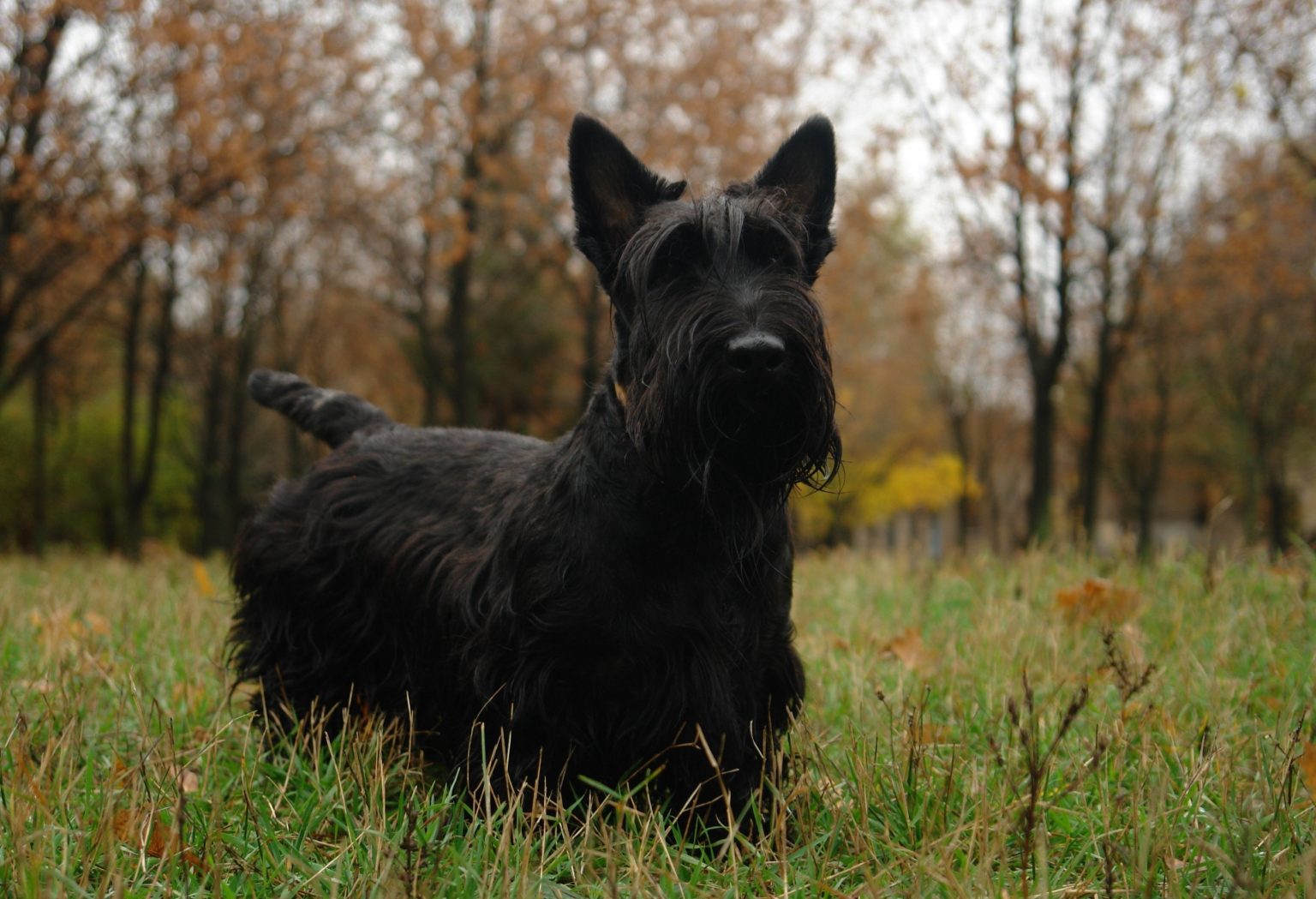
| Height | 25–28 cm |
| Weight | 8–10 kg |
| Lifespan | 11–13 years |
| FCI group | 3 · terriers |
| Origin | Scotland |
Exact ratings
- Von Willebrand disease (bleeding)
- "Scottie cramp" (muscle spasm)
- Bladder cancer (a predisposition)
- Craniomandibular osteopathy
- Skin disease
A quality food, with weight control. Regular stripping of the coat; with a tendency to bleeding (vWD), caution before surgery.
The Scottish Terrier (Scottie) is a true gentleman of the canine world: reserved, self-assured, and full of dignity. Despite their small size, these dogs have the character of a great warrior, inherited from their hunting ancestors. Today, the Scottie is primarily a companion dog, although they have not lost their working qualities. This breed has a unique combination of traits that make it ideal for some owners and completely unsuitable for others, and you can read more about it on Tvaryny.
These dogs are especially well-suited for young couples without children, or families whose children are old enough to understand the need for respectful behavior toward an animal. Scotties aren’t keen on noisy children’s games and demand to be treated with respect. At the same time, Scottish Terriers are wonderful companions for older and busy people. While they enjoy long walks and games, they are perfectly capable of quietly spending the entire day at home, waiting for their owner. And generally, the furniture and belongings in the house don’t suffer. They also make an excellent watchdog, always giving a timely warning with their loud bark when strangers approach.
Key Characteristics of the Scottish Terrier Breed
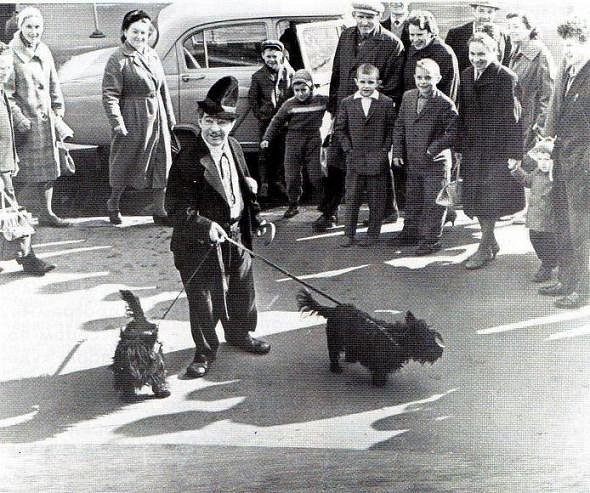
| Origin | Great Britain (Scotland) |
| Year of Breed Recognition | 1882 |
| Lifespan | 12-15 years |
| Height at the Withers | 25-28 cm |
| Weight | 8.5-10.5 kg |
| FCI Group | Group 3 (Terriers), Section 2 (Small Terriers) |
| Temperament | Independent, confident, brave, loyal, intelligent |
| Exercise Needs | Medium (daily walks) |
| Trainability | Medium (requires patience due to stubbornness) |
| Coat Care | High (requires regular stripping and brushing) |
| Attitude to Children | Reserved, better for families with older children |
| Attitude to Other Animals | Can be confrontational, requires early socialization |
History of the Scottish Terrier
The history of the Scottish Terrier is deeply rooted in the harsh and picturesque landscapes of the Scottish Highlands. The first mentions of small, wiry-haired terriers from this area date back to the 16th century. These dogs, then generally called “earth dogges,” were used to hunt small burrowing animals like foxes, badgers, otters, and rodents. Their compact size, strong jaws, and incredible courage allowed them to enter underground tunnels and fearlessly engage in battle with an opponent often larger than themselves.
For a long time, there was confusion in the classification of Scottish Terriers. Under the general name “Scotch Terrier,” several different breeds were combined, including the ancestors of the modern Skye Terrier, Cairn Terrier, and West Highland White Terrier. All came from the same region and had a similar purpose. It was only in the second half of the 19th century that cynologists began to work purposefully on separating these types into distinct breeds. The breeding center for the “pure” Scottish Terrier became the city of Aberdeen, which is why the breed was for some time called the Aberdeen Terrier.
A key figure in the establishment of the breed was Captain Gordon Murray, who in the 1870s presented his dogs at an exhibition in England. In 1879, Scottish Terriers first took part in an official dog show, and by 1882, the first breed club was formed and its official standard was developed. This was the starting point for the growth of the Scottie’s popularity worldwide. Their unique appearance and lively character attracted not only hunters but also the aristocracy and bohemians. A special role in popularizing the breed was played by the 32nd US President, Franklin D. Roosevelt, whose favorite, a Scotch Terrier named Fala, became a true national celebrity.
What the Scottish Terrier Looks Like: The Breed Standard
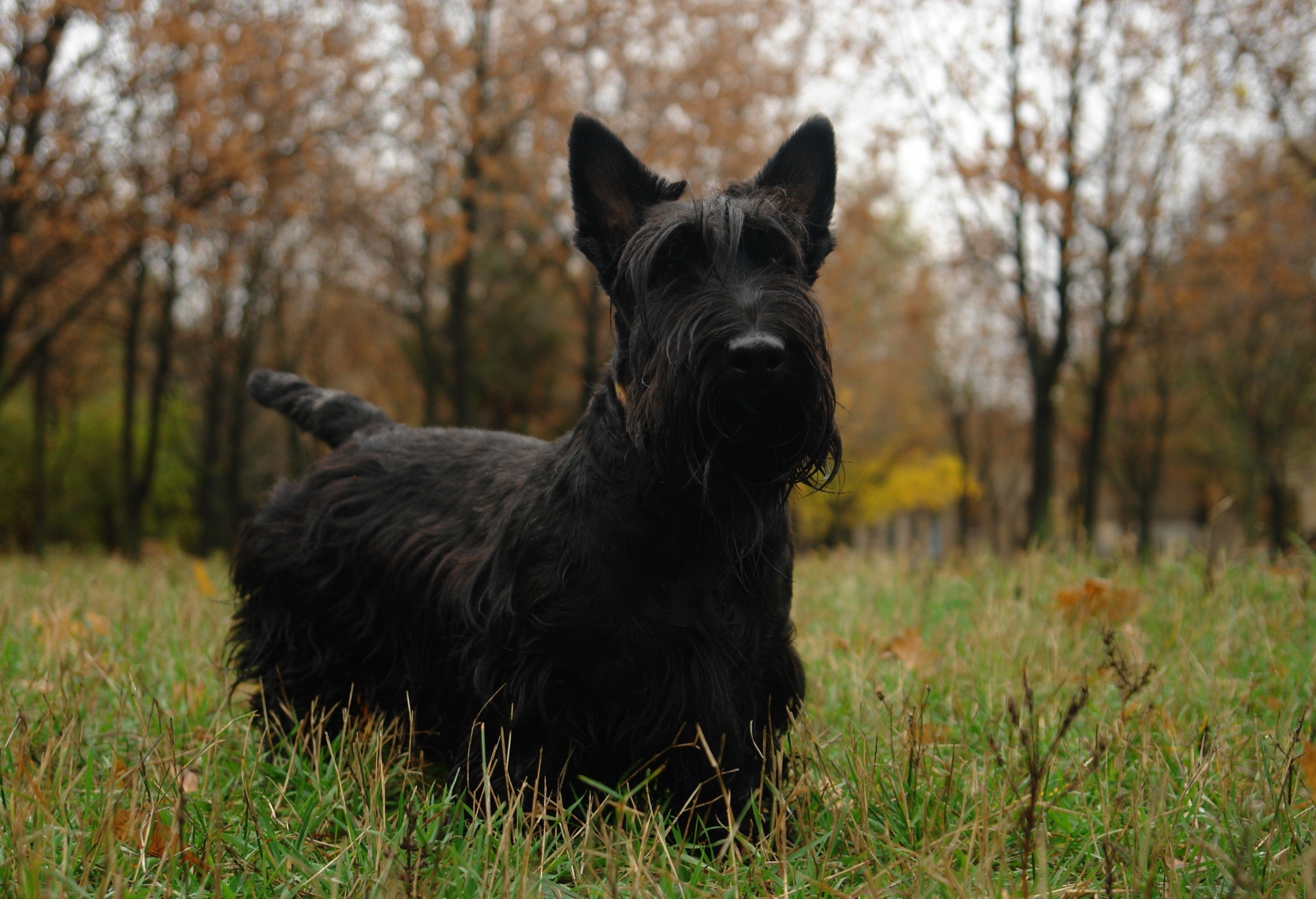
The Scottish Terrier is a dog whose appearance cannot be mistaken for any other breed. They give the impression of a large dog in a small body: stocky, short-legged, with a disproportionately long head and an expressive gaze from beneath thick eyebrows.
- Head: Long, but proportional to the size of the dog. The skull is flat, with a barely noticeable stop. The muzzle is strong, deep, and well-filled under the eyes. A large, black nose is a mandatory feature. A characteristic trait is the thick “mustaches” and “beard” that give the face a stern and determined expression.
- Eyes: Almond-shaped, dark brown, almost black. They are deep-set and wide apart. The look is intelligent, piercing, and brave.
- Ears: Small, refined, erect, and pointed at the tips. They are set high on the skull and give the dog a constantly alert appearance.
- Body: Compact and muscular. The neck is of medium length and muscular. The chest is broad and deep, well-dropped between the front legs. The back is short, straight, and strong.
- Limbs: Short, strong, and bony. The front paws are larger than the hind paws, which is an adaptation for digging.
- Tail: Medium length (about 18 cm), thick at the base and tapering to the end. The dog holds it vertically or with a slight curve. The tail is never docked.
A Scottie’s coat is double: a hard, wiry, and dense outer coat and a short, soft, and dense undercoat. This “armor” reliably protects the dog from bad weather and animal bites. The coat is shorter on the body, but on the legs, lower body, and muzzle, it forms a long “skirt,” “mustaches,” and “beard.”
| Color | Description |
|---|---|
| Black | The most common and classic color. A rich, coal-black color without any variations. |
| Brindle | A mixture of black, gray, silvery, and reddish hairs, creating a striped or mottled effect. Can be in various shades, from light to dark. |
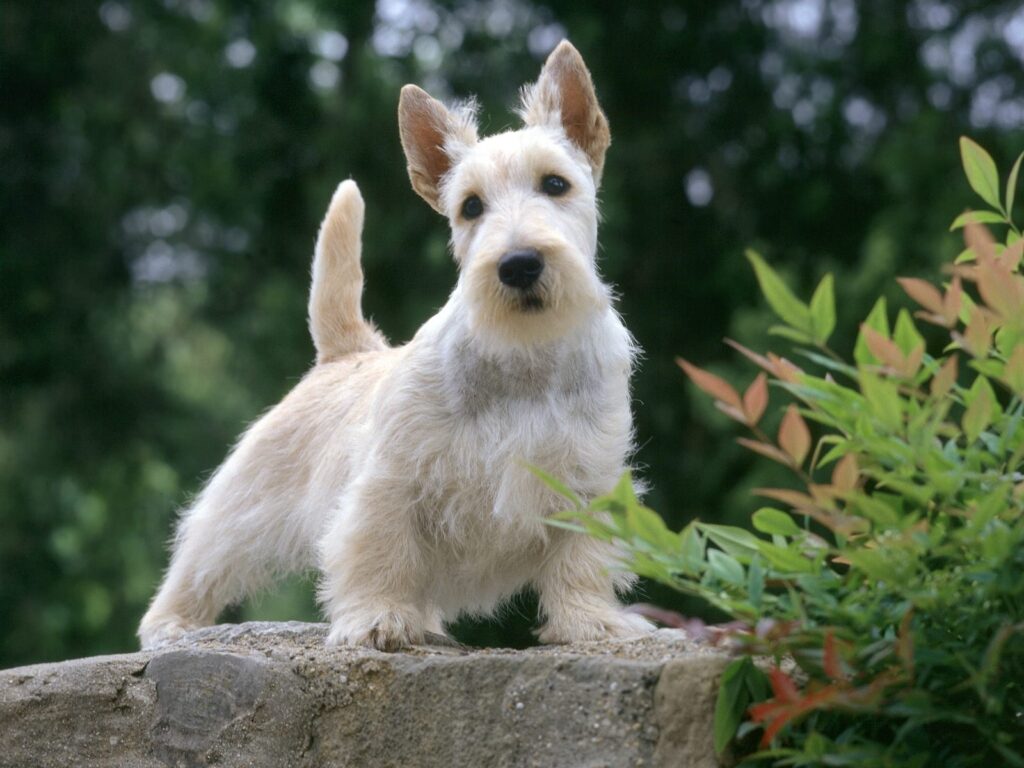
| Wheaten | Shades from light cream to rich reddish. This is a recessive color, so it is less common. |
Character: Temperament and Behavior of the Scotch Terrier
The Scottish Terrier’s character is a unique blend of traits often described by the phrase “Diehard.” This is a dog with a huge sense of self-worth, independent, and at times stubborn. They won’t look at you with pleading eyes, expecting approval. A Scottie knows their worth and demands respect. At the same time, behind this external reserve hides a boundlessly loyal heart. They form a deep bond with their family, although they may not show it with boisterous emotions. Their love is expressed in quietly following their owner from room to room and being ready to defend them at any moment.
A Scotch Terrier is suspicious and cautious with strangers. They are not aggressive without reason, but they also won’t rush to make friends with the first person they meet. This makes them an excellent watchdog who will always alert you to the arrival of guests. Their hunting past has left a strong mark on their behavior: Scotties have a very highly developed prey drive. Any small animal—a cat, a squirrel, a hedgehog—is seen as potential quarry. This is why it’s important to keep them on a leash in unfenced areas. A terrier’s instincts compel them to pursue prey, and in that passion, they may not hear their owner’s commands.
Relationships with other dogs can be complicated. A Scotch Terrier is prone to dominance and will not tolerate disrespect from other dogs, even if they are much larger. They will never start a fight but are always ready to accept a challenge. Early and proper socialization is extremely important for developing appropriate behavior. Despite their seriousness, Scotties can be playful and comical, especially when young. They love games but not endless running around. They need intellectual stimulation, so puzzle toys are a great choice. When compared to other terriers, such as the more sociable Sealyham Terrier, a Scottie appears more independent and self-sufficient. In contrast to a working dog like the Swiss Hound, which works closely with its handler, a terrier caught up in the chase might simply ignore commands.
Pros and Cons of the Scottish Terrier Breed
| Pros (+) | Cons (-) |
|---|---|
| Family loyalty. Forms a strong bond with its owner. | Stubbornness and independence. Can be difficult to train. |
| Excellent watchdog. Always warns of danger. | High coat care needs. Requires professional stripping. |
| Adaptability. Does well in both apartments and houses. | Strong prey drive. May chase small animals. |
| Compact size. Convenient for city living. | Prone to dominance. Can be confrontational with other dogs. |
| Low shedding. With proper care, they barely shed. | Not the best choice for families with small children. Dislikes being handled roughly. |
| Courage. A fearless protector despite their size. | Prone to barking. Can be “talkative.” |
Health: Common Diseases and Prevention
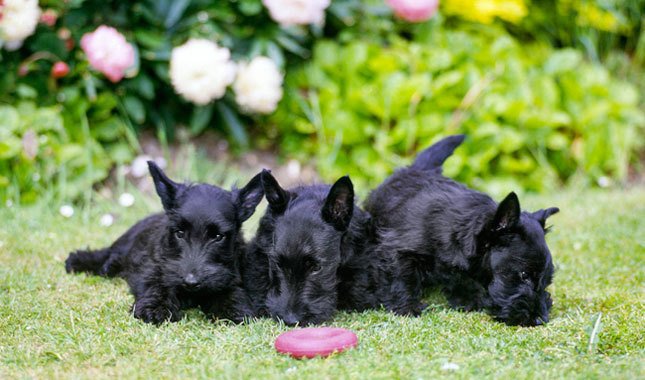
Scottish Terriers are generally a robust and resilient breed with a strong immune system. With proper care, they can live a long and happy life. However, like many other purebred dogs, they have a predisposition to certain genetic diseases. It’s important to be aware of these risks to recognize symptoms in time and consult a vet.
- Scottie Cramp: This is a breed-specific condition that manifests as muscle spasms during stress or high excitement. The dog may arch its back and tuck its legs, and its gait becomes stiff. It is important to know that this condition does not cause pain and is not a form of epilepsy. An episode passes on its own when the dog calms down. Treatment is usually not needed; avoiding excessive emotional distress is sufficient.
- Von Willebrand’s Disease: A hereditary condition related to a blood clotting disorder. Symptoms include frequent nosebleeds, bleeding gums, and prolonged bleeding after injuries or surgery. A test for this disease is recommended before any surgical procedures.
- Craniomandibular Osteopathy (CMO or “Lion Jaw”): A disease that appears in puppies at 3-6 months of age. It is characterized by abnormal bone growth on the lower jaw and skull, causing pain when chewing and opening the mouth. The process usually stops after the dog reaches maturity. Treatment is symptomatic, aimed at pain relief.
- Allergies: Scotties are prone to skin allergies (atopy), which can be caused by food, plant pollen, or household chemicals. They manifest as itching, skin redness, and hair loss. It is important to choose the right diet and care regimen.
- Cancers: Unfortunately, Scottish Terriers have an increased risk of developing certain types of cancer, particularly bladder cancer (transitional cell carcinoma). It’s important to monitor for any changes in urination and have regular check-ups with a vet, especially in old age.
Prevention of diseases includes regular veterinary check-ups, timely vaccinations, a balanced diet, sufficient physical exercise, and responsibly choosing a puppy from a reputable breeder who tests their dogs for genetic diseases.
How to Care for a Scottish Terrier’s Coat
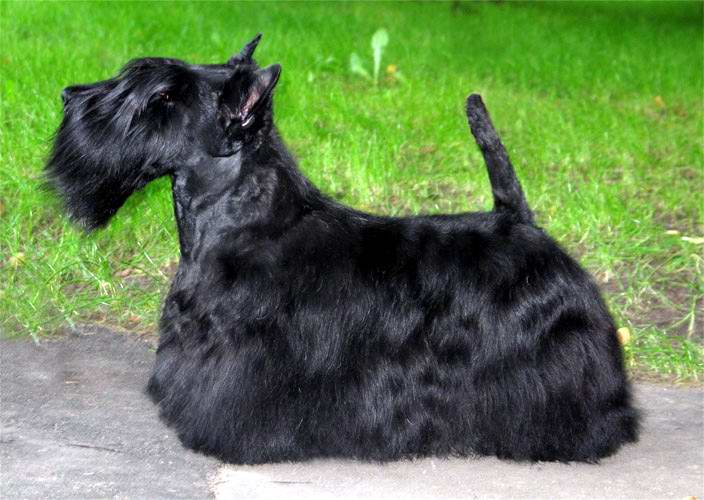
Caring for a Scottish Terrier’s coat is the most challenging aspect of owning this breed, requiring time, effort, and financial investment. Their wiry coat does not shed in the usual sense but requires regular procedures to maintain its healthy condition and breed-specific appearance.
Key Care Procedures:
- Brushing: The coat should be thoroughly brushed 2-3 times a week with a metal comb and brush. This helps remove dead hair, prevent matting (especially on the “skirt” and “beard”), and stimulates blood circulation in the skin.
- Stripping: This is a manual procedure of plucking out the dead outer coat hair. Stripping is what preserves the correct wiry structure of the coat and its rich color. It is performed 2-4 times a year. This procedure is best entrusted to a professional groomer who is familiar with the breed’s specifics.
- Clipping: Owners who do not participate in shows often choose clipping with an electric clipper as an alternative to stripping. It is simpler and less expensive. However, it’s worth knowing that after clipping, the coat loses its wiriness, becomes softer, may change color (e.g., black becomes grayish), and loses its protective properties.
- Bathing: A Scottie should be bathed as needed, usually no more than once a month or when they get very dirty. Use only special shampoos for wiry-haired dogs. After a walk, it’s often enough to just wash their paws and “beard.”
- Beard Care: After each meal, the “beard” and “mustaches” should be wiped with a damp cloth or washed to avoid food residue and unpleasant odors.
In addition to coat care, don’t forget about regular nail trimming (1-2 times a month) and cleaning their ears and eyes. It is also important to maintain oral hygiene to prevent tartar build-up.
Training and Socialization
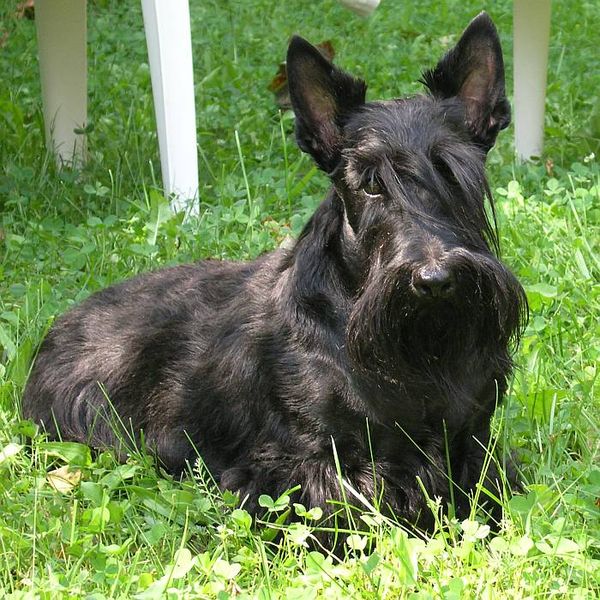
Training a Scottish Terrier is a challenge that requires patience, consistency, and a sense of humor from the owner. They are very intelligent dogs who grasp commands quickly, but their innate stubbornness and independence often make them question: “What’s in it for me?”
Key Principles of Scottie Training:
- Start Early: Socialization and basic training should begin from the first days in the new home. Introduce them to various people, sounds, places, and calm dogs.
- Be the Leader: A Scottie must clearly understand who is in charge. Set clear rules and boundaries and never allow a puppy to do something that will be forbidden for an adult dog.
- Use Positive Reinforcement: Harshness, shouting, and physical punishment are absolutely unacceptable. Scotties are very sensitive and hold grudges. The best results come from positive reinforcement—praise, treats, and toys.
- Training sessions should be short and interesting: Monotonous repetition of commands will quickly bore a terrier. Keep sessions short (10-15 minutes) and varied.
- Managing Barking: Scotties are prone to barking, so teach them the “Quiet!” command from a young age.
- Leash Training: Due to their strong prey drive, a Scotch Terrier should only be let off the leash in a well-fenced area. Unlike hunting breeds such as the Swiss Hound, which works closely with its handler, a terrier caught up in a chase might simply ignore commands.
Nutrition: Key Recommendations
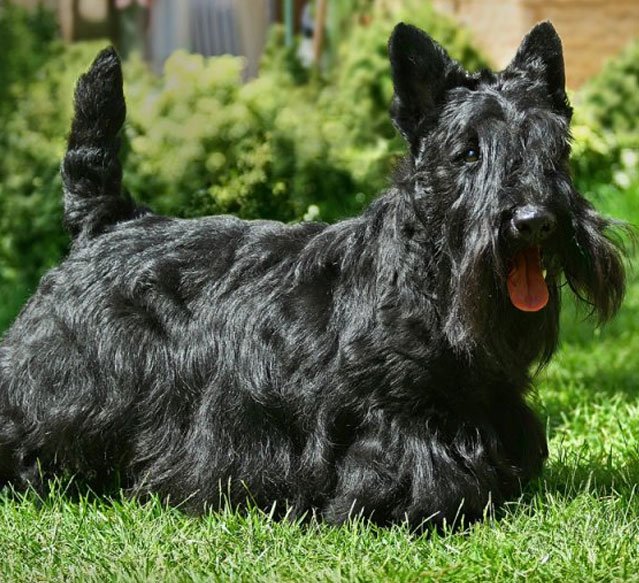
Proper nutrition is the key to a Scottish Terrier’s health and longevity. Given their tendency toward allergies, choosing a diet must be done very carefully. There are two main approaches to feeding: ready-made dry food and a natural diet.
Dry Food: This is the simplest and most balanced option. Choose premium or super-premium quality food for small-breed dogs, preferably with a hypoallergenic formula (e.g., with lamb, turkey, fish). Avoid foods containing chicken, corn, soy, and wheat, as these ingredients are the most common triggers for allergies.
Natural Diet: This option requires more time and knowledge. The basis of the diet should be lean meat (turkey, rabbit, beef) and offal. The diet can also include:
- Grains (rice, buckwheat).
- Vegetables (carrots, pumpkin, zucchini, broccoli).
- Fermented dairy products (low-fat kefir, cottage cheese).
- Sea fish (once a week, boneless).
It is strictly forbidden to give your dog:
- Chocolate and sweets.
- Smoked, salty, fatty, and fried foods.
- Tubular bones.
- Onions and garlic.
- Grapes and raisins.
If your dog is prone to allergies, introduce any new product into their diet gradually, in small portions, and observe their reaction over several days. Always ensure your dog has access to fresh drinking water.
Interesting Facts About the Breed
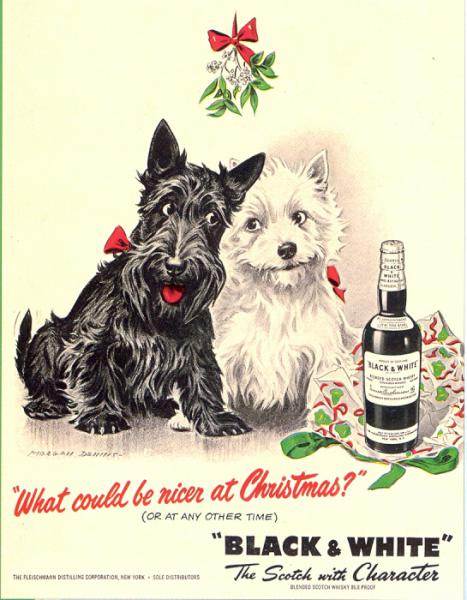
- The Monopoly Symbol: The dog figurine in the world-famous board game “Monopoly” is a Scottish Terrier.
- Presidential Pets: In addition to Roosevelt’s Fala, Scotties also lived in the White House with Dwight D. Eisenhower and George W. Bush Jr.
- “Diehard”: The nickname “Diehard” was given to the breed by the Earl of Dumbarton in the 17th century for its incredible courage and resilience.
- Scotties in Film: A Scottish Terrier named Jock is one of the main characters in the Disney animated film “Lady and the Tramp.”
- Rare Color: The wheaten color is the rarest, as the gene responsible for it is recessive.
Frequently Asked Questions About the Breed (FAQ)
Do Scottish Terriers shed a lot?
With proper care (regular stripping), Scotties barely shed. If they are clipped with a machine, shedding may be more noticeable, as the coat structure is disrupted.
Are they suitable for families with children?
Scotties can get along with children if they grow up together. However, they are intolerant of rough handling and over-familiarity. Therefore, they are recommended for families with older, sensible children who know how to behave around a dog.
Can you keep a Scotch Terrier in a condo or apartment?
Yes, thanks to their compact size and moderate exercise needs, they adapt wonderfully to apartment living, provided they get daily walks.
How much exercise do they need?
They don’t need to run marathons. Two daily walks of 30-40 minutes with the opportunity to run and play are sufficient. Regularity is more important than duration.
Are they easy to train?
No, they are not the easiest breed to train due to their stubbornness. They require a patient, consistent, and creative owner who can motivate the dog rather than force it.
Video about the breed
- Compact, sheds little
- A dignified, devoted character
- A brave little watchdog
- Suits an apartment
- Stubborn and independent
- Terrier self-reliance in training
- Inclined to bark
- Can be distrustful of strangers
| West Highland White Terrier | Cairn Terrier | Norfolk Terrier | |
|---|---|---|---|
| Height | 25–28 cm | 28–31 cm | 24–26 cm |
| Energy | 3.5 | 3.5 | 4 |
| Apartment | 4 | 4 | 4 |
| Beginners | 3.5 | 3.5 | 3.5 |
Does the Scottish Terrier shed much?
Is the Scottish Terrier suitable for a novice?
What is "Scottie cramp"?
FCI Standard No. 73 · The Kennel Club
For apartments · For kids · For beginners · Active · Smartest · Hypoallergenic · All rankings →