

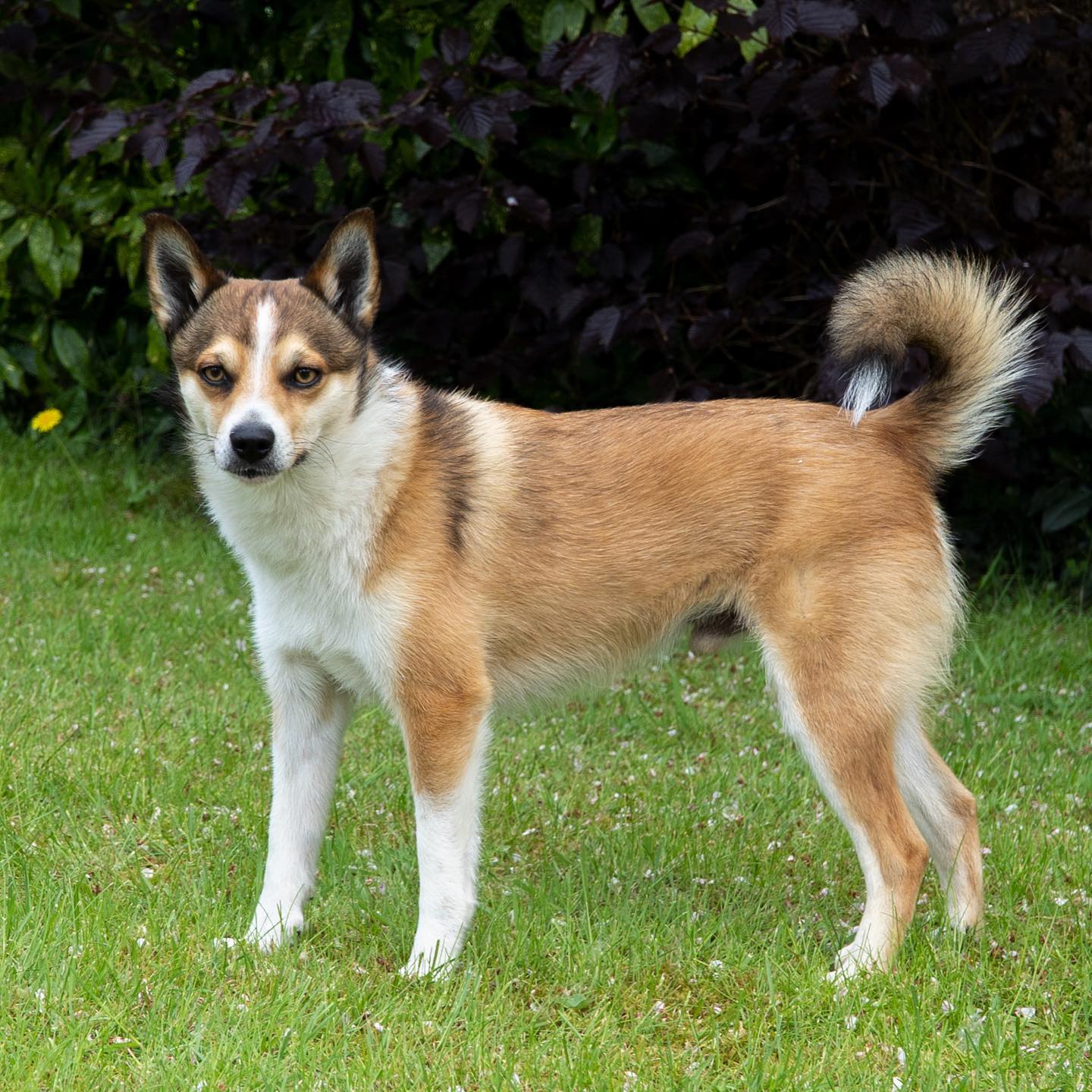
| Height | 32–38 cm |
| Weight | 6–14 kg |
| Lifespan | 12–15 years |
| FCI group | 5 · spitz |
| Origin | Norway |
Exact ratings
- Lundehund syndrome (intestinal lymphangiectasia)
- Chronic protein loss (enteropathy)
- Digestion and absorption problems
- Joint dysplasia (rarer)
- Dental disease
Special attention to digestion: because of a tendency to intestinal lymphangiectasia (protein loss), an easily digestible diet and veterinary supervision are needed; during flare-ups, special diets.
The Norwegian Lundehund is one of the most astonishing and ancient dog breeds in the world, a true living relict that has preserved unique anatomical and behavioral characteristics. These small, yet incredibly agile and flexible dogs hail from the remote coasts of Norway, where for centuries they were indispensable assistants to humans in hunting seabirds – puffins (sometimes called sea parrots). It is thanks to this specific “profession” that the breed got its name: “lunde” means “puffin” in Norwegian, and “hund” – “dog”. The history of the Norwegian Lundehund breed is closely intertwined with a harsh maritime life and the struggle for survival. Read more about this on Tvaryny.
Today, hunting puffins with Lundehunds is prohibited in Norway, and these unique dogs are now protected. They have transformed into wonderful companion dogs who, despite their hunting instincts, are devoted and affectionate towards their owners. Their incredible activity and need for physical exercise make the Norwegian Lundehund an ideal choice for active individuals or those with a private home boasting a large yard. They will gladly engage in agility, frisbee, dog-frisbee, or any other type of canine sport, often becoming winners in various competitions thanks to their natural agility and speed. These dogs are true athletes who bring much joy and movement into the lives of their owners.
Norwegian Lundehund: A Brief Breed Overview
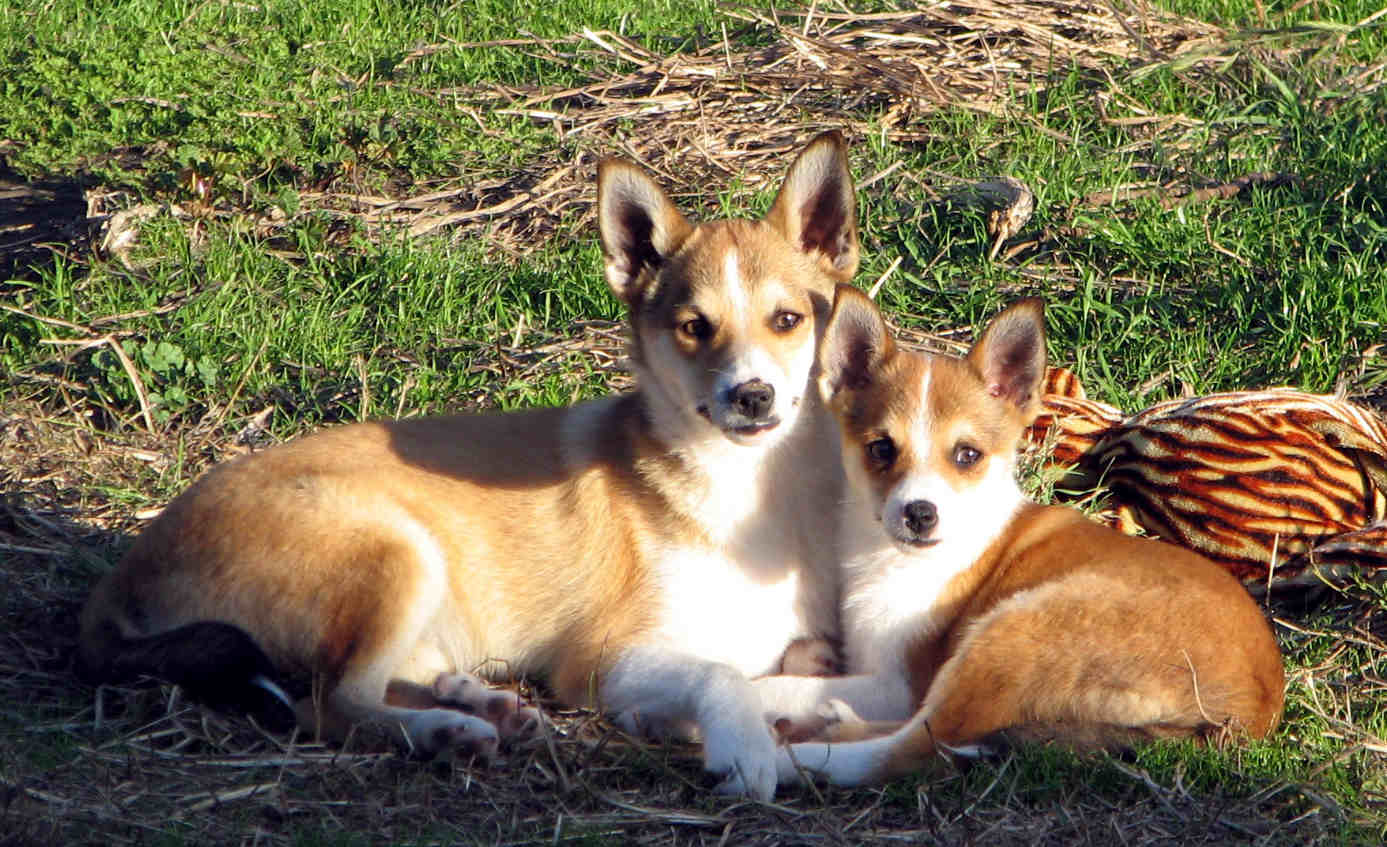
| Characteristic | Value |
| Origin | Norway |
| Year of First Mention (modern breed) | 1942 |
| Life Expectancy | 12-15 years |
| Height at Withers | 30-38 cm |
| Weight | 6-7 kg |
| FCI Group | 5 (Spitz and Primitive Types) |
| Purpose | Companion, Hunter (historically) |
History of the Norwegian Lundehund Breed: From Puffins to Companions
The Norwegian Lundehund is not just a rare, but also a unique dog breed, often referred to as Norwegian puffin dogs. Their existence is directly linked to the ancient tradition of hunting seabirds – puffins. These birds, known for their excellent ability to swim, dive, fly, and maneuver among rocks, inhabit the coasts of the Atlantic Ocean: from Greenland and Newfoundland to Labrador and the Scandinavian Peninsula, where Lundehunds were once prevalent.
The task of the puffin hunter was extremely difficult, as the birds nest in narrow rock crevices inaccessible to humans. This is where the Lundehunds came to the rescue. Their anatomy is perfectly adapted for this. The dogs have six toes on each paw, which provides them with incredible grip and stability when moving over slippery and uneven rocks. This is a rare polydactyly, making it one of the most distinctive features of the breed.
Furthermore, Lundehunds are known for their striking flexibility. Their shoulder joints are so mobile that they allow them to turn their paws outwards at almost a right angle. And the flexibility of their neck enables the dog to throw its head back and easily reach its back with it. These features allow them to easily penetrate the narrowest nooks of the rocks, retrieve birds from there, and safely return to their owner. Their ears, which lie flat against their head during swimming, protect the ear canals from water ingress, another important adaptation to the aquatic environment.
These unique dogs were on the brink of extinction in the mid-19th century, when puffin hunting lost its economic significance. However, thanks to the efforts of enthusiasts, a small population of these dogs was discovered off the coast of Norway in the mid-20th century. Canine experts undertook their restoration and breeding. The breed received official recognition in 1943, and the final standard was approved in 1997. Despite these efforts, today the Norwegian Lundehund remains a small breed, rarely seen outside the Scandinavian countries. This underscores its special status and the need for preservation.
What the Norwegian Lundehund Looks Like: Appearance Description and Unique Traits
The Norwegian Lundehund is a small yet sturdily built dog that gives the impression of an agile and resilient hunter. Its appearance reflects thousands of years of adaptation to harsh living conditions on rocky coastlines.
- Head: Triangular in shape, with a slightly convex and moderately broad forehead. The muzzle is shorter than the skull, and the stop (transition from forehead to muzzle) is well-defined.
- Eyes: Medium-sized, obliquely set, dark in color, expressive and intelligent.
- Ears: Erect, medium-sized, triangular in shape. Their uniqueness lies in their extraordinary mobility – they can fold back or lie flat against the head, protecting the ear canal from water and dirt while swimming or moving through narrow burrows.
- Neck: Fairly long and strong, lending the dog elegance and flexibility.
- Body: Elongated format, deep chest, straight back. This ensures endurance and efficient movement.
- Limbs: Strong, straight, and parallel to each other. The front part of the limbs has a unique structure – the shoulder joint allows the paw to rotate almost 90 degrees away from the body, which is a key adaptation for climbing rocks.
- Paws: Compact, oval in shape, slightly turned outwards. The most distinctive feature is the presence of six (and sometimes more) functional toes on each paw. The extra toes have well-developed muscles and pads, significantly improving grip on surfaces.
- Tail: Set high, medium length, often carried over the topline, curled into a ring or bent, covered with dense fur.
- Coat: Dense, with a thick and soft undercoat, ensuring excellent thermoregulation. The fur is shorter on the front of the limbs and head, while it is longer on the neck, withers, and hind thighs.
- Color: Various variations are permitted, often including white or gray colors with dark patches. It can also be brown or reddish-brown in combination with white. The tips of the hairs can be black, creating a tipping effect and adding expressiveness.
Overall, the Norwegian Lundehund is a dog that serves as living proof of the amazing adaptation of animals to specific environmental conditions. Its outward appearance bears the imprint of millennia of natural selection.
Character of the Norwegian Lundehund: Temperament and Family Behavior
The character of the Norwegian Lundehund is a combination of unique qualities that make it both an interesting and demanding companion. They are very affectionate and friendly dogs who form strong bonds with their family. They are not aggressive towards people, making them wonderful pets, especially for families with children, provided they receive proper socialization and training. However, one should not forget their hunting past.
Lundehunds are incredibly active, agile, and energetic animals. They adore spending time outdoors, running, playing, and exploring. For a happy life, they need regular and intense physical exercise. A simple walk on a leash is unlikely to satisfy their needs. Long hikes, running, active games with a ball or frisbee are ideal. If a Lundehund gets enough physical activity, they will be calm and well-behaved at home.
Despite their small size, these dogs are very strong and hardy. They can also be a bit stubborn and independent. This trait is a consequence of their hunting work, where they often had to act on their own, without direct human guidance. Therefore, a Lundehund owner must be patient and consistent in training. They are sociable, gladly participate in all family matters, and always strive to be the center of attention.
It is important to remember that the Norwegian Lundehund has a highly developed hunting instinct, especially towards birds. If you have decorative birds, parrots, or chickens in your home, it’s worth thinking twice before getting a Lundehund. For them, birds are prey, and re-educating this instinct is practically impossible. However, with other dogs and cats, if socialization was conducted at an early age, they usually get along well. Lundehunds are very intelligent and require mental stimulation. They absolutely need to be occupied; they will gladly perform any work or participate in training sessions that stimulate their intellect.
Health of the Norwegian Lundehund: Typical Illnesses and Prevention
The Norwegian Lundehund is generally a breed with a robust constitution and strong immunity, a result of natural selection in harsh conditions. However, like most purebred dogs, they are prone to certain hereditary diseases that potential owners should be aware of.
Lundehund Syndrome: The Main Breed Problem
The most well-known and serious problem, which is practically unique to this breed, is the so-called “Lundehund Syndrome” (also known as Lundehund gastroenteropathy or lymphangiectasia). This is a chronic inflammatory bowel disease where the absorption of nutrients is impaired. Symptoms can include:
- Chronic vomiting and diarrhea.
- Progressive weight loss, despite normal or even increased appetite.
- Deterioration of general condition, apathy.
- Edema due to protein loss.
This syndrome can be life-threatening if not diagnosed and treated in time. Owners of Norwegian Lundehunds must carefully monitor their pets’ digestion, keep regular records of their weight, and any changes in behavior or appetite. At the slightest suspicion of Lundehund syndrome, you should immediately consult a veterinarian. Treatment usually includes a special diet (low in fat and easily digestible proteins), corticosteroids, and other immunosuppressive drugs.
Other Possible Health Concerns
Apart from Lundehund syndrome, other hereditary diseases have not been systematically described for the breed — that is a gap in the data rather than their absence, and the conditions seen in larger breeds such as the German Rough-Haired Pointer or the German Shorthaired Pointer are not automatically ruled out. However, it’s always worth being aware of general veterinary recommendations:
- Eye diseases: Rarely, cataracts or distichiasis (extra eyelashes) may occur.
- Joint problems: While hip or elbow dysplasia is not common, it’s important to ensure the puppy develops properly without excessive strain.
- Dental problems: As with many small breeds, tartar build-up is possible, requiring regular oral hygiene.
Prevention and Regular Check-ups
To maintain the health of a Norwegian Lundehund, the following are extremely important:
- Vaccination: Mandatory vaccinations against common infectious diseases according to the schedule recommended by your vet.
- Parasite control: Regular prevention against external (fleas, ticks) and internal (worms) parasites.
- Balanced diet: This will be discussed in more detail in the “Nutrition” section, but it is critically important to prevent digestive problems.
- Regular vet check-ups: Annual routine examinations help to detect any problems in their early stages.
- Maintaining physical activity: Sufficient exercise contributes to the dog’s good physical and psychological state.
Caring for a Norwegian Lundehund: Specifics and Recommendations
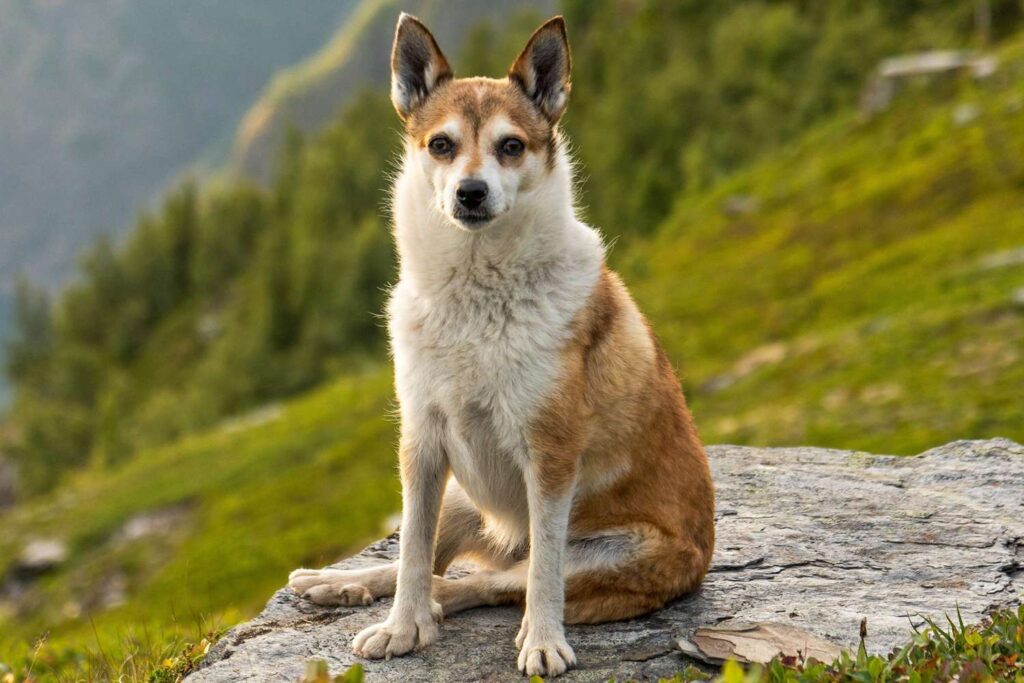
Caring for a Norwegian Lundehund is not overly complex, but it has its unique aspects related to its natural origin and anatomical features. Ensuring a comfortable and happy life for this unique dog is the key to its well-being.
Living Conditions
The ideal environment for a Norwegian Lundehund is a private home with a large, securely fenced yard. This will allow them to run freely, explore the territory, and satisfy their need for movement. These dogs adore fresh air and, thanks to their thick coat, tolerate cool weather well. If there are bodies of water nearby, this will be an added bonus, as Lundehunds swim excellently and enjoy bathing.
Purely theoretically, a Norwegian Lundehund can be kept in an apartment, but this will require extraordinary responsibility and discipline from the owner. It is important to understand that this is a hunting breed that needs at least 1.5-2 hours of active walks every day. These walks should not be limited to “business”; they should include running, games, training, and the opportunity to explore new smells. Without sufficient physical and mental stimulation, a Lundehund can become destructive, bark excessively, or develop unwanted behaviors. It’s also worth noting that they are excellent diggers, so protection against “underground escapes” should be provided in the yard or garden.
Norwegian Lundehund Coat Care
The Norwegian Lundehund’s coat is double, with a dense undercoat that protects it from cold and moisture. These dogs shed very heavily twice a year – in spring and fall. During this period, their coat requires daily brushing with a special brush or deshedding tool to remove dead undercoat. This will help reduce the amount of hair in the home and keep the dog’s skin healthy.
- During normal periods, it’s sufficient to brush your pet 2-3 times a week.
- Bathing a Lundehund should be done as needed, approximately once every 2-3 months or when they become very dirty, using special dog shampoos. Frequent bathing can dry out the skin and coat.
Eye, Ear, and Claw Hygiene:
- Ears: Thanks to their unique structure, Lundehunds’ ears are well protected, but still require regular inspection and cleaning. Monthly or more frequently, if dirt is noticeable, clean the ear canals with cotton pads soaked in a special ear cleaning solution or saline.
- Eyes: Monitor the cleanliness of your pet’s eyes. Usually, simply wiping them with a damp cotton pad is enough if discharge appears.
- Claws: Regularly trim your pet’s claws, approximately once every 3-4 weeks. In active dogs that run a lot on hard surfaces, claws may wear down naturally, but still require checking. Long claws can cause discomfort and posture problems.
Overall, caring for a Norwegian Lundehund does not require exotic procedures, but regularity and attention to detail are key to its health and happiness.
Training and Socialization of the Norwegian Lundehund
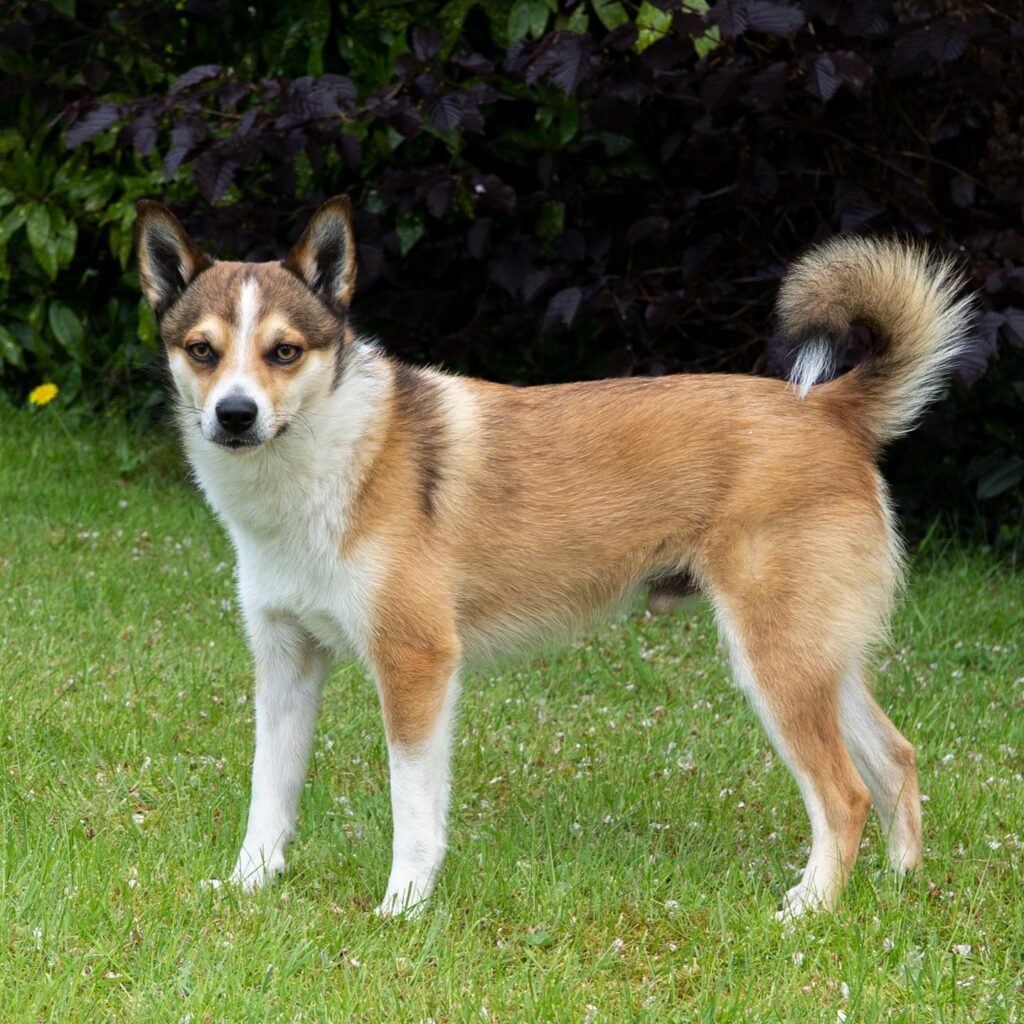
Training a Norwegian Lundehund can be a real challenge, but also an incredibly rewarding experience. These dogs, like many other primitive breeds, live by pack laws, where there is a clear hierarchy. For a Lundehund to obey and submit, you must become an unquestionable authority and the leader of the “pack”. If a person takes the dominant position, then the dog will certainly listen and follow its owner’s commands.
Early Socialization – The Key to Success
- From an early age, a Norwegian Lundehund puppy should be introduced to various people, places, sounds, and other animals. This will help them grow into a confident, well-balanced, and well-adapted dog.
- Attending puppy classes (puppy schools) is extremely beneficial, as it provides not only socialization but also the first steps in learning.
- Despite their friendliness towards people, without proper socialization, they can be shy or overly cautious around strangers.
Consistency and Positive Reinforcement
- Patience and persistence – are your best allies. Lundehunds are intelligent but can be stubborn. Short, frequent training sessions with plenty of praise and treats work best.
- Use positive reinforcement. Shouting and physical punishment will only destroy trust and make the dog even more stubborn or fearful.
- Do not allow the puppy to pull you forward when on a leash. The dog should always walk alongside the person or slightly behind. This “Heel” command is very important, especially for dogs with such a strong hunting instinct as the Lundehund. Never let your dog walk in front of you; this will signify that they are in charge.
- It’s vital to establish clear rules and boundaries from the very beginning. Do not allow your dog to sleep in your spot (bed or sofa, if you don’t wish it) or beg for food from the table. This helps maintain your leadership status.
Developing Hunting Instincts in the Right Direction
Since the Norwegian Lundehund has a strong hunting instinct, it’s important to channel this energy constructively:
- Agility: Lundehunds will be delighted if you engage them in agility. Fast running with obstacles will be enjoyable not only for your pet but also for you. The dog will gain a purpose in life, and you will be proud of your clever, agile, and speedy companion. This excellently develops physical fitness and intellect.
- Scent games: Hide-and-seek with toys or treats, as well as participation in “nose-work” (scent detection), perfectly satisfy their need for searching and exploring.
- Other sports: Frisbee, dog-frisbee, coursing (simulated mechanical hare hunting) are also perfectly suited for this breed.
Remember that a well-trained and socialized Norwegian Lundehund is a loyal, cheerful, and obedient friend who will bring much joy into your life.
Nutrition for the Norwegian Lundehund: Key Recommendations and Avoiding the “Syndrome”
The nutrition of a Norwegian Lundehund plays a critically important role in maintaining its health, especially given the breed’s predisposition to “Lundehund syndrome” (lymphangiectasia). For the digestive organs to function like clockwork, the diet must be as balanced as possible, containing the right amount of proteins, fats, carbohydrates, vitamins, and minerals.
Basic Principles of a Healthy Diet:
- High-quality protein: Meat is the primary source of protein and should make up a significant portion of the dog’s diet. Choose lean cuts of meat: horsemeat, beef, turkey, rabbit. The meat should be cut into small pieces. Ground meat is less well absorbed by the animal’s body, as it does not stimulate the chewing apparatus and digestive enzymes as effectively as chunks.
- Offal: It is beneficial to give offal (liver, kidneys, heart, stomachs), which are a source of vitamins and minerals.
- Poultry meat: A Lundehund won’t refuse poultry meat (chicken, turkey), but remember that poultry bones are forbidden for dogs; they are not digested and can injure the esophagus.
- Fish: Puffin hounds are very fond of fish, and it can be given several times a week. It’s best if the fish is sea fish (cod, hake, pollock), pre-cleaned of large bones. River fish often contains many small bones that can be dangerous.
- Fermented dairy products: Fermented dairy products (kefir, natural yogurt, cottage cheese) are very beneficial for dogs, containing calcium and easily digestible protein. Pure milk is poorly digested by adult dogs and can cause digestive upsets. It can only be added in small quantities to cooked porridge.
- Grains: The most beneficial grains are rice, buckwheat, and oatmeal. They are a source of carbohydrates and fiber. Cook them in water or a lean broth.
- Vegetables, fruits, and greens: Don’t forget to feed your pet fruits, vegetables, and greens; they are rich in vitamins, minerals, and fiber. They should be given in a mashed form with a small amount of vegetable oil (linseed, sunflower, olive) or sour cream for better absorption of fat-soluble vitamins.
Choosing Between Natural Feeding and Prepared Foods
For a Norwegian Lundehund, you can choose either natural feeding or high-quality dry or wet food. The main thing is consistency and quality.
- Natural feeding: Requires careful planning and adherence to balance to ensure all necessary nutrients. You will need to consult with a veterinary nutritionist.
- Prepared foods: Choose premium and super-premium class foods, designed for sensitive digestion or hypoallergenic diets. It is important that the food is high-quality and does not contain unnecessary additives.
Vitamin and Mineral Supplements
Even with a balanced natural diet, dogs do not always receive the required amount of vitamins and minerals, and may therefore need additional vitamin complexes. Always consult a vet about which vitamins and supplements your dog needs, taking into account their age, health condition, and activity level. Self-selection can be harmful.
Regular monitoring of your dog’s weight and general condition, as well as periodic visits to the vet, will help to timely identify and correct any diet-related issues.
Pros and Cons of the Norwegian Lundehund Breed
Like any breed, the Norwegian Lundehund has its advantages and disadvantages, which should be considered before getting such a unique pet.
Pros of the breed:
- Unique anatomical features: Six toes, flexible joints, and closing ears make this breed a true marvel of nature and an object of admiration.
- Affectionate and loyal character: Lundehunds are very attached to their owners, are gentle and loving companions, and get along wonderfully with children.
- High intelligence: They are smart and quick-witted, learn quickly (though they can be stubborn), which makes them excellent participants in dog sports.
- Endurance and energy: Ideal for active people who enjoy long walks, hikes, and various types of physical activity. They are tireless partners for adventures.
- Non-aggressive: Usually do not show aggression towards people, which makes them safe for the family.
- Excellent swimmers: Their adaptations to the aquatic environment make them outstanding swimmers who adore water.
- Rarity and exclusivity: Owning a Norwegian Lundehund is an opportunity to have a truly unique dog that attracts attention and sparks interest.
Cons of the breed:
- Predisposition to “Lundehund Syndrome”: This is a serious genetic disease of the digestive system that requires careful dietary control and may necessitate long-term treatment. This is the biggest health risk associated with the breed.
- Strong hunting instinct: Especially towards birds. This can be a problem in a home with pet birds or when walking off-leash in areas with many birds.
- Need for high activity: For a city dweller without the opportunity for daily long and intense exercise, a Lundehund can become a source of problems (destructive behavior, excessive barking).
- Stubbornness in training: Requires a consistent, patient, and confident owner who can become the leader. They do not always strive to please and may test boundaries.
- Shedding: They shed heavily twice a year, which requires regular brushing to maintain cleanliness in the home and coat health.
- Rarity of the breed: This means that finding a puppy from reliable breeders can be difficult and time-consuming, and the cost of puppies can be high.
Before deciding to get a Norwegian Lundehund, it’s important to carefully weigh all these factors and assess whether you can meet all the needs of this unique breed.
Interesting Facts About the Norwegian Lundehund
- Six toes on their paws: The Norwegian Lundehund – one of the few dog breeds in the world that exhibits polydactyly – meaning more than five toes on each paw. Typically, these are six functional toes that give them exceptional grip on rocky surfaces. This characteristic is genetically fixed.
- The name “Lundehund” literally means “puffin dog”. This name indicates their original purpose – hunting Atlantic puffins, which nest in hard-to-reach rocky burrows.
- Extraordinary flexibility: Lundehunds can rotate their front paws almost at a right angle, spreading them fully to the sides, much like a person spreads their arms, which allows them to grip rocks and maneuver in narrow crevices. They can also throw their head back so far that it touches their spine, helping them squeeze into tight spaces.
- “Waterproof” ears: Their ears have a unique ability to close tightly against their head, which protects the ear canal from water and dirt while swimming or crawling in burrows.
- Historical value: The Norwegian Lundehund is considered one of the oldest breeds in Northern Europe, and its anatomical features are an example of unique adaptive evolution.
- Were on the brink of extinction: In the mid-19th century, with changes in puffin hunting methods and the spread of nets, the need for Lundehunds decreased, and the breed found itself on the verge of extinction. It was saved only thanks to the efforts of a small group of enthusiasts in Norway.
- Energy powerhouses: Despite their small size, they are very energetic and resilient dogs. They can run, play, and explore for hours, exhibiting an inexhaustible supply of energy, similar to the Icelandic Sheepdog.
- Lundehund Syndrome: As mentioned earlier, the predisposition to the unique digestive disorder “Lundehund syndrome” is one of the most famous, albeit saddening, facts about the breed. This is a genetically determined problem that scientists are working to understand.
- Excellent climbers: Thanks to their special paws and flexibility, Lundehunds are true masters of climbing rocks and steep slopes, which was an indispensable skill for hunting.
Frequently Asked Questions About the Breed
| Question | Answer |
| Is the Norwegian Lundehund suitable for apartment living? | Yes, but only if you can provide them with at least 1.5-2 hours of intense physical activity daily (running, active games, training). This is not a couch dog, and without sufficient activity, they can become destructive. |
| Does the Norwegian Lundehund get along with children? | Yes, they are usually very affectionate and patient with children, making them excellent family dogs. However, as with any breed, it’s important to teach children how to interact properly with a dog and supervise their interactions. |
| Can a Norwegian Lundehund be kept with other pets? | With other dogs and cats, they generally get along well if socialization was carried out at an early age. However, great caution should be exercised with birds, as their hunting instinct towards feathered creatures is extremely strong. |
| How difficult is it to train a Norwegian Lundehund? | They are intelligent but can be stubborn and independent. Training requires patience, consistency, and positive reinforcement. The owner must establish themselves as the leader. They excel in dog sports such as agility. |
| How much does a Norwegian Lundehund shed? | Lundehunds shed heavily twice a year (in spring and fall), requiring daily brushing during this period. At other times, brushing 2-3 times a week is sufficient. |
| What health peculiarities should I be aware of? | The most important peculiarity is “Lundehund syndrome” – a genetic digestive disorder. Owners must carefully monitor the dog’s diet and weight, and consult a vet at the slightest suspicion. |
| Do Norwegian Lundehunds require special paw care due to their six toes? | No, usually no additional special care is needed. It’s important to regularly check their claws and paw pads, especially after walks on challenging terrain, to ensure there are no injuries or irritations between the extra toes. |
| What is the life expectancy of a Norwegian Lundehund? | The life expectancy of Norwegian Lundehunds is 12-15 years, provided they receive proper care, a balanced diet, and regular veterinary check-ups. |
Video About the Breed
- A unique anatomy (6 toes, flexibility)
- Clean, a "cat-like" character
- Compact and nimble
- Devoted to its own family
- Lundehund syndrome (bowel disease)
- A very rare breed
- Independent, difficult to train
- Wary of strangers
| Norwegian Buhund | Icelandic Sheepdog | Finnish Spitz | |
|---|---|---|---|
| Height | 41–47 cm | 42–46 cm | 39–50 cm |
| Energy | 4.5 | 4 | 4 |
| Apartment | 3 | 3.5 | 2.5 |
| Beginners | 3.5 | 3.5 | 2.5 |
How many toes does the Norwegian Lundehund have?
What is Lundehund syndrome?
Is the Lundehund suitable for a novice?
FCI Standard No. 265 · The Kennel Club
For apartments · For kids · For beginners · Active · Smartest · Hypoallergenic · All rankings →