


| Height | 25–33 cm |
| Weight | 5–7 kg |
| Lifespan | 12–16 years |
| FCI group | 1 · sheepdogs |
| Origin | Belgium |
Exact ratings
- Mucopolysaccharidosis IIIB (MPS IIIB, hereditary)
- Progressive retinal atrophy (PRA)
- Patellar luxation
- Legg-Calvé-Perthes disease
- Epilepsy and hypothyroidism
Quality food, with weight control (compact — easy to overfeed). Plenty of exercise and mind games. Responsible breeders test for MPS IIIB and the eyes (PRA).
The Schipperke is a very miniature, hunting dog breed that was historically used to protect ships and homes from rodents, and also as a faithful companion. Its predecessors appear to have been small Belgian sheepdogs or Spitz-like dogs, and its homeland is Belgium. Translated from the Flemish dialect, “Schipperke” can mean ‘little shepherd’, ‘little captain’, or ‘boatman’, reflecting the breed’s diverse historical roles.
The Schipperke is a small, black ball of energy with a clever fox-like face and sharp ears, a distinctive silhouette, unique fur, and a vibrant temperament. This is a wonderful dog for those willing to give it plenty of attention, as it thrives on constant human interaction and wants to be treated like a family member. Despite its small size, the Schipperke is an excellent guard dog and protector of its territory. In its native country, it’s often considered the ideal house dog because it loves children, doesn’t require vast spaces (though it is active), and boasts robust healht. Find out more on Tvaryny.
Schipperke: A Brief Breed Overview
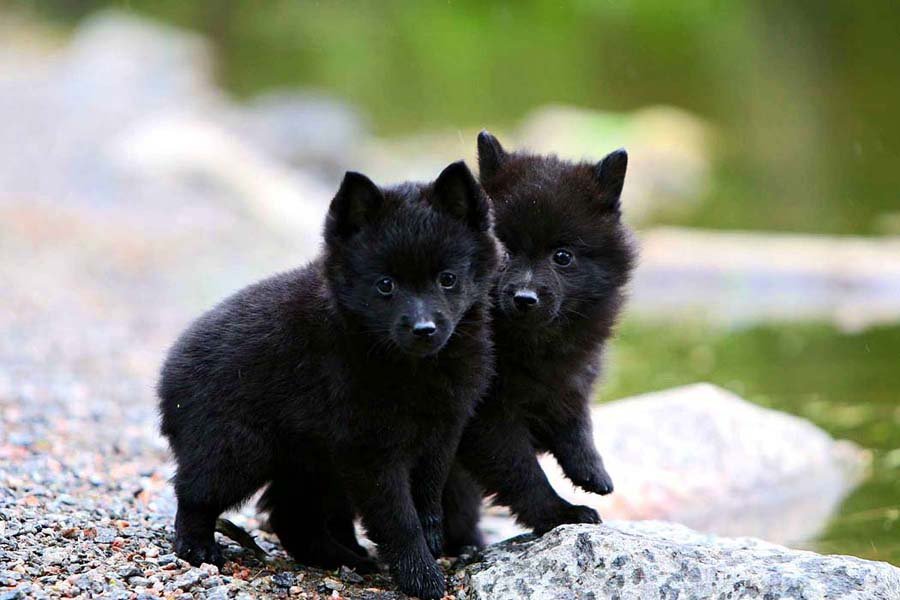
- Origin: Belgium
- Year of first mention: 1879 (official recognition)
- Lifespan: 12-18 years
- Height at withers: 25-33 cm (according to FCI standard)
- Weight: 3-9 kg
- FCI Group: Group 1 (Sheepdogs and Cattle Dogs, except Swiss Cattle Dogs), Section 1 (Sheepdogs)
History of the Schipperke Breed: From Boatmen to Companions
The history of the Schipperke is closely linked with Belgium, particularly the Flanders region. These dogs are thought to descend from an ancient Spitz-type dog, or to be a miniature version of the black Belgian Shepherd Dog breed, the Groenendael, which existed in the Middle Ages. Initially, Schipperkes were known as “Spits” or “Spitske” (Spitz or little Spitz) in Brussels and surrounding areas. Their primary role was multifaceted: they were excellent hunters of rats and mice, particularly popular among merchants and artisans who kept them in their workshops and homes. However, the breed gained widespread popularity and official recognition thanks to its role on Belgian barges and canals. There, they served as watchdogs, warning of approaching strangers, and continued to hunt rodents. It was this activity on boats that gave them the name “Schipperke.” While the most common translation is ‘little captain’ or ‘boatman’, there are also theories that the name comes from the Flemish word “scheperke,” meaning ‘little shepherd’. This might indicate a possible connection to herding dogs, though their functions on barges were primarily protective and rat-catching.
The first official description of the Schipperke breed appeared in 1879 at an exhibition in Brussels. This marked a key moment for its standardisation and popularisation. In 1885, the breed caught the eye of Queen Marie Henriette of Belgium, who was captivated by a Schipperke at an exhibition. This royal interest made the breed fashionable among the aristocracy and contributed to its spread beyond Belgium’s borders. In 1888, the Royal Schipperke Club was founded in Brussels, a significant step for the breed’s further development and preservation of its purity. The breed standard was officially approved that same year. Subsequently, Schipperkes were imported to Great Britain and the USA, where they also gained popularity due to their unusual appearance and vibrant character.
Interestingly, Schipperkes were often confused with other small black dogs, such as the Pomeranian, especially early in their spread to other countries. However, their unique silhouette, specific fur, and lack of a tail (either natural or as a result of docking, which was a common practice) make them easily recognisable. Although Schipperkes belong to the sheepdog group according to FCI classification, their historical functions were more associated with guarding and rodent control than with herding livestock. Their love for water, noted by many owners, might indeed be linked to their “maritime” past on barges.
What a Schipperke Looks Like: A Detailed Description of Appearance

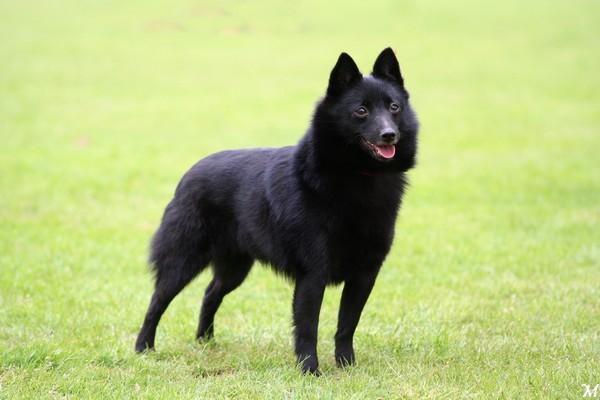
The Schipperke is a small but sturdy and compact dog with a distinctive “fox-like” facial expression. Its appearance conveys an impression of alertness, liveliness, and intelligence.
Size and Proportions: The Schipperke is a compact dog with a square or slightly elongated body shape. According to the FCI standard, the ideal height at the withers is 25-33 cm. Weight ranges from 3 to 9 kg, depending on sex and individual characteristics, but the dog should be proportionate and not appear either too light or too heavy.
| Parameter | FCI Standard |
|---|---|
| Height at withers | 25 – 33 cm |
| Weight | 3 – 9 kg |
| Body format | Square or slightly elongated |
Head: The Schipperke’s head is proportionate to its body and has a “fox-like” shape. The skull is quite broad, rounded when viewed from the front. The stop (transition from forehead to muzzle) is pronounced but not abrupt. The muzzle is moderately long, tapering towards the nose. The nose is small and always black. The lips are tight-fitting and black.
Eyes: Schipperke’s eyes are small, oval, and not deeply set. The eye colour should be as dark as possible, preferably dark brown. Their gaze is intelligent, lively, inquisitive, and alert, reflecting the breed’s character. Eyelids are black.
Ears: Small, triangular, set high, erect, and very mobile. They give the face a characteristic expression that changes easily depending on the dog’s mood.
Body: The Schipperke’s body is short, broad, and robust. The neck is strong and of medium length. The back is short, strong, straight, or slightly sloping towards the croup. The croup is short and broad. The chest is deep and wide, with well-sprung ribs. The belly is well tucked up.
Limbs: Straight, parallel, and strong, with well-developed musculature. The paws are small, round (“cat-like”), with tightly closed toes and strong black claws.
Tail: Historically, Schipperkes were often born tailless or with a very short tail. Tail docking was also practised. According to modern FCI standards, a complete absence of tail is a desirable characteristic, although a tail of any length is permitted. In countries where docking is prohibited, Schipperkes may have tails of various lengths, including normal, long tails carried above the topline.
Coat: The Schipperke’s coat is one of the breed’s most distinctive features. It is dense, harsh, straight, and lies close to the body. The undercoat is very thick and soft. The length of the fur is uneven: on the body (back, sides) it is relatively short, while on the neck and chest it forms a lush “ruff” or “mane,” on the hind legs – “breeches,” and on the tail (if present) – longer fur. This coat structure provides excellent protection from adverse weather.
Colour: The only colour recognised by the FCI standard for the Schipperke is solid black. The coat should be as pure black as possible. Slight reddish or brownish tints are permissible, but a rich black is preferred.
Schipperke Character: “Little Devil” with a Big Heart
The Schipperke’s character is arguably the most striking feature of this breed. Despite their modest size, they possess immense temperament, energy, and self-confidence. They are often called “little devils” due to their tireless activity, curiosity, and a certain audaciousness.
Key Character Traits of the Schipperke:
- Energetic and Agile: These are extremely active dogs that require regular, long walks and opportunities to burn off their energy. They are always ready for games and adventures.
- Inquisitive: Schipperkes are incredibly curious about everything happening around them. They need to “poke their nose” into every matter, exploring every corner. This curiosity makes them vigilant watchdogs.
- Vigilant and Protective Instinct: Despite their size, Schipperkes are superb guard dogs. They are very alert, quickly react to any unusual sounds or movements, and announce them with loud barking. Their protective instinct is well developed, and they will fearlessly defend their territory and family.
- Self-Confident and Independent: Schipperkes possess a strong will and a degree of independence. They are not unconditionally obedient and can show stubbornness, especially if they don’t see the point in a command or are bored. This trait requires consistency and patience from the owner during training.
- Devotion and Affection to Family: Schipperkes become very strongly attached to their owners and strive to be full members of the family. They love spending time near people and participating in all family activities. Their loyalty is boundless.
- Attitude Towards Children: Schipperkes usually get along wonderfully with children, especially if they grew up with them or were properly socialised. They love to play and are patient companions for children’s games. It’s important that children respect the dog and don’t mistreat it.
- Attitude Towards Other Animals: With other dogs, especially if they grew up together, Schipperkes usually get along well. However, their high hunting instinct can create problems with small household pets, such as rodents (ironically, given their origin) or even cats, if they haven’t been properly introduced and socialised from an early age.
- Barking Tendency: Schipperkes are prone to barking. This is part of their watchdog nature. They bark to warn of potential danger or simply to express their excitement or joy. This can become a problem for neighbours, so controlling barking needs to be addressed during training.
- Inventiveness and Cunning: These dogs are very clever and learn quickly. They can use their intelligence both to perform commands and to get what they want, sometimes displaying considerable cunning.
The Schipperke is not a dog for a “couch potato” lifestyle. They need an active family ready to dedicate time, attention, and provide physical and mental stimulation. Without proper stimulation, they can become destructive or excessively barky. It’s a breed that requires consistent upbringing and early socialisation for its bright character to shine through. With the right approach, the Schipperke becomes a wonderful, devoted, cheerful, and fearless companion.
Schipperke Health: Typical Diseases and Prevention
Overall, Schipperkes are considered a fairly healthy breed with a long lifespan, often reaching 15-18 years. However, like any other breed, they are prone to certain hereditary and acquired diseases. It’s important to be aware of these to recognise symptoms in time and ensure proper treatment.
Typical Schipperke Diseases:
- Epilepsy: A neurological disorder characterised by recurrent seizures. Can be genetically inherited. Requires veterinary examination and medication to control seizures.
- Hypothyroidism: A thyroid gland disorder leading to insufficient production of thyroid hormones. Symptoms may include weight gain, hair loss, lethargy, skin problems. Diagnosed by blood test and treated with hormone therapy.
- Legg-Calvé-Perthes disease: Aseptic necrosis of the femoral head. More common in young dogs of small breeds. Leads to lameness and pain in the hip joint. May require surgical intervention.
- Mucopolysaccharidosis Type IIIB (MPS IIIB): A rare inherited metabolic disorder affecting the accumulation of certain substances in the body, impacting the central nervous system. This is a progressive disease that leads to neurological symptoms and shortens lifespan. A genetic test exists for it.
- Patellar Luxation: Dislocation of the kneecap from its normal position. Can cause lameness and pain. Severe cases may require surgical correction.
- Distichiasis: Abnormal growth of eyelashes from the eyelid margin, which can irritate the cornea and conjunctiva. Can lead to inflammation, corneal ulcers. Often requires surgical removal of abnormal eyelashes.
- Progressive Retinal Atrophy (PRA): A group of hereditary diseases leading to retinal degeneration and gradual loss of vision, which can progress to complete blindness. Genetic tests exist for some forms of PRA.
Prevention and Health Care:
- Choosing a Responsible Breeder: One of the most important steps to ensure the health of a future pet. Responsible breeders conduct genetic tests on their breeding dogs for hereditary diseases such as MPS IIIB, PRA, and also check for patellar luxation and hip dysplasia. Don’t hesitate to ask the breeder about the results of such tests for the puppy’s parents.
- Regular Veterinary Check-ups: It’s important to have annual veterinary examinations, including vaccinations and deworming. The vet will be able to assess the dog’s overall health and detect any problems early.
- Proper Nutrition and Weight Control: Providing a balanced diet that matches the dog’s age and activity level is critically important. Schipperkes are prone to gaining excess weight, which can exacerbate joint and cardiovascular problems. Portion control and avoiding overfeeding are mandatory.
- Sufficient Physical Exercise: Regular activity helps maintain a healthy weight, strengthens muscles and joints, improves cardiovascular function and digestion. Lack of exercise can lead to health problems.
- Hygiene: Regular care of teeth, ears, and eyes helps prevent infections and other problems.
- Symptoms to Watch Out For: Schipperke owners should be vigilant for any changes in behaviour, appetite, activity level, appearance of lameness, breathing problems, skin rashes, or excessive hair loss. If any alarming symptoms are detected, a vet should be contacted immediately.
| Disease | Description | Typical Symptoms | Prevention / Diagnosis |
|---|---|---|---|
| Epilepsy | Neurological disorder | Seizures, loss of consciousness | Veterinary exam, medication |
| Hypothyroidism | Thyroid gland problems | Weight gain, hair loss, lethargy | Blood test, hormone therapy |
| Legg-Perthes Disease | Femoral head necrosis | Lameness, joint pain | X-ray, surgery (possible) |
| Mucopolysaccharidosis IIIB | Hereditary metabolic disorder | Neurological impairments | Genetic test, symptomatic treatment |
| Patellar Luxation | Dislocation of the kneecap | Lameness, clicking in joint | Clinical exam, X-ray, surgery (possible) |
| Distichiasis | Abnormal eyelashes | Eye irritation, tearing | Ophthalmologist exam, eyelash removal |
| Progressive Retinal Atrophy (PRA) | Retinal degeneration | Gradual vision loss, night blindness | Ophthalmologist exam, genetic test |
Remember that timely diagnosis and proper care significantly increase a Schipperke’s chances of a long and healthy life.
Schipperke Care: Coat, Hygiene, and Activity
Caring for a Schipperke is not overly complicated but requires regularity, especially concerning its coat and ensuring sufficient activity.
Coat Care: The Schipperke’s unique coat, consisting of harsh guard hairs and a dense undercoat, provides excellent protection from all weathers. It also tends to stay relatively clean, not accumulating much dirt and not having a strong “doggy” odour with proper care.
- Regular Brushing: Basic care involves regular brushing to remove dead hairs and prevent matting, especially in the “ruff” and “breeches” areas where the fur is longer. Usually, brushing the dog once or twice a week with a slicker brush or a metal comb with fine teeth is sufficient.
- Shedding: Schipperkes shed seasonally, typically twice a year. During shedding, hair loss significantly increases, and the dog needs to be brushed daily, and sometimes twice a day, to help remove dead undercoat faster. Interestingly, male dogs usually shed less intensely than females.
- Bathing: Schipperkes should only be bathed when necessary, when the dog is genuinely dirty. Too frequent bathing can dry out the skin and damage the coat structure, stripping it of its natural protective oils. Use only specialised dog shampoos. Thanks to their dense undercoat, Schipperkes dry quite quickly.
Hygiene:
- Ear Care: Regularly check ears for dirt, excess wax, or signs of infection (redness, unpleasant odour). Clean ears using a specialised dog ear cleaning solution and a cotton pad or swab, avoiding deep penetration into the ear canal.
- Eye Care: Daily wipe the corners of the eyes with a damp cloth or cotton pad soaked in a special eye care solution or just clean water, to remove any discharge. Pay attention to excessive tearing or redness, which may indicate problems, such as distichiasis.
- Dental Care: Regular tooth brushing (ideally daily or several times a week) using special dog toothpaste and a brush will help prevent plaque and tartar build-up, as well as gum disease.
- Nail Trimming: Regularly check the length of the nails and trim them as they grow, usually every 2-4 weeks. Overly long nails can cause discomfort when walking and lead to paw problems. If you’re unsure how to trim nails correctly, ask a vet or groomer to show you.
Activity: Schipperkes are extremely active and energetic dogs that require a significant amount of physical exercise daily. Despite their small size, they are not “lap dogs” and won’t be satisfied with short strolls around the house.
- Daily Walks: A minimum of two long walks a day are essential, during which the dog will have the opportunity to run, play, and explore. Ideally, there should be an opportunity to safely let the dog run off-lead in a fenced area.
- Games and Training: Schipperkes love to play (fetch, tug-of-war) and engage in intellectual games. Regular training not only disciplines but also provides the necessary mental stimulation.
- Dog Sports: Due to their energy, agility, and intelligence, Schipperkes excel in various dog sports such as agility, obedience, flyball. This is an excellent way to channel their energy positively and strengthen the bond with their owner.
Remember that a bored Schipperke with unspent energy can become destructive in the home or bark excessively. Ensuring an adequate level of activity is key to a happy and well-behaved Schipperke.
Schipperke Training and Socialisation

Schipperkes are very intelligent, yet quite independent and cunning dogs. This makes their training process both exciting and demanding, requiring patience and consistency.
Early Socialisation: Socialisation is critically important for Schipperkes, starting from an early puppyhood (approximately 3-4 weeks, as soon as it’s safe after the first vaccinations). It’s essential to introduce the puppy to various people (men, women, children), other friendly dogs of different sizes and breeds, as well as other household pets, if possible. It’s also important to familiarise them with different sounds, places, and situations (car rides, being in noisy places, walks in the park). A well-socialised Schipperke will be more confident and less timid or aggressive towards strangers and other animals.
Training: Schipperkes learn quickly, but their independent nature means they might decide that performing a command isn’t interesting to them at a given moment. Therefore, key points in Schipperke training include:
- Consistency and Perseverance: Establish clear rules and always stick to them. Don’t allow today what’s forbidden tomorrow.
- Positive Reinforcement: Schipperkes respond wonderfully to positive reinforcement – praise, treats, and games. They strive to please their owner (when they want to!), and treats and attention are excellent motivators. Avoid harsh methods or punishments, as this can make the dog withdrawn or, conversely, more stubborn.
- Short and Engaging Sessions: Schipperkes quickly lose interest in monotonous repetitions. Keep training sessions short (5-10 minutes), fun, and varied.
- Early Start: Begin training basic commands and house-training and lead-training as early as possible, from 6-8 weeks. Puppies at this age are incredibly receptive.
- Barking Control: Due to their guarding nature, Schipperkes are prone to excessive barking. It’s important to teach them the “quiet” or “enough” command from an early age. Teach them to bark when someone knocks on the door, but to stop barking on your command.
- Lead Training: Schipperkes have a strong hunting instinct and may chase small animals. Therefore, it’s crucial to train them from an early age to walk calmly on the lead and not pull.
Thanks to their intelligence and energy, Schipperkes successfully compete in agility, flyball, and obedience competitions. This not only physically but also mentally stimulates the dog, strengthening the bond between it and its owner. Remember that Schipperkes need both physical and mental exercise to be happy and well-behaved. They are very attached to their owners and strive to spend time with them, so joint activities and training bring them great pleasure. Unlike some other breeds, such as the Schapendoes or the Tervuren, which were bred purely for herding work and have a stronger instinct for gathering and controlling, Schipperkes are more focused on guarding and rodent extermination. This influences their instincts and motivation during training.
Schipperke Feeding: Key Recommendations
Proper nutrition is the foundation of a Schipperke’s health and longevity. These dogs are known for their tendency to overeat and gain excess weight, so diet control is extremely important. Schipperkes aren’t overly picky eaters, but that doesn’t mean they can be given just anything.
Choosing Food Type:
- Quality Dry Food: This is the most common and often most convenient option. Choose high-quality dry food of premium or super-premium class, formulated for small breeds with high activity levels. Pay attention to the ingredients: the first ingredients should be animal protein sources (meat).
- Natural Feeding: Some owners prefer natural feeding, which includes raw or cooked meat (beef, chicken, turkey, rabbit), offal, boneless fish, vegetables, fruits, fermented dairy products (kefir, yoghurt, low-fat cottage cheese), and grains (buckwheat, rice). Such a diet must be balanced in all nutrients, vitamins, and minerals, which may require consultation with a veterinary nutritionist.
- Mixed Feeding: It is not recommended to constantly mix dry food and natural food in a single meal, as they are digested differently. If you practise mixed feeding, it’s better to give dry food at one meal and natural food at another.
Key Components of the Diet:
- Proteins: Essential for growth and tissue repair. The main source should be high-quality animal meat.
- Fats: Important for energy, skin and coat health, and absorption of fat-soluble vitamins. Sources – animal fats, fish oil.
- Carbohydrates: Source of energy. It’s best to choose complex carbohydrates from grains (buckwheat, rice) or vegetables.
- Fibre: Necessary for healthy digestion. Found in vegetables and some grains.
- Vitamins and Minerals: Vitally important for all bodily functions. Usually found in balanced commercial foods or added to a natural diet in the form of vitamin and mineral complexes. For Schipperke puppies, Vitamins A and D are especially important for proper bone and vision development.
Feeding Recommendations:
- Number of Feedings: Puppies up to 3-4 months old are fed 4-5 times a day, from 4 to 6 months – 3 times a day, after 6 months – twice a day (morning and evening). An adult Schipperke is fed twice a day.
- Portion Size: Follow the food manufacturer’s recommendations for the daily allowance stated on the packaging, based on the dog’s weight and activity level. For natural feeding, the portion size is calculated individually, often around 3-5% of the dog’s body weight per day.
- Avoid Dangerous Foods: Never give your Schipperke chocolate, onions, garlic, grapes and raisins, avocado, xylitol (artificial sweetener), alcohol, or bones (especially tubular chicken bones, which can splinter into sharp fragments and injure the gastrointestinal tract). Also limit sweets, fatty, and fried foods from the table.
- Provide Access to Fresh Water: The dog should always have free access to clean drinking water.
- Weight Control: Regularly weigh your Schipperke and visually assess its condition. You should be able to easily feel the ribs under a thin layer of fat, and when viewed from above, a distinct waist should be evident. Obesity is a serious problem for Schipperkes, increasing the risk of many diseases.
Remember that any changes in diet should be introduced gradually. If any digestive problems arise or allergy is suspected, consult a vet.
Pros and Cons of the Schipperke Breed

Like any breed, the Schipperke has its advantages and disadvantages. Let’s look at them to help potential owners make an informed choice.
Pros of Schipperkes:
- Excellent Companion for Active People: Ideally suited for those who lead an active lifestyle, love long walks, hikes, and dog sports.
- High Intelligence: Schipperkes are very intelligent and quick learners, which makes the training process interesting (though it requires the right approach).
- Strong Guarding Instinct: Despite their size, they are excellent watchdogs, always alert and warning of any suspicious activity.
- Family Devotion: They become strongly attached to their owners, love children very much, and strive to spend time with the family.
- Relatively Small Size: Convenient for keeping both in an apartment and a house, although they require plenty of outdoor exercise.
- Robust Health and Longevity: Generally, they have robust health and can live a long life (12-18 years) with proper care.
- Low Coat Maintenance Requirements (except during shedding): The coat does not require complex grooming; regular brushing is sufficient.
- Don’t Have a Strong “Doggy” Odour: The coat remains clean and doesn’t have a sharp smell.
Cons of Schipperkes:
- High Energy Level: Require a significant amount of physical and mental exercise. Without it, they can become destructive or excessively barky. Not suitable for people unwilling to dedicate much time to walks and games.
- Tendency to Bark: Their guarding nature manifests in a tendency to bark, which can be a problem for neighbours or those who value quiet. Requires correction during training.
- Independence and Stubbornness: May display independence and stubbornness, requiring patience, consistency, and experience in training from the owner. Not the best choice for inexperienced owners.
- Strong Hunting Instinct: Prone to chasing small animals, requiring caution during off-lead walks.
- Need for Early Socialisation: Without proper socialisation, they can be suspicious or even aggressive towards strangers and other dogs.
- Tendency to Gain Excess Weight: Strict control over diet and food quantity is necessary.
Schipperkes are a wonderful breed for the right people. They demand time, energy, and consistency, but in return, they offer boundless loyalty, fun, and reliable protection. Before getting a Schipperke, honestly assess your lifestyle and readiness to dedicate enough attention to this active and intelligent dog.
Interesting Facts About the Schipperke
The Schipperke breed has a rich history and unique characteristics, with several interesting facts associated with them:
- Multifaceted Name: As mentioned earlier, the name “Schipperke” has several possible translations from Flemish: ‘little captain’ or ‘boatman’ (related to work on barges) and ‘little shepherd’ (indicating a possible origin). This ambiguity highlights the breed’s versatility in the past.
- “Little Black Devil of Flanders”: Due to their energetic, lively, and sometimes mischievous nature, Schipperkes earned the nickname “Lille Diable” (Little Devil of Flanders). This nickname perfectly reflects their boisterous temperament.
- Tail Disappearance: Historically, Schipperkes were known for their lack of a tail. This was such a characteristic feature that in Belgium, there was a tradition of docking Schipperke puppies’ tails. Legend has it that this tradition arose after a shoemaker cut off the tail of a Schipperke that had bitten his shoes, and it became fashionable. Today, docking is prohibited in many countries, and Schipperkes can be born with tails of various lengths.
- Popularity Among Workers: Before becoming fashionable among the aristocracy thanks to Queen Marie Henriette, Schipperkes were very popular among workers and merchants in Belgium. They served them as guards, rat catchers, and companions, particularly valued for their diligence and loyalty.
- “Bravest Breed”: Despite their small size, Schipperkes have a reputation for being extremely brave and fearless dogs. They are not afraid to defend their family and territory from any threats, regardless of their size.
- Universal Hunters: Although often associated with rat hunting, Schipperkes were also known for hunting rabbits and other small animals. Their speed, agility, and strong hunting instinct made them effective in this regard.
- Non-Standard Classification: Although the FCI classifies Schipperkes in the sheepdog group (Group 1), their appearance and historical functions are more reminiscent of Spitz-type dogs or terriers. This classification is likely due to their possible origin from the same ancestors as Belgian Shepherds.
Frequently Asked Questions About the Schipperke Breed
Is the Schipperke suitable for apartment living?
Yes, Schipperkes can live in an apartment, but only if they are provided with a sufficient amount of daily physical exercise and outdoor walks. They are very active and need to expend their energy. Apartment living does not exempt the owner from the need for long and intense walks.
How much do Schipperkes bark?
Schipperkes are prone to barking, as they have a strong guarding instinct. They bark to warn of strangers or anything unusual. Excessive barking can be reduced through early training and socialisation, teaching the dog the “quiet” command.
Do Schipperkes get along well with children?
Schipperkes usually get along very well with children, especially if they grew up together. They love to play and are patient companions for children’s games. However, it’s important to teach children to respect the dog and handle it correctly. Interaction between small children and the dog should always be supervised.
Does the Schipperke require complex coat care?
No, Schipperke coat care is relatively simple. Regular brushing (1-2 times a week, daily during shedding) is sufficient to keep the coat in good condition and prevent matting. Bathing is only necessary when needed.
Are Schipperkes easy to train?
Schipperkes are very intelligent and capable of learning quickly. However, their independence and a certain stubbornness can make the training process a challenge for an inexperienced owner. It’s important to use positive reinforcement, be consistent, and make training sessions interesting.
What level of activity does a Schipperke need?
Schipperkes have a high energy level and require significant physical exercise daily. A minimum of two long walks, games, off-lead running (in a safe place), and mental stimulation are mandatory.
Are Schipperkes prone to any diseases?
Generally, it’s a healthy breed, but they are prone to some hereditary diseases such as epilepsy, hypothyroidism, mucopolysaccharidosis Type IIIB, joint problems (patellar luxation, Legg-Perthes disease), and eye problems (distichiasis, PRA). It’s important to choose a puppy from a responsible breeder who conducts genetic tests and ensures regular veterinary check-ups.
What is the lifespan of a Schipperke?
The lifespan of a Schipperke is quite long, usually 12 to 18 years, with proper care, nutrition, and physical exercise.
Video about the Breed
- Compact, hardy, long-lived
- A clever, brave guard
- Energetic, playful
- A watchful “doorbell”
- Very prone to barking
- Needs plenty of activity
- Possible dog aggression
- Prone to digging and running off to explore
| Pomeranian | Kooikerhondje | German Spitz (Klein) | |
|---|---|---|---|
| Height | 18–22 cm | 35–42 cm | 23–29 cm |
| Energy | 3 | 3.5 | 3 |
| Apartment | 4 | 3.5 | 4 |
| Beginners | 3.5 | 3.5 | 3.5 |
Does the Schipperke bark a lot?
What is MPS IIIB in the Schipperke?
Is the Schipperke suited to a flat?
FCI Standard No. 83 · The Kennel Club
For apartments · For kids · For beginners · Active · Smartest · Hypoallergenic · All rankings →