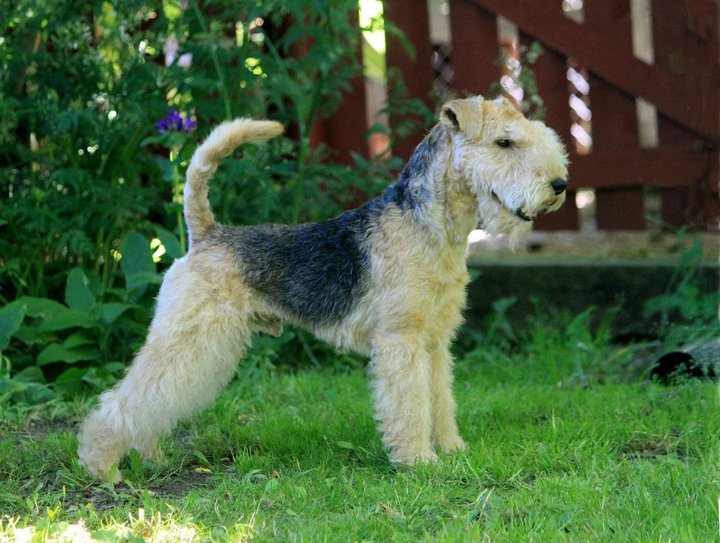
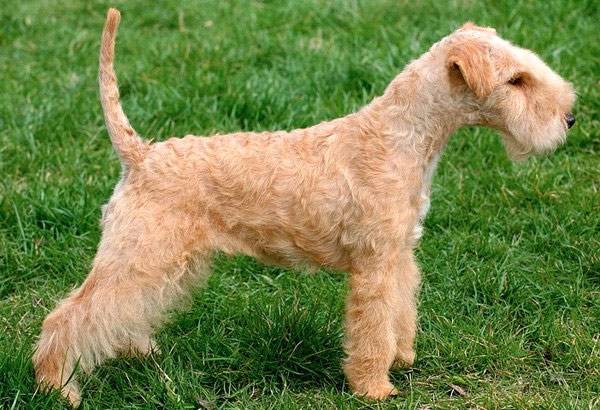
A fearless little flame in a wiry “jacket”: bold, energetic, self-assured and keen. The Lakeland Terrier is a “big dog in a small body”, a working earthdog from the fells of the Lake District; devoted and playful with the family, it keeps a stubborn terrier character.
ApartmentKidsCats · not suitableOther dogs · with caveatsBeginners · with caveats
The Lakeland Terrier is a true powerhouse of energy, courage, and loyalty, all wrapped up in a compact but robust body. Originally bred in the rugged landscapes of England's Lake District to hunt foxes, these small dogs have retained their fearlessness, wit, and incredible zest for life. Today, they make brilliant companions for active people who appreciate the intelligence, playfulness, and vibrant personality of their four-legged friend. Despite their relatively recent official history, the breed has already won the hearts of dog lovers across the globe. To find out more about the unique character, care, and training of these one-of-a-kind terriers, read more on Tvaryny.
Lakelands are not just lapdogs; they are dogs with deep working roots that demand both mental and physical stimulation. Their harsh, "wiry" coat not only gives them their distinctive look but also serves as practical protection from the elements. They love adventure and are always ready to accompany their owner on hikes, games, and any outdoor activities, filling every day with positive energy.
Interesting Facts About the Lakeland Terrier
Show Champions: Despite their working origins, Lakelands have achieved great success in the show ring. A representative of this breed has won the world's most prestigious shows - Crufts (1963) and Westminster (1967).
Natural Swimmers: Unlike many terriers, Lakelands, which were used to hunt otters, are excellent swimmers and are not afraid of water.
The "Beard" for Protection: Their characteristic beard and harsh hair on the muzzle served not for beauty, but for protection from bites from prey during a fight in a den.
Masters of Camouflage: Their wheaten and red colors helped the dogs to camouflage themselves in dry grass and bushes while hunting.
Connection to Art: The Lake District, the breed's homeland, is famous for its "Lake Poets" (Wordsworth, Coleridge). It is believed that these brave terriers were part of the local character that inspired artists.
History of the Lakeland Terrier Breed
The history of the Lakeland Terrier is inextricably linked to the picturesque but harsh Lake District in northern England. This region, famous for its mountains, valleys, and lakes, was an ideal breeding ground for foxes, which caused significant damage to local farmers by preying on lambs. Farmers needed a small yet incredibly brave and resilient dog, capable of chasing a fox through rocky terrain and entering its den. This is how the history of the "terrier of the Lake District" began.
The ancestors of the modern Lakeland are believed to be the old English Black and Tan Terrier, the Bedlington Terrier, and other local working terriers. Farmers selected exclusively for working qualities, valuing fearlessness, strong jaws, and a narrow body to fit through crevices, as well as the ability to work for long periods in any weather. Through crossbreeding with other breeds such as the Border Terrier and the Wire Fox Terrier, these qualities were perfected.
Initially, these dogs were called by different names depending on the locality: Patterdale Terrier, Fell Terrier, or Elterwater Terrier. It was not until the early 20th century that the single name Lakeland Terrier was adopted. The first breed club was formed in 1912, but World War I interrupted its activities. The work was resumed in 1921, and the first official breed standard was developed. The Kennel Club officially recognized the breed in 1928. Initially, they were used primarily for hunting foxes and badgers, as well as otters, the hunting of which was considered one of the most difficult tasks for dogs.
What the Lakeland Terrier Looks Like: Standard and Appearance
The Lakeland Terrier is a square-built dog, giving the impression of a strong, compact, yet elegant pet. Its appearance is a perfect combination of working qualities and show-ring charm. This is a "big dog in a small body," full of confidence and self-esteem.
General Appearance and Build
The Lakeland has a sturdy frame but does not look bulky. Its body is narrow and deep, which allowed it to squeeze into tight dens. The back is short and straight, the neck is long and slightly arched, giving the dog a proud posture. The limbs are straight and muscular, ensuring swift and enduring movement. The tail is set high; it was traditionally docked but in many countries today is left in its natural state. It is carried vertically, which adds to the dog's lively appearance.
Head, Eyes, and Ears
The Lakeland's head is rectangular and well-balanced. The muzzle is strong but not coarse, with powerful jaws. The stop is barely noticeable. The eyes are relatively small, dark (dark brown or hazel), with an intelligent and courageous expression. The ears are V-shaped, small, and neatly folded forward, with the tips pointing to the outer corners of the eyes.
Coat and Color of the Lakeland Terrier
The breed's hallmark is its double coat. It consists of:
A harsh, dense, and "wiry" outer coat that provides excellent protection from rain, mud, and injuries.
A soft and dense undercoat that provides warmth in cold weather.
On the muzzle, the hair forms a characteristic "beard" and "eyebrows," giving the dog a serious and slightly frowning look. Lakeland Terrier colors can vary: black and tan, blue and tan, red, wheaten, grizzle and tan, liver, and black. The most common are saddle markings (black and tan or blue and tan), where a dark "saddle" covers the back, neck, and upper part of the tail.
Coat and Color of the Lakeland Terrier · 6
Characteristic
Breed Standard (FCI №70)
Height at the Withers
13–15 inches (33–38 cm)
Weight
Males: 15–17 lbs (7–8 kg) Females: 14–16 lbs (6.5–7.5 kg)
Lifespan
12–16 years
Build
Square, compact
Head
Rectangular, well-balanced
Coat
Double, harsh with a soft undercoat
Character and Temperament of the Lakeland Terrier
The Lakeland Terrier's character is a vibrant cocktail of courage, intelligence, playfulness, and stubbornness. They are a typical terrier, always ready for action and adventure. They are incredibly devoted to their family but also have an independent spirit and their own opinion on everything that happens around them.
Courage and Confidence: Lakelands are completely unaware of their small size. They will fearlessly rush towards any threat, real or imagined, which makes them excellent watchdogs. They will always warn you with a loud bark about the approach of strangers.
Energy and Playfulness: This is a very active breed that needs daily physical exercise. They love to run, jump, play fetch, and participate in all family activities. A bored Lakeland can become destructive.
Intelligence and Cleverness: Lakelands learn quickly, but their intelligence is combined with terrier stubbornness. They may pretend not to hear a command if they consider it unnecessary. Training must be consistent, engaging, and based on positive reinforcement.
Devotion to Family: With their people, the Lakeland Terrier is gentle and affectionate. They love to be the center of attention, participate in all activities, and sleep next to their owner. They get along well with children, especially if they grow up together, but, as with any dog, interaction with small children should be supervised.
Regarding other animals, the Lakeland's strong hunting instinct can cause problems. They may chase cats and other small pets. Early socialization is key to harmonious coexistence. With other dogs, they may try to dominate, regardless of size. In character and self-confidence, they are often compared to the "king of terriers" — the Airedale Terrier, just in a miniature size.
Pros and Cons of the Lakeland Terrier Breed
Before getting a Lakeland Terrier, it's important to weigh all the advantages and disadvantages of this breed to understand if it fits your lifestyle.
Pros and Cons of the Lakeland Terrier Breed · 6
Pros
Cons
Practically does not shed (with proper care) and is considered a hypoallergenic breed.
Requires professional grooming (stripping), which is time-consuming and expensive.
High intelligence and ability to learn quickly.
Stubbornness and independence, which can complicate training.
Compact size, suitable for apartment living provided they get enough exercise.
High energy level, requires daily long walks and activities.
Devoted and loving companion for the whole family.
Strong hunting instinct, may chase other animals.
Good watchdog, always warns of danger.
Prone to excessive barking if not taught to control their voice.
Robust health and longevity.
Can be scrappy with other dogs, especially of the same sex.
Training and Raising a Lakeland Terrier
Training a Lakeland is an exciting but also challenging process that requires patience, consistency, and a sense of humor. Their keen mind allows them to quickly grasp new commands, but their innate stubbornness makes them question their owner's authority. Therefore, the key to success is motivation and positive reinforcement. Training sessions should be short, dynamic, and varied so that the dog does not lose interest.
Early socialization is extremely important. From a young age, introduce your puppy to different people, sounds, places, and other animals (under control). This will help you raise a well-balanced and confident dog. Basic commands such as "come," "sit," and "leave it" must be learned perfectly, especially the recall command, which can save your inquisitive pet's life.
Similar training challenges are faced by owners of other terriers, such as the energetic Welsh Terrier, which also combines intelligence and independence. The owner needs to establish clear rules and boundaries from the very first day the puppy arrives home. Other equally spirited terriers include the Wire Fox Terrier and the Border Terrier.
Caring for and Keeping a Lakeland Terrier
Caring for a Lakeland Terrier has its own peculiarities, mainly related to its unique coat and high energy level. This is not a breed you can leave to its own devices.
Grooming: Coat Care Specifics
The key aspect of caring for a Lakeland is its coat. To keep it harsh, healthy, and vibrant, it must be stripped — that is, the dead outer hair is manually plucked out with the help of special tools. This procedure is performed 2–4 times a year. Important: clipping with clippers ruins the coat's structure, making it soft, dull, and unable to protect from the elements. Between stripping sessions, the dog should be brushed weekly with a metal comb to remove dirt and prevent matting.
You should only bathe a Lakeland when necessary. Regularly check the ears and eyes for cleanliness, and trim the nails about once a month if they don't wear down naturally.
Diet: What to Feed a Lakeland Terrier
A Lakeland's diet must be balanced and correspond to its active lifestyle. The basis of the diet should be quality protein. You can choose one of two options:
Ready-made dry food: Choose premium or super-premium class food for active small breeds.
Natural diet: The basis of the diet (about 70%) should be lean meat (beef, turkey, chicken) and organ meat. Add grains (rice, buckwheat), dairy products (cottage cheese, kefir), vegetables (carrots, pumpkin, zucchini), and fruits.
It's important not to overfeed your dog, as Lakelands are prone to gaining excess weight. Always ensure they have access to fresh drinking water.
Physical Exercise and Activity
The Lakeland Terrier is a true powerhouse. They need at least 60 minutes of active walks every day. These cannot be slow walks on a leash — the dog needs to run, play, and explore the world. An ideal option would be a fenced yard where they can safely release energy. Due to their strong hunting instinct, letting a Lakeland off the leash in unfenced areas is dangerous.
These dogs excel in various dog sports such as agility, flyball, coursing, and nose work. Mental stimulation is just as important for them as physical exercise.
NutritionHealth and risks
Health and Genetic Conditions
Frequently Asked Questions About the Breed (FAQ) · 5
Does the Lakeland Terrier shed a lot? With proper care, which includes regular stripping, Lakelands practically do not shed. The dead hair is removed during the procedure and does not remain on furniture. This makes them a good choice for people prone to allergies.
Is this breed suitable for apartment living? Yes, thanks to its compact size, the Lakeland Terrier can live comfortably in an apartment. However, this is only possible if the owner provides them with a sufficient amount of daily physical and mental exercise.
Do Lakelands get along with children and other animals? They get along well with children, especially if they grow up together, and become great play partners. However, due to their strong hunting instinct, their coexistence with cats, rodents, and other small animals requires caution and careful supervision.
How much does a Lakeland Terrier puppy cost? The price of a Lakeland Terrier puppy from a responsible breeder can vary significantly depending on the pedigree, the parents' titles, and the reputation of the kennel. A responsible breeder will ask about your household long before naming any figure, which is a good sign in itself.
Is the Lakeland Terrier difficult to care for? The main difficulty lies in coat care, which requires the specific procedure of stripping. Otherwise (feeding, health), they are no more demanding than other breeds. The main requirement is to dedicate a lot of time to activities and training.
Video About the Breed
FAQ
Is the Lakeland Terrier suited to a novice?
Moderately — it is clever but stubborn, energetic and with a strong hunting instinct; it needs consistent training and enough exercise.
Does the Lakeland Terrier get on with cats?
Usually poorly — a keen earthdog with a strong chase drive; possible only with early shared upbringing.
Does the Lakeland Terrier shed much?
Little — the wiry coat needs stripping rather than brushing out; convenient for the home, but it needs regular grooming.