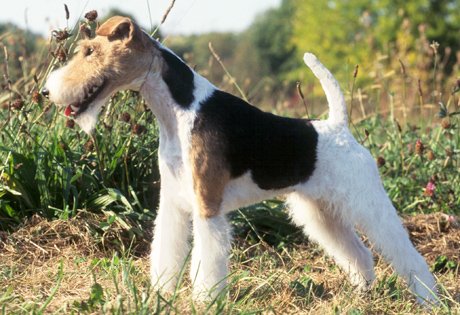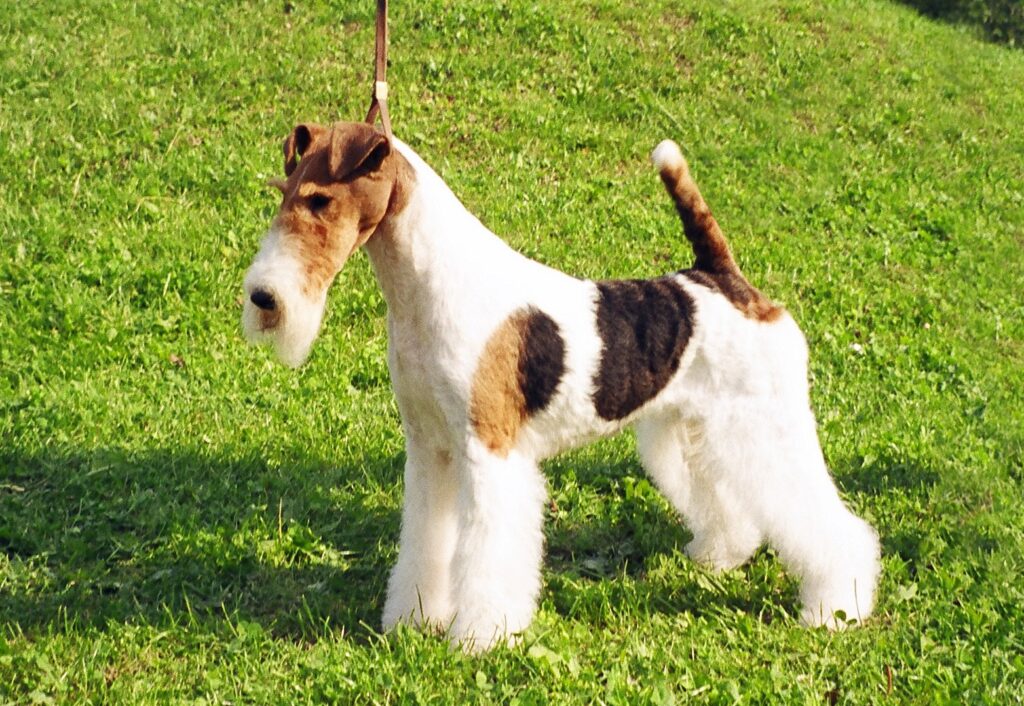
The Wire Fox Terrier is more than just a dog—it’s a vibrant bundle of energy, intelligence, and relentless cheerfulness. With their aristocratic looks and a fearless hunter’s heart, these charismatic dogs are the perfect companions for active individuals who thrive on movement, sports, and adventure. Their sharp minds, unwavering loyalty, and spirited nature require a special approach, but in return, you’ll get more than just a pet; you’ll gain a faithful friend and partner in all your endeavors. We’ll dive into all the nuances of caring for this unique terrier further on Tvaryny.
This breed is best suited for athletes and experienced dog owners. Elderly people or those who prefer a more tranquil lifestyle will find it incredibly challenging to keep up with their temperament. If you have very young children in the family, it’s worth carefully considering the pros and cons, as Fox Terriers don’t tolerate rough handling. However, if you are an energetic person ready to dedicate time to training and long walks, then a Wire Fox Terrier will become your irreplaceable best friend.
Wire Fox Terrier: Key Breed Characteristics
| Parameter | Characteristic |
| Origin | Great Britain |
| FCI Classification | Group 3 (Terriers), Section 1 (Large and medium terriers). Standard No. 169. |
| Lifespan | 12-15 years |
| Height at Withers | Up to 15.5 inches (males), females slightly smaller |
| Weight | 15-19 lbs (7-8.5 kg) |
| Temperament | Energetic, brave, curious, alert, self-confident, devoted |
| Coat | Harsh, wiry, dense with a soft undercoat |
| Color | Predominantly white with black, black and tan, or tan markings |
| Grooming | High maintenance: requires regular stripping (hand-plucking) |
| Activity Level | Very high, needs daily intense exercise |
| Training | Intelligent and trainable, but can be stubborn; requires consistency |
History of the Wire Fox Terrier Breed
The history of the Wire Fox Terrier is inextricably linked to fox hunting, which was immensely popular in 18th and 19th-century England. The name “Fox Terrier” literally means “fox terrier.” Their primary job was to flush the fox out of its den once the hounds had driven it underground. This work required a dog that was small in size but possessed immense courage, strength, endurance, and a fierce drive to pursue its quarry.
Initially, Fox Terriers were not divided into smooth and wire varieties—they were considered two types of the same breed and were often crossed with each other. The ancestors of modern Fox Terriers were various working terriers from the counties of Devon, Durham, and Wales, including black-and-tan and white English terriers. It’s believed that blood from Beagles was introduced to improve their sense of smell and from Bull Terriers for courage and strength. The tough, wiry coat was a significant advantage for working in dense thickets and underground, as it provided excellent protection for their skin from injuries.
The separation into two distinct types began in the late 19th century when the breed started gaining popularity in show rings. Although the Smooth Fox Terrier was initially more popular, the Wire Fox Terrier quickly caught up thanks to its striking appearance and charisma. A separate standard for the Wire Fox Terrier was officially adopted in 1913, ending the practice of crossing the two varieties. Today, while both breeds share a common history, they are developed independently and each has its own dedicated following. Historically, they are very similar to the Smooth Fox Terrier and also share traits with other British terriers, such as the Welsh Terrier and Lakeland Terrier.
What the Wire Fox Terrier Looks Like: Standard and Appearance

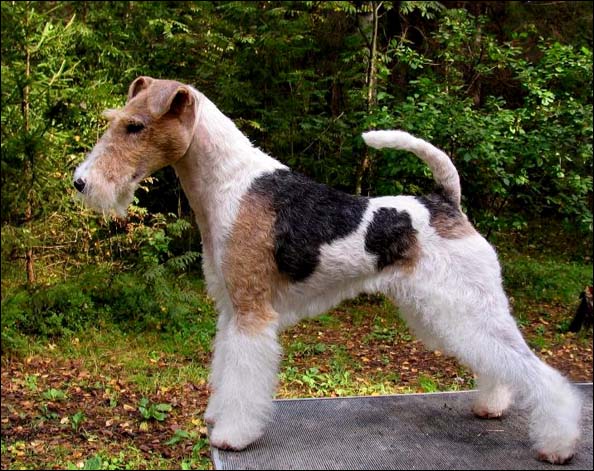
The Wire Fox Terrier is the epitome of elegance and athleticism. They are compact, well-proportioned dogs that practically radiate energy and a readiness for action. Their silhouette is reminiscent of a hunting horse—short in the back but with long legs, allowing them to cover great distances.
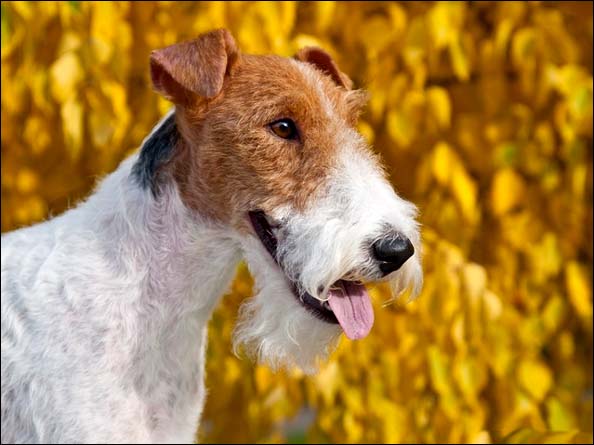
- Head: Long, with an almost flat skull that narrows smoothly to the eyes. The stop is barely noticeable. The muzzle is strong, with powerful jaws and a well-developed “beard” and “mustache” of wiry hair, which gives them their characteristic expression.
- Eyes: Small, dark, and round. The expression is lively, intelligent, and alert. Light-colored eyes are considered a fault.
- Ears: Small, V-shaped, and carried on a cartilage. The tips of the ears point forward and lie close to the cheeks. Ears that stand erect or are too heavy are considered a deviation from the standard.
- Body: The back is short, straight, and strong. The neck is long, muscular, and elegantly arched. The chest is deep but not wide, with well-sprung ribs.
- Tail: Set high, strong, and typically carried vertically. In the past, the tail was docked by about a third, but this practice is now prohibited in many countries.
- Coat: The main feature of the breed. It is very dense and wiry, feeling like coconut fiber to the touch. The length of the coat on the back and sides is 1-1.5 inches. Beneath the harsh outer coat is a short, soft undercoat. On the muzzle, the coat forms the characteristic beard and mustache, and on the legs, it creates thick “pants.”
- Color: The dominant color should be white. Black, black and tan, or reddish-brown markings on a white background are acceptable. Brindle, red, or liver markings are undesirable.
Character: The Temperament and Behavior of a Fox Terrier

The character of a Wire Fox Terrier is a volatile mix of courage, curiosity, and boundless optimism. They are canine extroverts who are always at the center of attention and ready to participate in any activity. They are incredibly devoted to their families but maintain a certain independence in their decision-making, which is a classic terrier trait.
Key Character Traits:
- Fearlessness. A Fox Terrier is completely unaware of its small size. It’s ready to challenge any opponent, whether it’s the neighbor’s Great Dane or a rodent in the yard. This trait makes them excellent watchdogs, who will always alert you to strangers with a loud bark.
- High Intelligence. These dogs are very smart and learn quickly. However, their intelligence is paired with cleverness and stubbornness. If a training session is boring and monotonous, a Fox Terrier will quickly find a more interesting activity for itself.
- Hunting Instinct. Their original purpose—hunting—is deeply embedded in their genetics. They have an extremely strong prey drive. Any small animal (a squirrel, cat, or hedgehog) will be seen as potential prey. For this reason, they are not recommended to be left unsupervised with other small pets. Unlike hounds such as the Dunker (Norwegian Hound) or Spanish Hound, which pursue prey over large territories, the Fox Terrier was bred to work directly in dens, which required an immediate and aggressive reaction to the animal.
- High Energy. This is a dog with a perpetual motion machine inside. They require daily, long, and intense physical exercise. A simple walk on a leash around the block will be catastrophically insufficient. Without an adequate outlet for their energy, a Fox Terrier can become destructive, chewing on furniture, digging holes in the yard, and barking non-stop.
- Tendency to Dominate. Fox Terriers can be scrappy with other dogs, especially those of the same sex. Early and proper socialization is absolutely essential to raise a well-balanced and manageable dog.
Pros and Cons of the Breed
| Pros | Cons |
|---|---|
| ✅ High intelligence and cleverness: They learn new things quickly if you find the right approach. | ❌ Extreme energy: They require daily intense physical and mental stimulation. |
| ✅ Compact size: Convenient for apartment living, provided they get enough exercise. | ❌ Prone to barking: They are very “talkative” and react to any noise. |
| ✅ Sheds very little: With proper care (stripping), their hair won’t be all over furniture and clothes. | ❌ Stubborn and independent: Can be difficult for novice owners to train. |
| ✅ Devoted to family: They become very attached to their owners and are wonderful companions. | ❌ Strong hunting instinct: Dangerous to small animals (cats, rodents) and may run off while chasing prey. |
| ✅ Brave watchdog: Will always alert you to danger, despite their size. | ❌ Requires professional grooming: The coat needs regular stripping, which takes time and money. |
| ✅ Playful and cheerful nature: Always ready for games and fun, a great partner for active recreation. | ❌ Potential for aggression toward other dogs: Requires thorough and early socialization. |
Wire Fox Terrier Health: Common Ailments

Wire Fox Terriers are generally a healthy and resilient breed with a lifespan of 12-15 years. However, like many purebred dogs, they have a predisposition to certain genetic conditions. Responsible breeders test their breeding dogs to minimize the risk of these conditions appearing in puppies.
The most common health problems:
- Legg-Calvé-Perthes Disease: This is a necrosis of the femoral head that typically appears in dogs between 4-12 months of age. Symptoms include limping and pain in the hind leg. The treatment is primarily surgical, and most dogs make a full recovery after the operation.
- Epilepsy: A genetic condition that causes seizures. The seizures can vary in intensity. While epilepsy cannot be cured, it can be successfully managed with medication.
- Eye Diseases: Fox Terriers are prone to several ophthalmological problems, including:
- Cataracts: A clouding of the lens that can lead to blindness.
- Distichiasis: An abnormal growth of eyelashes that can irritate the cornea.
- Lens Luxation: A serious condition that requires immediate veterinary intervention.
- Deafness: Congenital deafness, often associated with a white coat, can occur in one or both ears.
- Allergies: Like many terriers, Fox Terriers can suffer from skin allergies (atopic dermatitis), which cause itching, irritation, and hair loss. The cause is often environmental factors (pollen, dust mites) or food components.
- Diabetes Mellitus: An endocrine disease that requires constant monitoring and treatment. Symptoms include increased thirst, frequent urination, and weight loss despite a good appetite.
Important: Regular veterinary check-ups, proper nutrition, sufficient physical activity, and quality care are the keys to a long and healthy life for your pet.
How to Care for the Coat: Stripping and Daily Grooming

Grooming a Wire Fox Terrier’s coat is the most important aspect of their care and requires specialized knowledge and effort. Their unique coat sheds very little but requires regular maintenance to stay healthy and maintain its proper texture.
The key procedure is stripping. This is the process of manually plucking out the dead outer coat. Stripping is what allows the new, harsh-textured, and vibrant coat to grow in. It is performed 2-4 times a year, depending on the speed of hair growth. It is important to understand that clipping with a machine damages the Fox Terrier’s coat structure. After being clipped, the coat becomes soft, dull, loses its waterproof properties, and may begin to shed more heavily.
- Daily Care: You should brush your dog daily with a metal comb and brush to prevent tangles, especially on the legs, under the armpits, and on the muzzle. The beard and mustache should be cleaned of food residue after every meal.
- Bathing: Bathe a Fox Terrier only as needed, using specialized shampoos for wiry coats. Frequent washing can make the coat too soft.
- Other Procedures: Regularly check and clean their ears, wipe their eyes to prevent inflammation, and trim their nails about once a month if they don’t wear down naturally.
Training and Socialization

Training a Wire Fox Terrier is an exciting but also challenging process that requires patience, consistency, and a sense of humor from the owner. Thanks to their high intelligence, they can learn commands almost instantly, but their innate stubbornness and independence mean they will always question your decisions.
Key Principles of Training:
- Early Socialization: This is the most crucial stage. From a very young age, a puppy needs to be introduced to different people, sounds, places, and other dogs (only after a full course of vaccinations). This will help them grow into a well-balanced and confident dog, not an aggressive bully.
- Positive Reinforcement: Harsh methods, shouting, and physical punishment are completely ineffective for this breed. They will only lead to resistance and a loss of trust. The best results come from training based on praise, treats, and games.
- Short and Interesting Sessions: Fox Terriers quickly lose interest in monotonous repetitions. Training sessions should be short (10-15 minutes), dynamic, and varied.
- Consistency: All family members must follow the same rules. If something is forbidden today, it must be forbidden tomorrow.
- Sports: This is an ideal way to channel a Fox Terrier’s energy in the right direction. They excel in disciplines like agility, flyball, obedience, and coursing.
Nutrition for the Wire Fox Terrier: Key Recommendations

Proper nutrition is the foundation of a Wire Fox Terrier’s health and activity. Given their high energy level, their diet must be high-quality, balanced, and rich in protein. There are two main feeding approaches: commercial kibble and a raw or home-cooked diet.
1. Commercial Foods (Dry and Wet): This is the most convenient option. You should choose super-premium or holistic-class foods designed for active small and medium breeds. Prioritize diets with a high meat content (at least 30%) and without corn, wheat, or soy, which can cause allergies.
2. Raw or Home-Cooked Diet: This approach requires more time and knowledge. The basis of the diet (about 60-70%) should be raw or lightly cooked meat (beef, turkey, chicken) and organ meats. The diet should also include:
- Dairy products: low-fat cottage cheese, kefir, yogurt.
- Grains: rice, buckwheat (no more than 10-15% of the diet).
- Vegetables and fruits: carrots, pumpkin, zucchini, apples.
- Fish oil and vegetable oils as a source of Omega-3 and Omega-6 fatty acids.
Forbidden Foods:
- Chocolate and sweets
- Cooked bones (especially poultry)
- Pork and fatty meats
- Smoked meats, marinades, spices
- Onions and garlic
- Grapes and raisins
Regardless of the type of diet, the dog should always have access to fresh, clean water.
Interesting Facts About the Breed
- Movie and Cartoon Stars: The most famous Wire Fox Terrier in the world is probably Snowy—the faithful companion of the hero of the Belgian comic strip “The Adventures of Tintin.” A dog of this breed named Asta was also a star in the popular 1930s and 40s “The Thin Man” films.
- A Royal Favorite: King Edward VII of Great Britain was a great admirer of the breed. His favorite Fox Terrier was named Caesar, and he accompanied the monarch everywhere.
- Show Champions: Wire Fox Terriers are among the most successful show dogs. They have won the prestigious “Best in Show” award at the Westminster Kennel Club Dog Show a record 15 times.
- White Color for Safety: The predominantly white coat was bred on purpose. During a hunt, it helped hunters easily distinguish the dog from a fox in the heat of the chase.
- Escape Artists: Thanks to their curiosity, agility, and love of digging, Fox Terriers are true escape artists. They are capable of tunneling under fences, jumping over low barriers, and squeezing through the smallest gaps.
Frequently Asked Questions (FAQ)
Does the Wire Fox Terrier shed a lot?
No, with proper care, this breed sheds very little. Instead of seasonal shedding, their coat requires a procedure called stripping (manual plucking) 2-4 times a year. This makes them a good choice for people who don’t like dog hair around the house, but not for allergy sufferers, as allergies are caused by dander and skin particles, not the hair itself.
Is a Fox Terrier suitable for apartment living?
Yes, thanks to their compact size, a Fox Terrier can live in an apartment. But there is one important condition: they must receive enough daily physical and mental exercise. Two to three long walks with elements of games, running, and training are mandatory. Otherwise, their pent-up energy will find a destructive outlet.
Do Fox Terriers get along with children and other pets?
With school-aged children who know how to behave with a dog, Fox Terriers usually get along well and become tireless play partners. However, they do not tolerate rough handling, so they are not recommended for families with very young children. Regarding other animals, the situation is tricky. Due to their strong hunting instinct, they pose a threat to cats, rabbits, hamsters, and other small pets. They may also conflict with other dogs for dominance, so early socialization is critically important.
How much does a Wire Fox Terrier puppy cost?
The cost of a Wire Fox Terrier puppy in the US can vary significantly. On average, the price for a puppy from a responsible American Kennel Club (AKC) registered breeder ranges from around $800 to over $1,500. The price depends on the puppy’s parentage, their show titles, and the puppy’s own potential.
What is the difference between stripping and clipping for a Fox Terrier?
These are fundamentally different procedures. Stripping is the manual plucking of old, dead hair, which allows new, harsh, and vibrant hair to grow. Clipping is the cutting of the hair with an electric clipper. Clipping damages the Fox Terrier’s coat structure, making it soft, curly, dull, and less resistant to dirt and moisture. To maintain the correct appearance of the breed, stripping is necessary.