

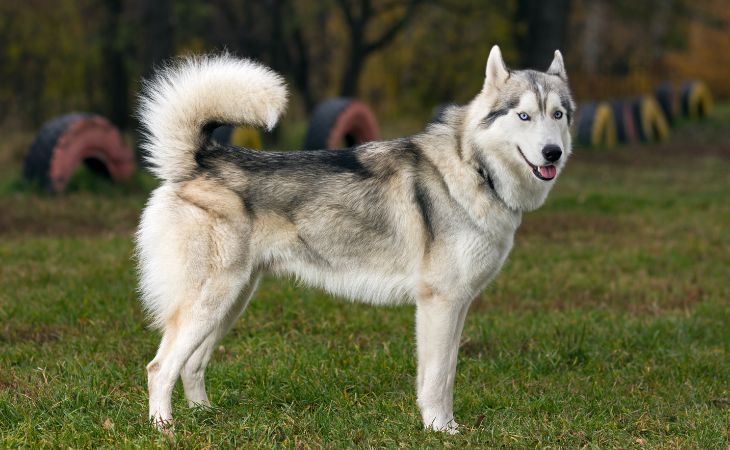
| Height | 50–60 cm |
| Weight | 16–27 kg |
| Lifespan | 12–15 years |
| FCI group | 5 · spitz breeds |
| Origin | Siberia / USA |
Exact ratings
- Cataracts (~10%) and other eye diseases
- Progressive retinal atrophy (PRA)
- Zinc-responsive dermatosis
- Hip dysplasia
- Epilepsy
For a hardy working breed — quality protein and fats under exercise; watch for adequate zinc levels (prone to dermatosis). Don’t overfeed — Huskies gain weight easily when under-exercised.
The Siberian Husky isn’t just a dog – it’s a living legend of the North. The history of this breed is woven with icy winds, heroic deeds, and an incredible endurance that allowed these dogs to conquer hundreds of miles of snowy desert. They became famous worldwide not only for their blue eyes that resemble glacial ice but also for their boundless dedication and, paradoxically, their independant nature. These animals are regulars in scientific expeditions, rescue operations, and sports competitions. However, before bringing one home, it’s worth knowing that a Husky is a lifestyle, not just a yard ornament. Learn more on Tvaryny.
Siberian Husky: Brief Overview and Specs
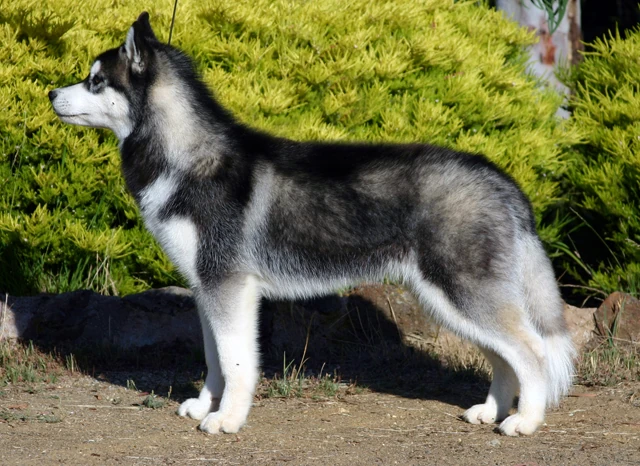
| Characteristic | Description |
|---|---|
| Original Name | Siberian Husky |
| Country of Origin | Russia (Siberia), further development – USA |
| Purpose | Sled dog, companion dog |
| FCI Classification | Group 5 (Spitz and primitive types) |
| Life Expectancy | 12-15 years |
| Weight (Male/Female) | 45-60 lbs / 35-50 lbs (20-28 kg / 15-23 kg) |
| Height at Withers (Male/Female) | 21-23.5 in / 20-22 in (53-60 cm / 50-56 cm) |
| Activity Level | Very High (requires daily intense exercise) |
Breed History: From Chukchi Yurts to the Gold Rush
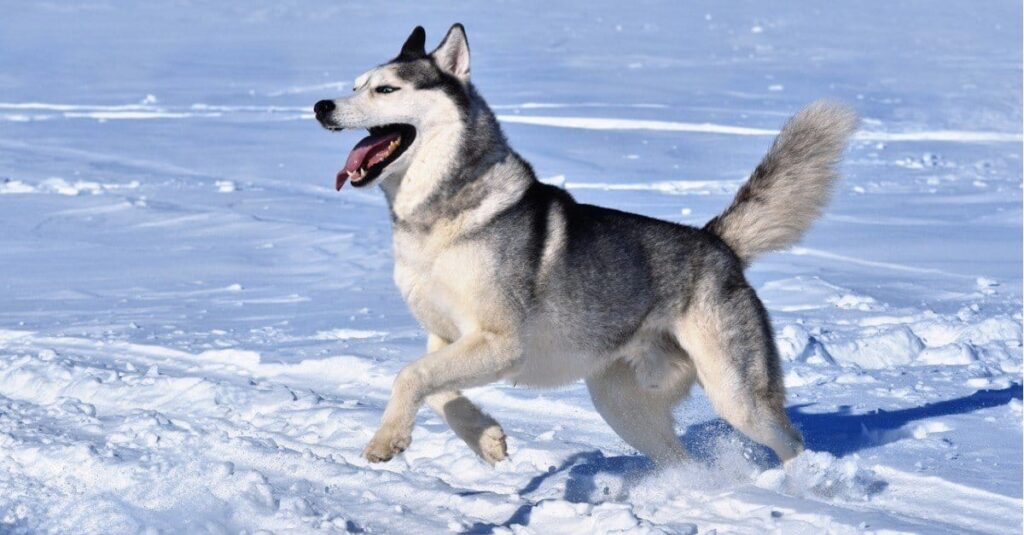
The history of the Siberian Husky goes back thousands of years. It’s believed that the ancestors of these dogs were used as draft animals by coastal tribes in the Far East as far back as the Neolithic era. However, it was the Chukchi people who played the key role in shaping the breed into something close to what we see today. They needed a dog capable of covering vast distances at a moderate speed, hauling light loads in extreme cold. A crucial requirement was minimal food consumption with high energy output. The harsh natural selection and Chukchi breeding created a dog with a unique metabolism.
The turning point in the breed’s history came in the early 20th century, during the Gold Rush in Alaska. In 1908, fur trader William Goosak brought the first team of Siberian dogs to compete in the All Alaska Sweepstakes. Locals called them “Siberian Rats” because of their small size compared to the massive Malamutes. But when that team took third place, attitudes shifted. By the very next year, Charles “Iron Man” Johnson won the race running a team of Huskies.
Real global fame came to the breed with the 1925 Serum Run to Nome (the “Great Race of Mercy”). A diphtheria outbreak in Nome threatened hundreds of lives, and blizzards made delivery by plane or ship impossible. A relay of dog sleds covered 674 miles (1085 km) in just 5 days. Leonhard Seppala and his lead dog, Togo, covered the most difficult and longest stretch (over 260 miles), crossing the cracking ice of Norton Sound. The final leg was run by Gunnar Kaasen’s team, led by Balto, who got the bulk of the media glory – including the statue in New York’s Central Park. However, kynologists and historians rightly consider Togo the true savior of Nome.
Standard of Beauty: What a True Siberian Husky Looks Like
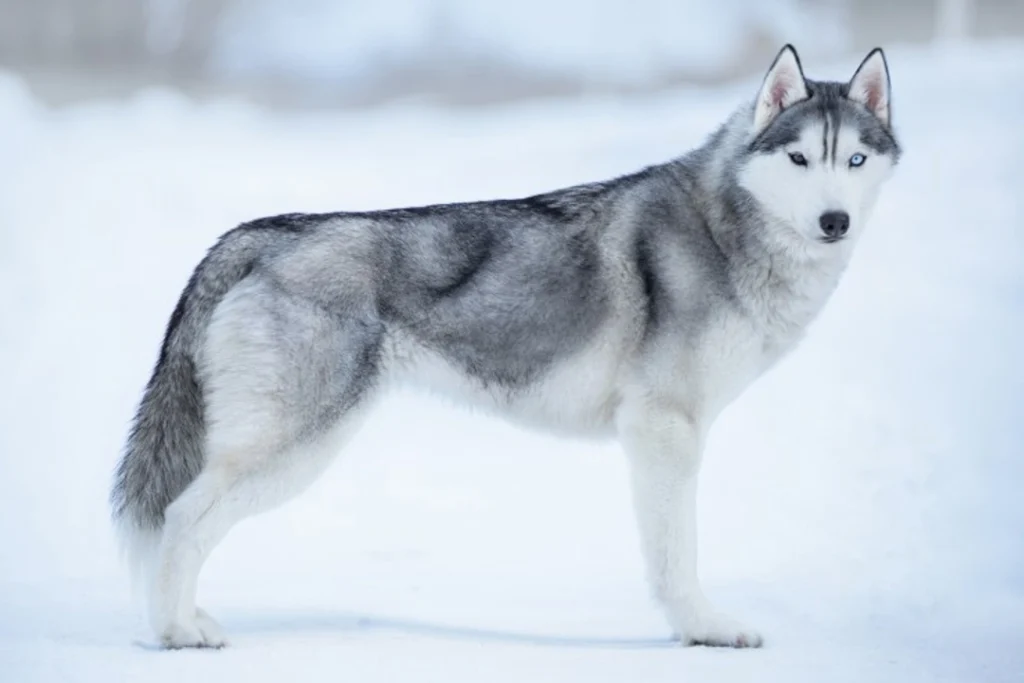
The Siberian Husky is a medium-sized working dog that shouldn’t look too heavy (like a freight hauler) or too light (like a sprinting greyhound). The main feature of their exterior is balance. Husky movement should be light, free, and graceful. Watching the dog in the ring, you should get the impression that it is “floating” above the surface.
- Head: Cranial area is medium-sized, slightly rounded. The transition from forehead to muzzle (stop) is clearly defined. Ears are triangular, medium-sized, set high, thick, well-furred, with tips slightly rounded and pointing strictly upward.
- Eyes: The breed’s calling card. They can be brown, blue, or different colors (heterochromia – one blue, one brown). “Parti-colored” eyes also occur, where two colors blend in a single eye. The Husky’s gaze is keen, piercing, yet friendly and interested.
- Coat: Double, medium length. The undercoat is soft and dense, holding heat perfectly. The guard hairs are straight and smooth. It’s worth noting that Huskies have almost no “doggy” odor, which is a huge plus for apartment living.
- Tail: “Fox-brush” type, fluffy. When calm, it hangs down; when alert or moving, it is carried over the back in a sickle curve, but shouldn’t curl into a tight ring or lay flat on the back.
Temperament & Psychology: A Wolf in Sheep’s Clothing?
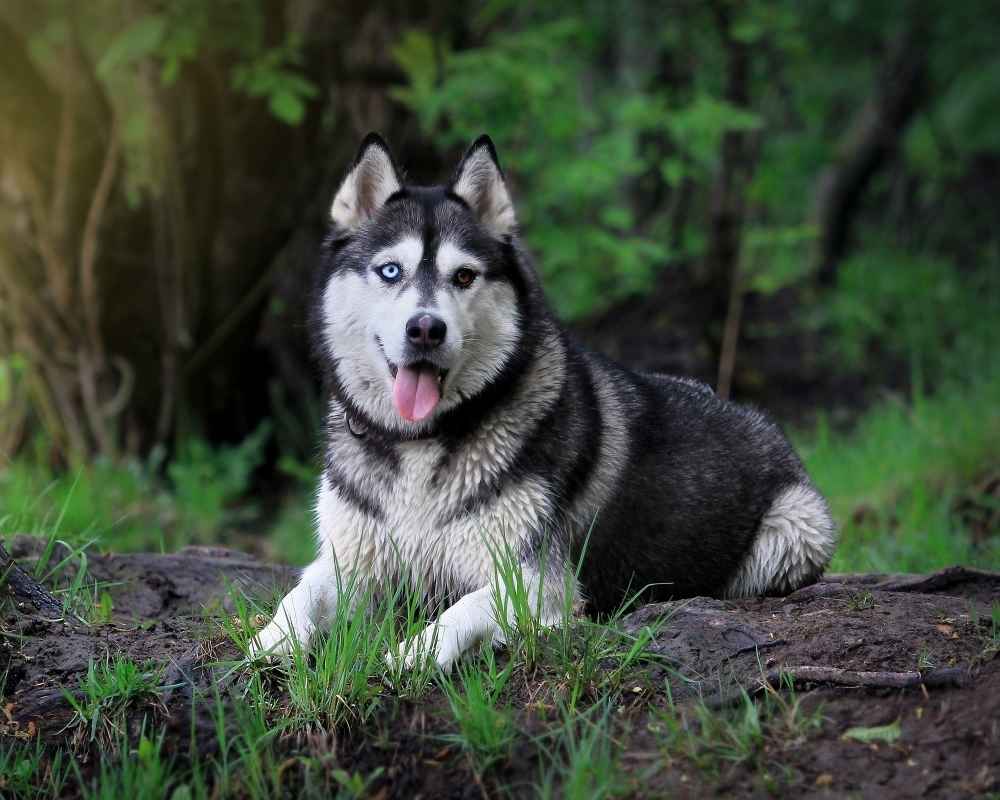
The Husky character is an explosive mix of intelligence, energy, and stubbornness. They are absolutely not aggressive toward people. If you’re looking for a guard dog, a Husky is the worst choice. They will likely greet a burglar with a joyful tail wag and try to lick them to death. This trait is rooted in history: Chukchis allowed dogs to sleep in yurtes to keep the children warm, so any aggression toward humans was punishable by death.
Behavioral quirks breeders don’t always mention
Huskies are pack animals with a strongly developed hierarchy. They won’t serve you just for food or because you’re the “master.” You have to earn a Husky’s respect. They are prone to making independent decisions, which is often mistaken for stupidity. In reality, if a Husky isn’t following a command, he probably just doesn’t see the point of it at that moment.
Another trait is their tendency to escape. Huskies are masters at opening latches, digging tunnels, and jumping high fences. Their drive to explore the world is stronger than their attachment to the yard. They also have a high prey drive regarding small animals (cats, rodents, chickens). Although many confuse them with other breeds, it’s worth distinguishing the specifics. For example, unlike the Podenco Campanero, which is a purebred hunter, the Husky hunts more for entertainment or “self-sufficiency” rather than to retrieve game for the owner.
Variety of Northern Dogs: A Comparison
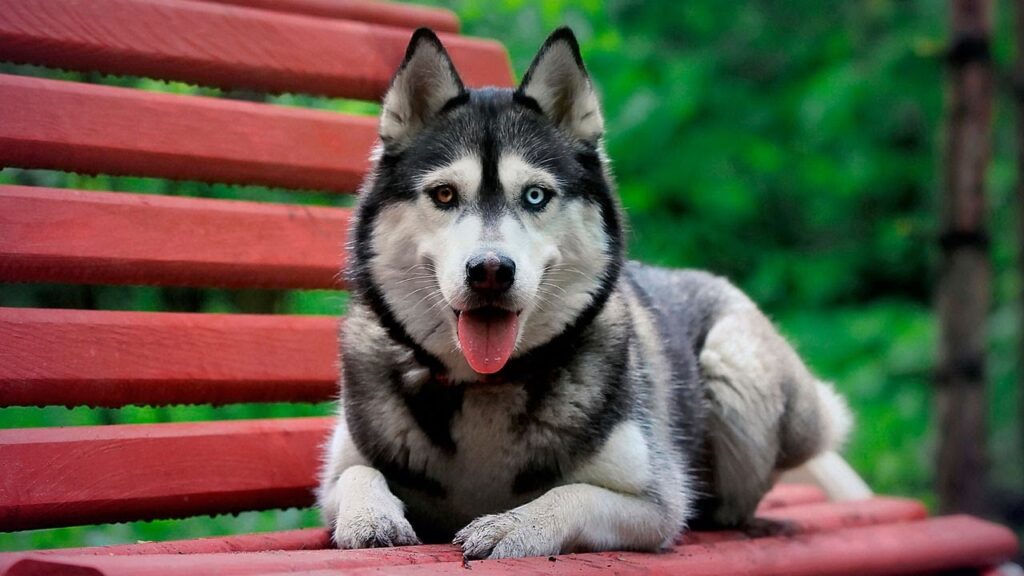
The world of sled dogs is diverse, and it’s easy for a rookie to get confused. Huskies are often mistaken for other breeds, but the differences are significant:
- Alaskan Malamute: Larger, more powerful, and calmer. If the Husky is a sports car, the Alaskan Malamute is a heavy-duty truck.
- Samoyed: Famous for their snow-white coat and “smile.” The Samoyed is more oriented toward herding work and is often noisier.
- Alaskan Klee Kai: If you love the Husky look but are intimidated by the size and exercise needs, check out the Alaskan Klee Kai (Mini Husky). Unlike the working Siberian, this is an ideal option for apartment living.
Care and Maintenance: Life with a “Hurricane”
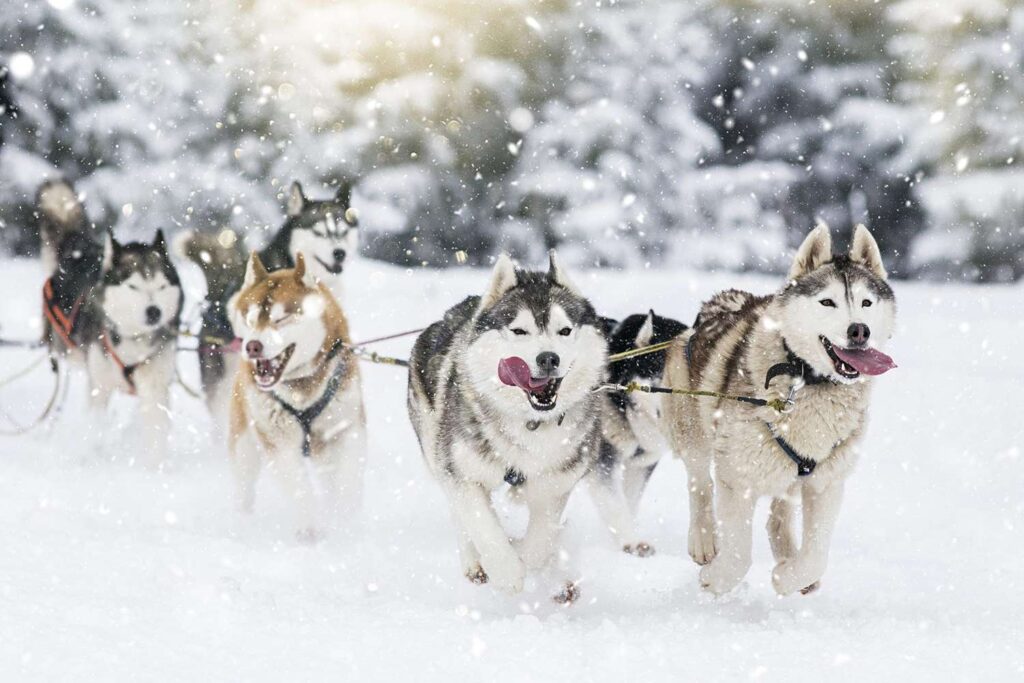
The golden rule of ownership: a tired Husky is a happy Husky (and a saved renovation). These dogs have a vital need for intense physical exertion. A simple walk on a leash won’t cut it. They need running, pulling (canicross, bikejoring, sledding), or play with other dogs. If that energy doesn’t find an outlet, it turns into a destructive force: eaten flooring and chewed-up furniture will become your reality.
Grooming: The War on Fur
Huskies shed. And when we say “shed,” we mean a fur blizzard inside your home. This process happens twice a year (seasonal blowing of the coat) and lasts about 3-4 weeks. During this time, the dog needs daily brushing using a slicker brush and a specialized rake. The rest of the time, a weekly brushing is enough. Never shave a Husky! Their coat acts like a thermos: it keeps them warm in winter and protects them from overheating in summer. A shaved Husky risks heatstroke and sunburn.
Health: Weak Spots of the “Iron” Dog
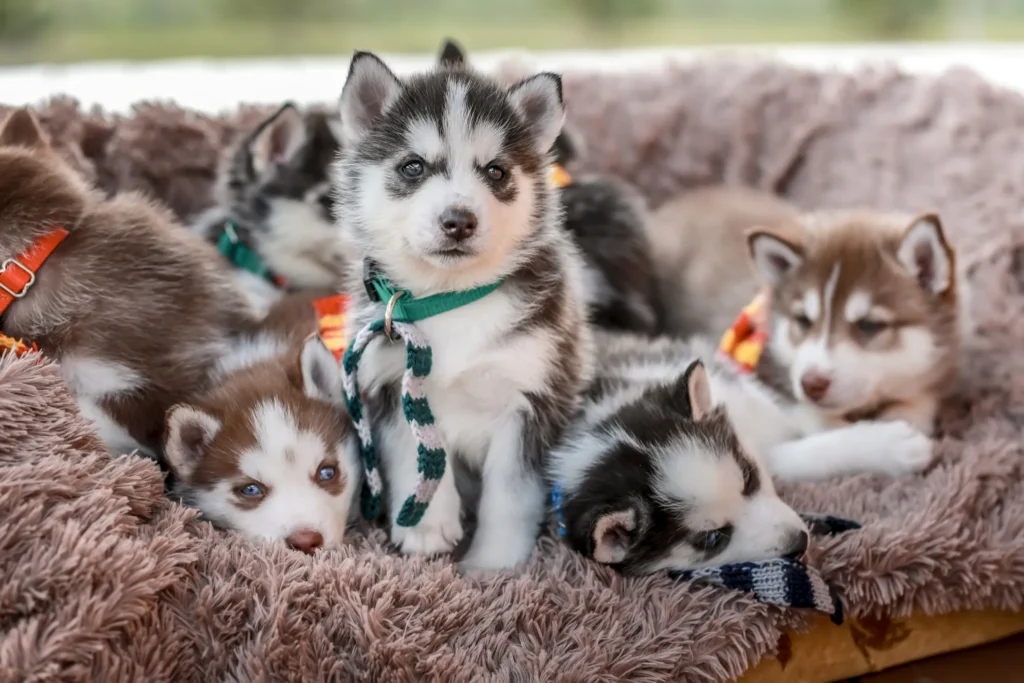
The Siberian Husky is considered a healthy breed, but genetics still leave their mark. It is crucial to choose a puppy from reputable breeders who perform genetic tests on the parents.
| Condition | Symptoms and Description | Prevention/Treatment |
|---|---|---|
| Progressive Retinal Atrophy (PRA) | Vision deterioration in dim light, eventually total blindness. Genetic disease. | No cure. Only genetic testing prior to breeding. |
| Cataracts | Clouding of the eye lens, often seen in young dogs (juvenile). | Surgery. |
| Hip Dysplasia | Lameness, pain when standing up, refusal to run. | Weight control, moderate exercise for puppies, joint supplements. |
| Zinc Deficiency (Zinc-Responsive Dermatosis) | Crusting, hair loss around eyes, mouth, and paws. The body struggles to absorb zinc from food. | Diet and lifelong zinc supplementation. |
| Hypothyroidism | Lethargy, weight gain, poor coat quality. | Hormone replacement therapy. |
Nutrition: Protein-Fat Balance
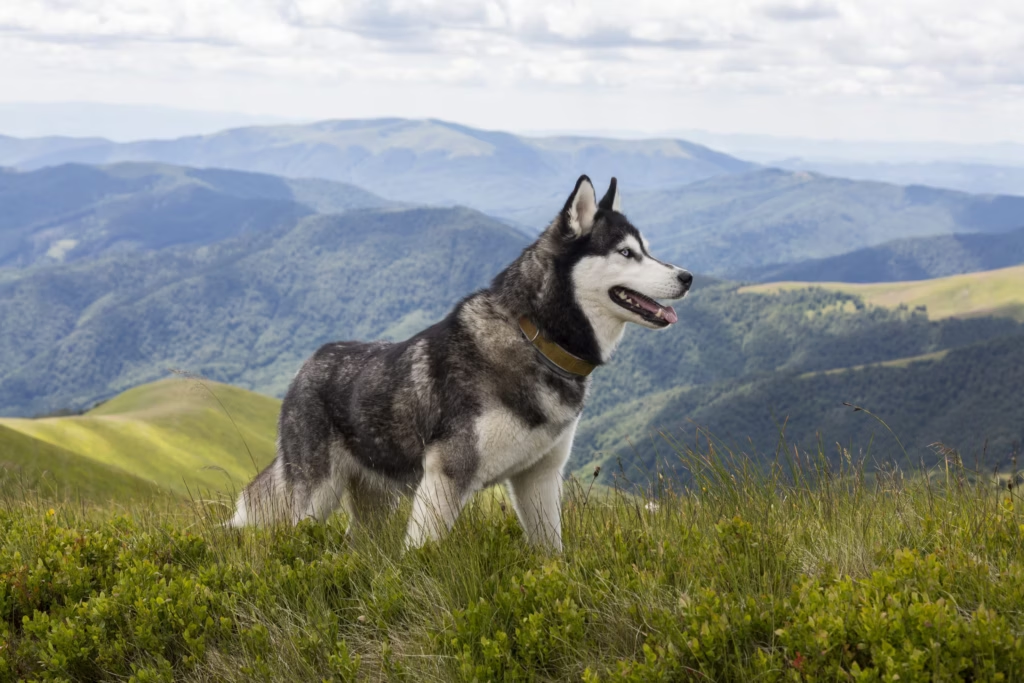
Huskies have a unique metabolism. They are able to digest fatty foods much more efficiently than other breeds. Historically, they ate fatty seal meat and fish. Their diet should be dominated by protein (meat, fish) and fats, with minimal carbs. If you choose dry kibble, look for lines designed for active dogs (Active/Energy) with high protein content. Natural feeding requires careful balancing, espcially regarding zinc content.
Interestingly, decorative dogs have completely different nutritional requirements – for example, the Mi-Ki, for whom fatty food can be quite harmful. So, never transfer one breed’s diet to another without consulting a vet.
Pros and Cons of the Breed
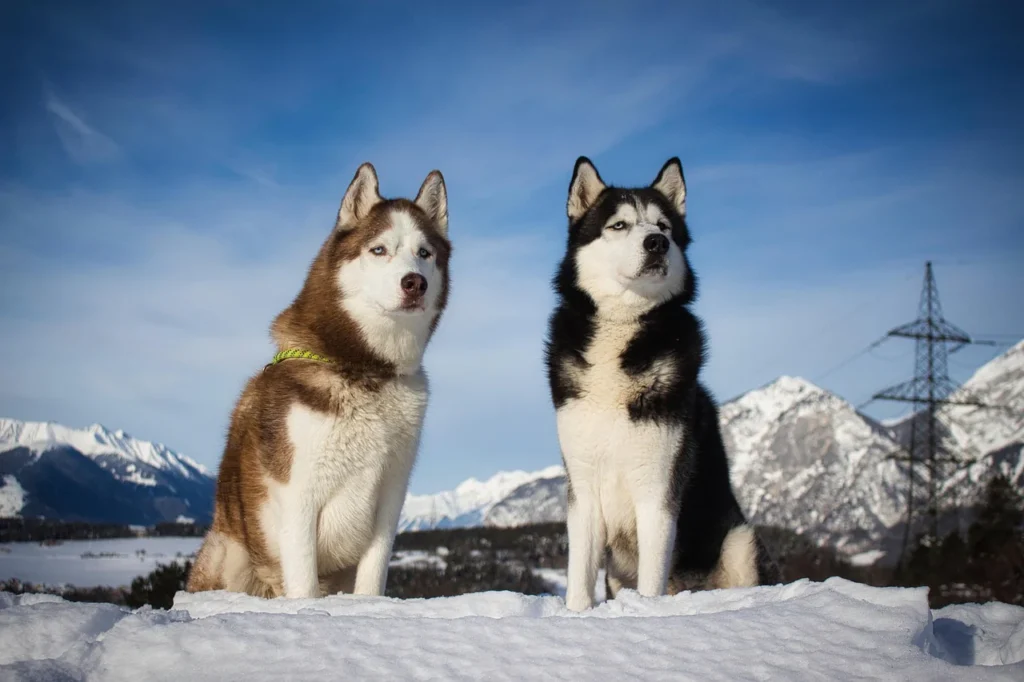
| ✅ Pros | ❌ Cons |
|---|---|
| Friendly toward people and children. | Heavy shedding twice a year. |
| No “doggy” smell, very clean. | Need for massive physical exercise. |
| High intelligence and trainability (with the right approach). | Tendency to howl (“singing” instead of barking). |
| Robust health and endurance. | Prone to escaping and roaming. |
| Great companion for athletic people. | Strong prey drive (danger to cats). |
Interesting Facts About Huskies
- “Snow Nose”: In winter, a Husky’s nose might turn pink or develop light stripes. This phenomenon is called “snow nose” and is normal; pigmentation usually returns in summer.
- Metabolic Phenomenon: Scientists are still studying the Husky’s ability to run for hours without depleting glycogen stores or getting tired as quickly as other mammals. It’s like they “switch” to direct fat burning.
- They don’t bark, they talk: Huskies rarely bark in the traditional sense. They howl, grumble, and make sounds that resemble human speech (“I love you” performed by a Husky is an internet classic).
- Sleeping under snow: Huskies can sleep completely buried in snow. They curl into a ball and cover their nose with their fluffy tail, which acts as a filter to warm the air they breathe.
Frequently Asked Questions (FAQ)
Can you keep a Husky in an apartment?
Yes, but only if you commit to at least 2-3 hours of active walking per day. Without that, your apartment will be destroyed.
Do Huskies get along with cats?
It’s a risk. If the puppy grew up with a cat, there’s a chance. But a Husky will always view stray cats as prey.
How much does a Husky puppy cost?
The price varies depending on the dog’s class (pet, breed, show). Remember that a suspiciously low price usually indicates health or temperament issues.
Are Huskies hard to train?
Yes, this isn’t a Shepherd. A Husky learns commands quickly but only obeys them when they see fit. Patience and motivation are required.
Video About the Breed
- Hardy, built for running
- Friendly, not aggressive
- Clean, almost odorless
- Striking wolfish looks
- Escape artist — digs and jumps
- Strong prey drive
- Sheds heavily twice a year
- Stubborn — hard to train
| Alaskan Malamute | Samoyed | Alaskan Klee Kai | |
|---|---|---|---|
| Height | 58–64 cm | 50–60 cm | 33–43 cm |
| Energy | 4 | 4 | 4 |
| Apartment | 2 | 2.5 | 3.5 |
| Beginners | 2 | 3 | 3 |
Can you let a Husky off the leash?
Do Huskies get along with cats?
Is a Husky suitable for an apartment?
FCI Standard No. 270 · The Kennel Club
For apartments · For kids · For beginners · Active · Smartest · Hypoallergenic · All rankings →