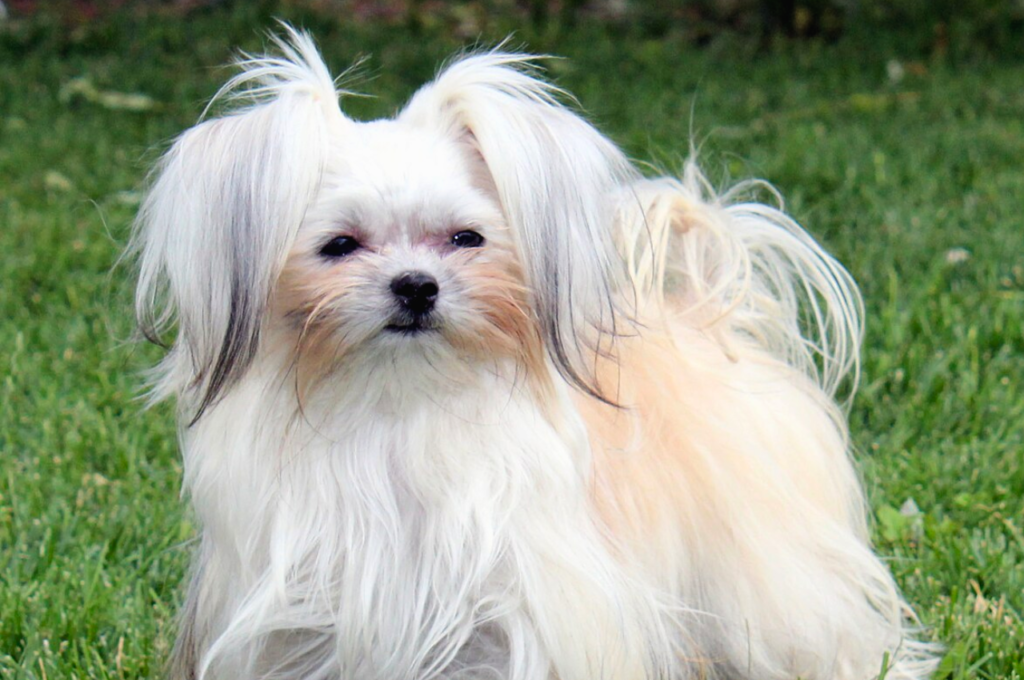
A tiny silky quiet companion with an angelic character: affectionate, calm, sensitive and remarkably quiet. The Mi-Ki is a rare American toy breed bred as the ideal companion dog; affectionate, well-balanced and barely barking, it is excellent for an apartment and for therapy work.
The Mi-Ki is a true gem in the dog world, a wonderful breed for children and families that makes the dream of the perfect lap dog come true. These are small, extremely playful dogs that offer a huge advantage for apartment living: they shed very little, have no specific "doggy odor," and absolutely do not conflict with guests or other pets. Aggression is genetically foreign to this breed, so it is hard - or rather impossible - to force them to guard the house. Instead, like little psychologists, they subtly sense the owner's mood and behave gently and trustingly. Learn more on Tvaryny.
Mi-Ki: A Brief Breed Overview and Characteristics
Mi-Ki: A Brief Breed Overview and Characteristics · 7
Characteristic
Description / Value
Country of Origin
United States of America (USA)
Year First Mentioned
1980s (officially 1983)
Lifespan
13–15 years (often reaching 16–17)
Height
10–11 inches (up to 11.5 inches allowed)
Weight
4–9 lbs (ideal weight 5–8 lbs)
Coat Type
Long coat or Smooth coat (two varieties)
Group
Toy dogs, Companion dogs
Interesting Facts About the Breed
This breed is full of surprises. Here are a few facts that will make you a Mi-Ki expert:
Changeable ears: Puppies can be born with dropped ears that later stand up, or vice versa. Sometimes this happens even in adulthood.
Ability to make sounds: Mi-Kis can make specific sounds similar to a yodel or "purring" when they are happy.
Healthcare: In the USA, Mi-Kis are often used as therapy dogs in hospitals and nursing homes due to their extraordinary empathy and calmness.
History of the Breed: From Idea to Recognition
Particularly popular in Canada and the USA, the Mi-Ki toy dog breed was developed relatively recently. The history of these charming creatures begins in Wisconsin, where a talented breeder, Mrs. Maureen Westberg, presented the result of her many years of selective work. In the 1980s, she set herself the goal of creating the ideal companion dog: small, robustly healthy, with a calm temprament and hypoallergenic coat.
To achieve this goal, she used complex crossbreeding. In the Mi-Ki's genetic code, one can find traces of the noble Maltese, which gave them their coat quality, as well as the Shih Tzu, Tibetan Spaniel, and Yorkshire Terrier. However, they inherited their most distinctive physical features, particularly the structure of the muzzle and eyes, from the Japanese Chin. The refined Continental Toy Spaniel Papillon also played a part in forming the butterfly ears.
The breeder named the new breed after one of her favorite puppies - "Mikki" (later transformed into Mi-Ki). This puppy combined the best features of all its "ancestors" - silky hair, a funny physique, and an extremely affectionate nature. It is worth noting that this is not just a random mixed breed dog, but the result of thoughtful breeding work fixing desirable traits over many generations. The Mi-Ki spent almost half its history without wide recognition from major cynological organizations, such as the American Kennel Club (AKC), due to strict rules for registering new breeds. Today, however, the breed is confidently striding towards global recognition, having its own clubs and standards.
What the Mi-Ki Looks Like: Detailed Appearance
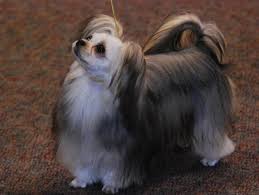
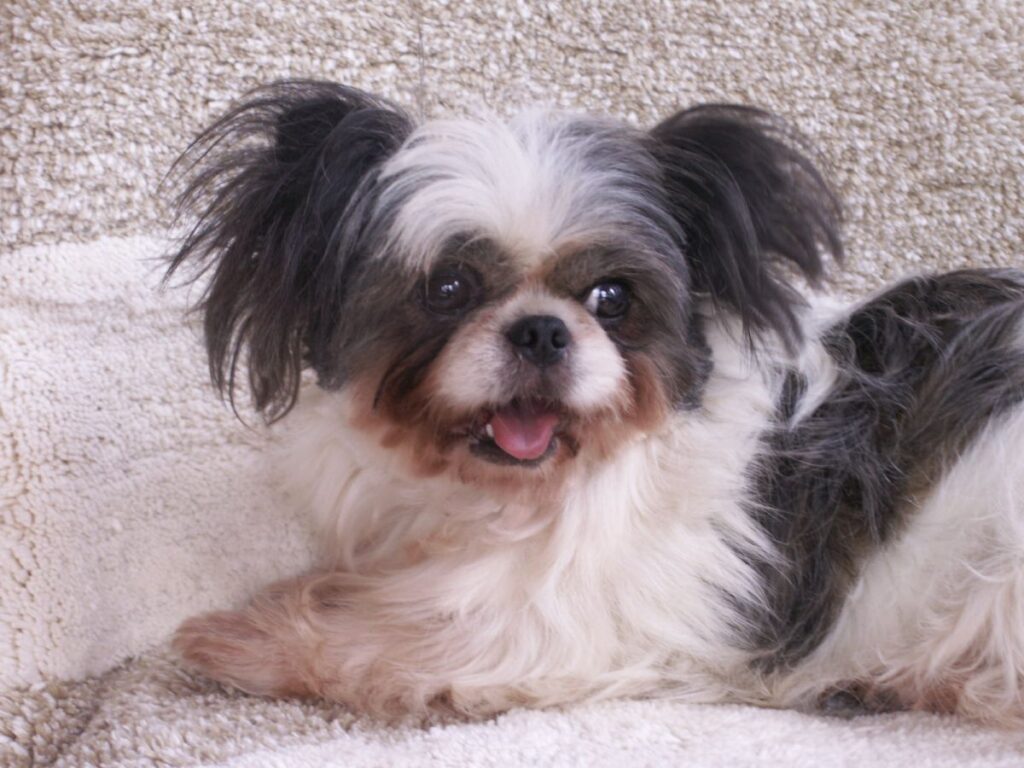
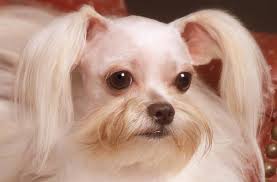
The Mi-Ki is an elegant little dog with a rounded, apple-shaped head and a tail that curls coquettishly into a ring on its back. The Mi-Ki has a very short muzzle (the stop is clearly defined) and large, expressive round eyes that betray strong genes of Eastern breeds in its appearance. Their look is always soft, slightly surprised, and very "human."
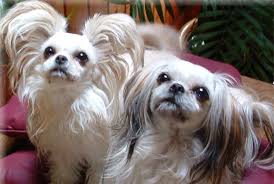
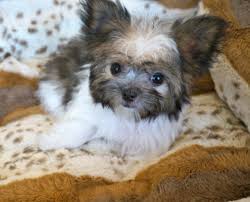
Its tiny nose often has wide nostrils, which is important for free breathing. The ears are a separate source of pride for the breed. They are very mobile and can be of two types:
Erect: Resembling butterfly wings (a legacy of the Papillons);
Dropped: Giving the dog the look of an eternal puppy.
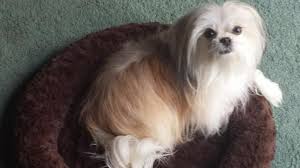
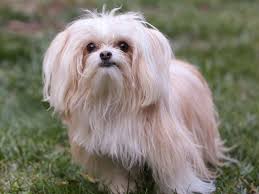
In any case, the ears will be very hairy, as will the dog's tail, decorated with a luxurious plume. An important feature is that representatives of this breed have practically no undercoat, or it is minimal. The color palette is quite broad and is not limited by a strict standard: from snow-white to cream, black, sable, or spotted. The Mi-Ki's coat comes in two types - long silky strands (Long Coat) or short and soft fur (Smooth Coat). It grows thickly between the dog's toes, so it needs regular removal for hygienic purposes. Despite its decorative nature, this tiny "American" retains a strong constitution and always looks stylish.
Character: Temperament and Behavior
One cannot complain about the Mi-Ki's disposition and character; it is one of the most comfortable breeds for life in society. Unlike some other decorative dog breeds that can be hysterical, they are almost never jealous of the owner. Instead, they behave gently and obediently towards them, showing loyalty and a deep understanding of a person's emotional state. They are often called "cats in a dog's body" becuase of their cleanliness and love of washing with their paws.
Such a pet will calmly share living space with other animals, be they cats or large dogs. Compared to the exotic and somewhat independent Moscow Dragon, the Mi-Ki is an absolute extrovert within the family circle. Representatives of the breed are keen on games and walks but do not require marathon runs. They are rarely shy, although they may have a slight reservation with strangers at the first meeting. They are excellent companions for children, bonding strongly with people. It is difficult for them to remain alone for a long time - isolation can cause depression in them. The good-natured Mi-Ki will not make a guard dog, but will bring a lot of joy.
Training and Socialization
The decorative Mi-Ki breed possesses surprisingly good intelligence, breaking stereotypes about "stupid little dogs." On the one hand, the dog is easily trained and can learn many tricks. On the other hand, it is very sensitive to the owner's mood changes. A positive attitude, generous praise, and regular sessions will help to raise and teach the Mi-Ki basic commands ("Come," "Sit," "Stay").
This breed is one of the few that can be easily trained to use a litter box. This is a lifesaver for owners in bad weather. During training, remember that this is a gentle pet, not a service dog. Pressure, yelling, and rough treatment will turn the Mi-Ki into a frightened, uncontrollable animal. Gentle treatment, reinforced with treats, will instead lead to positive results. Socialization should start early: introduce the puppy to various sounds, people, and safe dogs so that it grows up confident.
Pros and Cons of the Breed
Advantages (Pros)
Disadvantages (Cons)
Hypoallergenic: Coat resembles human hair, hardly sheds.
Rarity: Hard to find a purebred puppy, high price.
Quiet: They bark very little, unlike other toy dogs.
Loneliness: They tolerate separation from the owner very poorly.
Compactness: Ideal for small apartments and travel.
Maintenance: Require regular grooming and teeth cleaning.
Health: Have fewer genetic problems than their ancestors.
Temperature: Afraid of the cold due to lack of undercoat.
Adaptability: Easily trained to a litter box or puppy pad.
Fragility: Due to small size, easily injured by carelessness.
Grooming and Hygiene
Considering that the Mi-Ki breed belongs to the classic "couch potato" dogs, it does not matter where this couch is - in a city apartment or a country house. The main thing is that the pet has the opportunity to run around daily, but physical exertion should be moderate. Coat care depends on its type:
Long-haired: Needs daily brushing to avoid tangles.
Smooth-haired: Enough to wipe with a mitt or brush once a week.
Miniature dog breeds often do not know how or do not manage to wear down their claws on the pavement on their own due to their low weight. The owner should shorten them with nail clippers every 2–3 weeks. It is also critically important to clean their teeth with special dog toothpaste at least 2–3 times a week, clean their ears, and wipe the dog's eyes with lotion to prevent tear stains.
Mi-Ki Haircut: Their shaggy coat is usually trimmed three or four times a year. There is a signature Mi-Ki haircut style ("Mi-Ki Cut"), where the muzzle is shaved (like a poodle), the neck in a V-shape, and the paws up to the wrists. This is not only aesthetic but also hygienic - less dirt after eating and walking. In the absence of an undercoat, these little ones are particularly sensitive to the cold, which is worth considering during winter walks - a warm sweater or coat is a mandatory accessory.
Nutrition
Diet: Key Recommendations and Menu
Health and risks
Health: Typical Diseases and Prevention
Frequently Asked Questions (FAQ) · 3
Do Mi-Ki dogs bark a lot? No, this is one of the quietest breeds. They may give voice to warn of guests arriving, but barking without reason is not typical for them.
Is this breed suitable for allergy sufferers? Yes, Mi-Kis are considered a hypoallergenic breed because they have hair, not fur, and hardly shed. However, before buying, it is worth spending time with the puppy to ensure there is no individual reaction.
How much does a Mi-Ki puppy cost? This is an expensive breed due to its rarity. There is no single number — the spread within one litter can be wide. What drives it is the registration paperwork and pedigree, health clearances on both parents, the age the puppy goes home, the class (pet, breeding, or show), and the reputation of the kennel.
Video About the Breed
FAQ
Is it true the Mi-Ki barely barks?
Yes — it is one of the quietest toy breeds; it rarely gives voice, so it suits an apartment and life in an apartment block well.
Is the Mi-Ki suitable for a beginner?
Yes — an affectionate, easy-going and low-maintenance companion; the key is not to leave it alone for long.
How does the Mi-Ki differ from a Papillon or Shih Tzu?
It is a young American breed created with input from toy breeds; it is smaller, quieter and was bred solely as a calm companion dog.