

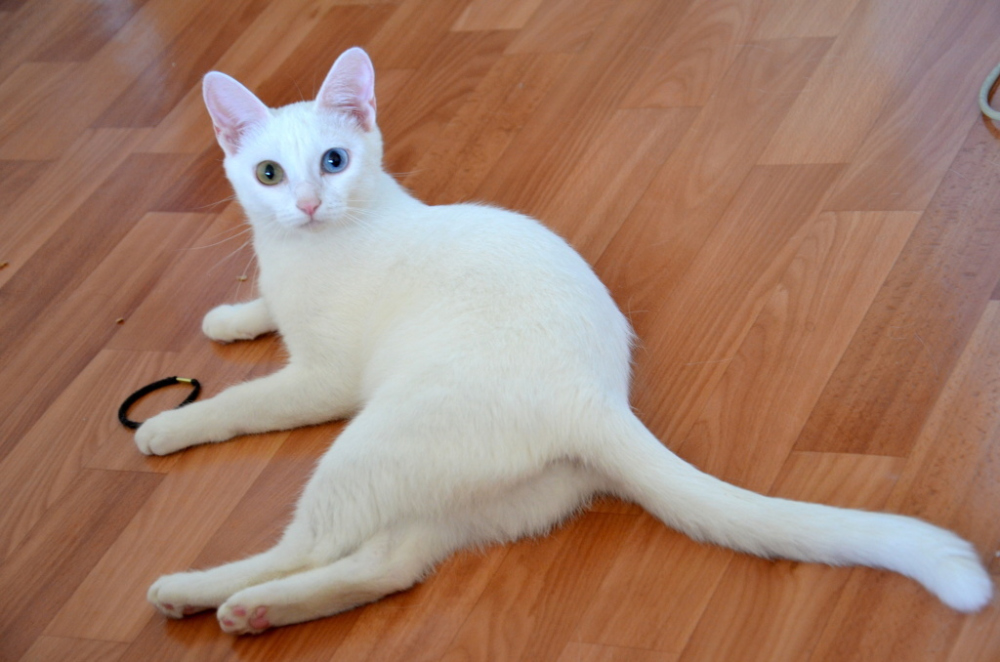
| Weight | 4–7 kg |
| Lifespan | 15–18 years |
| Coat | short, dense |
| Recognition | WCF |
| Origin | Turkey |
Exact ratings
- One of the healthiest cats (a natural breed)
- A tendency to gain weight (appetite control)
- Dental disease (watch)
- Generally very robust health
- Standard care and vaccination
Quality food for active cats, with weight control (a good appetite). Brush the short dense coat once a week; provide play, exercise and — if it wishes — access to water, which the breed loves.
The Anatolian cat, also known as the Turkish Shorthair (Anatolian cat / Turkish short-haired cat), is a remarkable natural breed from the mountainous regions of eastern Anatolia in Turkey. These cats are a true national treasure, embodying the grace of a wild predator and the tenderness of a domestic pet. They are a living testament to natural selection, as the breed was shaped over centuries without human intervention, adapting to harsh climatic conditions. Their history is closely intertwined with the history of Turkey, and their character has won the hearts of cat lovers worldwide. We’ll dive deeper into what makes this breed so unique later on Tvaryny.
This breed, recognized by the World Cat Federation (WCF) under the name “Anatolian,” is a close relative of the famous Turkish Van and Turkish Angora. However, Anatolians possess their own unique feature – a short but very dense coat that requires little grooming. They are large, muscular, and strong animals with incredibly developed intelligence and a playful nature that they retain well into old age. They are very people-oriented, bonding with all family members and often behaving like dogs by fetching toys and following their owners around.
History and Origin of the Anatolian Breed
The history of the Anatolian cat is a tale of survival and natural evolution. The homeland of these animals is the region around Lake Van in Eastern Anatolia (modern-day Turkey). This area is known for its dramatic temperature swings: hot, dry summers and long, snowy, frosty winters. It was these extreme conditions that forged the breed’s unique traits. For millennia, these cats lived alongside humans, but their development was largely a natural process. Only the strongest, most agile, and most intelligent individuals, capable of hunting and adapting to the changing environment, survived.
Researchers believe that Anatolian cats are direct descendants of the earliest domesticated cats. Archaeological findings in the region indicate that cats lived alongside humans as far back as the Neolithic period. They were not the product of selective breeding like many modern breeds. Their gene pool is authentic and pure, making them particularly valuable to felinology. Unlike their long-haired relatives, such as the Turkish Angora, Anatolians developed a short but incredibly dense coat with a thick undercoat, which provided perfect protection from both summer heat and winter cold.
Focused study and breeding of the Anatolian only began in the late 20th century. A group of enthusiasts from Germany, impressed by the intelligence, health, and unique character of these cats, initiated a program for their conservation and standardization. They brought several representatives of the breed from Turkey to Europe. Thanks to their work, in 2000 the World Cat Federation (WCF) officially recognized the breed as the “Anatolian cat” and established a standard for it. Today, the breed remains quite rare outside of Turkey and Europe, but its popularity is steadily growing due to its wonderful combination of striking looks, robust health, and an amazing personality.
Appearance and Breed Standards
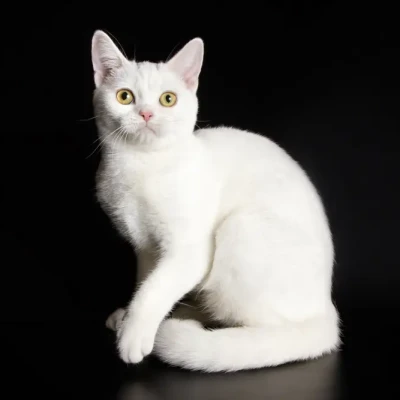
The Anatolian cat is a harmoniously built animal of medium to large size that radiates strength and elegance. Its body is well-balanced, muscular, but not bulky. Males are typically significantly larger and heavier than females. A key feature is their strong bone structure, which is a testament to their natural origins and hardiness.
| Body Part | Description according to the WCF Standard |
|---|---|
| Body | Medium to large in size, strong and muscular. The chest is powerful and well-developed. The limbs are of medium length and sturdy, with rounded, strong paws. The hind legs are slightly longer than the front legs, providing incredible jumping ability. |
| Head | Shaped like a truncated triangle with soft contours. It is of medium length, with a strong chin and an almost straight profile. The forehead transitions smoothly into the nose. |
| Ears | Large, wide at the base, with slightly rounded tips. They are set high and vertically on the head. The inner part is well-furnished with hair. |
| Eyes | Large, oval, and set slightly obliquely. They are expressive and bright. The eye color can be anything from green and yellow to blue, and it is independent of the coat color. Heterochromia (eyes of different colors) is permitted. |
| Tail | Medium in length, well-furred, and proportional to the body. It has a “brush-like” appearance due to the dense coat. It is mobile and tapers to a point. |
| Coat | Short, without a pronounced fluffy undercoat, but very dense. To the touch, it is fine, silky, and “crisp.” The coat is shorter and coarser in the summer, becoming longer and denser in the winter. A key feature is its water-repellent quality. |
One of the main features of the coat is its texture. It doesn’t lie flat against the body, which creates an effect of lightness and volume. This structure provides excellent thermoregulation. The colors of Anatolian cats can be incredibly varied. The WCF standard allows all natural colors, including white, black, red, and cream, as well as their tabby variations (mackerel, classic, spotted). The only colors not permitted are chocolate, lilac, cinnamon, and acromelanic (pointed) patterns, as these are not natural to this landrace breed. The amount of white in a color pattern is not restricted – a cat can be entirely white or have just small white “socks.”
Character and Temperament
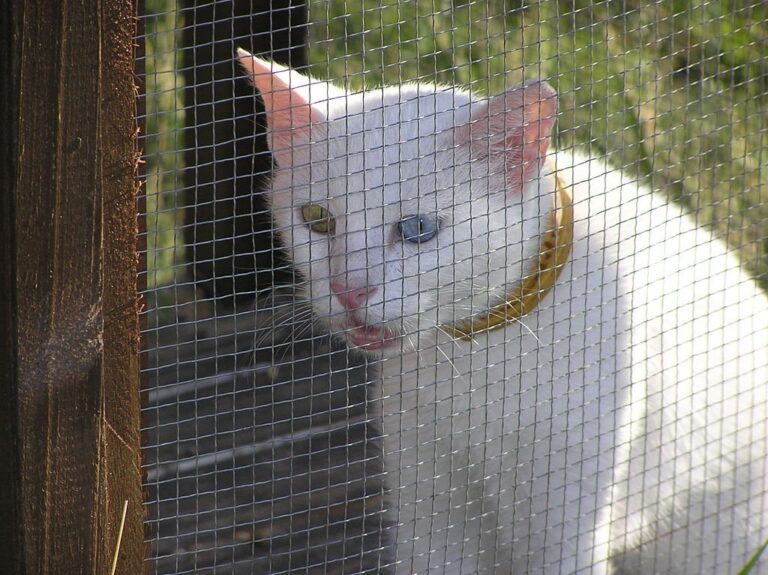
The Anatolian cat’s character is its main calling card. They are exceptionally intelligent, inquisitive, and social animals. Their intelligence is often compared to that of a dog. They are easy to train, can learn to fetch, open doors, and even cabinets. Anatolians become very attached to their family and require constant interaction. They are not “cats that walk by themselves.” This cat will be your constant companion, getting involved in all household chores, whether it’s cleaning or watching television.
- Sociability: They get along wonderfully with children of all ages, showing amazing patience. They also coexist well with other animals, especially dogs, often becoming their best friends.
- Playfulness: Anatolians remain active and playful throughout their lives. They adore interactive toys, laser pointers, and games of hide-and-seek. They need space to burn off energy, so a large apartment or a house with a yard is ideal.
- Voice: This is a very “chatty” breed. But their voice isn’t an insistent meow. They produce a whole range of sounds, similar to chirps or tweets, which they use to “communicate” with their owner. Each sound has its own meaning, and over time, owners learn to understand their pet without words.
- Love of Water: Like their relatives, the Turkish Vans, many Anatolians are not afraid of water; on the contrary, they show a keen interest in it. They might play with drips from the faucet, drop toys into their water bowl, or even join their owner in the shower.
- Hunting Instincts: As a natural breed, they have retained strong hunting instincts. They are excellent hunters of rodents and insects. Even a well-fed cat won’t pass up the chance to hunt a fly or a sunbeam.
It’s important to understand that due to their high intelligence and social nature, Anatolian cats do not cope well with being left alone. If you spend a lot of time away from home, it’s worth considering a second pet to keep your companion from feeling lonely. Their attachment to people is very strong; they are known for their devotion and affection. This breed is not like a typical independent cat; it is more like a companion that needs attention and interaction. Some breeds, such as the American Wirehair, also have a unique coat texture, but the Anatolian’s character is truly special.
Care and Upkeep
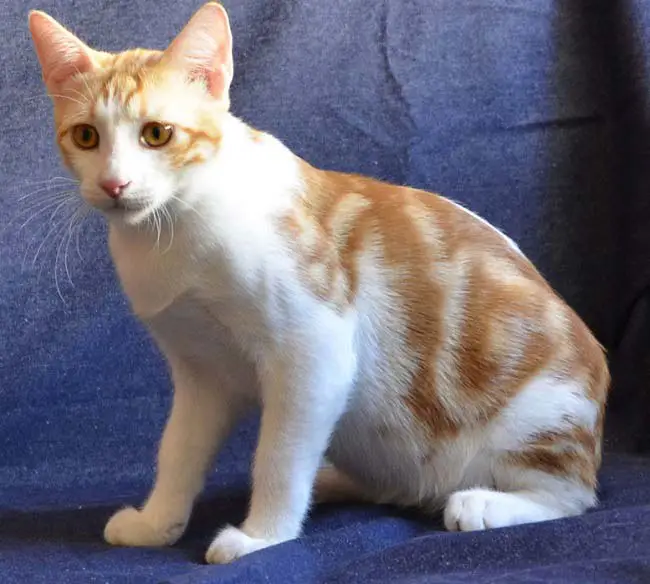
Caring for an Anatolian cat is not difficult, making it an excellent choice even for first-time owners. Their natural heritage has blessed them with robust health and an unfussy nature.
Grooming and Coat Care
The short coat of the Anatolian is not prone to matting. A weekly brush with a special brush or a rubber glove is enough to remove dead hair and massage the skin. During seasonal shedding (in spring and fall), this can be done more ofen, 2-3 times a week. These cats should only be bathed when absolutely necessary, as their coat has water-repellent properties and is self-cleaning. Frequent washing can disrupt the natural oil balance of the skin.
Diet
Anatolian cats are active and muscular animals, so their diet must be rich in animal-based protein. High-quality premium or super-premium dry or wet food is the best choice. It is important to follow the feeding guidelines on the packaging to avoid weight gain, to which they can be prone with a less active lifestyle. Always ensure your cat has access to fresh, clean drinking water. Given their fondness for running water, a water fountain is a great idea.
Physical Activity and Play
This is a very energetic breed. For a happy life, an Anatolian cat needs daily physical and mental stimulation. Be sure to furnish your home with a tall cat tree or activity center where the cat can climb, jump, and scratch. Provide a variety of toys: balls, feather wands, and interactive puzzles. Dedicate time each day for playing together; this will strengthen your bond and help your pet release pent-up energy. Remember, a bored Anatolian might start to find its own entertainment, and you may not like the results.
Health and Breed-Specific Conditions
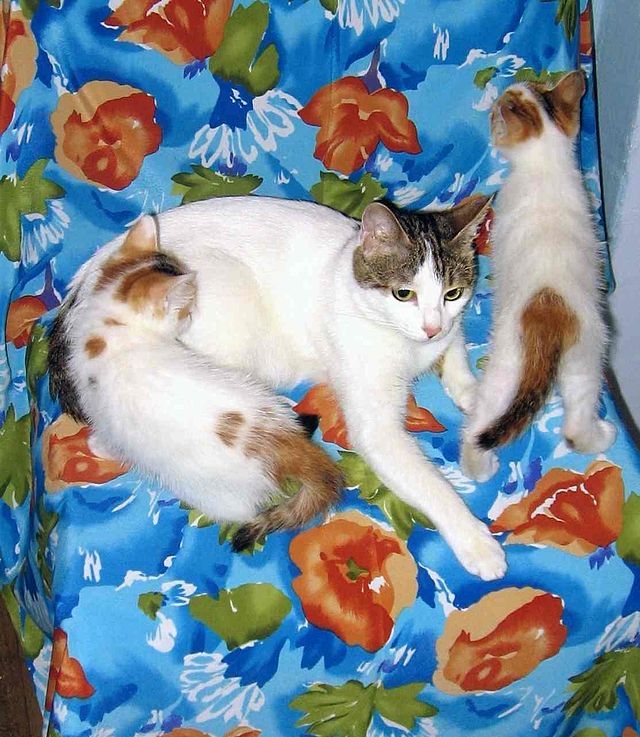
Thanks to their natural origin, the breed is hardy, yet it has predispositions of its own, set out below. No one has studied this small breed systematically, so no list of hereditary diseases exists for it — that is a gap in the data, not evidence of health. They have a strong immune system and a long life expectancy, often reaching 15-20 years. However, like any domestic cat, they are not immune to common feline ailments.
| Problem/Condition | Description and Prevention |
|---|---|
| Obesity | With insufficient activity and an improper diet, Anatolians can become overweight. Prevention involves portion control, a balanced diet, and regular playtime. |
| Urinary Tract Issues | A common problem for many cats. Prevention includes ensuring sufficient water intake (water fountains help), a quality diet, and regular vet check-ups. |
| Dental Problems | Tartar and gingivitis can occur with age. It is recommended to regularly check their mouth, use special dental foods or treats, and, if necessary, have a professional cleaning at the vet’s. |
| Hypertrophic Cardiomyopathy (HCM) | While not specific to the breed, this is the most common heart disease in cats overall. Responsible breeders screen their breeding cats. Regular cardiac check-ups are recommended, especially for older animals. |
It is important not to forget about routine vaccinations, parasite treatments (fleas, ticks, worms), and annual preventative check-ups with the vet. This will help detect any problems at an early stage and keep your beloved pet healthy for years to come.
Pros and Cons of the Breed
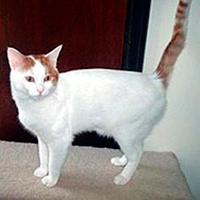
Before getting an Anatolian cat, it’s wise to weigh all the pros and cons to see if this breed is the right fit for you and your lifestyle.
| ✅ Pros | ❌ Cons |
|---|---|
| High intelligence: Easy to train, understand commands, very clever. | Needs attention: Does not tolerate being alone well; not suitable for very busy people. |
| Robust health: no one has studied this breed systematically, so no list of hereditary diseases exists for it — that is a gap in the data, not evidence of health. | High activity level: Requires a lot of space for games and physical exercise. Not the best choice for a small apartemnt. |
| Sociable and friendly: Gets along excellently with children and other animals, including dogs. | “Chatty”: Their constant “chirping” might not be to the liking of those who prefer quiet. |
| Strong bond with people: Very loving and devoted companions, focused on their family. | Overly inquisitive: Their intelligence and agility can lead them into cabinets and other forbidden places, requiring extra safety measures. |
| Low-maintenance grooming: The short coat does not require complicated care. | Rarity: Finding a kitten from a cattery can be difficult and expensive. |
| Playful: They remain active and love to play throughout their lives. |
Interesting Facts About the Anatolian Cat
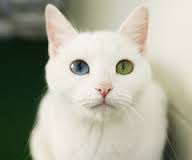
- National Treasure: In Turkey, Anatolian cats, along with Turkish Vans and Angoras, are considered a national treasure, and their export is strictly controlled.
- High Jumpers: Thanks to their powerful hind legs, they are excellent jumpers and can easily leap onto the highest cabinet or refrigerator.
- “Dog-like” Behavior: Many owners note that their Anatolians behave like dogs: they fetch toys, greet them at the door, follow them around, and can even be trained.
- Water-Repellent Coat: The unique structure of their coat prevents it from getting wet. If you pour water on the cat, the droplets will simply roll off without reaching the skin. This trait helped them survive snowy winters.
- Odd-Eyed: Heterochromia (one blue eye and one green or yellow eye) is quite common and permissible by the breed standard, especially among white individuals. It is not considered a defect and does not affect the animal’s vision.
Frequently Asked Questions (FAQ)
Do Anatolian cats shed a lot?
Yes, they have a seasonal shed, usually in the spring and fall. During this period, their short but dense fur can be left on furniture and clothing. Regular brushing (2-3 times a week) at this time will significantly reduce the amount of hair in the home. For the rest of the year, shedding is moderate.
Are Anatolian cats suitable for living in an apartment?
They can live in an apartment, provided it is spacious enough. It is critically important for them to have room to run and play. A tall cat tree or activity center is a must to satisfy their need to climb. This breed is not suitable for small studio apartments due to its high energy level.
How does the Anatolian cat differ from the Turkish Van?
Although both breeds come from the same region of Turkey and share similar traits (a love for water, sturdy build), the main difference is the coat. The Anatolian cat has a short coat all over its body. The Turkish Van is a semi-longhair breed, with a coat that is significantly longer, especially on the tail. Also, the Turkish Van is known for its classic “Van” pattern (a white body with colored markings on the head and tail), whereas Anatolians can have any natural coloration.
How much does an Anatolian kitten cost?
The Anatolian is a fairly rare breed outside of Turkey and some European countries. The price for a kitten from an official cattery can be high and will depend on the pedigree, the kitten’s class (pet, breed, or show), and the breeder’s reputation. A cheap kitten sold without papers almost always costs more in the end: the screening the parents never had shows up later at the vet.
- One of the healthiest and longest-lived cats
- Strong, hardy, clever
- Independent but sincerely devoted to its family
- An excellent hunter, loves water
- Active — needs exercise and activity
- Independent — chooses the moment for affection itself
- Can be vocal
- A tendency to gain weight (a good appetite)
| Turkish Van | Turkish Angora | European Shorthair | |
|---|---|---|---|
| Weight | 3–8 kg | 2.5–5 kg | 3.5–7 kg |
| Energy | 4 | 4 | 3.5 |
| Apartment | 4.5 | 4.5 | 5 |
| Beginners | 3.5 | 3.5 | 4.5 |
How does the Anatolian differ from the Turkish Van?
How healthy is the Anatolian?
Is it true the Anatolian loves water?
WCF standard (Anatolian)
For apartments · For kids · For beginners · Most affectionate · Quietest · Hypoallergenic · All rankings →