

| Weight | 3.5–7 kg |
| Lifespan | 14–20 years |
| Coat | short, dense |
| Recognition | FIFe · WCF |
| Origin | Europe |
Exact ratings
- “Healthy” here means no mass syndrome, not no risk
- A tendency to gain weight (appetite control)
- Dental disease (watch)
- Generally very robust health
- Standard care and vaccination
Quality food for house cats, with weight control (a good appetite, loves to hunt and eat). Brush the short dense coat once a week; provide play and exercise for its hunting temperament.
The European Shorthair isn’t just another pet; it’s a living piece of history and a testament to the natural evolution of cats on the European continent. Unlike many other breeds created through selective breeding for specific, sometimes extreme, traits, the European Shorthair was standardized to preserve the original, natural type of a robust, healthy, and adaptable cat. These cats have lived alongside people for centuries, serving as excellent companions while maintaining their natural hunting instincts and a certain level of independence. They are known for their exceptional health, easygoing nature, and well-balanced appearance. Plus, their short, dense coat requires minimal maintenance, making them a breeze to care for. You can learn more about this breed and others, like the Havana Brown, by checking out more on Tvaryny.
European Shorthair: Breed Overview
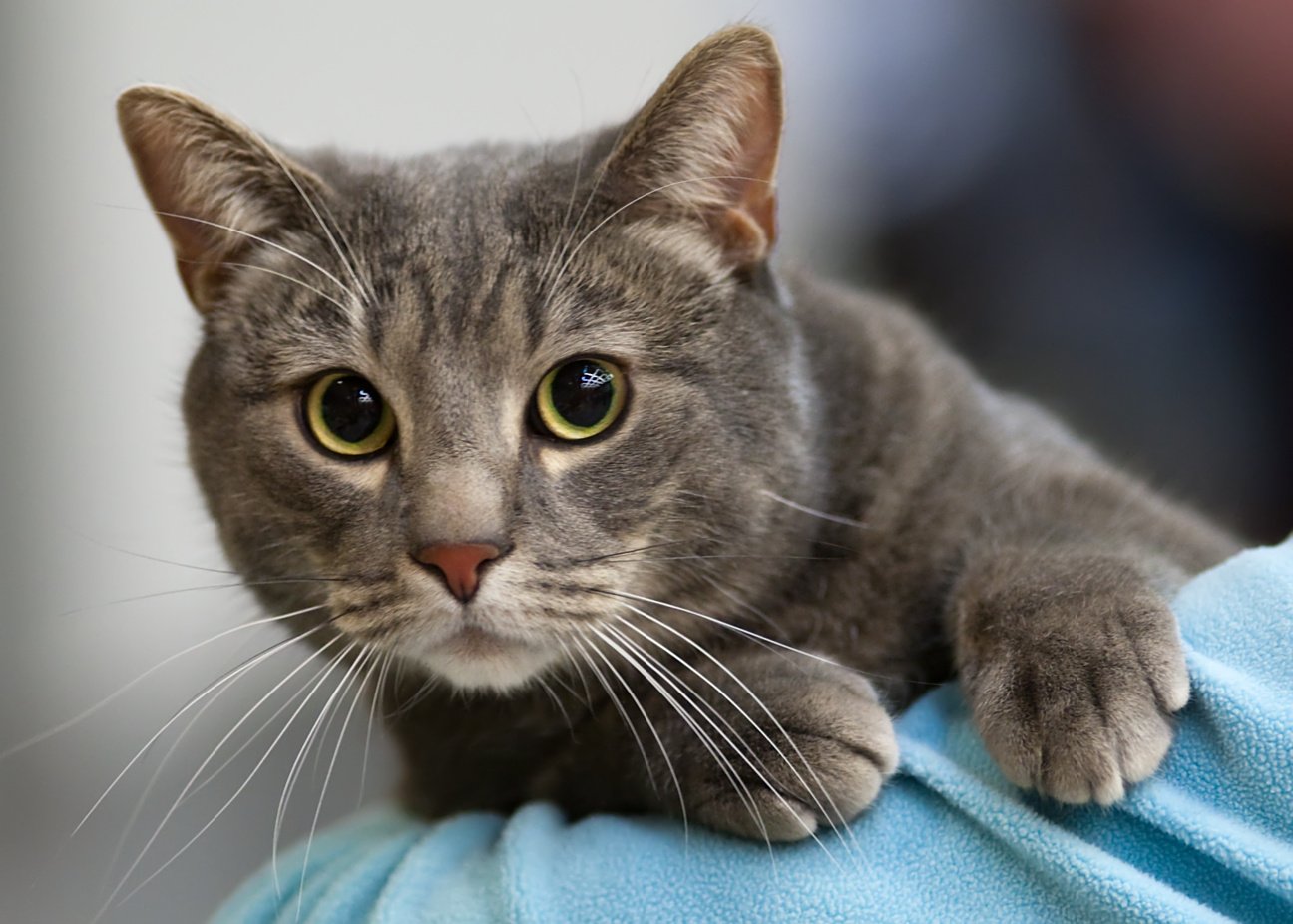
| Characteristic | Description |
|---|---|
| Origin | Continental Europe (standardization primarily in Scandinavia, especially Sweden) |
| Time of Origin / Recognition | Natural formation over centuries; FIFe recognized it as a distinct breed in 1982 / 1983 |
| Life Expectancy | 14–18 years (average 15–17, often longer) |
| Height at Withers | ~12–14 inches |
| Weight | Females 8–11 lbs; males 10–15 lbs |
| Temperament | Varied; generally intelligent, adaptable, playful, and a good hunter; can be both affectionate and independent |
| Grooming | Very low (weekly brushing) |
| Activity Level | Moderate |
| Vocalization | Moderate |
| Compatibility with Children | Generally good (depends on temperament and socialization) |
| Compatibility with Other Pets | Generally good (depends on temperament and socialization) |
History of the European Shorthair
The history of the European Shorthair is a unique case in the world of cat fancy. Instead of creating a new breed by crossing different types, breeders aimed to preserve and standardize the type of domestic shorthair cat that had naturally developed and existed across Europe for centuries. These cats were descendants of ancient felines that spread across the continent with the Roman Empire, adapting to local conditions and playing a crucial role in pest control.
For a long time, these cats were not distinguished as a separate breed. In the mid-20th century, particularly in Scandinavia (with Sweden playing a key role), a movement began to recognize this “original” European cat. Up until then, similar cats were often registered or shown as British Shorthairs. However, Scandinavian breeders felt that the British breed was becoming increasingly massive and “cobby” in type, with overly plush fur, and was losing the characteristics of a natural, working cat.
The goal was to create a standard that described a harmonious, robust, but not exaggerated, medium-sized cat—essentially, the “ideal” representative of the common European household cat. After years of work and discussion, the Fédération Internationale Féline (FIFe) officially recognized the European Shorthair as a distinct breed in 1982 (some sources say 1983).
It’s crucial to distinguish between a pedigreed European Shorthair (with a pedigree that meets the FIFe standard) and a common domestic cat without a pedigree. While they might look very similar, the European Shorthair is the result of deliberate selection to preserve a specific phenotype.
Today, the breed remains most popular and recognized in Scandinavia and continental Europe under the FIFe umbrella. Major British (GCCF) and American (CFA, TICA) organizations do not recognize it as a separate breed.
Appearance of the European Shorthair
The European Shorthair’s standard describes a harmonious, robust, and muscular animal of medium to large size, without any exaggerated features. It embodies the “golden mean” of the feline world.
- Body: Strong and muscular, with a well-developed, broad chest. Not short and stocky (“cobby”), but not overly slender either. The body is medium to large in length.
- Legs: Strong, medium in length, and sturdy, ending in round, firm paws.
- Tail: Medium length, fairly thick at the base, and tapers to a rounded tip.
- Head: Fairly large, with a shape resembling a rounded triangle, slightly longer than it is wide. The forehead and skull are slightly rounded. Cheeks are well-developed, especially in adult males. The nose is straight and medium in length, without a “stop” or break. The chin is strong and rounded.
- Ears: Medium-sized, slightly rounded at the tips, and may have tufts. They are set fairly wide apart and almost vertical. The height of the ears is roughly equal to their width at the base.
- Eyes: Large, round, and set wide apart and slightly slanted. The eye color should be pure, bright, and harmonize with the coat color (yellow, orange, green). In white cats, eyes can be blue or odd-colored (one blue, one yellow/orange/green).
- Coat: Short, dense, resilient, and glossy. It lies close to the body. The texture should be firm, not overly soft or “plush.”
Permissible Colors
The FIFe standard for the European Shorthair allows a wide range of traditional “natural” colors, with the exception of those that indicate hybridization with other breeds (e.g., colorpoint). Permissible colors include:
- Solids: Black, white, blue, red, cream.
- Tortoiseshells: Black, blue tortoiseshell.
- Tabbies (all traditional colors): Classic, mackerel, spotted.
- Silver Variations: Silver tabbies, smoke.
- With White (bi-colors): Any of the above colors in combination with white (the amount of white can vary).
Differences from the British Shorthair
| Characteristic | European Shorthair | British Shorthair |
|---|---|---|
| Body Type | Strong, muscular, well-proportioned, not cobby | Massive, stocky, cobby-type, broad chest |
| Head | Slightly longer than wide; rounded contours | Large, round, broad skull, massive cheeks |
| Coat | Short, dense, resilient, glossy, close-lying | Short, very dense, “plush,” crisp texture, stands out from the body |
| Overall Impression | Natural, harmonious, “working” cat | “Teddy bear” look, massive, calm |
European Shorthair Personality: Temperament and Behavior
Because the breed was standardized based on a large population of domestic cats with diverse backgrounds, the European Shorthair’s personality can be quite varied. There is no single “typical” temperament like in some highly specialized breeds. However, some common traits often stand out:
- Adaptability: They are generally very good at adapting to different living conditions and family rhythms. They easily adjust to new homes.
- Intelligence: These are smart and clever cats, capable of learning and solving simple problems.
- Activity Level: They are typically moderately active. They can be playful and energetic, especially when young, but also appreciate a calm rest and nap.
- Independence and Affection: Many European Shorthairs retain a certain independence, characteristic of their ancestors. They are content to do their own thing. At the same time, most become attached to their owners, can be affectionate, and may seek out physical contact, but they are generally not clingy. The degree of affection can vary greatly from cat to cat.
- Hunting Instincts: They often have highly developed hunting instincts, which makes them skilled mousers.
- Friendliness: They are usually friendly and tolerant. They get along well with children and other pets if they’ve been properly socialized. However, as with any cat, interactions with small children should be supervised.
- Even-tempered: They typically have a stable, calm temperament and are not prone to nervousness or aggression.
When you choose a European Shorthair, remember that you’re getting a cat with a personality that can be a unique blend of gentleness, playfulness, and independence.
European Shorthair Health: Common Issues and Prevention
One of the most significant advantages of the European Shorthair is its exceptional health and strong immune system. This is a direct result of its natural origin and wide genetic diversity.
- The absence of described hereditary disease is not the absence of risk — breeding animals are screened all the same.
- Strong immunity: Thanks to natural selection, these cats typically have a good immune system and resistance to common infectious diseases (provided they are vaccinated on time).
- Longevity: European Shorthairs are often long-lived, with a life expectancy that frequently exceeds 15-17 years, and sometimes reaches 20 years or more with proper care.
- General feline issues: Of course, they are not immune to general problems that can arise in any cat:
- Dental diseases: Gingivitis, tartar.
- Obesity: Especially with insufficient activity and overfeeding.
- Injuries: If the cat has outdoor access.
- Age-related diseases: Arthritis, chronic kidney failure in old age.
Therefore, to maintain the health of a European Shorthair, standard preventive measures are sufficient:
- Regular veterinary check-ups (once a year for adults, more often for kittens and seniors).
- Timely vaccinations and parasite control (fleas, ticks, worms).
- High-quality, balanced nutrition and weight management.
- Dental care.
- Ensuring a safe environment.
Grooming the European Shorthair
Caring for a European Shorthair is extremely simple and doesn’t require much time or special skills.
- Coat care: Their short, dense coat requires minimal attention. Simply brush your cat once a week with a slicker brush or a rubber grooming mitt to remove dead hair and keep the coat in good condition. During seasonal shedding (spring and fall), you can increase the frequency to 2-3 times a week to reduce the amount of hair in your home.
- Bathing: This is needed very rarely, only in cases of heavy soiling. Most European Shorthairs are excellent at keeping themselves clean.
- Nail care: Trim their nails regularly (every 2-4 weeks) with a special cat nail trimmer, especially if the cat lives exclusively indoors. A scratching post is essential.
- Ear and eye care: Periodically check their ears for cleanliness and signs of inflammation. Their eyes usually don’t need care, apart from wiping away any natural discharge from the corners.
- Dental care: Regular brushing with a special toothbrush and cat toothpaste will help prevent gum and teeth problems.
Training and Socialization
European Shorthairs are smart cats, but their trainability and willingness to cooperate can vary depending on their individual personality.
- Learning: They are perfectly capable of learning basic rules (litter box, scratching post) and responding to their name. Some cats might learn simple tricks, especially if you use a game-based approach and positive reinforcement (treats, praise). As mentioned in the source text, initial lessons for kittens should be short.
- Independence: It’s important to remember their potential for independence. Not all European Shorthairs will be enthusiastic about performing commands, so don’t push them too hard.
- Socialization: Early socialization is crucial for developing a friendly and well-adjusted character. Introduce your kitten to different people, sounds, and, if possible, other animals. For example, some people have success with breeds like the Devon Rex, which is a very social breed.
- Stimulation: Provide your cat with plenty of toys and opportunities to express its natural behaviors (climbing, hunting toys), especially if it lives exclusively indoors.
Feeding the European Shorthair: Key Recommendations
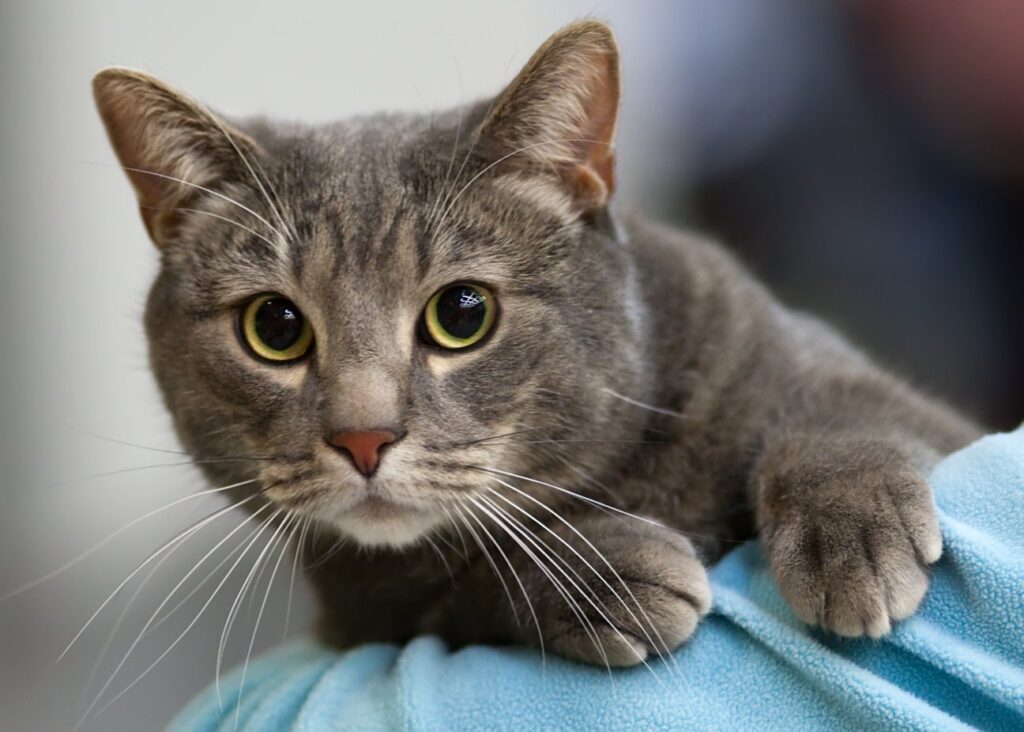
Generally, European Shorthairs don’t have specific dietary needs, but the quality of their food directly impacts their health and appearance.
- Food Quality: Whether you choose commercial food or a raw diet, quality should be the priority. Inexpensive, budget-friendly foods with low meat content and lots of fillers won’t provide your cat with all the necessary nutrients. Choose premium, super-premium, or holistic-grade foods.
- Balanced Diet: The diet should be balanced in protein (animal protein is key), fats, and carbohydrates, and also contain essential vitamins and minerals.
- Weight Control: European Shorthairs, especially spayed/neutered and indoor cats, can be prone to gaining weight. It’s important to feed them carefully measured portions 2-3 times a day and not overdo it with treats.
- Homemade Food: If you’re preparing food for your cat yourself, the diet should include meat (the main component), organ meats, a small amount of cooked vegetables and grains, and fermented dairy products. This type of diet absolutely requires supplementing with special vitamin and mineral complexes for cats, chosen in consultation with a vet.
- Fresh Water: Always provide free access to clean drinking water.
Pros and Cons of the European Shorthair
| Pros | Cons |
|---|---|
| Exceptional health and longevity: the absence of described hereditary disease is not the absence of risk — breeding animals are screened all the same. | Variety of personalities: temperament can be unpredictable (from very affectionate to very independent). |
| Very simple coat care: low-maintenance grooming. | Not recognized by all feline organizations (outside of the FIFe system). |
| Adaptability: adjusts well to different living conditions. | Can be mistaken for a regular domestic cat: the breed’s aesthetic is its “ordinariness.” |
| Harmonious, natural appearance without extreme traits. | Strong hunting instincts: may pose a threat to small animals if allowed outdoors. |
| Intelligent and clever. | Level of affection can be lower than in some other breeds. |
| Usually gets along well with children and other pets. | Relatively rare as a pedigreed cat with a certified lineage. |
| A good hunter (if that’s a plus for you). | Prone to obesity with improper care. |
Interesting Facts About European Shorthairs
- A Living Standard: This breed was not created for exotic looks but to capture and preserve the “golden standard” of the common European domestic cat that evolved naturally over centuries.
- Scandinavian Roots: While cats of this type lived all over Europe, the main work of standardization and recognition of the breed was done in Sweden and other Scandinavian countries.
- Not a Brit: They are often confused with the British Shorthair, but the European cat has a less massive body, a less round head, and a different coat texture (less plushy).
- Diversity within the Standard: Due to their broad genetic base, there is a noticeable variety in both appearance (within the standard) and personality even within the breed.
- Finland’s National Cat: The European Shorthair is considered the national cat breed of Finland.
Frequently Asked Questions (FAQ)
How does a European Shorthair differ from a regular domestic cat? The main difference is the presence of a pedigree and compliance with the FIFe breed standard. A European Shorthair is the result of deliberate selection from domestic cats to preserve a specific “ideal” natural type. A regular domestic cat can have any origin and appearance and does not have a pedigree.
Is it true that they always have robust health? Yes, thanks to their natural origin and genetic diversity, this breed is considered one of the healthiest. The absence of described hereditary disease is not the absence of risk — breeding animals are screened all the same. Ask the breeder for the parents’ test results. However, like all cats, they need preventive care and can get sick with common feline ailments.
How affectionate are they? The level of affection can vary greatly. Some European Shorthairs are very attached to their owners and love physical contact, while others are more independent and reserved. Much depends on individual temperament and upbringing.
Is their coat difficult to care for? Grooming is very simple. A weekly brushing (more often during shedding season) is completely sufficient.
Is the European Shorthair suitable for apartment living? Yes, they adapt well to living indoors, provided they have enough activity, toys, and attention from their owner.
- “Healthy” here means no mass syndrome, not no risk
- Balanced, clever, undemanding
- Independent but sincerely devoted to its family
- An excellent hunter, good with children and animals
- Independent — chooses the moment for affection itself
- Keeps its hunting instinct
- A tendency to gain weight (a good appetite)
- May get bored without exercise and activity
| British Shorthair | American Shorthair | Chartreux | |
|---|---|---|---|
| Weight | 4–8 kg | 3.5–7 kg | 3–7 kg |
| Energy | 2.5 | 3.5 | 3 |
| Apartment | 5 | 5 | 5 |
| Beginners | 4.5 | 4.5 | 4 |
How does the European Shorthair differ from an ordinary non-pedigree cat?
How healthy is the European Shorthair?
Is the European Shorthair good for a family?
FIFe / WCF standards (European Shorthair)
For apartments · For kids · For beginners · Most affectionate · Quietest · Hypoallergenic · All rankings →