Group 6 · scent-hound related · Republic of South Africa, Zimbabwe (formerly Rhodesia)
Rhodesian Ridgeback
An African athlete with a “ridge” on its back: strong, independent, brave and quietly dignified. The Rhodesian Ridgeback combines the stamina of a lion hunter with the calm of a home guardian; it needs a confident owner and space.
Height
61–69 cm
Weight
Males: approximately 36.5 kg; Females: approximately 32 kg
Apartment · not suitableKidsCats · with caveatsOther dogs · with caveatsBeginners · not suitable
The Rhodesian Ridgeback is a unique and powerful dog, a descendant of Southern African hunting breeds, which has won the hearts of dog enthusiasts worldwide. Its main distinguishing feature is the characteristic "ridge" on its back, where the hair grows in the opposite direction. This breed aims to feel like a leader both in a pack and in its relationship with humans, so it's essential for an owner with a strong character and leadership qualities. A well-trained representative of this breed will become not only a reliable guardian of its territory but also a loyal companion for the entire family. Learn more about this amazing dog further on Tvaryny.
Strong, muscular, and active, the Rhodesian Ridgeback combines speed, endurance, and intelligence. This isn't just a good-looking dog; it's a serious companion that demands respect and the right approach. Its history is closely tied to hunting large game, including lions, which instilled in it a fearless and decisive nature. However, in a home environment, it transforms into a gentle and calm family member, deeply attached to its people. It's important to understand that due to its strength and independent character, the Ridgeback isn't the best choice for a novice.
Rhodesian Ridgeback: Key Breed Information
Rhodesian Ridgeback: Key Breed Information · 11
Characteristic
Value
Origin
Republic of South Africa, Zimbabwe (formerly Rhodesia)
FCI Classification
Group 6 (Scent Hounds and Related Breeds), Section 3 (Related Breeds). Standard No. 146.
Life Span
10–12 years
Height at Withers
Males: 63–69 cm; Females: 61–66 cm
Weight
Males: approximately 36.5 kg; Females: approximately 32 kg
May show dominance towards other dogs and hunting instinct towards small animals
Interesting Facts About the Rhodesian Ridgeback
Not a "Lion Killer": Contrary to popular myth, Ridgebacks never killed lions. Their task was to track, harass, and hold the lion in place until the hunter arrived. This required incredible courage, agility, and intelligence.
Quiet Dog: Ridgebacks are not prone to excessive barking. They vocalize only when they deem it necessary, for example, to warn of danger.
"Renaissance Dog": They are sometimes called this due to their versatility. They are successful not only in hunting but also in sports such as agility, coursing, and obedience.
Sensitive Souls: Despite their formidable appearance and reputation, Ridgebacks are very sensitive to their owner's mood and the atmosphere in the home. They cope poorly with conflicts and shouting.
The Ridge - a Dominant Trait: The gene responsible for the presence of the ridge is dominant. However, occasionally puppies without a ridge are born in a litter.
History of the Rhodesian Ridgeback Breed
The history of the Rhodesian Ridgeback is as unique as its appearance. This is the only officially recognized breed from Southern Africa, with deep roots tracing back to the indigenous dogs of the Khoikhoi (Hottentot) tribe. These semi-wild dogs featured a distinctive ridge on their backs and were used for hunting and guarding. When European colonists (Boers) arrived at the Cape of Good Hope in the 16th-17th centuries, they brought their own dogs - mastiffs, Great Danes, bloodhounds, and various terriers.
The settlers quickly appreciated the incredible endurance and adaptability of the local dogs to the harsh African climate. They began crossing their European dogs with the indigenous "ridges," aiming to create a versatile dog: an excellent hunter capable of working in hot conditions, a resilient guard, and a faithful companion. A particular contribution to the formation of the breed as we know it today was made by the big-game hunter Cornelius van Rooyen in Rhodesia (modern-day Zimbabwe). He purposefully bred these dogs, selecting the best for their working qualities in lion hunting. It's worth noting that Ridgebacks did not kill lions, but worked in a pack, distracting, cornering, and holding the animal in place until the hunter arrived.
The first breed standard was drafted by Francis Barnes in 1922 in Bulawayo, Rhodesia. The standard of the Dalmatian was used as a basis, underscoring their elegance and strength. In 1927, the breed was officially recognized by the Kennel Union of Southern Africa. Since then, the Rhodesian Ridgeback has gained worldwide popularity but has retained its African soul and primal power.
What the Rhodesian Ridgeback Looks Like: Standard and Appearance Description
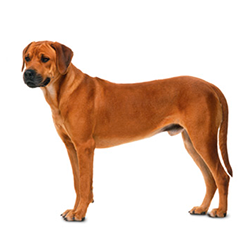
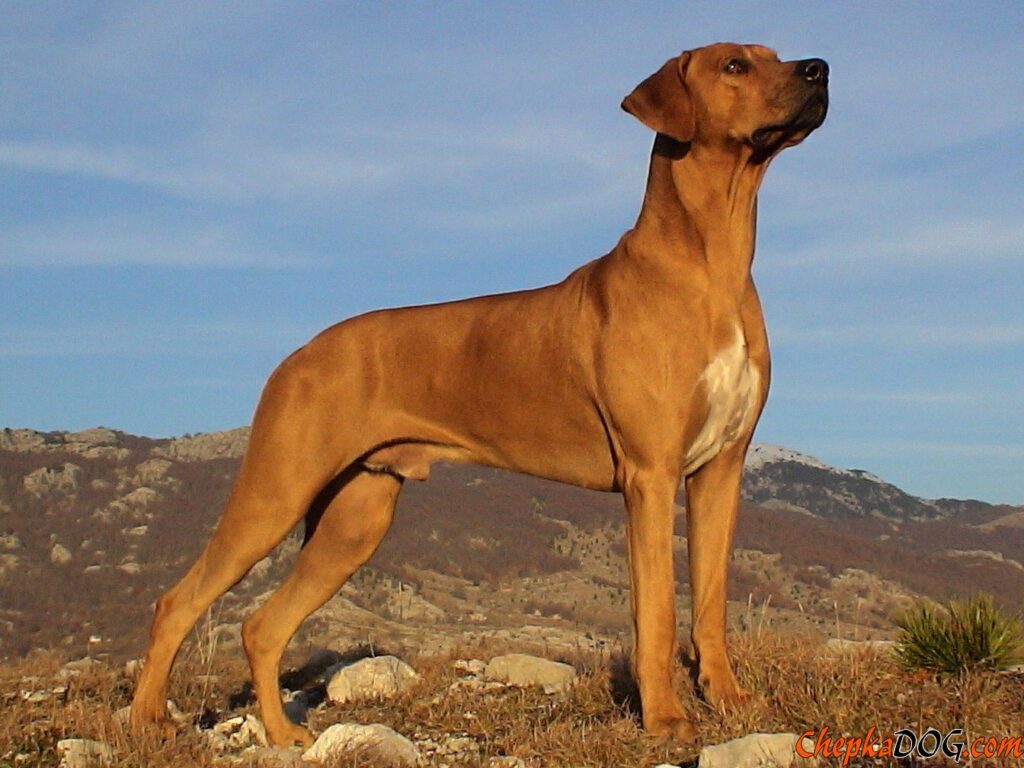
The Rhodesian Ridgeback is a harmoniously built, strong, muscular, and active dog. It is symmetrical in its outlines and capable of great endurance and considerable speed. Its appearance lacks any primitive heaviness, which was overcome by the infusion of European breeds.
Head: The skull is flat and wide between the ears, free from wrinkles at rest. The stop is well-defined. The muzzle is long, deep, and powerful. Lips are clean and tight-fitting.
Eyes: Round, set fairly wide apart. Color harmonizes with the coat color. Expression is intelligent and calm.
Ears: Set relatively high, medium in size, broad at the base, gradually tapering to a rounded tip. Carried close to the head.
Body: The back is strong, the loins are strong, muscular, and slightly arched. The chest is not too broad, but very deep and capacious, reaching to the elbows. The abdomen is well tucked up.
Tail: Thick at the base, tapering to the tip. Carried with a slight upward curve, but never curled.
Coat: Short, dense, smooth, and glossy. It should be neither silky nor wiry.
Color: From light wheaten to red wheaten. A small white patch on the chest and toes is permissible, but undesirable.
The most characteristic feature of the breed is the ridge - a strip of hair on the back that grows in the opposite direction to the rest of the coat. This isn't just an adornment, but a genetic peculiarity passed down from its African ancestors. The ridge should be clearly defined, symmetrical, and taper towards the croup. It starts immediately behind the withers and extends to the hip bones. The ridge should have only two identical and symmetrical swirls ("crowns") opposite each other. The absence of a ridge is a disqualifying fault for shows, although such a dog is no less a companion. This feature makes the Ridgeback unique, although the Thai Ridgeback also possesses a similar ridge.
Rhodesian Ridgeback Character and Temperament
A mighty lion hunter, the Ridgeback possesses a complex and multifaceted character. It forms a strong bond with its family, becoming a devoted friend and protector. With its owner, it establishes a close connection, often choosing one person as "its" leader, but loves all family members. With children, it generally gets along well, showing patience and gentleness. However, due to its large size and boundless energy, its games with small children should always be supervised by adults to prevent unintentional injuries.
Towards strangers, the Rhodesian Ridgeback is reserved and somewhat suspicious. It won't display unprovoked aggression but also won't enthusiastically greet every guest. Its strong sense of ownership and territoriality makes it an excellent watch and guard dog. It will always warn of approaching strangers with a loud bark. Problems may arise in relationships with other dogs, especially between males of the same sex, as Ridgebacks tend to be dominant. Early and proper socialization is key to raising a well-balanced dog. It's best not to leave it unsupervised with small animals (cats, rodents), as its hunting instinct might take over.
Pros and Cons of the Breed
Advantages:
Family Loyalty: An exceptionally faithful and loving companion.
Excellent Guardian: Natural protective instinct makes it a reliable watchdog.
High Intelligence: Capable of learning, quickly grasps commands.
Low Maintenance Grooming: Short coat doesn't require complex grooming.
Good Health: Generally a healthy breed with proper care and lineage.
Climate Adaptability: Tolerates heat well.
Disadvantages:
Not for Novices: Requires an experienced owner with leadership qualities.
Tendency to Dominate: Can be stubborn and independent.
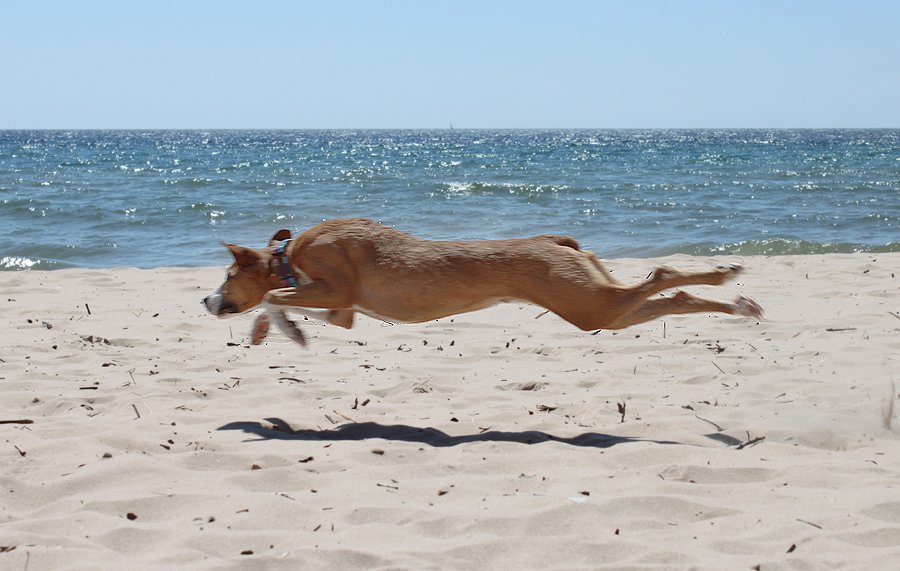
High Exercise Requirements: Needs plenty of movement and activities.
Strong Hunting Instinct: May chase small animals.
Requires Early Socialization: Important to introduce to different people and animals from a young age.
Large Size: Keeping in a small apartment can be problematic.
Training and Education of the Rhodesian Ridgeback
The Rhodesian Ridgeback possesses high intelligence and good potential for successful training, yet this process has its peculiarities. The main challenge is its innate drive to dominate and its independence. It won't blindly follow commands if it doesn't see the point or doesn't respect its owner. The owner must establish their leading position clearly from day one, being a consistent, patient, but firm leader.
Training methods based on positive reinforcement - praise, treats, toys - work best. Harsh methods and physical punishment are unacceptable, as they can cause stubbornness or even aggression in response from a Ridgeback. Although the Rhodesian Ridgeback generally loves to please its owner in everyday life, during training it may exhibit disobedience. It's important to keep sessions interesting, short, and varied. Early socialization is critically important: a puppy needs to be introduced to various people, sounds, places, and other animals to grow into a confident and well-balanced dog. Similar to other hunting breeds, such as the Small Münsterländer or the Large Münsterländer, a Ridgeback needs both physical and mental stimulatoin for a happy life.
Care and Upkeep of the Rhodesian Ridgeback
This energetic dog can be kept in an apartment, but only if it receives a sufficient level of daily physical exercise outdoors. The ideal option is a private house with a large, securely fenced yard. Ridgebacks are athletes who need space to run and play.
Coat Care
Caring for a Ridgeback's short coat is straightforward. "Indoor" Ridgebacks will shed minimally, but constantly. In contrast, dogs kept predominantly outdoors tend to have more pronounced seasonal shedding periods. It's recommended to brush the coat with a rubber brush or glove 1–2 times a week to remove dead hairs and maintain healthy skin. Bathing a Ridgeback should only be done when necessary, as frequent washing can disrupt the skin's natural oil balance.
Other Aspects of Care:
Claws: Trim claws regularly if they don't wear down naturally. Clicking claws on the floor is a sign they're too long.
Ears: As Ridgebacks have dropped ears, they are prone to infections. Check them weekly for dirt, redness, or an unpleasant smell and clean gently with a special lotion.
Teeth: To prevent tartar build-up and gum disease, brush your dog's teeth with a special toothpaste several times a week.
Frequently Asked Questions About the Breed (FAQ) · 4
Is the Rhodesian Ridgeback suitable for living in an apartment?
Yes, but with a major caveat: the dog must receive at least 2 hours of intense physical exercise daily. This isn't just leashed walks, but running, games, and training. Without sufficient activity, a Ridgeback can become destructive and unmanageable in an apartment.
Does the Rhodesian Ridgeback shed a lot?
Their shedding is moderate. The short coat doesn't create major problems, but it will be present on furniture and clothing, especially during seasonal shedding in spring and autumn. Regular brushing helps to control this process.
Are Rhodesian Ridgebacks aggressive?
With proper upbringing and socialization, a Ridgeback is not aggressive. They are balanced and self-assured. Aggression can be a result of poor training, fear, or lack of socialization. They are protectors, but not unprovoked attackers.
Is the Rhodesian Ridgeback difficult to train?
They are intelligent but independent and stubborn. This makes their training a challenge for novices. They require a consistent, patient, and fair leader who can keep them interested. Routine training sessions quickly bore them.
Video About the Breed
FAQ
What is the “ridge” on the Ridgeback’s back?
It is a breed trait — a strip of hair growing against the main direction. Linked to it is a developmental defect — the dermoid sinus, which breeders screen for.
Is the Ridgeback suitable for a beginner?
Rather not — an independent, stubborn and physically strong dog needs a confident, consistent owner.
Is the Ridgeback good with children?
Yes, with its own family it is patient and devoted; but because of its strength and temperament, supervision is needed with small children.