

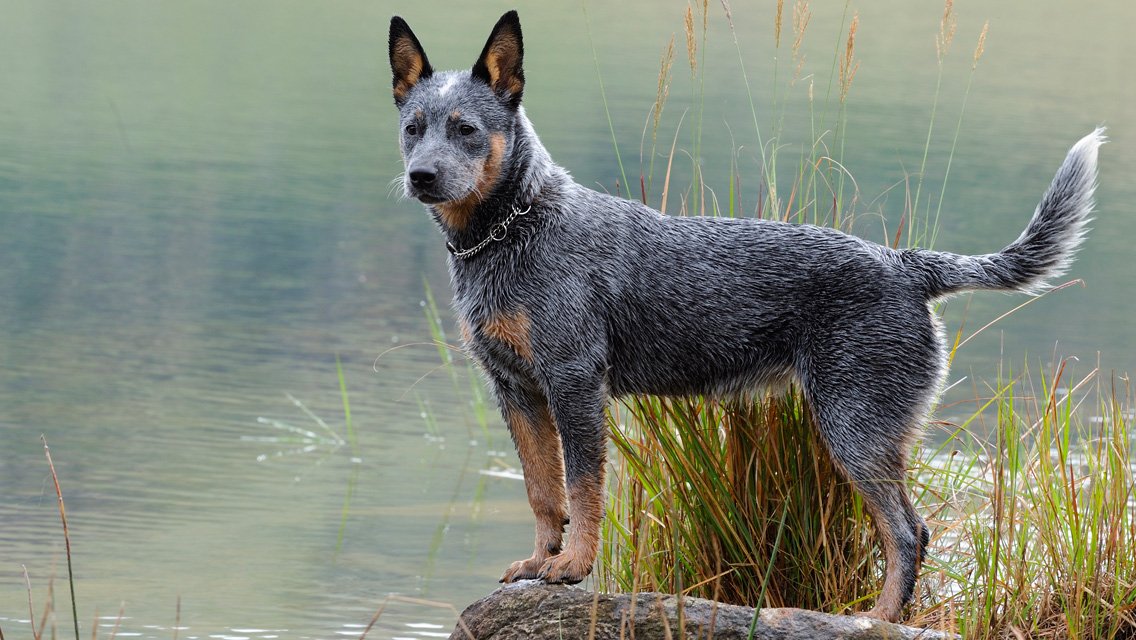
| Height | 43–51 cm |
| Weight | 15–22 kg |
| Lifespan | 13–15 years |
| FCI group | 1 · herding dogs |
| Origin | Australia |
Exact ratings
- Progressive retinal atrophy (PRA)
- Congenital deafness
- Hip dysplasia
- Lens luxation
- Kidney disease
A quality food for active breeds, with weight control. Plenty of exercise AND tasks are essential; otherwise the energy turns to destruction.
The Australian Heeler, also widely known as the Australian Cattle Dog, isn’t just a canine – it’s an intellectual phenomenon in the dog world. This tireless herder is a superb guardian and a fearless protector rolled into one. If you’ve decided to bring a dog into your life, you won’t find a better defender or companion, provided you’re ready to invest time and attention. This breed is pure energy that needs the right channel. They absolutely adore children and will always protect them, viewing them as part of their “flock” that must never be harmed. You can find out more on Tvaryny.
The Australian Heeler: A Brief Breed Overview and Key Traits
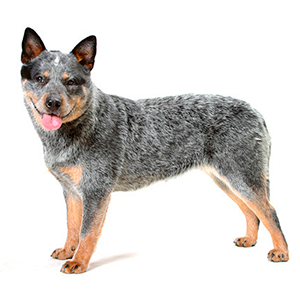
| Characteristic | Details |
|---|---|
| Origin | Australia |
| First Mentioned | 1902 (Robert Kaleski’s standard) |
| FCI Group | Group 1 (Cattle and Sheep Dogs, except Swiss Cattle Dogs) |
| Lifespan | 12-16 years (record holders live up to 29 years) |
| Height (Male) | 18-20 in (46-51 cm) |
| Height (Female) | 17-19 in (43-48 cm) |
| Weight | 35-50 lbs (16-23 kg) depending on gender and condition |
| Coat Type | Double coat, dense undercoat, water-resistant |
History: From Wild Dingo to Modern Companion
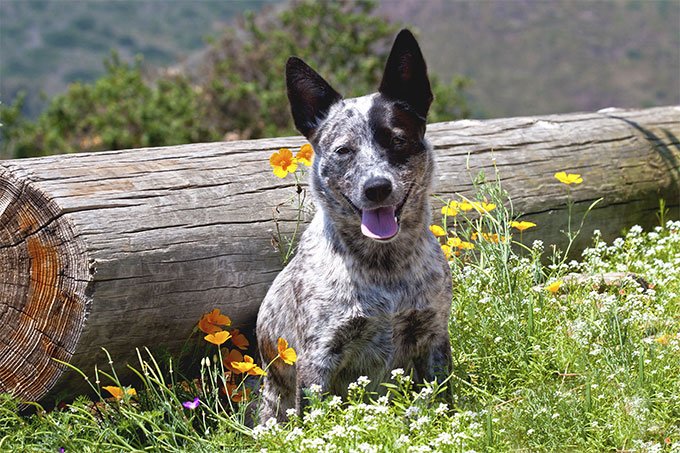
The origin story of this breed reads like a thrilling adventure novel about conquering a wild continent. Fast, brave, smart, and enduring, Australian Heelers bear a striking resemblance to their distant ancestors – the independent, freedom-loving, and fearless Dingoes. It was thanks to these wild dogs that Australian farmers got the idea to create the perfect dog in every respect – one that could herd and drive cattle despite the harsh local climate, vast distances, and other rugged challenges.
It’s worth noting that the colonists’ initial attempts to use European dogs failed miserably. Old English breeds, like the Smithfield, simply couldn’t withstand the Australian heat, the rough terrain, and the massive cattle drives. Dingoes were a major headache for local farmers, silently attacking livestock. Instead of just trying to wipe them out, the workers decided to create a dog that could rival the Dingo by taking the savage’s best traits and combining them with the loyalty of a domestic dog.
A key figure in the breed’s history was cattleman Thomas Hall. He crossed tamed Dingoes with short-coated Collies (blue merle) imported from Scotland. The resulting dogs became known as “Hall’s Heelers.” These puppies were as tough as Dingoes but worked silently and listened to humans. However, they had some issues interacting with horses and could sometimes be overly aggressive.
Subsequent breeding was complex and multi-staged. These hybrids were later crossed with Dalmatians to add loyalty towards horses (since cowboys worked in the saddle) and to get that unique speckled pattern. As is well known, Dalmatians have been friendly with horses for ages. However, this slightly diluted their working instincts, so they added genes from the Australian Kelpie – another outstanding continental herder. It was this “explosive mix” of bloodlines that formed the modern Cattle Dog.
The standard for this new breed was developed by sheepdog expert Robert Kaleski. The Cattle Dog Club of New South Wales accepted this standard in 1903. The official standard was adopted in 1963 by the Australian National Kennel Council. Around the same time, the modern name of the breed was officially approved. Interestingly, the evolution of herding breeds produced different branches, such as the Australian Stumpy Tail Cattle Dog, which shares roots with the Heeler but stands as a distinct, unique breed.
What the Australian Heeler Looks Like: A Detailed Description
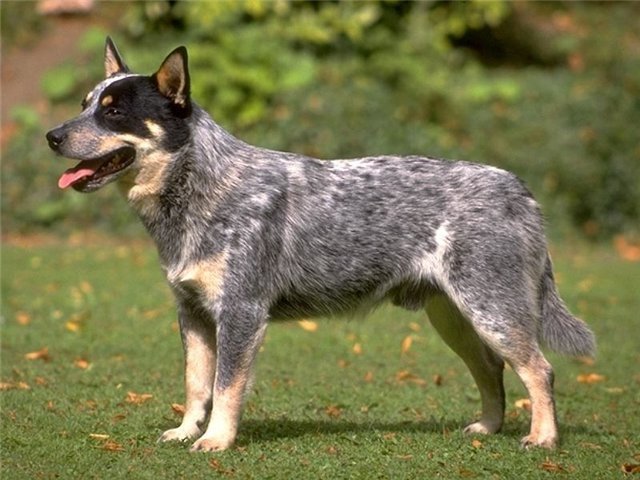
The Heeler’s appearance is deceptive. In photos, they might look like an ordinary farm dog, but in person, they are a bundle of muscle and intellect. The Australian Heeler is a medium-sized dog, compactly built, strong, and muscular. The main feature is balance. No part of the body should look disproportionate.
Head and Muzzle
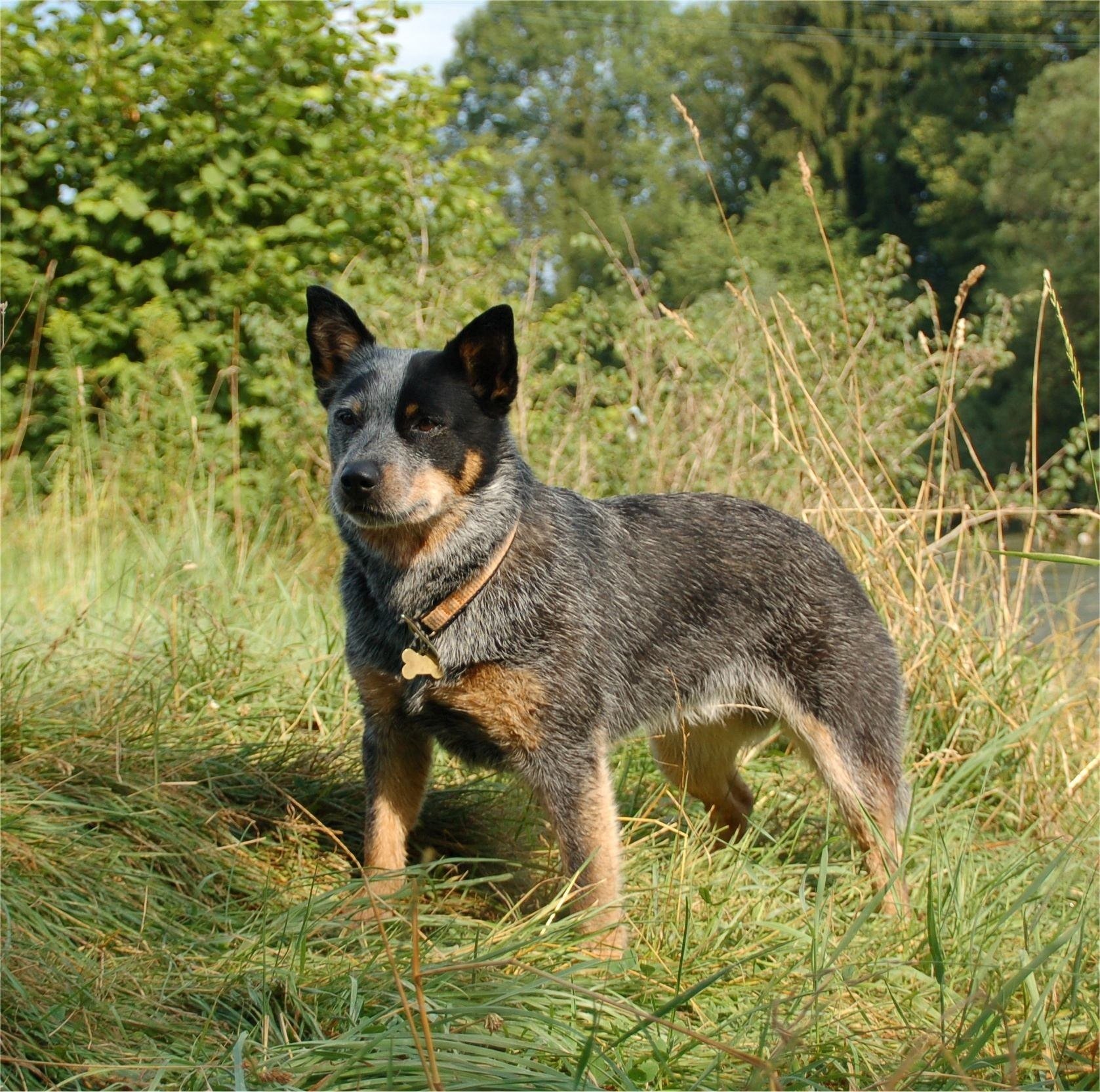
The head is strong with a broad skull, harmonizing perfectly with the body. Between the ears, the skull is broad and flat, with a barely noticeable occipital protuberance. The muzzle is broad, powerful, and filled in under the eyes; it shouldn’t look pointy like a fox. The nose is always black, regardless of the dog’s coat color. The jaws are powerful, with a particularly well-developed lower jaw – this is the dog’s working tool for managing unruly bulls. The ears are medium-sized, set wide apart, thick and broad at the base, pricked and pointed. They are constantly moving, scanning the surroundings.
Body and Limbs
The eyes are oval, medium-sized, dark brown, with an intelligent, alert gaze that sometimes holds a primal spark. The neck is of medium length, powerful, muscular, and free from throatiness. The back is strong and straight. The chest is deep and broad; ribs are sprung but not barrel-shaped. The limbs are straight, parallel to each other, with well-developed muscle and strong bone. The tail is set fairly low, of medium length, hanging in a slight curve at rest, resembling a brush thanks to the long hair. Important: tail docking is not standard for this breed, unlike some other herders.
Coat and Color
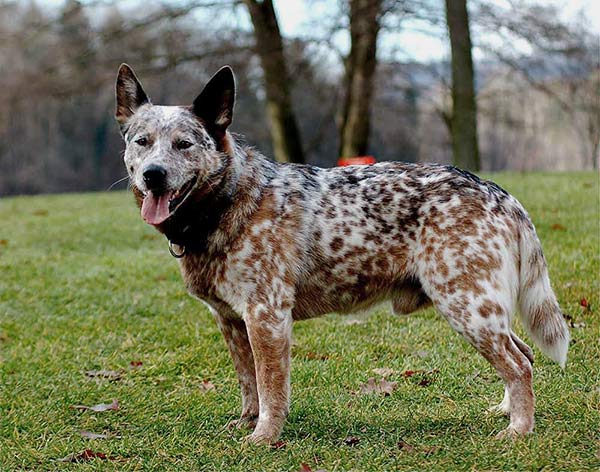
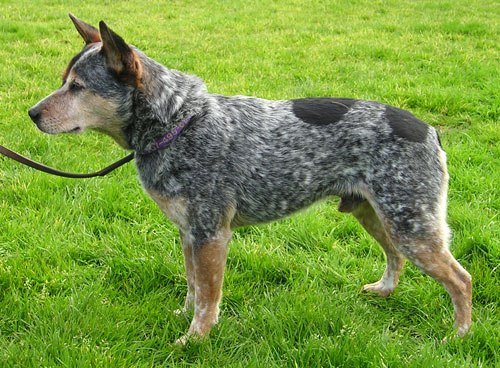
The coat is harsh, short, and straight with a dense, close-fitting undercoat that protects the dog from rain and heat. The hair forms “feathers” on the back of the legs and “trousers” on the thighs. The fur is also longer around the neck, forming a ruff. The most interesting part is the color. It can be:
- Blue: Solid, mottled, or speckled. Often with black, blue, or tan markings on the head.
- Red Speckle: Even red speckle all over the body, including the undercoat.
Fun fact: all Heeler puppies are born white (like Dalmatians), and their true color only appears over time. This is the legacy of their Dalmatian blood. Sometimes adult dogs have a white patch on their forehead called a “Bentley Mark,” named after one of the legendary dogs that founded the breed.
Character: Temperament and Behavior
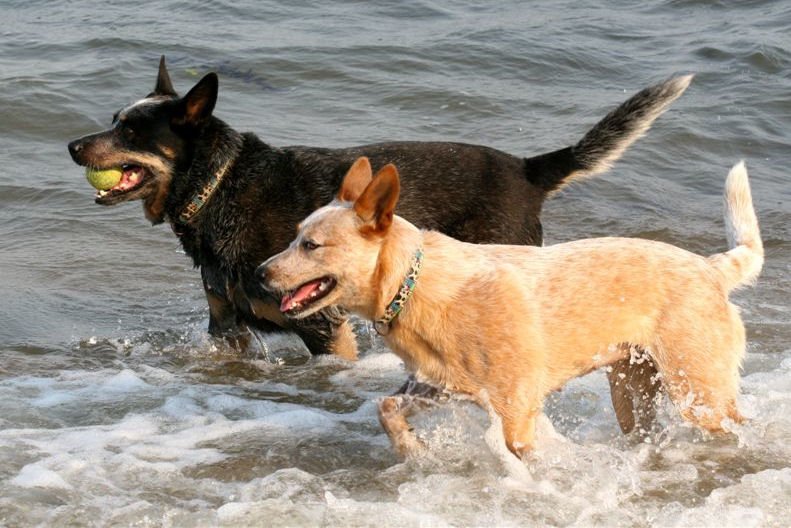
The Australian Heeler’s personality is a complex mix of devotion, independence, and incredible work ethic. This is not a couch potato. Australian Heelers are loyal and devoted dogs that will follow their owner everywhere like a shadow. They don’t trust strangers; even as puppies, they are always on guard if an outsider enters their territory. These dogs have a protective instinct from birth and are desperately ready to defend their loved ones.
They are so self-confident that they can easily enter into an uneven fight. Heelers bond once and for all with their owner. This is a one-person (or one-family) dog. Changing owners for an adult Cattle Dog is a huge tragedy and psychological trauma.
Pros and Cons of the Breed
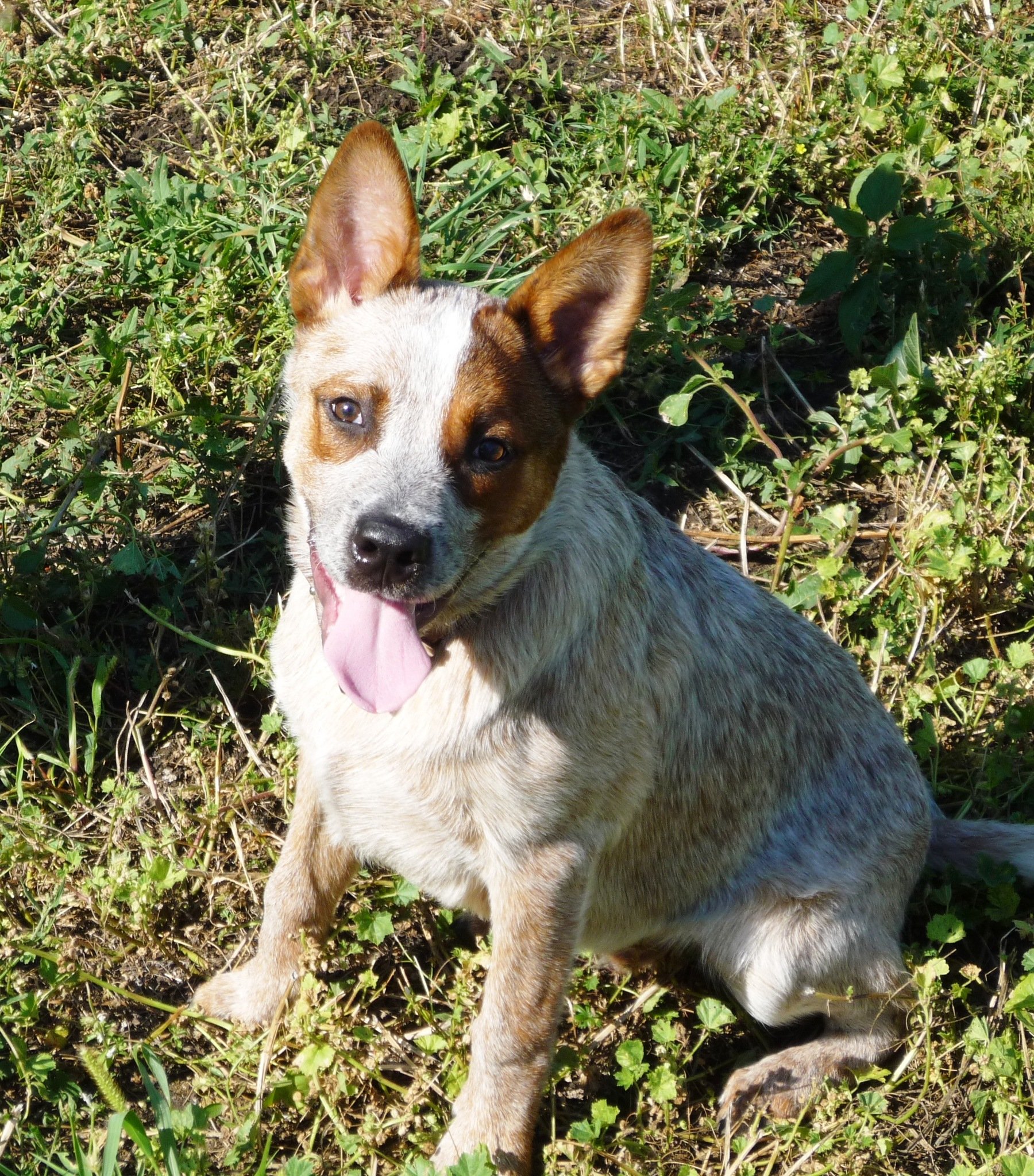
To help you decide if this breed is right for you, we’ve put together a comparative table of the pros and cons of ownership.
| Advantages (Pros) | Disadvantages (Cons) |
|---|---|
| Incredible Intelligence: Ranked in the top 10 smartest breeds globally. | Needs a Job: Without work, they become destructive (chewing furniture, barking). |
| Health: One of the toughest breeds, rarely gets sick. | Nipping Instinct: May “herd” children and joggers by nipping at heels. |
| Guarding Skills: An excellent watchman, won’t let strangers in. | Shedding: Coat blows heavily twice a year. |
| Compactness: Convenient size for transport. | Socialization: Can be aggressive toward other dogs. |
| Loyalty: Always people-oriented. | Training Difficulty: Smart, but cunning and stubborn. |
Health: Common Issues and Prevention
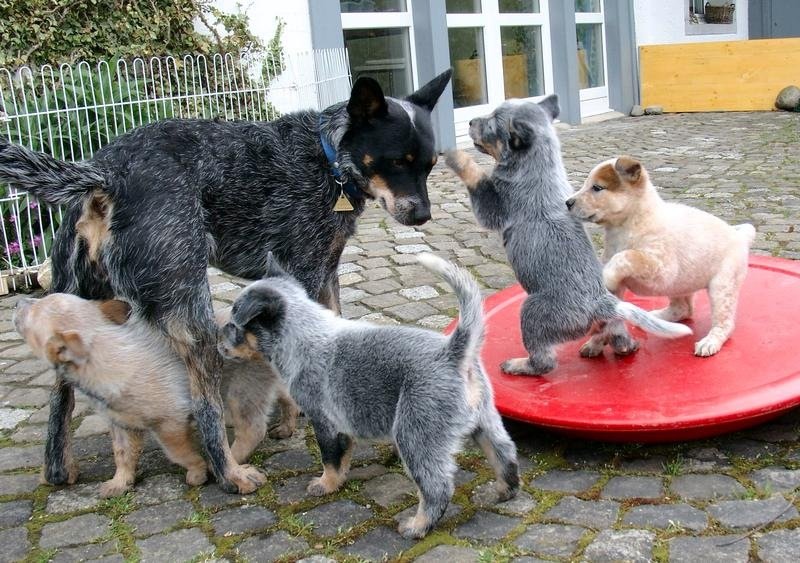
The gene pool of these dogs is extraordinarily strong. Perhaps thanks to the genes of the wild Dingo, these herding dogs are among the most enduring and resistant to various diseases. Furthermore, this breed produces true long-livers. A legendary Australian Heeler named Bluey is listed in the Guinness Book of World Records as the “Oldest Dog” ever. This dog lived for 29 years, 5 months, and 7 days (June 7, 1910 – November 14, 1939), spending 20 of those years herding cattle.
Of course, to keep your dog healthy, you need to take care of it. A Heeler needs to spend a lot of time outdoors. These dogs are created to herd and drive livestock. Therefore, they need intensive daily exercise for their physical and emotional health. However, even such “iron” dogs have their weak spots.
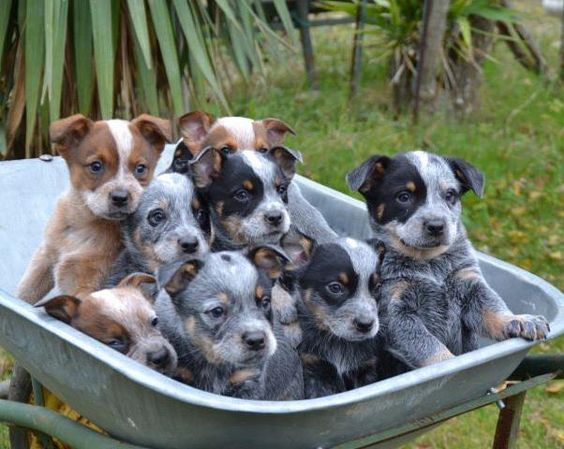
Before buying a puppy of this breed, be sure to study its heredity. Responsible breeders perform genetic tests on the parents. Here are the most common problems:
- Congenital Deafness: Since the breed carries the white color gene (from the Dalmatian), puppies can be born deaf in one or both ears. The BAER test is mandatory for puppies.
- Progressive Retinal Atrophy (PRA): A genetic eye disease that leads to blindness. There is a DNA test that allows carriers to be excluded from breeding.
- Hip Dysplasia: Although this is more often a problem for large breeds like the Bouvier des Flandres, Heelers can also suffer from it due to high physical stress.
Grooming and Hygiene
The lifestyle of these dogs must be very active. Naturally, they won’t be able to live in an apartment in “sofa cushion” mode, especially if the owner is at work all day and only walks the pet for a maximum of thirty minutes twice a day. These dogs are ready to move 24 hours a day. Therefore, they will be much better off on a farm or in a large private house with a big yard. Of course, you can keep a Heeler in an apartment, but only if you yourself can’t go a day without sports and travel.
In that case, this Australian dog will become an indispensable companion for you, even if you live in a condo. Caring for Australian Heelers is not difficult at all. Their coat has a unique ability to self-clean. Mud dries and simply falls off. It is recommended to wash them no more than twice a year (or if the dog rolled in something smelly), otherwise, the coat will lose its special feature – the protective oil layer.
Care Tips:
- Breeders advise wiping them down with a wet towel dipped in water with a small amount of vinegar instead of frequent washing – this refreshes the color and removes odors.
- When bathing, use only natural shampoos without harsh chemical components.
- During shedding season (spring and fall), the Heeler’s coat needs to be brushed out with a slicker brush or Furminator about four times a week. The undercoat comes out very heavily.
- A Heeler moves a lot, so watch their paws carefully: trim nails (they should be short so as not to interfere with running) and lubricate paw pads with olive or other vegetable oil to help cracks heal faster.
- Of course, don’t forget about the eyes, which need to be washed regularly to ensure no debris has gotten into them.
Training and Socialization
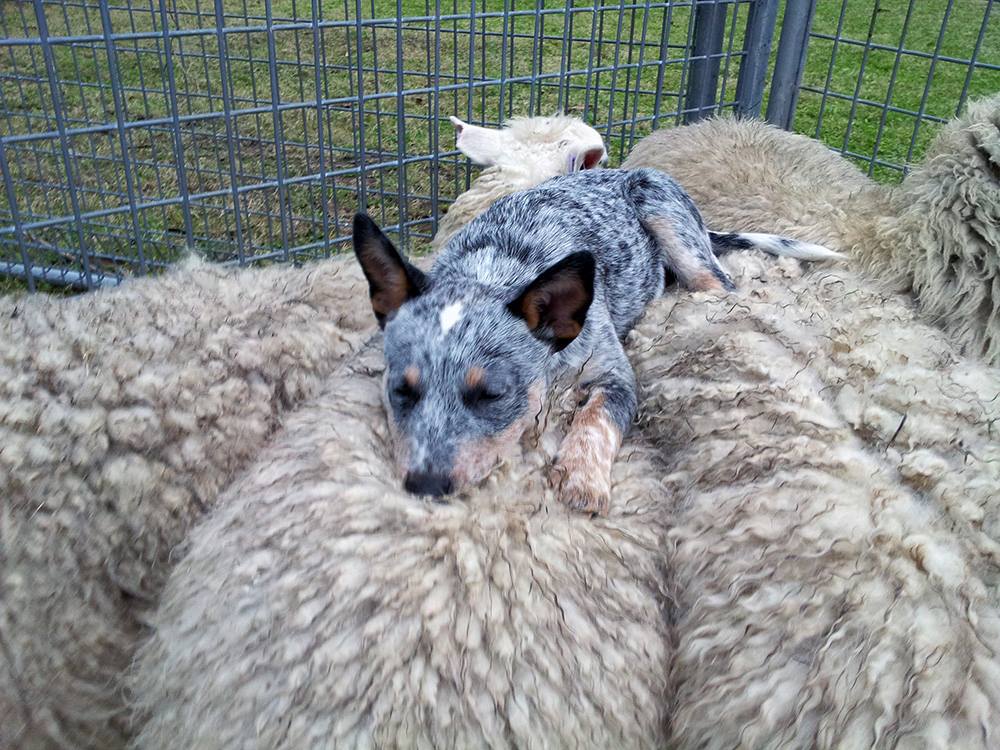
You need to train an Australian Heeler from an early age. This isn’t just a recommendation; it’s a survival necessity for your furniture and your peace of mind. These dogs memorize commands quickly, understanding what is required of them almost immediately, but they find it quite difficult to follow certain rules due to their natural independence. The blood of wild dogs flows in their veins, and you should never forget that.
A puppy must understand who the leader is while still young, only then will it obey. If you are too soft and affectionate with them, Heelers will always make decisions independently and do what they deem necessary. But heads up: leadership is not cruelty. It is consistency and confidence. Never use physical force during training; this is unacceptable and can make the dog aggressive or fearful.
The “Heel Nipping” Problem
Sometimes Heeler puppies start biting people’s ankles. You must explain to the puppy that this is not allowed. This is a not-so-great habit of many herding dogs; this is how they herd cattle (nipping the cows’ heels to force them to move and instantly jumping back to avoid getting kicked). In a home setting, the targets for “herding” become children, joggers, or cyclists. Redirect this energy into toys or training.
Sports for Heelers
To achieve success in raising an Australian Heeler, ensure that training sessions are fun, carefree, and varied. Boring repetition of “sit-stay” will quickly tire this intellectual out. The best activities for them are:
- Agility (obstacle course).
- Obedience (high-level compliance).
- Frisbee (catching the disc) – they have almost no equals here.
- Herding – this is the ideal option where the dog can legally unleash its Australian cattle-driving instinct.
Nutrition: Menu for an Athlete

Locals in Australia jokingly believe that Bluey lived 29 years becuase he ate kangaroo meat and Emu. Of course, no one can claim this for sure. However, one thing is clear: dogs of this breed are carnivores with a high need for protein, especially considering their ancestors were wild. However, for the diet to be complete, the pet needs to be given vegetables, fruits, fish, and fermented dairy products.
Moreover, a Heeler will eat all of this with pleasure. These dogs are not picky eaters at all; sometimes it seems they are ready to eat even inedible objects. This creates a risk: always watch your pet’s portion size. Heelers are prone to rapid weight gain, despite their hyperactivity, if they receive more calories than they burn. Excess weight for such an active dog is death for the joints.
Feeding Rules
- Schedule: Feed an adult dog 2 times a day after a walk.
- Safety: Ensure the dog rests for at least an hour after eating, otherwise, bloat (a deadly condition) can occur.
- Prohibitions: Do not feed the dog sweets, chocolate, marinated or smoked products—basically, everything sold in any supermarket that you enjoy eating yourself.
Interesting Facts About Australian Heelers
This breed has a rich cultural background that not everyone knows about:
- Mad Max’s Dog: In the cult film “Mad Max 2: The Road Warrior,” the main character’s faithful companion was an Australian Heeler. The dog, named “Dog,” became a star, although he was taken from a shelter just a day before filming started.
- Bluey Cartoon: The popular children’s animated series “Bluey” depicts the life of a family of Australian Heelers, which has made the breed incredibly popular among kids in recent years.
- Shadow: Heelers are often called “Shadow Dogs” because wherever you go, even into the bathroom, they will wait for you by the door or try to come in with you.
- The Smile: Heelers know how to “smile,” stretching their lips and showing teeth in a friendly (or cunning) grin.
Frequently Asked Questions (FAQ)
Is the Australian Heeler suitable for a family with children?
Yes, but with caveats. They love children from their own “pack,” but may try to “herd” them by nipping at their legs to make the kids go where the dog wants. Supervision and training are required for both the dog and the children.
Do they bark a lot?
Heelers are not “yappers.” They were bred for silent work so as not to spook wild cattle. They bark mainly for a reason – warning of danger or in the excitement of play. However, they can produce specific sounds resembling a dingo howl.
How much time do I need to walk a Heeler?
A minimum of 2-3 hours of active movement per day. Just walking on a leash isn’t enough. They need running, ball games, and command execution. If you don’t tire out a Heeler, it will tire you out (or destroy your shoes).
Video About the Breed
- Extremely hardy
- Clever and trainable
- Robust health, long-lived
- Devoted to one person
- Needs enormous exercise
- Herding instinct — nips at the legs
- Boredom → destruction
- Not for an apartment or a novice
| Australian Shepherd | Border Collie | Kelpie | |
|---|---|---|---|
| Height | 46–58 cm | 46–56 cm | 43–51 cm |
| Energy | 5 | 5 | 5 |
| Apartment | 2 | 2 | 2 |
| Beginners | 2.5 | 2.5 | 2.5 |
Is the Heeler suitable for an apartment?
Why does the Heeler nip at the legs?
Is the Heeler good with children?
FCI Standard No. 287 · The Kennel Club
For apartments · For kids · For beginners · Active · Smartest · Hypoallergenic · All rankings →