

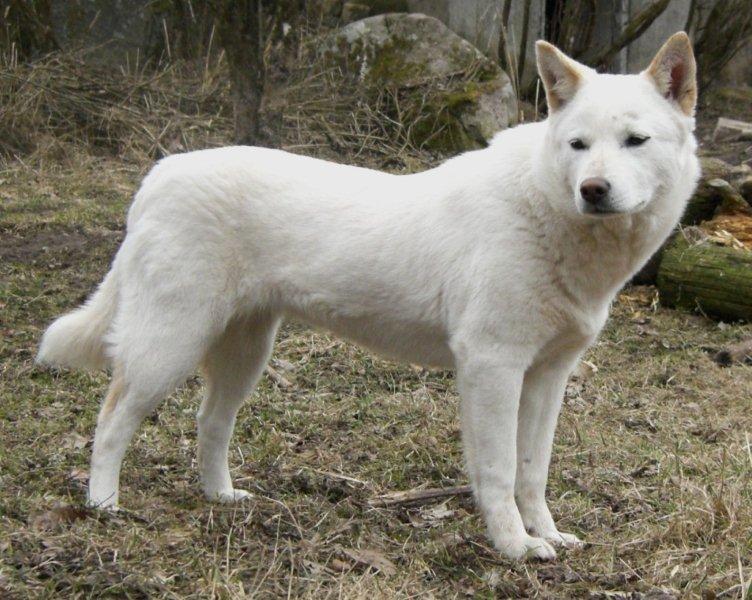
| Height | 45–55 cm |
| Weight | 15–23 kg |
| Lifespan | 14–15 years |
| FCI group | 5 · primitive type |
| Origin | Korea |
Exact ratings
- Hypothyroidism
- Skin allergies
- Cataracts and eye disease
- Hip dysplasia
- A very healthy breed overall
Quality food and weight control. As an aboriginal breed it is generally robust in health; the thyroid should be monitored (hypothyroidism).
The Korean Jindo is a primitive-type breed that has witnessed thousands of years of human history and today fascinates dog experts around the globe. They have retained the instincts of wild animals yet possess a unique ability to bond deeply with humans. Today, Korean Jindos prove useful to hunters and, less frequently, herders, although their primary calling is to be a companion and guardian. These dogs are low-maintenance regarding living conditions but have specific requirements for socialization. A notable feature of the breed is their incredible energy and prey drive, which prevents this four-legged helper from sitting still. Learn more on Tvaryny.
The Korean Jindo: Brief Overview and Characteristics
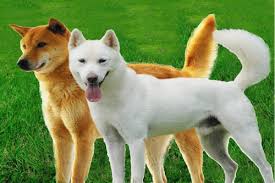
| Country of Origin | Republic of Korea (Jindo Island) |
| FCI Classification | Group 5 (Spitz and primitive types) |
| Lifespan | 12-15 years (with proper care) |
| Height at withers (males) | 19.5-21.5 in (50-55 cm) |
| Height at withers (females) | 17.5-19.5 in (45-50 cm) |
| Weight | 33-50 lbs (15-23 kg) |
| Coat Type | Double, thick, harsh |
History of the Breed: From Legends to Modern Day
The history of this breed is shrouded in mystery and legend, as no reliable written records of their emergence have survived. The Korean Jindo is a true national treasure of the country, designated as “Natural Monument No. 53.” This occured back in 1962, highlighting the immense cultural significance of these animals to the Korean people.
There are several theories regarding the breed’s origins. The most popular suggests that the ancestors of the Jindo arrived on the Korean Peninsula, and subsequently Jindo Island, alongside Mongol conquerors in the 13th century. The island’s isolation played a key role in forming the gene pool. For centuries, the dogs bred only among themselves, preserving primitive traits and blood purity without mixing with other mainland breeds. This allowed them to conserve a unique set of genes responsible for their robust health and specific character.
For a long time, the export of Jindos outside Korea was strictly prohibited by law. It was only thanks to the efforts of the Korean diaspora and the gradual opening of borders that the world learned about this breed. A significant contribution to the popularization and protection of the breed was made by the Samsung corporation, which supported cynological research. In 1988, Jindos gained global fame by participating in the opening ceremony of the Summer Olympic Games in Seoul, marching solemnly through the stadium. Despite this, they remain rare specimens outside their homeland.
What the Korean Jindo Looks Like: Detailed Description
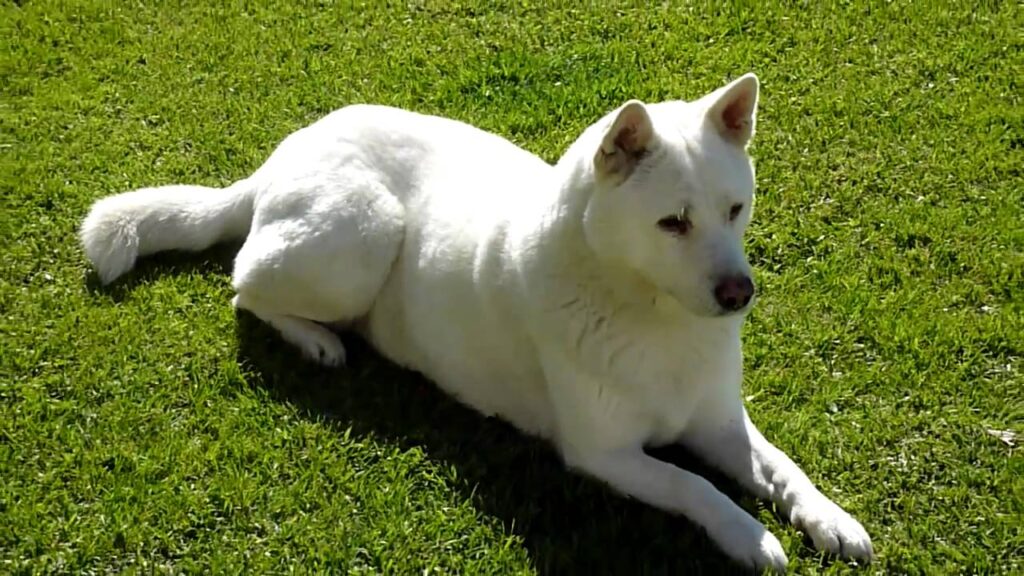
The Korean Jindo is a medium-sized dog, well-balanced, with a sturdy frame and developed musculature. Outwardly, it resembles other Asian spitz-type breeds, and an untrained eye might confuse it with its relatives. For instance, parallels are often drawn with popular Japanese dogs such as the Shiba Inu or the larger Akita Inu. However, the Jindo has its own unique anatomical features.
Body Types
In Korea itself, two body types of Jindo are traditionally distinguished, along with a third intermediate one:
- Tonggol: A more muscular, stocky type. The depth of the chest is approximately equal to half the height at the withers.
- Hudu: A more elegant, lightweight type. Slightly taller on the legs, with a less massive head and body. Built for speed.
- Gakgol: An intermediate type that combines the body length of the Hudu and the chest depth of the Tonggol.
The dog’s head has an octagonal shape when viewed from above. The ears are triangular, pricked, and slightly inclined forward, giving the dog an alert expression. The eyes are almond-shaped, dark brown, with a characteristic oriental slant. The tail is usually curled into a ring or sickle and carried over the back.
Coat and Color
The coat is double: straight, harsh guard hair that stands slightly off the body, and a thick, soft undercoat that protects against bad weather. The hair is longer on the shoulders, neck, and tail.
The standard recognizes the following colors:
- White (Baekgu): In reality, this is an ivory or light cream color. The tips of the ears may have a yellowish tint.
- Fawn (Hwanggu): A reddish, golden color, similiar to that of dried wheat.
- Gray (Jaegu): Wolf gray, a mixture of gray, white, and black hairs.
- Black and Tan (Heukgu): A black base background with tan markings above the eyes, on the cheeks, and paws.
- Brindle (Hogu): A striped pattern on a light background, resembling a tiger.
Character and Temperament: Loyalty to One Master
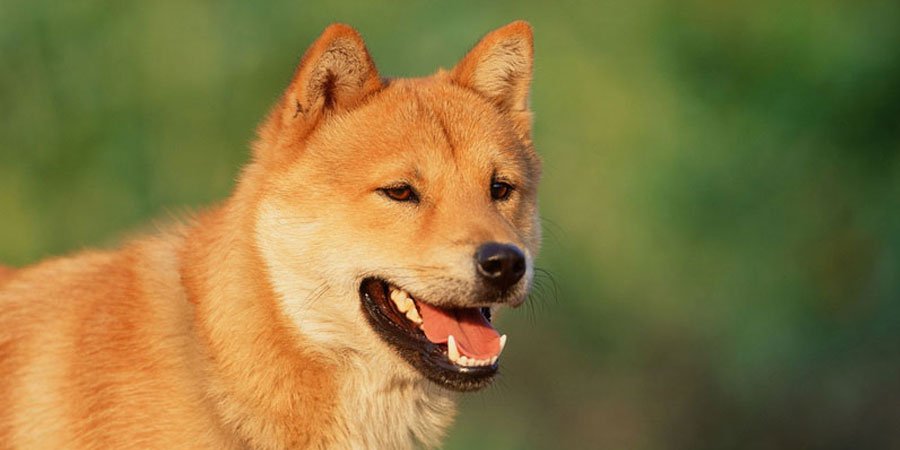
If one were to describe the Jindo’s character in a single word, it would be “loyalty.” But this loyalty is specific. This is the classic “one-person dog.” They can live in a large family, love everyone, and play with children, but only one person will be the true authority and “god” to them. This trait makes them similar to the Japanese Kishu Ken, who are also known for their selectivity in affection.
Key Character Traits:
- Hunting Instinct: This is extraordinarily strong. The Jindo is not just a companion dog; it is an efficient predator. Upon seeing a squirrel, cat, or even a goat, a Jindo can instantly switch into hunting mode. They are capable of jumping high to catch a bird in flight.
- Territoriality: They are excellent guardians. They do not bark without reason, but they will not tolerate an intruder on their territory. They treat strangers with suspicion and cold reserve.
- Cleanliness: Korean Jindos are known for their almost cat-like cleanliness. They often groom themselves and become house-trained very quickly, even at an early age.
- Intelligence: They are very smart, but not in the sense that they will mindlessly follow commands. Their intelligence is geared towards problem-solving. If a Jindo wants to escape from a kennel, it will find a way to open the latch or dig underneath.
It is worth noting that Jindos can show aggression towards other dogs, especially those of the same sex. This makes them difficult to keep in a pack if early socialization has not been carried out. In their behavior, they resemble certain herding breeds accustomed to making independent decisions, such as the Karst Shepherd, although they have a completely different lineage.
Training and Socialization: A Challenge for the Owner
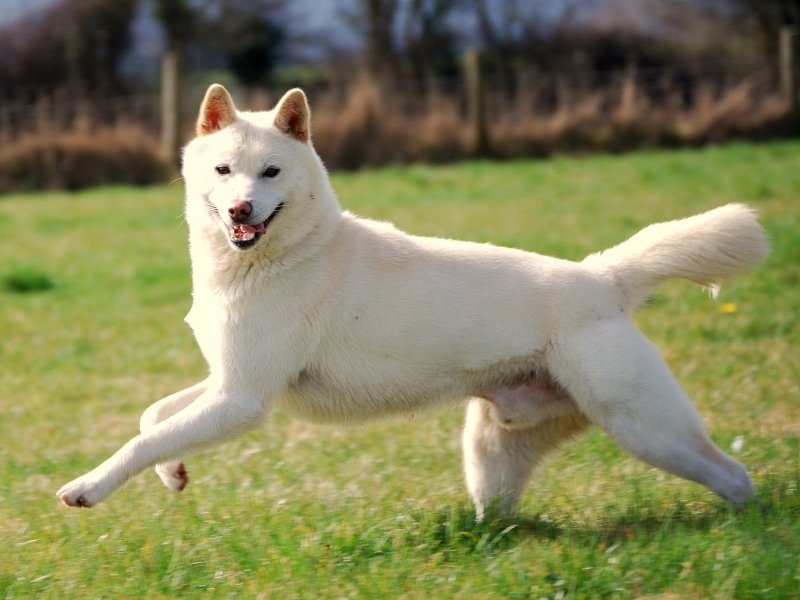
Raising a Jindo is a test of patience and leadership qualities. These dogs will not work for food if they do not see the point in the command, or if they do not respect the trainer. Harsh methods, physical punishment, or shouting are categorically contraindicated-the Jindo will withdraw into itself or respond with aggression. Firmness and consistency are needed, but also fairness.
The key moment is early socialization. The puppy needs to be introduced to different people, sounds, transportation, and other animals as early as possible. If this stage is missed, the Jindo’s natural mistrust can develop into skittishness or excessive aggression towards anything new.
Care and Maintenance
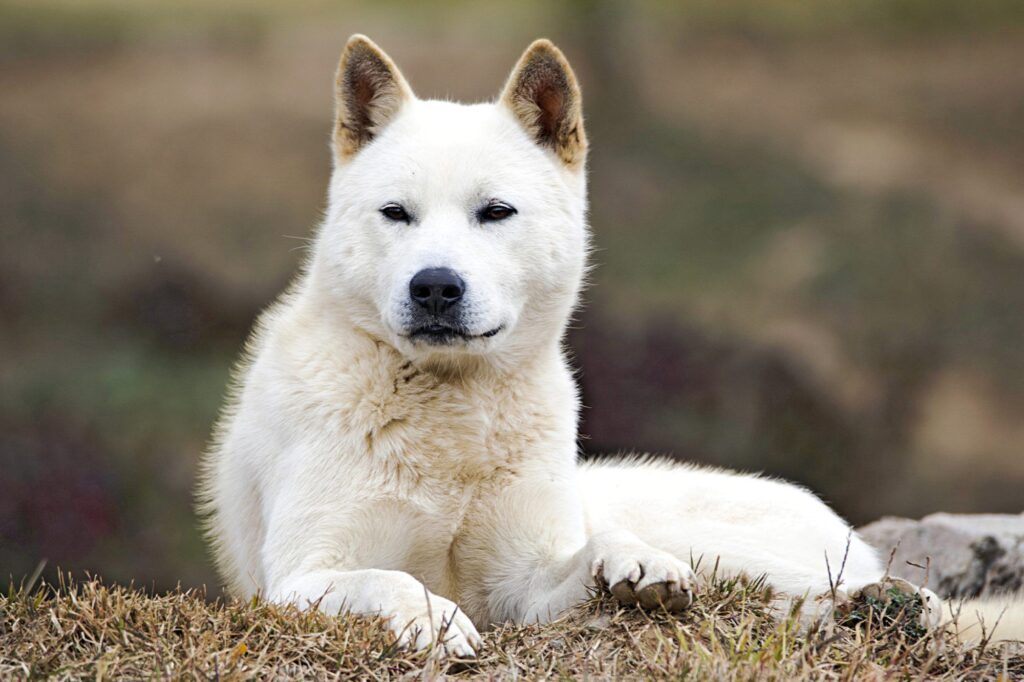
The Korean Jindo is an active dog, and the ideal place for it would be a house with a large, well-fenced yard. The fence must be at least 6 feet high, as these dogs are masters of the high jump. Apartment living is possible only on the condition of very long and active walks two or three times a day.
How to Care for the Coat
The Jindo’s coat has self-cleaning properties. Dirt simply falls off after drying, so frequent bathing is not necessary and is even harmful, as it washes away the protective layer of oil. You should only wash the dog in case of heavy soiling or if an unpleasant odor appears.
The main nuance of care is the shedding season. Twice a year (in spring and fall), Jindos “blow” their undercoat. During this time, the amount of hair in the house can shock an unprepared owner. During shedding, the dog must be brushed daily with a slicker brush or a deshedding tool. At other times, brushing once or twice a week is sufficient.
Hygiene
Apart from coat care, procedures are standard: teeth cleaning to prevent tartar, checking and cleaning ears, and trimming nails. The latter is particularly important if the dog runs on soft ground and the nails are not worn down naturally.
Nutrition: Dietary Features
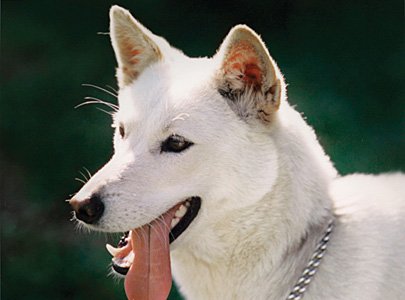
The Jindo’s digestive system is historically adapted to the diet available on the island: rice, a little fish, vegetables, and a small amount of meat. Therefore, modern Jindos may react poorly to overly rich food or kibble with a high content of corn and soy.
Many owners note that these dogs eat relatively little for their size and expend energy very economically. If you choose natural feeding, the basis should be lean meat (beef, turkey), organ meats, sea fish (boneless), rice, and seasonal vegetables. Dry food should be selected from the “holistic” or “super-premium” class with a moderate fat content.
Health and Common Diseases
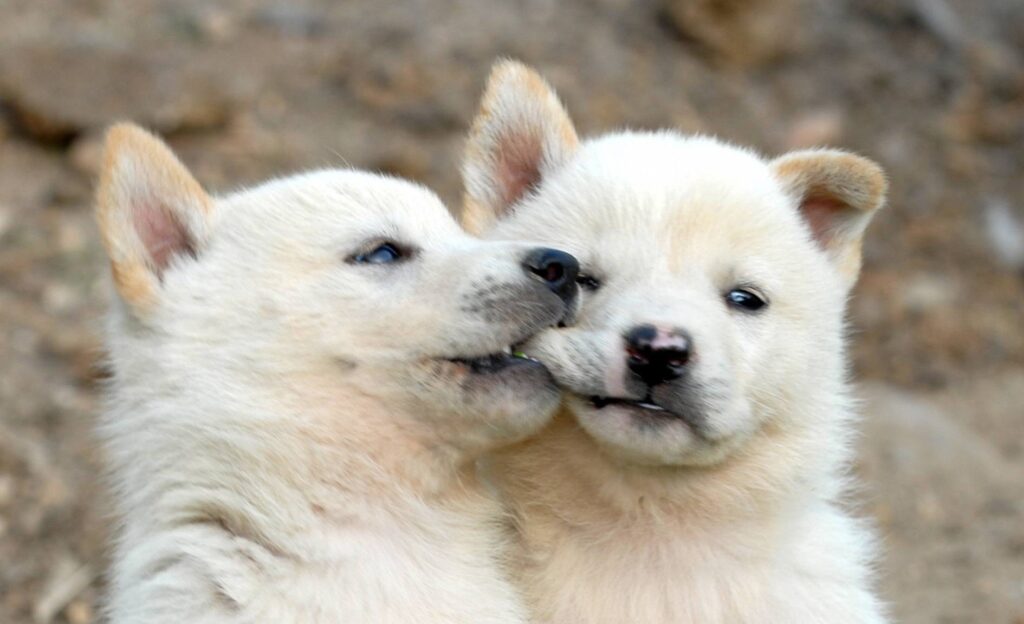
Thanks to natural selection and the lack of excessive interference by breeders in the past, the Korean Jindo is distinguished by enviable health. They rarely suffer from hip dysplasia, which is the scourge of many medium and large breeds. However, absolute immunity does not exist.
Potential Health Problems:
- Hypothyroidism: Insufficient activity of the thyroid gland. Symptoms may include lethargy, weight gain, and deterioration of the coat condition.
- Allergies: Skin allergies (atopic dermatitis) can occur as a reaction to certain foods or environmental factors.
- Discoid Lupus Erythematosus: An autoimmune disease affecting the skin, often manifesting as changes in nose pigmentation.
Regular visits to the vet, timely vaccination, and parasite treatment will allow your pet to live a long and active life.
Pros and Cons of the Breed
| Pros (+) | Cons (-) |
|---|---|
| Incredible devotion to the owner | Tendency to escape (needs a high fence) |
| Natural cleanliness, lack of “doggy” smell | Heavy seasonal shedding twice a year |
| High intelligence and sharpness | Dominant behavior towards other dogs |
| Excellent guarding qualities | Difficulty in training for novices |
| The absence of described hereditary disease is not the absence of risk — breeding animals are screened all the same. | Strong hunting instinct (danger to cats/birds) |
Interesting Facts About the Breed
- The Legend of Baekgu: In 1993, a dog named Baekgu was sold to a new owner about 185 miles (300 km) from home. After 7 months, the exhausted animal returned to her first owner. This story became a symbol of Jindo loyalty in Korea, and a monument was even erected to the dog.
- Failed Service Dogs: The Korean army attempted to use Jindos as service dogs. The experiment failed because the dogs obeyed only their first handler and refused to work with anyone else after their transfer or discharge.
- Hatred of Water: Most Jindos avoid water. They do not like to swim and may refuse to go outside during heavy rain. Some individuals even gingerly step over puddles.
Frequently Asked Questions (FAQ)
Is the Jindo suitable for a family with children?
Jindos can get along well with children in their “pack” if they have grown up with them. However, they do not tolerate rough handling. Children should be explained that the dog must not be disturbed while eating or sleeping. Leaving a Jindo alone with very small children is not recommended.
Do these dogs bark a lot?
No, Jindos are not “yappers.” They only voice their opinion in the event of a real threat or when they want to draw the owner’s attention to something important. This makes them a reasonable option for those who dislike constant noise.
Can a Jindo be kept in an apartment?
Theoretically yes, thanks to their cleanliness. But practically, it is difficult due to their need for physical activity. If you are not prepared to run with the dog or walk for several hours every day, it is better to abandon this idea.
Video About the Breed
- Very healthy and long-lived
- Clean, almost “cat-like”
- Boundlessly devoted to its person
- Intelligent and reserved
- Independent, a “one-person dog” — not for a beginner
- A strong hunting instinct
- Dislikes strangers and strange dogs
- Needs a solid fence (prone to escaping)
| Shiba Inu | Akita Inu | Canaan Dog | |
|---|---|---|---|
| Height | 35–43 cm | 58–70 cm | 50–60 cm |
| Energy | 4 | 3 | 4 |
| Apartment | 2.5 | 2 | 2 |
| Beginners | 2.5 | 2 | 2 |
Why is the Jindo so devoted?
Is the Korean Jindo suitable for a beginner?
Is the Korean Jindo healthy?
FCI Standard No. 334 · The Kennel Club
For apartments · For kids · For beginners · Active · Smartest · Hypoallergenic · All rankings →