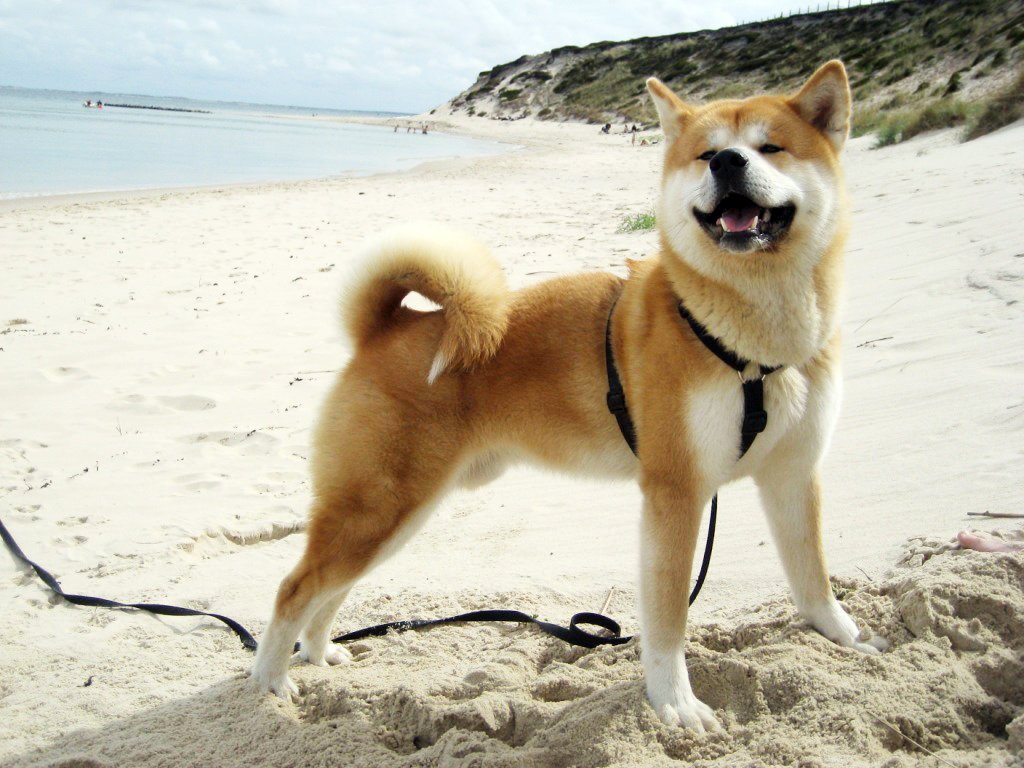
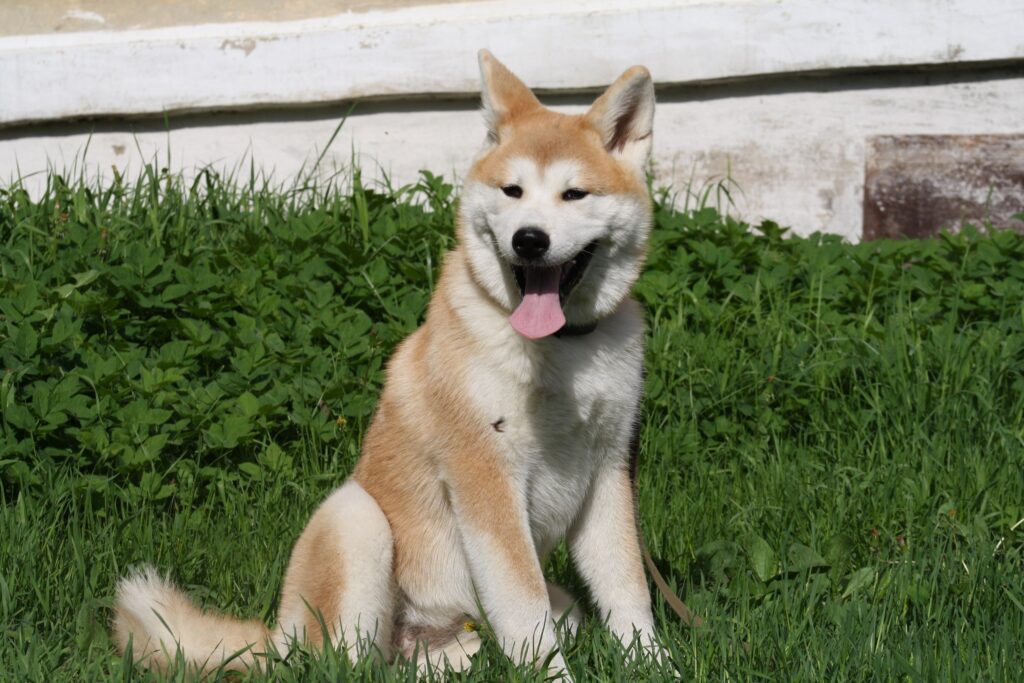
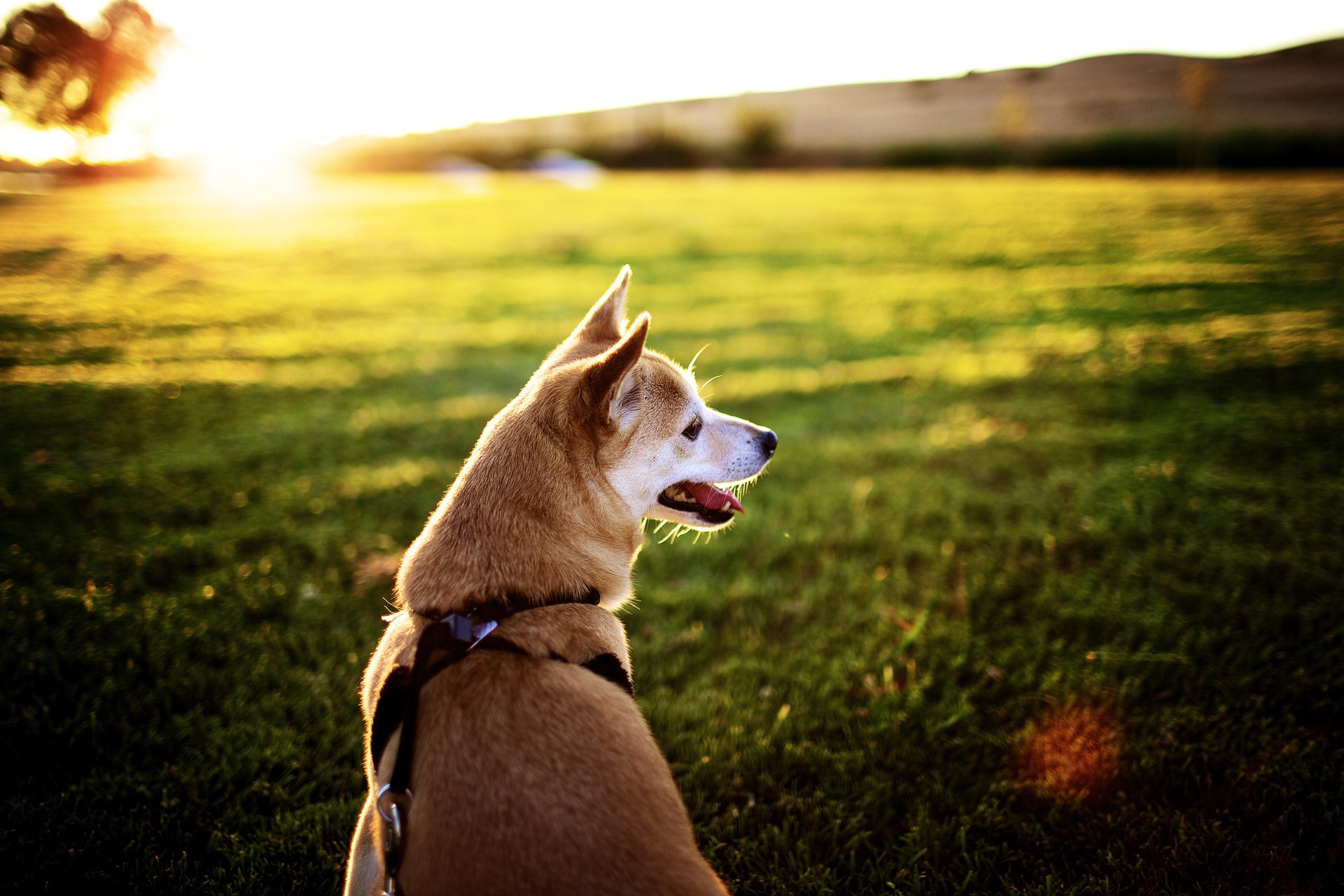
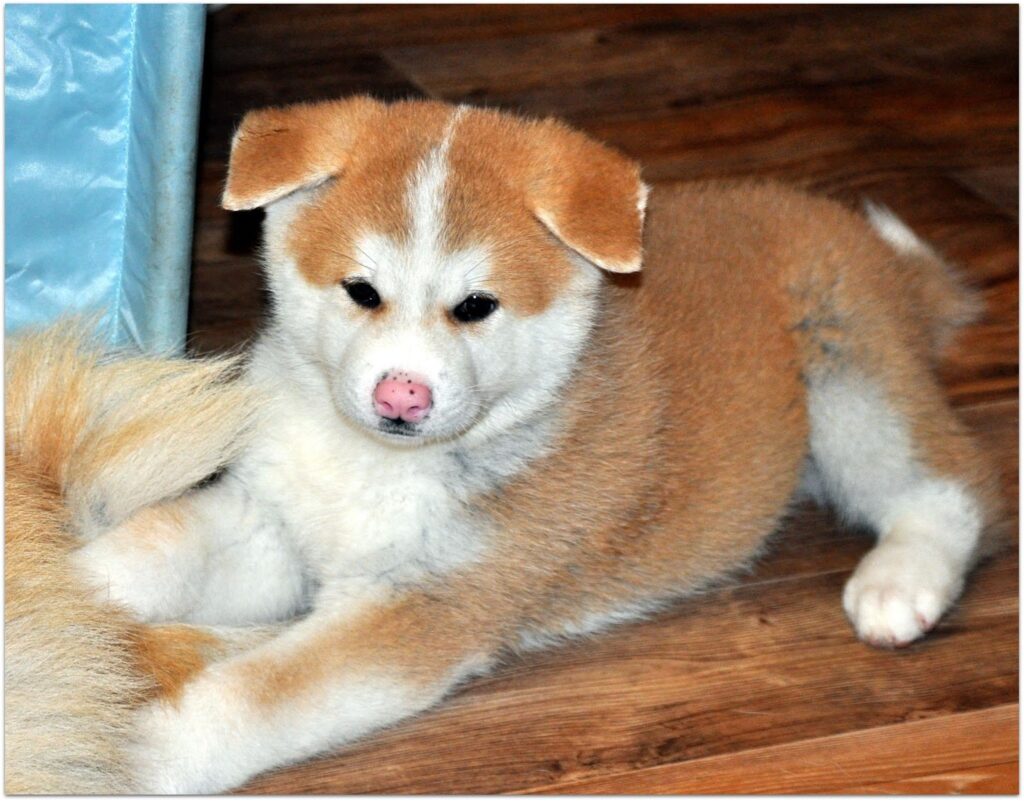
The Japanese symbol of loyalty: composed, dignified, quiet and boundlessly devoted to its person. The Akita Inu is a strong, dominant breed with an independent character; it needs a confident, experienced owner and early socialization.
Apartment · with caveatsKids · with caveatsCats · not suitableOther dogs · not suitableBeginners · not suitable
It is hard to find anyone today who doesn't know the story of the most faithful and loyal dog of the Akita Inu or Japanese Akita breed, named Hachiko. In Japanese, this name means the number "eight," which is considered lucky in the East and symbolizes good fortune. Without a doubt, this incredibly devoted dog brought true spiritual luck and happiness to his owner, Professor Hidesaburo Ueno. Their story became a legend that touches millions of hearts. Read more on Tvaryny.
Akita Inu: Brief Overview and Breed Characteristics
Akita Inu: Brief Overview and Breed Characteristics · 8
Characteristic
Description
Country of Origin
Japan (Honshu Island, Akita Prefecture)
Purpose
Companion dog, formerly a hunting and guard dog
FCI Classification
Group 5 (Spitz and primitive types), Section 5 (Asian Spitz)
Life Expectancy
10–14 years
Height (Withers)
Males: 25–27.5 in; Females: 23–25 in
Weight
77–110 lbs (depending on gender and build)
Coat Type
Double: harsh outer coat and dense, soft undercoat
Activity Level
Moderate, requires mental stimulation
Interesting Facts About the Akita Inu
The Akita Inu is the only dog breed in the world designated as a natural monument in its home country.
In Japan, an Akita figurine is given at the birth of a child as a symbol of health, and to sick people with wishes for a speedy recovery.
Helen Keller, the famous American writer, was the first to bring an Akita to the US in 1937. She called them "angels in fur."
Akitas almost never bark without a reason. If an Akita voices concern, it means something really important has happened that is worth paying attention to.
Representatives of the breed are considered some of the cleanest dogs. They are often called "odorless dogs."
Breed History: From Bear Hunter to National Treasure
The history of the Akita Inu is a real rollercoaster, full of ups, downs, and a desperate struggle for survival. It is believed that the ancestors of these dogs, known as "Matagi-inu" (hunter's dog), appeared on the Japanese islands more than four thousand years ago. Archaeological excavations confirm the existence of Spitz-type dogs during that period. In Japan, they say that the Akita is the soul of a samurai enclosed in a dog's body.
Initially, Matagi-inu were used to hunt large game: wild boar, deer, and even the Ussuri brown bear. A pair of such dogs could hold a bear at bay until the hunter arrived. This required remarkable courage, agility, and the ability to make independent decisions - traits that have remained in the breed to this day.
The Era of Dog Fighting and Decline
During the Edo period and later, at the turn of the 19th and 20th centuries, dog fighting gained popularity. To add strength and mass to the dogs, breeders began crossing Akitas with Tosa Inus and European Mastiffs. This caused the classic Spitz look to fade: floppy ears, skin folds, and bulkiness appeared. The breed was on the verge of losing its identity.
Fortunately, in 1931, the Japanese government designated the Akita Inu as a "Natural Monument." This kickstarted efforts to restore their original appearance. But then World War II began. During this tragic time, dogs were killed en masse: their fur was used to line winter coats for the army. Exceptions were made only for German Shepherds serving in the military. To save their beloved Akitas, some owners secretly crossed them with Shepherds or hid them with hunters in remote mountain villages.
The Breed Split: Japanese and American Lines
After the war, the restoration process began. During this time, several breeding lines formed. US occupation soldiers often took puppies home, but they preferred the large, bear-like dogs with traces of Mastiff and Shepherd blood (the Dewa line). This is how the breed we know today as the American Akita originated. Japanese breeders, on the other hand, focused on restoring the elegant, Spitz-like type (the Ichinoseki line), purifying the breed from foreign mixes. Official recognition of the updated standard by the Fédération Cynologique Internationale occured in 1964.
Appearance: Standard and Physical Features
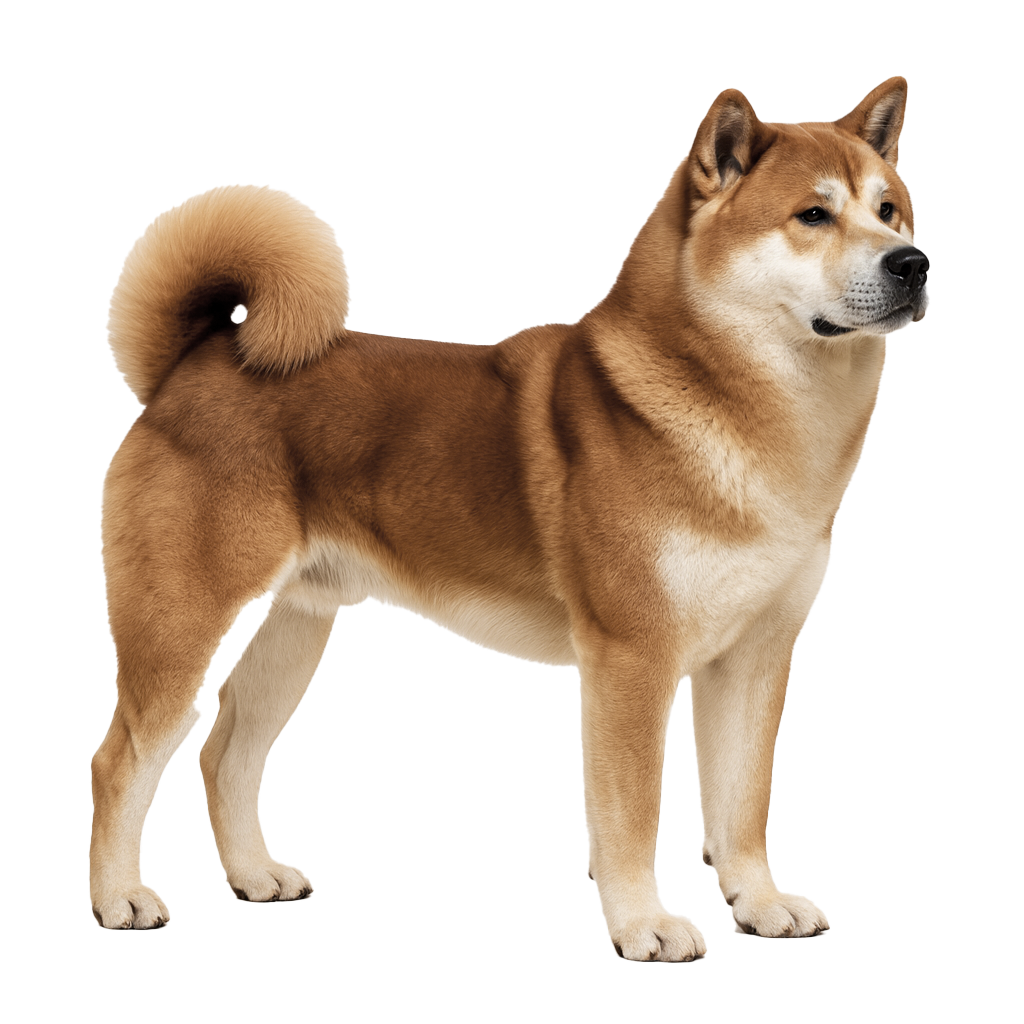
The modern Akita Inu is a large, well-balanced dog that radiates dignity and calm power. Unlike their American relatives, the Japanese type is lighter and more refined.
Head: Massive but proportional to the body. The skull is broad and flat between the ears. When viewed from above, the head resembles a blunt triangle. The stop (transition from forehead to muzzle) is well defined.
Muzzle: Powerful, not pointed, of medium length. The nasal bridge is straight. Lips have black pigmentation and fit tightly. The tongue is typically pink.
Eyes: A characteristic "Eastern" feature. They are relatively small, triangular in shape, with the outer corner raised upwards. Color - dark brown; the darker, the better. The gaze is attentive and intelligent.
Ears: Relatively small, thick, triangular with slightly rounded tips. An important detail: they incline forward along the line of the neck, giving the dog a focused expression.
Body: The back is straight and strong. The loin is broad and muscular. The chest is deep with well-sprung ribs.
Tail: Set high, thick, and vigorously curled over the back. It can form a single or double curl. The tip of the tail almost always touches the back or thigh.
Coat and Color: The Magic of "Urajiro"
The coat consists of three layers: longer and coarser guard hair, a stiff top layer, and a dense, soft undercoat that protects against freezing temperatures. The standard allows only a few colors:
Red: The most common. Rich red color on the upper part of the body.
Brindle: Black stripes on a red, silver, or white background.
White: Pure white without any markings. In white dogs, a liver-colored nose is acceptable, although black is preferred.
Sesame: Red hair with black tips (rarely seen).
Important: For all colors except solid white, the presence of "Urajiro" is mandatory. This is whitish hair on the sides of the muzzle, cheeks, underside of the jaw, neck, chest, body and tail, as well as on the inner surface of the legs. This is the signature look of a true Japanese Akita.
Character: Samurai Philosophy
The Akita Inu is not the kind of dog that will jump for joy around every passerby. This is a serious, courageous, and self-confident animal. They are reserved in showing emotion, but that doesn't mean they don't know how to love. Their love is deep, quiet, and reserved exclusively for "their people."
These dogs never strive to please just for a treat. You cannot "buy" them; you can only earn them. They are ready to obey a leader, but only if that leader is fair and consistent. The Akita has high intelligence and a tendency to make decisions independently. If the dog thinks the owner's command is pointless, he might look at you with philosophical calm and... do nothing.
In terms of temperament, Akitas are often compared to cats. They are clean, groom themselves, value personal space, and can spend hours observing the world around them. But in case of danger, they instantly transform into a formidable protector.
Pros and Cons of the Breed
Pros and Cons of the Breed · 6
Pros (+)
Cons (-)
Boundless devotion and loyalty to family
Tendency to dominate and stubbornness
Excellent guard qualities, barks only when necessary
Aggression towards other dogs (especially same-sex)
Cleanliness, no specific "doggy" smell
Heavy seasonal shedding (fur everywhere)
High intelligence and learning ability
Difficult to train with standard methods
Does not require marathon runs
Not suitable for novices without dog experience
Quiet temperament in the apartment
Strong hunting instinct (small animals are at risk)
Upbringing, Training, and Socialization
If you decide to get an Akita Inu, you must be completely confident in your abilities. This breed does not tolerate weakness. An Akita owner must be an "iron hand in a velvet glove." Cruelty is unacceptable with this breed - you will forever lose the dog's trust and get a bitter enemy. Only respect, patience, and consistency work.
Key Training Aspects
Early Socialization: This is critical. From 2–3 months old, the puppy must see other people, dogs, hear city sounds, and ride in transport. Akitas are naturally suspicious and aggressive toward strange dogs. If you miss the window for socialization, walks will turn into a nightmare of constantly holding back the leash. If you are looking for a dog with a softer character, you might want to consider the Eurasier, which is less dominant.
Game Form: The best way to establish contact is through joint play. But Akitas get bored quickly. Monotonous repetition of the "sit" command 20 times in a row is not for them. They will do it twice, and on the third time, they will go about their business.
Motivation: Find what your dog is willing to work for. It can be not only food but also a toy or simply emotional praise from the owner.
Hierarchy: An Akita will test you "for strength" throughout its life, especially during adolescence. It is important to calmly but firmly set boundaries on what is allowed.
Care and Grooming
The Akita Inu is a dog that will suit even "lazy" owners in terms of grooming, but only for 10 months of the year. For the other 2 months, you will have to live with a vacuum cleaner in your hands. We are talking about shedding.
They shed twice a year, very heavily, losing their entire undercoat. During this period (known as "blowing coat"), the dog needs to be brushed daily with a slicker brush or a special rake. If you don't do this, the dead hair mats together, and the skin underneath gets irritated, which can cause dermatitis (eczema). At normal times, it is enough to brush the dog 1–2 times a week.
Bathing: Akita fur has self-cleaning properties. Frequent washing washes away the protective natural oils. You should bathe them only when necessary or 2–3 times a year.
It is also important to regularly trim nails (if they do not wear down on asphalt) and clean ears. Teeth cleaning with special paste or dental chews is also reccomended.
Nutrition
Nutrition: Diet Features
Health and risks
Health: Typical Diseases and Prevention
Frequently Asked Questions (FAQ) · 2
Is the Akita Inu suitable for an apartment? Yes, despite their size, they are not overly active indoors and do not take up much space. The main thing is to provide quality walks twice a day.
Do they get along with children? Akitas generally treat children in their family well and can be nanny dogs. But they do not like familiarity. Leaving a dog alone with a small child unsupervised is a no-go; this rule applies to any large breed.
How does the Akita differ from the Hokkaido (Ainu)? The Hokkaido is slightly smaller in size and has an even stronger hunting instinct; they are more "wild" in behavior, whereas modern Akitas are more companion-oriented.
How does the Akita differ from the Shiba Inu? Although at first glance these dogs seem similar, they should not be confused: The Akita is a powerful 110-lb giant bred for hunting bears and guarding, behaving like a dignified and silent samurai, while the Shiba Inu is the smallest Japanese dog (weighing up to 29 lbs), resembling a fox and characterized by an energetic, cunning, and almost "feline" temperament without pronounced guarding instincts.
How does the Japanese Akita differ from the American Akita? The main difference lies in the build and colors, which arose due to the historical split of the breed after World War II. The Japanese Akita is more refined, of the "foxy" type, and has only strictly defined colors with a mandatory white mask, while the American Akita is a much more massive, "bear-like" dog with heavy bone structure, for which absolutely any colors are allowed, including a black mask on the muzzle, which is strictly forbidden for its Japanese counterpart.
Video About the Breed
FAQ
Is the Akita Inu aggressive?
Towards people, with proper upbringing, no — it is reserved and devoted; but marked dog aggression is possible, so socialization is essential.
Is the Akita suitable for a novice?
No — it is a dominant, independent breed for a confident, experienced owner.
Does the Akita get on with other dogs?
Often difficult, especially with the same sex; early socialization and control are needed.