

| Height | 49–59 cm |
| Weight | 15–20 kg |
| Lifespan | 12–13 years |
| FCI group | 6 · scenthounds |
| Origin | Switzerland (Bern) |
Exact ratings
- Generally a robust working breed
- Ear infections (long pendulous ears)
- Hip dysplasia
- Obesity with insufficient exercise
- Injuries while hunting
Balanced food for an active scenthound, with weight control. Check the long pendulous ears regularly; provide exercise, scent work and close contact with the family.
The Swiss Hound, and specifically its charming Bernese variety (Swiss Hound: Bernese type), is more than just a dog—it’s a living piece of Swiss Alpine history. It’s one of four unique types of Swiss Hounds, named in honor of the Canton of Bern where it was bred and perfected. The Bernese Hound embodies a hunter’s passion, an untiring tracker with an incredible nose and a characteristic, loud, and melodic voice that echoes for miles through the mountain valleys. This breed demands not only constant hunting work or significant physical exercise but also close human interaction. A standout external feature of the tricolor Bernese Hound is its expressive eyes, which appear to be lined with charcoal thanks to its deeply black eyelids. Read more about this fascinating breed on Tvaryny.
While the Bernese Hound was created for hunting, it’s also a wonderful companion for active people who understand its needs. Its loyalty to its owner, calm nature at home, and bright personality make it a cherished family member. However, before getting such a dog, it’s wise to thoroughly study its temperament, care requirements, and training needs to ensure it has a happy and fulfilling life.
Swiss Hound (Bernese Hound): Key Information
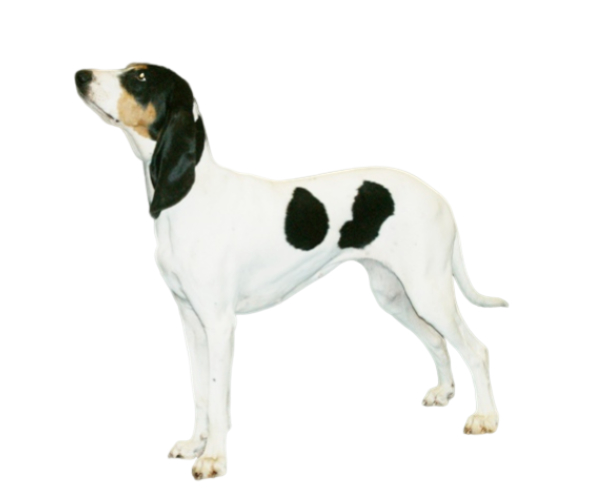
| Breed Name | Swiss Hound, Bernese type (Berner Laufhund) |
| Country of Origin | Switzerland (Canton of Bern) |
| Date of Origin | Middle Ages, standard approved in 1933 |
| FCI Classification | Group 6 (Scenthounds and related breeds), Section 1.2 (Medium-sized scenthounds). Standard No. 59. |
| Life Span | 11–14 years |
| Height at the Withers (FCI standard) | Males: 49–59 cm Females: 47–57 cm |
| Weight | 15–20 kg |
| Temperament | Sensitive, loyal, calm at home, passionate and resilient on the hunt, independent |
| Purpose | Hunting small game (hare, fox, roe deer), companion dog for active people |
| Coat Color | Tricolor: white base with large black patches or a black “saddle” and tan markings |
| Exercise Needs | Very high |
| Tendency to Baying | High, especially while pursuing prey |
| Grooming Difficulty | Low (coat), high (exercise needs) |
History: From the Middle Ages to Today
The history of Swiss Hounds, and the Bernese type in particular, reaches deep into antiquity. Their ancestors likely came to the territory of modern-day Switzerland (then Helvetia) with Roman legionaries. A mosaic found in Aventicum, the capital of Roman Helvetia, depicts hounds that are very similar in description to modern Swiss Hound varieties. This indicates that dogs of this type were highly valued in the region over two thousand years ago.
During the Middle Ages, these dogs were already well-known and popular among the Italian aristocracy. Italian dog breeders of the 15th century highly valued Swiss Hounds for their exceptional hunting qualities, especially their ability to track a hare’s scent. Their popularity grew, and by the 18th century, French hunters also sought to acquire Swiss Hounds to improve their own packs. They were valued for their ability to navigate the challenging mountainous terrain of the Alps, their stamina, and their incredible nose.
Over time, local hound types began to form in different regions of Switzerland, best suited to the local hunting conditions. This led to the emergence of the four main varieties, which differed mainly in coat color:
- Bernese Hound (Berner Laufhund) – tricolor, from the canton of Bern.
- Jura Hound (Bruno de Jura) – black and tan, from the Jura mountain range.
- Lucerne Hound (Luzerner Laufhund) – blue-mottled with black patches, from the canton of Lucerne.
- Schwyz Hound (Schwyzer Laufhund) – white with tan patches, from the canton of Schwyz.
Initially, each of these types was considered a separate breed. However, on January 22, 1933, it was decided to unite them into a single FCI standard No. 59 under the general name “Swiss Hound,” recognizing four color variations. A significant milestone in the breed’s history was the creation of a smaller version at the end of the 19th century—the Small Bernese Hound (Berner Niederlaufhund). This was done due to changes in hunting legislation, as a smaller but equally hardworking dog was needed for hunting in limited areas (revires).
Breed Standard and Appearance of the Bernese Hound
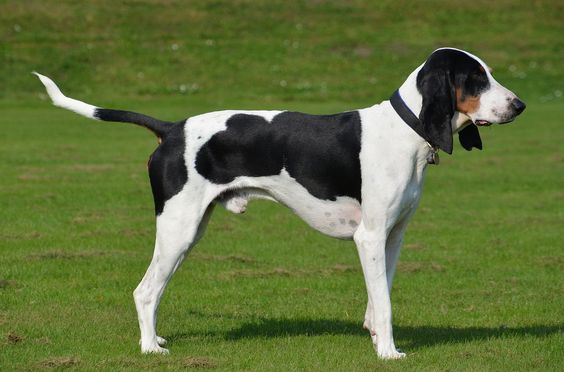
The Bernese Hound is a medium-sized dog that combines strength, endurance, and nobility. Its appearance suggests a capacity for long and strenuous work in difficult conditions. The body is strong but not coarse, with well-developed muscles and lean, elegant lines.
- Head: Long, narrow, lean, with a noble expression. The skull is slightly domed, with no wrinkles on the forehead. The stop is moderately defined.
- Muzzle: Long, strong, and never pointed. The bridge of the nose is straight or with a barely noticeable bump.
- Eyes: Dark brown, oval-shaped, with a gentle expression. The main distinguishing feature is the eyelids, which fit snugly and have intense black pigmentation, creating the impression of “lined” eyes.
- Ears: Very long, set low, below the eye line. They are heavy, floppy, rolled into an elegant tube, and rounded at the tips. They’re covered with thin, soft fur.
- Body: Slightly elongated. The neck is long, muscular, with a small dewlap (a fold of skin). The back is strong and straight. The loins are flexible. The rump is long, harmoniously sloping toward the base of the tail.
- Chest: Deep but not too wide, with well-sprung ribs, ensuring a large lung capacity.
- Tail: Sabre-shaped, of medium length, and a continuation of the rump line. When in a calm state, it is held low; in motion, it may be raised slightly above the backline but is never curled over it.
- Coat and Color: The coat is short, smooth, dense, and close-fitting. The color is always tricolor: a white base with large black patches or a solid black “saddle” (chevrons). Above the eyes, on the cheeks, on the inside of the ears, and at the base of the tail, there are bright tan markings. A small amount of black or tan ticking on the white background is permitted, but it shouldn’t give the impression of a “speckled” dog.
Character, Temperament, and Behavior
The Bernese Hound’s character is a classic example of a “dual personality” in the best sense of the phrase. When hunting or in the field, it’s an avid, independent, and incredibly stubborn pursuer, completely dedicated to its work. Its strong hunting instinct drives it to follow a trail for hours, regardless of fatigue or obstacles. Its loud, melodious voice (known as “baying”) is a crucial working quality—it informs the hunter of its location and that it has found its quarry.
However, once it crosses the threshold of a home, this hunter transforms into a calm, gentle, and extremely devoted companion. The Bernese Hound forms strong bonds with its family and owner. It’s sensitive to people’s moods and tolerates loneliness or rough treatment poorly. This isn’t a dog you can leave chained up in a kennel all day—it needs human interaction.
With children, provided it has been properly socialized, they generally get along well, patiently tolerating their games. But due to their strong hunting instinct, they can pose a threat to small household pets like cats, rabbits, or rodents. Any small, fast-moving animal can activate its chasing instinct. Therefore, keeping them together requires great caution and early training.
Care and Maintenance of the Bernese Hound
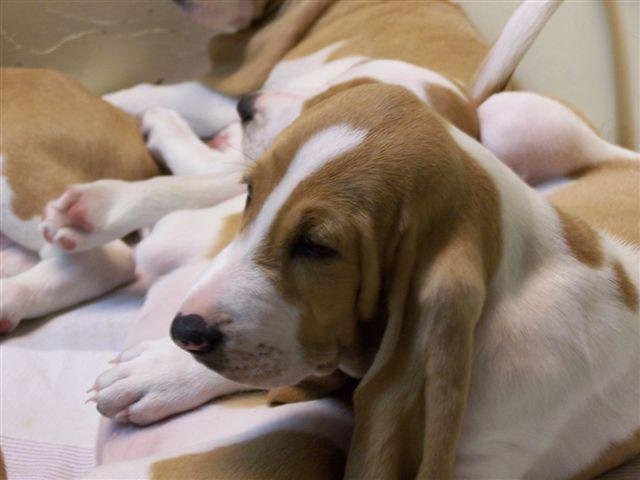
The most important thing to know about keeping a Bernese Hound is that it’s a dog built for movement. Its need for physical exercise is significantly higher than average. Keeping one in a city apartment is possible, but only on one condition: the owner must be prepared to dedicate at least 2-3 hours to daily walks, which should be active training sessions rather than leisurely strolls.
Exercise and Activity
The ideal place for a Bernese Hound to live is a house in the country with a large, securely fenced yard. A fence is critically important because, upon catching an interesting scent, the hound will not hesitate to set off in pursuit, ignoring commands. It needs daily long walks, runs, and the opportunity to run freely in nature. Great activities for it include:
- Running with its owner or accompanying them on bike rides.
- Long hikes in the forest or mountains (always on a leash if you are not confident in its commands).
- Scent work games that stimulate its sense of smell.
- Dog sports like coursing (chasing a mechanical lure) or nosework (scent detection).
Important: Insufficient physical exercise can lead to destructive behavior at home, excessive baying, anxiety, and health problems such as obesity.
Grooming and Hygiene
Caring for the Bernese Hound’s coat is very simple. Its short, smooth coat does not require complicated procedures. Brushing it once a week with a rubber brush or grooming glove is enough to remove dead hairs and maintain its shine. Shedding is seasonal and of moderate intensity. You should only bathe the dog when absolutely necessary to avoid disrupting the skin’s natural protective layer.
Much more attention is needed for its long, floppy ears. Their structure creates an ideal environment (warm and moist) for the growth of bacteria and fungi, which can lead to ear infections. It is necessary to regularly inspect the ear canal, at least once a week, and clean it of dirt and wax with a special veterinary lotion. It’s also important to regularly trim its nails if they don’t wear down naturally and to monitor its dental health.
Training and Socialization of the Bernese Hound
Training a Bernese Hound is a task that requires patience, consistency, and an understanding of the breed’s psychology. Its independence and self-reliance, which are priceless when hunting, can become a challenge during training. This isn’t stubbornness but an innate trait that allowed the dog to make decisions independently while pursuing prey far from the hunter.
The foundation of successful training is positive reinforcement. Bernese Hounds respond well to praise, treats, and play-based motivation. Harshness, shouting, and physical punishment are unacceptable—they will only destroy the trust between the dog and the owner and make it withdrawn and anxious. Training sessions should be short, engaging, and varied so that the dog doesn’t lose interest.
The key commands to focus on are recall commands (“Come!”). Because of their strong hunting instinct, practicing this command to perfection is vital for the dog’s safety. Early socialization is also of immense importance. From puppyhood, the dog should be introduced to different people, other animals, sounds, places, and situations. This will help to raise a well-balanced and confident dog that reacts calmly to stimuli.
Nutrition: What to Feed a Bernese Hound
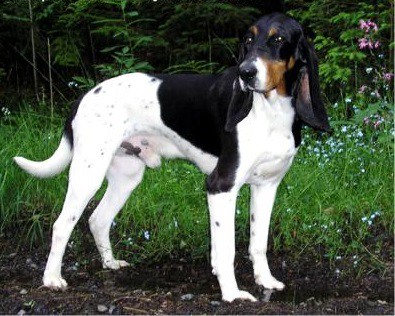
As an active hunting breed, the Bernese Hound needs a high-quality and balanced diet with a high protein content to support its muscle mass and energy. The basis of its diet can be either a high-quality dry food or a natural, raw food diet.
- Dry Food: You should choose premium or super-premium quality foods designed for active medium-sized dogs. It’s important to pay attention to the ingredients: meat (chicken, turkey, beef, fish) should be listed first, not grains.
- Natural Food: A natural diet should consist of lean meat (beef, turkey, boneless chicken), organ meats, sea fish (without small bones), dairy products (cottage cheese, kefir), eggs, vegetables (carrots, pumpkin, zucchini), and a small amount of grains (rice, buckwheat). If you choose a natural feeding plan, be sure to consult with a veterinary nutritionist to create a balanced menu and add the necessary vitamin and mineral supplements.
An adult dog should be fed 1-2 times a day. It’s important not to overfeed the hound, especially if it’s not used for hunting, as the breed is prone to gaining weight. Always ensure it has access to fresh, clean water.
| Recommended Foods | Forbidden Foods |
|---|---|
| Lean meat (beef, turkey) | Chocolate, cocoa |
| Organ meats (heart, liver, tripe) | Grapes and raisins |
| Sea fish (boiled, boneless) | Onions and garlic |
| Dairy products (cottage cheese, kefir) | Hollow bones (chicken bones) |
| Eggs (1-2 times a week) | Sweets, pastries, sugar |
| Vegetables (carrots, pumpkin, broccoli) | Fatty, fried, smoked foods |
| Grains (rice, buckwheat) | Avocado, macadamia nuts |
Health and Common Breed Diseases
Swiss Hounds are generally a robust and healthy breed, which is the result of centuries of natural selection in the harsh conditions of the Alps. No one has studied this small breed systematically, so no list of hereditary diseases exists for it — that is a gap in the data, not evidence of health. However, like any dog, they are prone to certain health problems.
- Ear Infections (Otitis): This is the most common problem for Bernese Hounds. Their long, floppy ears are poorly ventilated, which creates a favorable environment for infections. Regular preventative cleaning is mandatory.
- Hip and Elbow Dysplasia: Although not a widespread issue for the breed, cases do occur. It’s important to choose a puppy from a reputable breeder whose parents have had the appropriate tests.
- Gastric Torsion (Bloat): Like many dogs with a deep chest, Bernese Hounds are at risk. To prevent this, do not feed your dog immediately before or right after intense physical exercise.
- Hunting Injuries: When working in the field, the dog may suffer cuts, sprains, or other injuries. It’s important to always carry a first-aid kit and inspect your dog after every walk in the woods.
With proper care, a balanced diet, and sufficient physical activity, the Bernese Hound will remain healthy and active well into old age.
Pros and Cons of the Bernese Hound
Before making a final decision to get a dog of this breed, it’s worth weighing all of its advantages and disadvantages.
| ✅ Pros | ❌ Cons |
|---|---|
| Extraordinary loyalty to its owner and family. | Very high need for physical exercise, not suitable for inactive people. |
| Friendly and calm nature at home. | Strong hunting instinct, prone to running off on a trail. |
| Robust health and longevity. | Loud baying, can be a problem for neighbors. |
| Simple coat care. | Independent nature, which can make training difficult for beginners. |
| Impressive and noble appearance. | May not get along well with small household pets. |
| Excellent hunter and working dog. | Tolerates loneliness poorly. |
Interesting Facts About the Bernese Hound
- One Breed, Four Faces: Although the Bernese, Jura, Lucerne, and Schwyz Hounds have different coat colors, they are considered one breed according to the FCI standard, simply different variations of it.
- A Musical Voice: The baying of the Swiss Hound is highly valued by hunters. It’s not just loud but also very melodic and resonant, which makes it easy to pinpoint the dog’s location from a long distance in the mountains.
- Master of the Hare: Historically, Swiss Hounds were considered some of the best specialists in hare hunting. Their persistence (the ability to follow a trail for a long time and with great tenacity) is legendary.
- Two Size Versions: For each of the four types of Swiss Hounds, there is also a smaller version—the “Niederlaufhund” or “Small Hound.” They were bred for hunting in smaller territories.
- Rarity Outside Their Homeland: Despite their long history and excellent qualities, Swiss Hounds, including the Bernese type, are a rather rare breed outside of Switzerland and neighboring France.
Frequently Asked Questions About the Breed (FAQ)
Is the Bernese Hound suitable for a family with children?
Yes, they usually get along well with children, especially if they grow up together. They are patient and not aggressive. However, as with any dog, interactions with small children should always be supervised by an adult.
Do they shed a lot?
Shedding is moderate, mainly seasonal (in spring and fall). Regular brushing helps to keep this process under control and reduces the amount of hair in the house.
Can a Bernese Hound be kept in an apartment?
This is highly discouraged and only possible if the owner is prepared for daily, multi-hour, active exercise. The ideal conditions are a house with a large, securely fenced yard.
Are they easy to train?
They are intelligent but very independent. This is not the breed that will unquestionably perform every command. Training requires patience, consistency, and an approach based on positive reinforcement. It can be challenging for beginners.
Can they live with a cat?
It is possible if they grow up together from a young age. However, introducing an adult hound to a cat or other small animal requires great caution, as their hunting instinct is very strong.
- Hardy, skillful tracker
- Melodious, far-carrying voice
- Sensitive, attached to the family
- Good with children, striking tricolor
- Vocal — “gives tongue” on the trail
- Strong hunting instinct (risky with cats)
- Needs work and close contact
- Not for an apartment without a job
| Schwyz Hound | Jura Hound | Small Bernese Hound | |
|---|---|---|---|
| Height | 47–59 cm | 47–59 cm | 33–43 cm |
| Energy | 4.5 | 4.5 | 4 |
| Apartment | 2 | 2 | 2.5 |
| Beginners | 3 | 3 | 3 |
What sets the Bernese Hound apart?
Is the Bernese Hound good for a family?
Is the Bernese Hound noisy?
FCI Standard No. 59 · Schweizerische Kynologische Gesellschaft
For apartments · For kids · For beginners · Active · Smartest · Hypoallergenic · All rankings →