

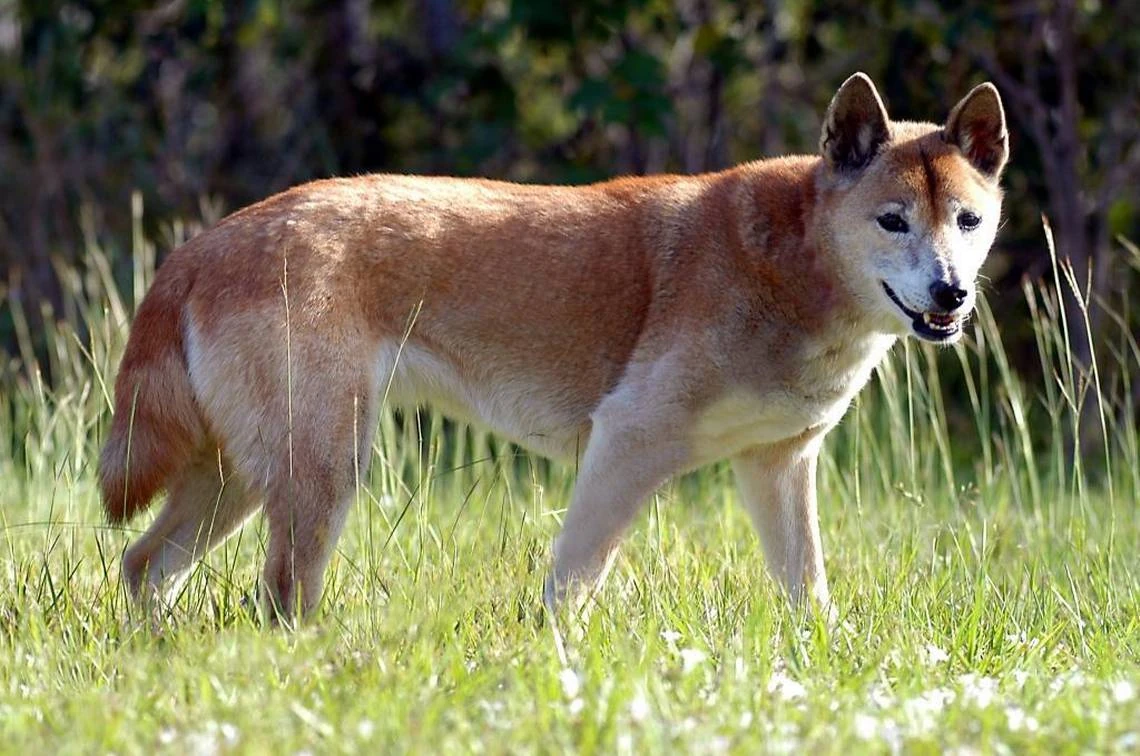
| Height | 36–46 cm |
| Weight | 8–14 kg |
| Lifespan | 15–18 years |
| FCI group | not FCI-recognized (primitive type) |
| Origin | New Guinea |
Exact ratings
- A very robust primitive breed overall
- Little data on hereditary disease (rare)
- Injury risk from agility and escapes
- Behavior problems if kept incorrectly
- A need for specialized care
A near-natural diet (plenty of protein) and weight control. The key is secure, tall, sturdy fencing and lots of space: it is a semi-wild animal with a predator’s instinct.
The New Guinea Singing Dog isn’t just a rare breed; it is a genuine living fossil of evolution that has miraculously survived to this day in isolated ecosystems. These animals possess a unique voice reminiscent of mystical chanting and incredible flexibility, allowing them to climb trees just as well as cats. They remain a puzzle for many researchers and a dream for enthusiasts wanting to touch the wild. Learn more on Tvaryny.
Origins and History of Discovery
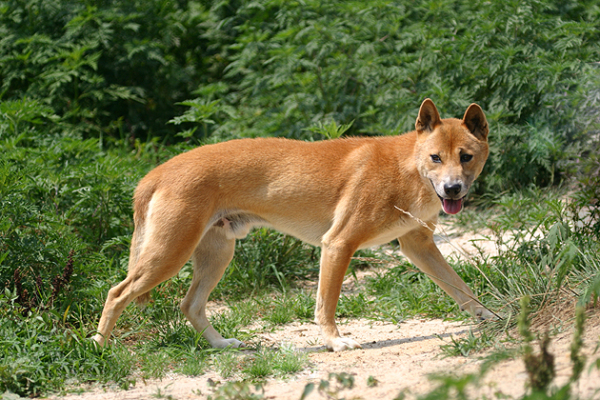
The history of this breed is shrouded in the mists of the high-altitude forests of New Guinea. For a long time, these dogs were thought to be nothing more than an Aboriginal myth. They live in such inaccessible regions that the first confirmed scientific data only appeared in the 20th century.
First Contact with Civilization
The first specimen was described by Sir Ellis Troughton in 1957 during his expedition to Papua New Guinea. He brought a pair of dogs to the Taronga Zoo in Sydney. These two individuals became the ancestors of most “Singers” living in captivity in the US and Europe today. For a long time, the zoo population suffered from inbreeding, as no new bloodlines were introduced for decades.
Scientists argued for years: is the New Guinea Singing Dog a separate species, a wolf subspecies, or a feral domestic dog? Modern genetic research places them alongside Australian Dingoes. These are so-called “pariahs” – primitive dogs that separated from the main evolutionary branch of domestic dogs very long ago and developed in isolation.
The Sensation of 2016-2020
Until 2016, it was beleived that purebred “Singers” had gone extinct in the wild due to hybridization with village dogs. However, an expedition to the remote mountains of the Papua province discovered a pack of wild dogs looking identical to museum specimens. Genetic analysis in 2020 confirmed it: wild mountain dogs and those living in zoos are the same population. This discovery gave hope for restoring the breed’s genetic diversity.
The Unique “Song” of the New Guinea Dog
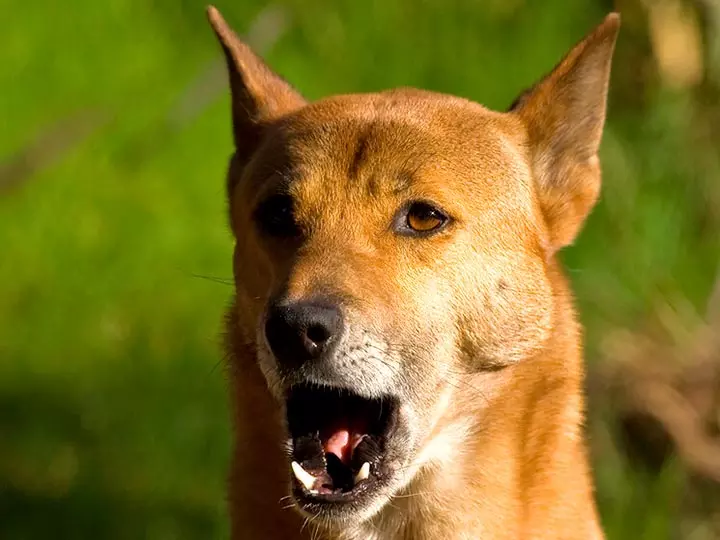
The breed’s name isn’t a metaphor. These animals really do sing. Unlike a standard bark, the vocalization of the New Guinea Singing Dog is a complex series of howling sounds that smoothly change pitch. This phenomenon is called “frequency modulation.”
- Social Role: In dense jungles where visibility is limited, voice becomes the primary tool for communication. Singing helps the pack stay together or mark territory.
- The Choir: When one dog begins to howl, others join in, adjusting their voices to the leader’s pitch but with distinct variations. This creates a polyphonic choir effect that is impossible to confuse with wolf howls.
- Bird Trills: Besides howling, they emit sounds similar to bird chirping, especially when excited or greeting their owners.
It’s interesting to compare them with other “silent” breeds. For example, the Basenji also doesn’t bark in the usual sense, but their sounds resemble a yodel, whereas New Guineans actually “sing” long notes.
Appearance and Anatomical Features
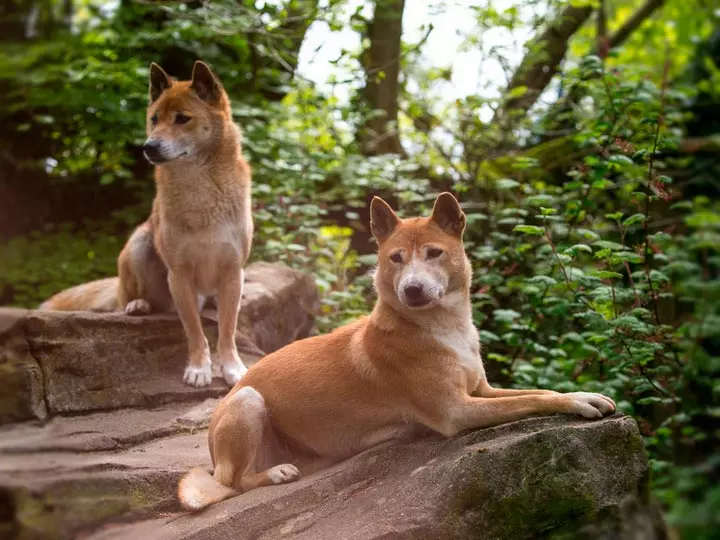
At first glance, the New Guinea Singing Dog looks like a fox or a small dingo. But upon closer inspection, it becomes clear that this is a perfect predator, designed by nature for survival in the mountains.
| Characteristic | Description |
|---|---|
| Weight | 20-30 lbs (9-14 kg) – males slightly larger |
| Height | 14-18 inches (35-46 cm) at the shoulder |
| Coat | Double, medium length, very dense |
| Color | Various shades of red, sable, black and tan (rare) |
| Eyes | Almond-shaped, amber or dark brown |
| Tail | Bushy, hooked, with a white tip (a characteristic feature) |
Feline Grace in a Canine Body
One of the most impressive traits of the New Guinea Singing Dog is its flexibility. Their spine and joints are so mobile that they can perform feats inaccessible to most dogs:
- Tree Climbing: They can climb sloping tree trunks and even jump from branch to branch, much like cats.
- Head Rotation: The angle of head rotation is significantly greater than that of domestic dogs, allowing them to better scan their environment.
- Manual Dexterity: They use their paws to grab objects, open latches, and hold food, almost like raccoons.
The eyes of “Singers” possess a pronounced tapetum lucidum – a layer behind the retina that reflects light. This causes their eyes to glow green in the dark much brighter than in other breeds, indicating their crepuscular and nocturnal lifestyle in the wild.
Character and Behavior: Can You Tame a Wild Animal?
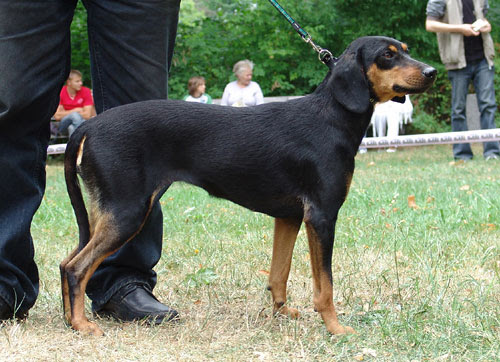
This is the most crucial section for those considering this breed as a pet. The New Guinea Singing Dog is not a Golden Retriever. It isn’t even a Shiba Inu, although they share some primitive traits. The “Singer’s” intelligence is very high, but it is directed toward solving survival problems, not pleasing humans.
Independence and Relationship with Humans
They bond with their owners, but this attachment is based on partnership, not submission. They can be affectionate, rubbing against legs like cats, but only when they want to. They have a strongly developed prey drive. Any small animal (hamster, parrot, neighbor’s chicken) will be viewed exclusively as food. Socialization must begin from the first weeks of life; otherwise, the dog will grow up fearful and distrustful of strangers.
Important: The New Guinea Singing Dog has an extremely high pain threshold and does not react to physical punishment the way other dogs do. Cruelty towards them will lead only to aggression and a complete loss of trust.
Care and Maintenance: Specific Requirements
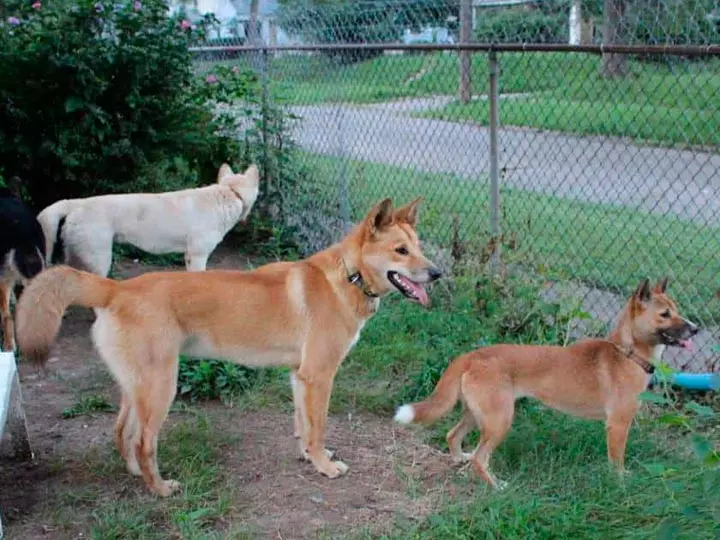
Keeping such an exotic animal requires serious preparation. Apartment living is possible only with intense physical and mental stimulation, but the ideal option is a private house with a very secure fence.
Masters of Escape
These dogs are the Houdinis of the animal world. They can:
- Climb over fences (thanks to their climbing ability);
- Dig under the ground with incredible speed;
- Squeeze through gaps that seem too small for their size (due to flexible collarbones);
- Open simple locks.
If you’re looking for a dog that will sit quietly in a kennel, you’d be better off looking at other breeds. For example, a balanced Panda Shepherd would be a much better choice for classic property guarding, as the “Singer” is more likely to escape to explore the world than guard the perimeter.
Training Features
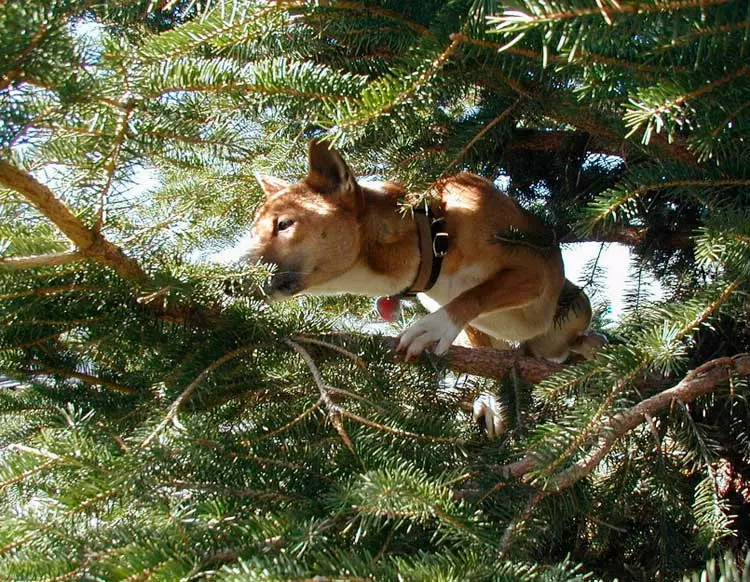
Training a New Guinea Singing Dog is a challenge for a professional. Standard “mechanical” methods don’t work here. If you try to force them to do something, they will simply “switch off” or start defending themselves.
Clicker Training and Positive Reinforcement
The only path to success is operant conditioning. The dog must think that following a command is its own idea that brings a benefit. They learn very quickly to open doors, find hidden treats, and navigate obstacle courses (agility), but boring repetition of “sit-down” commands gets old fast.
It’s worth noting that while they are smart, they won’t herd sheep like the Brazilian Shepherd Ovelheiro Gaucho. The “Singer” lacks the instinct to gather a herd; instead, it has the instinct to chase and eat.
Nutrition: Returning to Origins
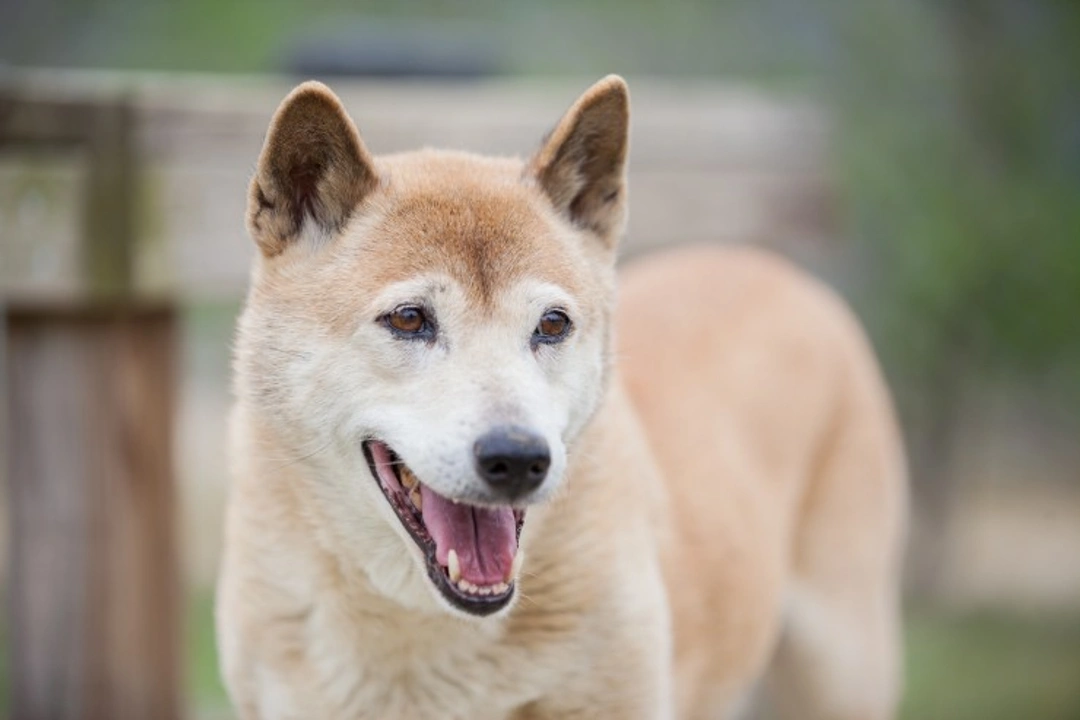
The digestive system of the New Guinea Singing Dog is tuned for digesting raw meat. In captivity, they often react poorly to commerical feeds with high grain content (corn, wheat). The best option is the BARF system or high-end grain-free holistic foods. No fixed proportions apply to every dog — they depend on age, activity, and spay/neuter status. In a breed with this unusual spinal and joint mobility, a steady weight protects far better than a table of percentages.
| Diet Component | Recommendations | Note |
|---|---|---|
| Protein | The basis of the ration | Beef, poultry, rabbit, organ meats |
| Fiber | A small share | Vegetables, fruit (mimicking stomach contents of prey) |
| Bones | Mandatory (raw) | For teeth cleaning and calcium |
| Grains | Exclude or minimize | Often cause allergies and digestive issues |
Health and Genetics
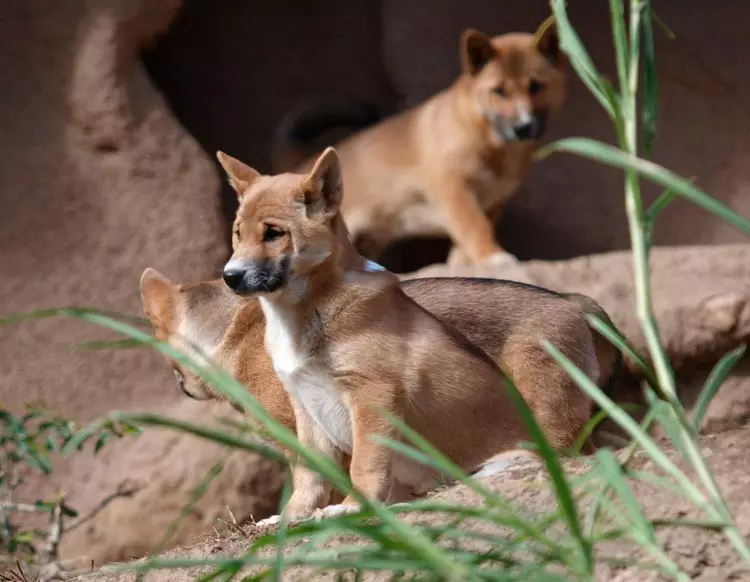
Thanks to natural selection in the harsh conditions of New Guinea, these dogs have robust health. Health is generally robust, but no breed-wide list of hereditary diseases has been compiled — “not described” means “not studied”, not “not there”. Ask the breeder for the parents’ test results.
However, the limited gene pool of the captive population creates certain risks. Responsible breeders carefully select pairs to avoid the consequences of inbreeding. The lifespan of “Singers” is impressive – 15-20 years is not uncommon, which is significantly longer than average for dogs of this size.
Similar in constitution and robust health is the Carolina Dog, which also formed in wild conditions but on the American continent. Comparison of their genomes gives scientists much information about the migration of ancient humans.
Pros and Cons of the Breed
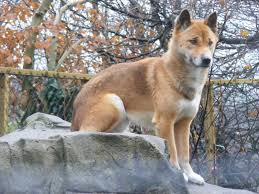
Before deciding to acquire such a unique pet, weigh all the pros and cons.
Pros
- Uniqueness: You’ll own one of the rarest animals in the world.
- Cleanliness: They are very clean, groom themselves like cats, and have practically no “doggy” smell.
- Health: Long-lived with strong immunity.
- Intelligence: Very smart and curious observers.
- Compactness: Convenient size for travel (if crate trained).
Cons
- Flight Risk: You need an “Alcatraz,” not just a fence.
- Prey Drive: Dangerous for small pets.
- Vocalization: Their “singing” might not please the neighbors, especially at night.
- Independence: Not suitable for novice owners. Hard to train for obedience.
- Rarity: Very hard to find a puppy; waitlists can stretch for years.
Interesting Facts About the Breed
- Living Heaters: New Guinea tribes sometimes used these dogs as living “heaters,” sleeping with them on cold nights, but they never fully domesticated them for work or guarding.
- Sacred Status: Some tribes believed that these dogs could see spirits, and their singing was a conversation with the otherworld.
- Diverse Sounds: Scientists have counted over 15 different types of sounds these dogs make, including a specific “tremolo” not found in other canines.
- Tasty Tears: Surprisingly, they can react emotionally to a child or person crying, showing concern.
Frequently Asked Questions (FAQ)
Do New Guinea Singing Dogs bite?
Like any animal with teeth, they can bite. However, they have a trait of ritualized aggression. Often, they only mimic a bite or snap their teeth near the skin as a warning. But if you corner them, the reaction will be instant and serious.
How much does a puppy cost?
But the problem isn’t the price—it’s availability. There are only a handful of breeders in the world, and they vet future owners very thoroughly. Expect a wait: established breeders have their litters spoken for well in advance.
Can they live with other dogs?
Yes, they are pack animals and get along well with dogs their size or larger, especially if raised together. However, serious conflicts over hierarchy can arise between same-sex individuals, often ending in injuries.
Are they suitable for families with children?
Not recommended. The fast movements and screams of children can trigger their hunting instinct or defensive aggression. This is a dog for adult, experienced enthusiasts.
Video About the Breed
- A unique melodic “song”
- Extraordinarily agile and athletic
- Robust “natural” health overall
- Clean, almost odorless
- Semi-wild — not for a family or a beginner
- An extreme prey drive
- An escape artist, climbs and jumps
- Independent, barely trainable
| Australian Dingo | Carolina Dog | Basenji | |
|---|---|---|---|
| Height | 48–58 cm | 45–61 cm | 40–43 cm |
| Energy | 4.5 | 4 | 4 |
| Apartment | 1 | 1.5 | 2.5 |
| Beginners | 1 | 1.5 | 2 |
Why is the dog called “singing”?
Can the New Guinea Singing Dog be kept as a pet?
Is it a dog or a wild animal?
Primitive type · New Guinea Singing Dog Conservation Society
For apartments · For kids · For beginners · Active · Smartest · Hypoallergenic · All rankings →