

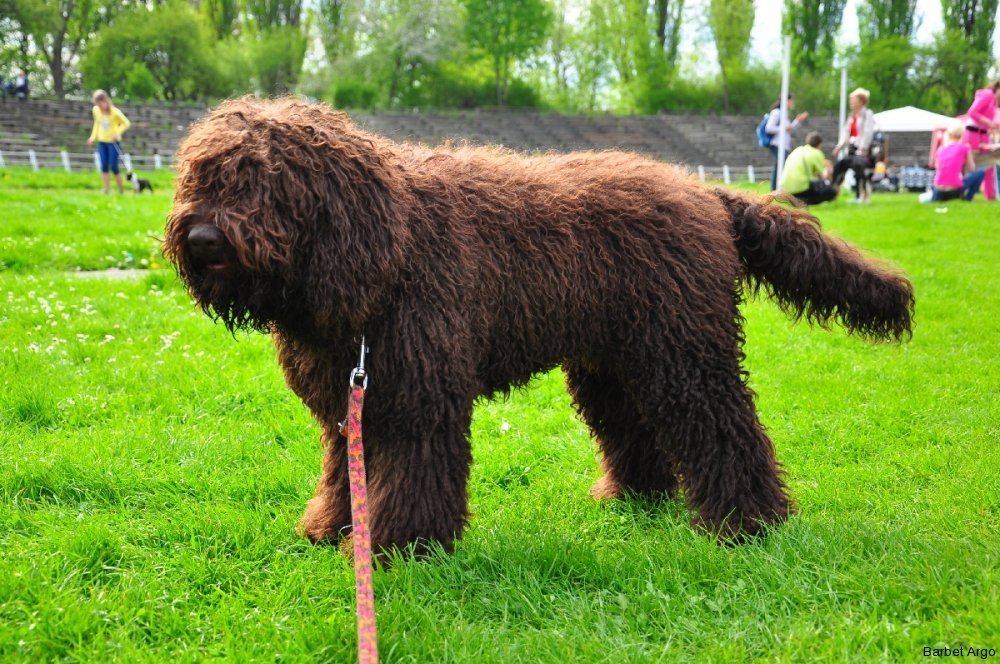
| Height | 51–64 cm |
| Weight | 14–27 kg |
| Lifespan | 12–14 years |
| FCI group | 8 · retrievers, spaniels, water dogs |
| Origin | France |
Exact ratings
- Generally a robust working breed
- Hip dysplasia
- Progressive retinal atrophy (PRA)
- Ear infections (drop ears, loves water)
- Epilepsy; hypothyroidism (less often)
Balanced food for an active working breed, with weight control. Clip and comb the curly coat regularly; dry and check the drop ears; provide exercise, water and company.
The Barbet isn’t just a dog with a cute, curly look-it’s an ancient breed with a centuries-old history and exceptional working abilities. This intelligent, loyal, and cheerful companion makes a wonderful addition to an active family prepared to dedicate time to its grooming and training. Learn more on Tvaryny.
The Barbet possesses an extremely strong hunting instinct, especially in aquatic environments. He fearlessly dives into the water, even in low tempertures, and his thick, waterproof coat provides reliable protection. However, his talents aren’t limited to hunting waterfowl; this dog is also determined and skilled at retrieving shot birds on land. Thanks to his robust health and good-natured temperament, the Barbet is increasingly becoming not just a hunter’s assistant but a cherished family member.
Barbet Breed: Quick Overview
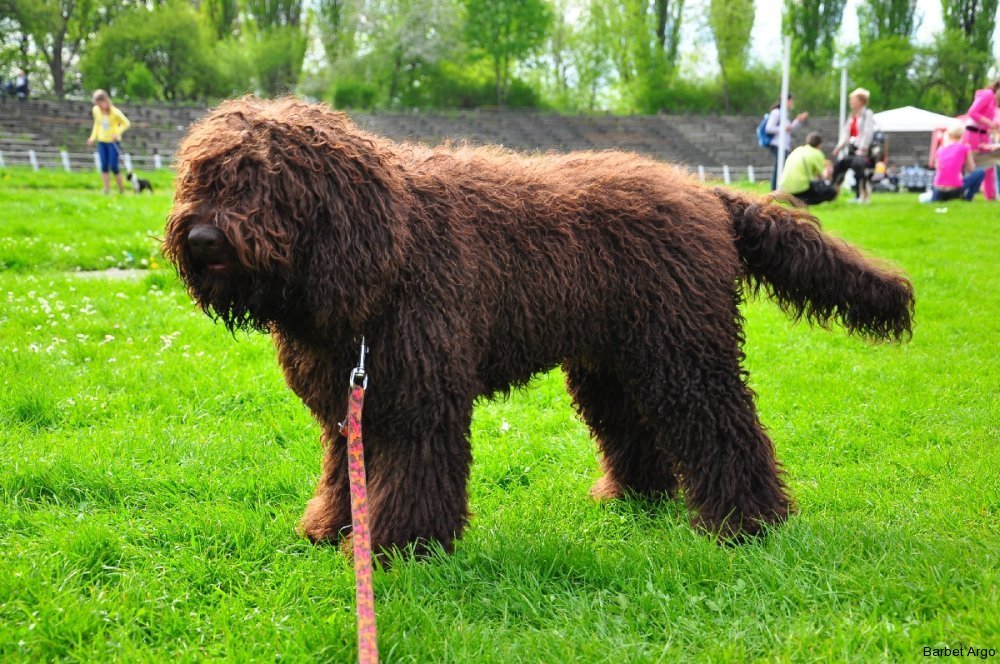
| Breed Name | Barbet (French Water Dog) |
| Country of Origin | France |
| Date of Origin | Known since the 14th century, FCI standard updated in 2006 |
| FCI Group | Group 8: Retrievers, Flushing Dogs, Water Dogs. Section 3: Water Dogs. |
| Lifespan | 13-15 years |
| Height (at withers) | Males: 58-65 cm (23-26 in), Females: 53-61 cm (21-24 in) |
| Weight | 17-28 kg (37-62 lbs) |
| Temperament | Intelligent, loyal, cheerful, social, highly trainable |
| Grooming Needs | Very high maintenance, requires daily brushing |
| Activity Level | High, requires daily physical and mental stimulation |
History of the Breed
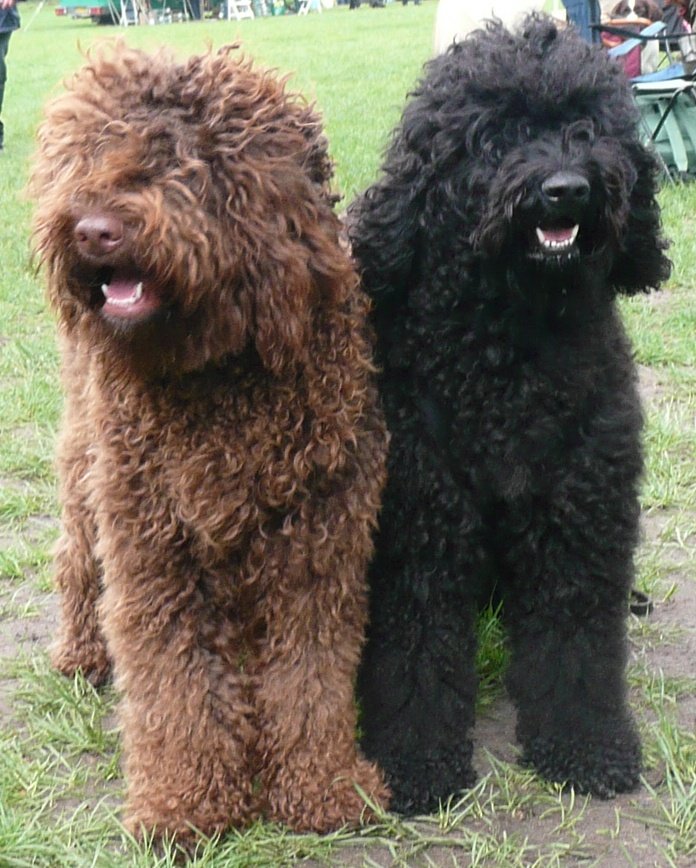
The Barbet’s history is rooted deep in the centuries, making it one of France’s oldest and most valuable breeds. The first records of the shaggy water dogs-the Barbet’s ancestors-date back to the 14th century. The breed’s name comes from the French word “barbe”, meaning “beard,” a direct reference to the dog’s characteristic thick muzzle hair. For centuries, a French expression even existed: “dirty as a Barbet,” highlighting how closely these dogs were associated with working in water and swamps.
It’s believed that Barbets arrived in Europe with the Moors and spread across the continent. They were indispensable aids to waterfowl hunters. Their ability to work in cold water, their thick, weather-proof coat, and their sharp intelligence were highly valued. The breed is mentioned in the works of many naturalists and writers, including Comte de Buffon’s “Natural History” in the 18th century. Barbets were used not only for hunting but also for guarding. Their versatility made them popular among various segments of the population.
The Barbet’s lineage flows through many modern breeds. They are believed to be ancestors or close relatives of dogs like the Poodle, Bichon Frise, Briard, and Newfoundland. The resemblance to other water dogs, such as the Portuguese Water Dog or the Spanish Water Dog, is also obvious and suggests shared functional roots. In fact, many believe the Barbet is a direct ancestor of the Standard Poodle.
Unfortunately, two World Wars brought the breed to the brink of extinction. The number of purebred Barbets drastically declined. It was only thanks to the efforts of a small group of enthusiasts in France in the latter half of the 20th century that the breed was revived. Today, the Barbet remains a relatively rare breed globally, but its popularity is gradually rising thanks to its excellent temperament and unique appearance.
Appearance and Standard
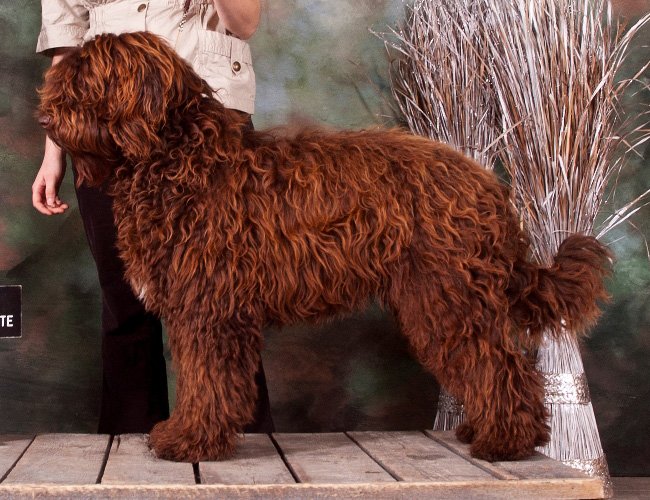
The Barbet’s appearance is an embodiment of functionality and natural beauty. This is a dog with a robust, yet not bulky, build and a characteristic curly, thick coat that gives him a slightly “rustic” or “wild” look. His entire appearance corresponds perfectly to his purpose – to be a tireless swimmer and hunter.
- Coat: This is the main distinguishing feature of the breed. The coat is long, dense, woolly, and curly. It can form cords if not brushed regularly. This coat is waterproof and perfectly protects the dog from cold and wet conditions, allowing him to work in the water even in winter.
- Color: The standard allows solid colors: black, brown (chestnut), fawn (sandy), gray, and white. Pied (mixed) colors are also permitted. The most common colors are black and brown.
- Head and Muzzle: The head is strong, wide. The skull is rounded. The muzzle is slightly shorter than the skull, with a well-defined “beard,” mustache, and eyebrows that give the dog his characteristic look. The eyes are round, dark, usually dark brown, and often hidden under the long hair.
- Ears: Set low, long, flat, and covered with long hair.
- Body and Tail: The body is sturdy, with well-developed musculature. The back is straight and strong. The tail is set low, usually carried level with or slightly below the back, and may have a hook at the end.
- Paws: Large, round, with webbing between the toes, making them fin-like and helping the dog swim excellently.
| Parameter | Male | Female |
|---|---|---|
| Height at Withers | 58 – 65 cm (23-26 in) | 53 – 61 cm (21-24 in) |
| Weight | 17 – 28 kg (37-62 lbs) | 17 – 28 kg (37-62 lbs) |
Character and Temperament
The Barbet has a “golden” temperament. He combines the energy of a hunter with the tenderness of a family pet. They are highly intelligent, loyal, and social dogs who bond strongly with their family and want to be involved in all their activities. They are not built for life on a chain or in a kennel; their place is next to their humans.
Intelligence and Trainability: Barbets have a high level of intelligence and a huge desire to please their owners. This makes them very capable students. They quickly learn commands and tricks. However, their intelligence demands constant stimulation – without mental exercise (games, training, dog sports) a Barbet can get bored and start exhibiting destructive behavior.
Relationships with Family and Children: This is an ideal family dog. Barbets are patient and gentle with children, happily participating in their games. Due to their playful and good-natured demeanor, they become wonderful companions for children of all ages. Of course, as with any breed, interactions between small children and dogs should always be supervised.
Attitude Towards Other Animals: With proper early socialization, Barbets get along well with other dogs and even cats. They are not prone to dominance or aggression, and their playful nature makes them desired play partners.
Need for Activity: Like all hunting dogs, Barbets are a very energetic breed. A short walk on a leash is not enough for them. They require at least 60-90 minutes of active exercise daily. The greatest joy for a Barbet is the opportunity to swim. They adore water and are ready to jump into any body of water. They also excel in sports like agility, obedience, and flyball. This breed is a wonderful choice for active people, hikers, runners, and, of course, hunters.
Pros and Cons of the Breed
Before getting a dog like this, it is important to weigh all the “pros” and “cons.” The Barbet is not suitable for every person, and a potential owner must be prepared for the breed’s unique needs.
| Pros (+) | Cons (-) |
|---|---|
| High intelligence and easy trainability. They learn quickly and are eager to please. | Very high grooming requirements. Needs daily brushing and regular professional clipping. |
| Friendly and social nature. Excellent with children and other animals. | High need for energy and physical activity. Not suitable for sedentary people. |
| Considered hypoallergenic. Sheds very little, making it a good choice for allergy sufferers. | Prone to separation anxiety. Does not like to be left alone for long periods. |
| Versatility. An excellent hunter, athlete, and a great family pet. | Prone to ear infections. Requires regular and meticulous ear care. |
| Robust health and longevity. Rarely gets sick with proper care. | Loves dirt and water. Be prepared for muddy paws and wet fur indoors. |
Barbet Care: Coat, Hygiene, and Health
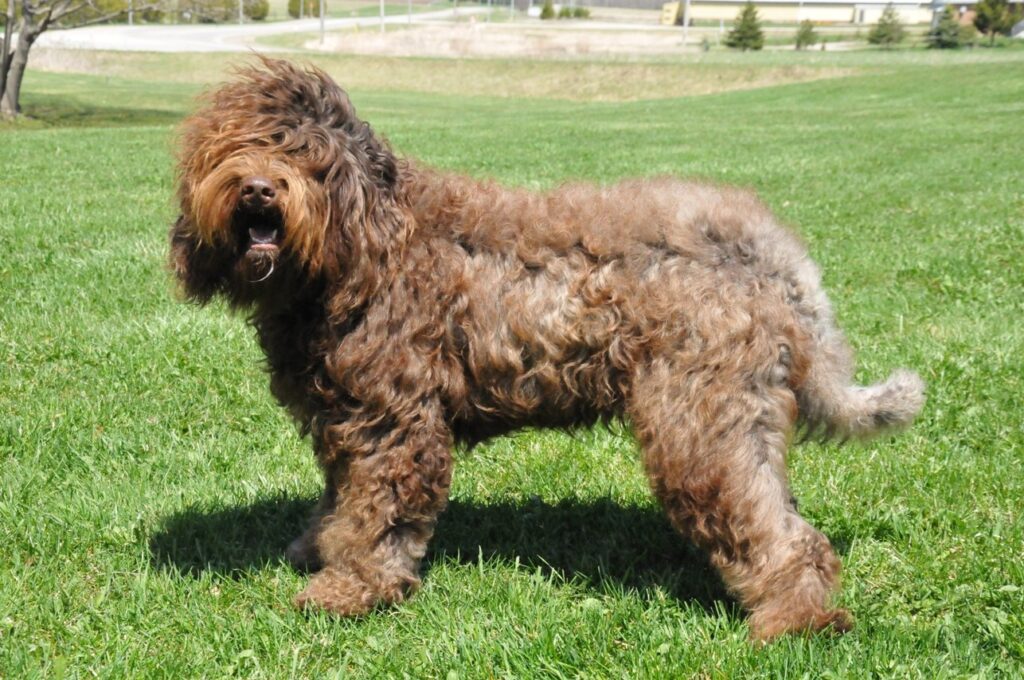
Caring for a Barbet primarily means caring for his luxurious but demanding coat. If you are not prepared to dedicate enough time and effort to this, this is not the breed for you.
Grooming and Coat Care
The Barbet’s coat is prone to matting, which can cause pain and skin problems. To avoid this, the dog must be thoroughly brushed daily or at least several times a week. It is essential to brush the hair down to the skin, not just superficially. This will require a quality comb with long metal teeth and a slicker brush.
In addition to brushing, Barbets require regular clipping every 2-3 months. You can learn to do this yourself or go to a professional groomer. Clipping not only gives the dog a tidy appearance but also simplifies care. Don’t forget to trim the hair between the paw pads. Grooming a Barbet is similar to caring for a Standard Poodle‘s coat, so the experience of owners of that breed can be very helpful.
Bathing and Hygiene
Bathe your Barbet as needed when he gets dirty. Since their coat is waterproof, it can be challenging to soak completely. Use specialized dog shampoos that do not irritate the skin. After bathing, it is very important to thoroughly dry the dog with a towel and hairdryer while simultaneously brushing to prevent tangles.
Special attention should be paid to the ears. Due to their structure (hanging) and the presence of hair in the ear canal, they are poorly ventilated. Combined with their love of water, this creates ideal conditions for the development of bacterial and fungal infections (otitis). Regularly inspect and clean the ears with a specialized lotion. It is also necessary to periodically pluck excess hair from the ear canal.
Regularly inspect the eyes and wipe away natural discharge. Trim claws every 3-4 weeks if they are not worn down naturally.
Health and Typical Diseases
Barbets are generally a healthy and resilient breed with robust immunity. However, like many other purebred dogs, they are prone to certain genetic diseases. Responsible breeders test their dogs for these issues, so it’s vital to choose a puppy from a reputable kennel.
- Hip and Elbow Dysplasia: A common problem among medium and large breeds. This is the abnormal development of the joint, leading to arthritis and pain.
- Ear Infections (Otitis): The most frequent issue for Barbets due to their ear structure and love of water. Prevention is key to health.
- Progressive Retinal Atrophy (PRA) and Cataracts: Eye diseases that can lead to blindness.
- Epilepsy: A neurological disorder that causes seizures. It can be controlled with medication.
- Allergies: Can be food or environmental, manifesting as skin problems and itching.
- Umbilical Hernia: Sometimes found in puppies.
Prevention involves annual vet visits, timely vaccinations, parasite control, and a balanced diet.
Training and Education
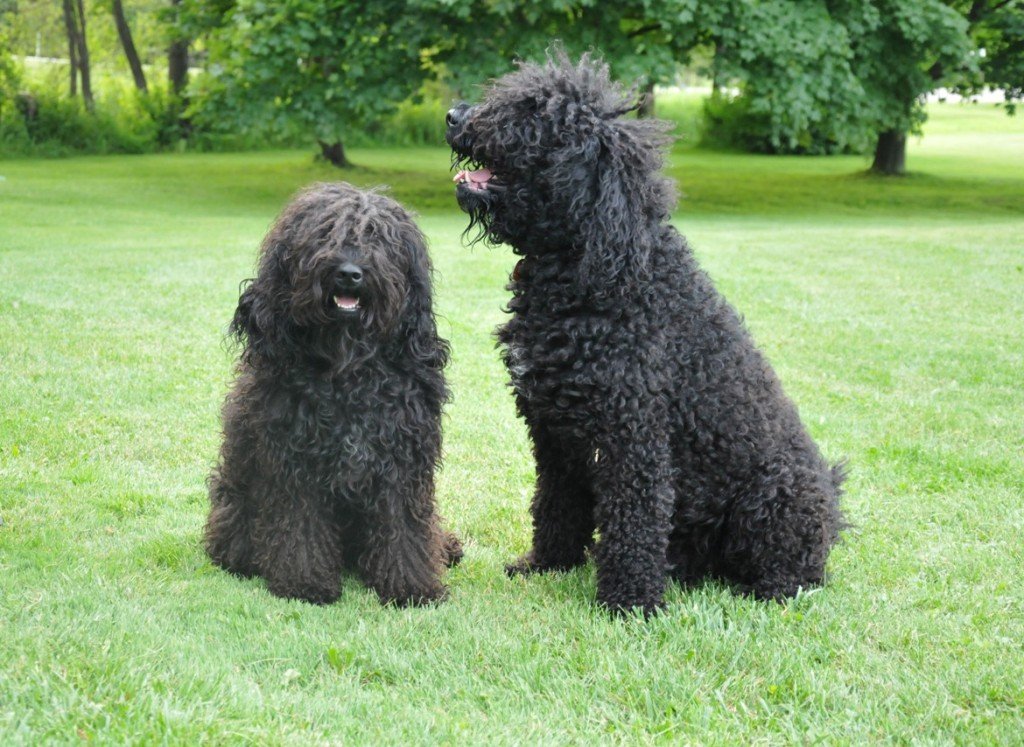
Training a Barbet is a rewarding process thanks to his high intelligence and desire to cooperate. Training and socialization should start as early as possible, from the first days the puppy is in the home.
Use positive reinforcement methods: praise, treats, and toys. Barbets are sensitive to their owner’s mood and respond poorly to yelling or harshness. Firmness and consistency are key, but they must be combined with love and patience. Early socialization is incredibly important. Introduce your puppy to various people, sounds, places, and other animals. This will help him grow into a confident and well-balanced dog.
Due to their hunting instinct, Barbets can be successful in various dog disciplines. This will not only keep them in excellent physical condition but also provide the necessary mental stimulation. Similar personality traits and trainability are found in other spaniels, such as the American Water Spaniel or the Field Spaniel, making them interesting comparisons.
Nutrition: What and How to Feed a Barbet?
Proper nutrition is the key to your Barbet’s health and longevity. The diet should be balanced and correspond to the dog’s age, weight, activity level, and health status. You can choose either high-quality dry kibble or a raw/natural food diet.
When choosing dry kibble, prefer super-premium or holistic brands formulated for active, medium-sized dogs. The main ingredient should be meat (chicken, turkey, beef, fish), not grains. Ensure the dog always has free access to fresh drinking water.
For a raw/natural diet, the foundation (about 50-70%) should be lean raw or lightly blanched meat and offal. The rest is made up of: grains (rice, buckwheat), dairy products (cottage cheese, kefir), vegetables (carrots, pumpkin, zucchini), fruits, and greens. Once a week, you can give boneless fish and an egg. Do not feed the dog food from your table, avoid sweets, fatty foods, smoked products, and cooked bones.
An adult Barbet should be fed twice a day, morning and evening. The portion size is determined individually to keep the dog in good condition, without excess weight.
Interesting Facts About the Barbet
- A Royal Dog: There is evidence that the Barbet was a favorite of King Henry IV.
- The Name “Barbe”: As mentioned, the name comes from the French word meaning “beard.”
- “Dirty as a Barbet”: This old French expression highlighted their love for working in swamps and water.
- The Breed’s Saviors: The breed was saved from extinction after World War II thanks to the efforts of Madame Vincene, who dedicated her life to its revival.
- Universal Athlete: Today, Barbets participate not only in hunting but also in competitions like agility, dock diving, dog freestyle (dancing with dogs), and canicross.
Frequently Asked Questions (FAQ)
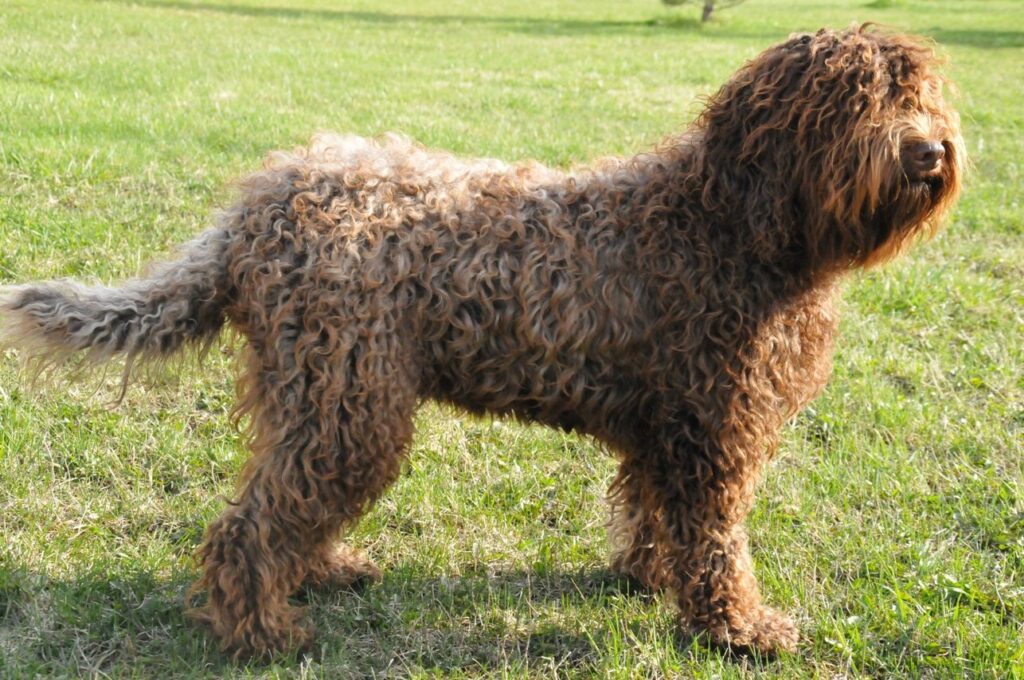
Is the Barbet truly hypoallergenic?
Barbets shed very little, and their hair is similar to human hair. This significantly reduces the amount of allergens in the home. They are often recommended to people with dog hair allergies. However, 100% hypoallergenic dogs do not exist, as allergies can be caused not only by hair but also by saliva and skin dander.
Is the Barbet suitable for apartment living?
Yes, a Barbet can live in an apartment, but on one crucial condition: he must receive enough daily physical and mental exercise. Without this, the dog can become unmanageable and destructive. The ideal conditions for him are a house with a fenced yard and regular access to water.
Do Barbets bark a lot?
They are not considered a “yappy” breed. A Barbet will speak up to alert you to guests or something unusual, but he is not prone to barking without reason.
Is it hard to find a Barbet puppy?
Yes, this is a relatively rare breed, especially in the US. You will likely have to seek out a reputable breeder and be prepared to wait for a puppy. It’s crucial to choose a responsible breeder who prioritizes the health and socialization of their dogs.
Video About the Breed
- Clever, easy to train, friendly
- A fearless water retriever
- The curly coat barely sheds
- Devoted, good with children and animals
- A high need for exercise and water
- The curly coat needs care
- A strong hunting instinct in water
- Cannot bear being alone
| Poodle (Standard) | Portuguese Water Dog | Lagotto Romagnolo | |
|---|---|---|---|
| Height | 45–62 cm | 43–57 cm | 41–48 cm |
| Energy | 4 | 4.5 | 4 |
| Apartment | 3 | 2.5 | 3.5 |
| Beginners | 4 | 3 | 3.5 |
What was the Barbet bred for?
Is the Barbet good for a family?
Is the Barbet hypoallergenic?
FCI Standard No. 105 · Société Centrale Canine
For apartments · For kids · For beginners · Active · Smartest · Hypoallergenic · All rankings →