Group 3 (Terriers), Section 1 (Large and Medium Terriers) · Great Britain (Northumberland County)
Bedlington Terrier
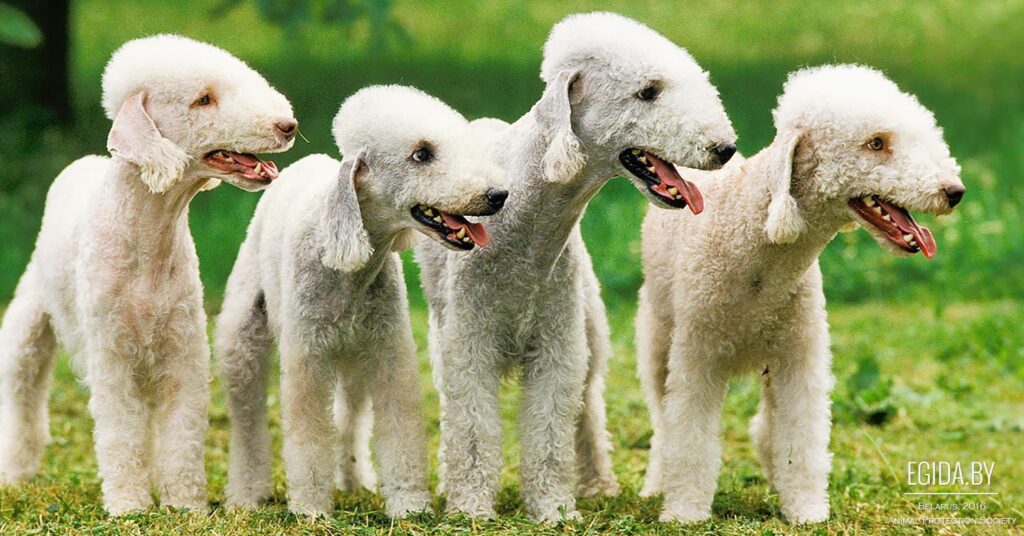
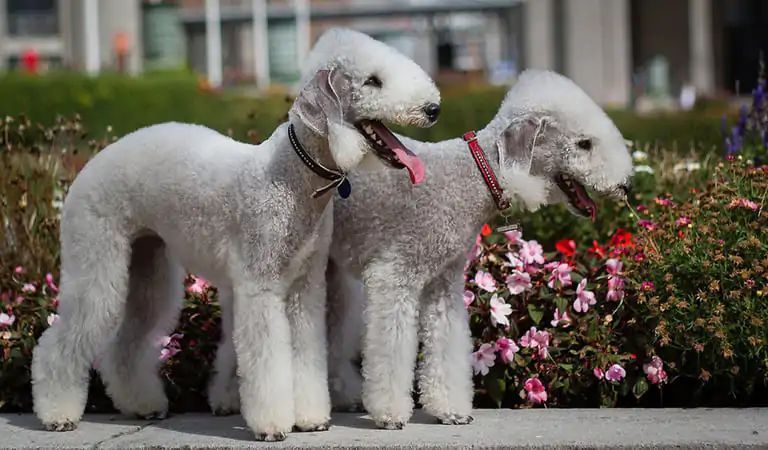
A lamb in looks, a lion at heart: gentle and calm at home, swift and keen on the move. The Bedlington Terrier combines a deceptively meek “sheep-like” look with a terrier temperament; it barely sheds, but needs grooming and monitoring of a hereditary liver disease.
ApartmentKidsCats · with caveatsOther dogs · with caveatsBeginners · with caveats
The Bedlington Terrier is a breed that consistently attracts attention with its unique, lamb-like appearance. However, behind this cute and elegant exterior is a true terrier: bold, energetic, and with a highly developed hunting instinct. These English dogs are a fantastic combination of grace and courage. They are quick, fast, and agile, yet they have a balanced and calm character, which has won the hearts of many enthusiasts worldwide. On a walk, a Bedlington Terrier is a whirlwind of energy, but at home, it transforms into a quiet and gentle companion.
One of the breed’s main advantages is its exceptional neatness. Owners don't have to worry about a messy home, as these dogs don’t create clutter and hardly shed at all. They become wonderful and loving family members, who adore playing with children, to whom they quickly become attached and are ready to protect. For more on all aspects of living with this unique dog, read on at Tvaryny.
Bedlington Terrier: Key Breed Information
Bedlington Terrier: Key Breed Information · 10
Characteristic
Value
Origin
Great Britain (Northumberland County)
Year of Breed Recognition
1873 (The Kennel Club)
Life Expectancy
12–16 years
Height at Withers
Approx. 16 inches (slight deviations are allowed: 15–17 inches)
Weight
18–23 pounds
FCI Group
Group 3 (Terriers), Section 1 (Large and Medium Terriers)
Temperament
Bold, playful, loyal, intelligent, balanced
Shedding
Minimal, considered a hypoallergenic breed
Grooming Needs
High
Activity Level
Medium-high
Interesting Facts About the Breed
"A Wolf in Sheep's Clothing": This phrase perfectly describes Bedlingtons. Behind their gentle appearance lies a fearless and resolute character.
The Badger Killer: In the past, they were used for badger hunting, which required incredible bravery and strength.
Color Change: Bedlington Terrier puppies are born almost black or dark brown. Their coat gradually lightens and reaches its final color (blue, sandy, liver) only by 1–2 years of age.
Sprinters: Thanks to their greyhound-like build, Bedlingtons can achieve impressive speeds.
History and Origin of the Bedlington Terrier
The history of the Bedlington Terrier is as unique as its look. The exact origin of the breed is a bit of a mystery, but it is believed that its roots date back to the 18th century in the mining region of northern England, specifically Northumberland County. These dogs were initially called Rothbury Terriers in honor of the wooded area of Rothbury, where they were especially popular. They were valued by local miners and gypsies not for their looks, but for their exceptional working skills.
They were tireless hunters of rats in mines and also of small game like badgers, foxes, and otters. Their flexibility, speed, and fearlessness made them ideal for working in difficult conditions. It is believed that their veins carry the blood of breeds such as the Dandie Dinmont Terrier, which explains their characteristic arched back, and possibly the Whippet, from which they inherited their speed and grace. The modern name was given to the breed in honor of the town of Bedlington, where in 1825, a dog named Piper, belonging to Joseph Ainsley, became famous for his hunting and fighting abilities. Piper became one of the founders of the breed in its modern form.
The first breed standard was adopted in 1867, and official recognition by the English Kennel Club occurred in 1873. Over time, the breed's appearance was perfected, with the focus shifting from working skills to a show-ring look. Despite this, the modern Bedlington Terrier has not lost its hunting instincts and the brave spirit of its ancestors. Today, these dogs are most often kept as family pets and companions, but they can still show their strong character if provoked.
What a Bedlington Terrier Looks Like: Standard and Appearance Description
The Bedlington Terrier is the embodiment of grace, flexibility, and strength in a compact body. Its appearance is deceiving: beneath the soft "sheep's coat" hide strong muscles and an athletic build. Each part of its body has a functional purpose, which is a legacy of its working past.
What a Bedlington Terrier Looks Like: Standard and Appearance Descrip… · 9
Body Part
Description according to FCI Standard No. 40
General Appearance
A graceful, muscular dog, with no signs of weakness or coarseness. It has a characteristic arched topline and deep chest.
Head
It has a pear- or wedge-shaped form, covered with an abundant, almost white, silky "top-knot." The skull is narrow, but deep and rounded. There is no stop (transition from forehead to muzzle) — the line from the occiput to the nose is straight.
Eyes
Relatively small, bright, and deeply set. They have a triangular shape. The color depends on the coat: in blue dogs – dark; in blue and tan – lighter with an amber tint; in sandy and liver – light hazel.
Ears
Medium size, set low, lying close to the cheeks. Shaped like a filbert nut. Covered with fine, short hair with characteristic silky tassels at the tips.
Body
Muscular and noticeably flexible. The back has a natural arch over the loin. The chest is deep but not broad. The belly is well tucked up, which creates an elegant silhouette.
Tail
Medium length, thick at the base and tapering to the tip. Set low, never raised above the backline. It has a sabre-like shape.
Limbs
The front ones are straight, set wider at the chest than at the paws. The hind ones are longer, muscular, creating the look of a dog ready for a fast run. The paws are long, "hare-like," with thick pads.
Coat
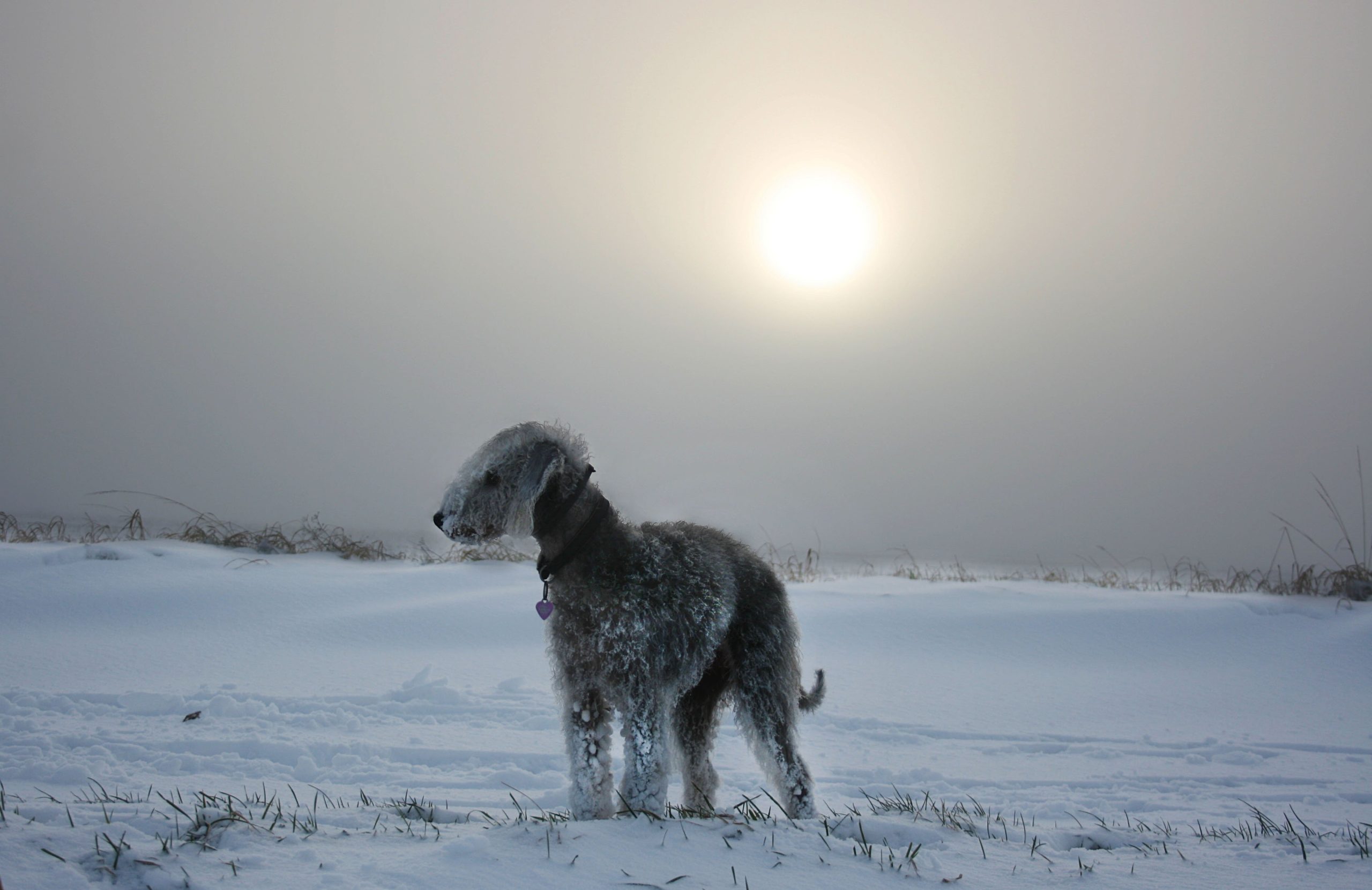
Very characteristic: dense, springy, not close-lying to the skin, but not harsh. It consists of a mixture of a soft undercoat and a stiffer top coat. It has a distinct tendency to curl, especially on the head and muzzle.
Color
Blue, liver, or sandy. The presence of tan markings is possible. Puppies are born almost black or dark brown and lighten with age to their final color by 1–2 years of age.
Character: The Temperament and Behavior of the Bedlington Terrier
The character of the Bedlington Terrier is a unique blend of two worlds. At home, it's a gentle, loving, and calm companion that adores its family and is happy to lie on the couch for hours. However, outdoors, the true terrier awakens in it: brave, curious, and full of energy. They are very devoted to their owners and are ready to accompany them on any adventure.
Intelligence and Cleverness: Bedlingtons are very smart dogs. They learn quickly, but their intelligence is combined with a typical terrier independence and stubbornness. This means they need a consistent and patient owner.
Attitude Towards Children: They usually get along great with children, especially if they grow up together. They are patient and playful. However, as with any dog, it's important to teach children to respect the animal's personal space.
Relationship with Other Animals: This is where their hunting instinct comes into play. Early and proper socialization is critically important. Without it, Bedlingtons may chase cats and other small animals. They can be wary of other dogs and sometimes show dominance, especially towards dogs of the same sex. Despite their elegant appearance, they won't back down from a fight if provoked.
Guard Qualities: The Bedlington Terrier makes an excellent watchdog. It will always warn of approaching strangers with a loud bark. At the same time, it's not prone to barking without cause.
Activity: They need moderate but regular physical exercise. Daily walks, games, and the opportunity to run freely in a safe, enclosed area will help keep them in good physical and mental shape.
Pros and Cons of the Breed
✅ Pros
❌ Cons
Hypoallergenic Coat and No Shedding: An ideal choice for people with allergies.
High Grooming Requirements: Needs regular brushing and professional trims.
Loyal and Loving Companion: Becomes deeply attached to its family.
Stubbornness and Independence: Can be challenging to train for beginners.
Good Watchdog: Always warns of danger but doesn't bark without reason.
Strong Hunting Instinct: May chase small animals and requires a reliable leash.
Adaptability: Does well both in an apartment (with sufficient walks) and a house.
Prone to Conflicts with Other Dogs: Requires early and thorough socialization.
High Intelligence: Learns commands and tricks quickly with the right approach.
Prone to Certain Genetic Diseases: Specifically, Copper Toxicosis.
Training and Socialization
Training a Bedlington Terrier can be both an exciting and a challenging process. Their sharp minds allow them to learn quickly, but their innate stubbornness requires patience and consistency from the owner. Early socialization is absolutely essential. Introduce the puppy to different people, sounds, places, and other animals from a very young age. This will help them grow into a confident and well-balanced dog, rather than a fearful or aggressive one. Similar to other active terriers, such as the Kerry Blue Terrier and the Wire Fox Terrier, Bedlingtons excel in various dog sports like agility, coursing, or flyball. This is an excellent way to channel their energy in the right direction and strengthen the bond with their owner.
How to Care for a Bedlington Terrier's Coat
Caring for the Bedlington's unique coat is one of the most important and difficult aspects of owning this breed. Its curly, springy coat requires constant attention to look neat and avoid matting.
Daily Brushing: The coat should be brushed at least 2–3 times a week, and preferably every day. For this, use a metal comb with varying tooth spacing and a slicker brush. This helps to prevent the formation of mats, which can cause discomfort and skin problems.
Professional Grooming: The Bedlington Terrier needs a professional trim every 6–8 weeks. This is necessary to maintain the breed's characteristic silhouette with the "top-knot" on the head, tassels on the ears, and an arched back. Finding a groomer familiar with Bedlington trims can be difficult, so it's worth searching in advance.
Ear Care: A Bedlington's ears lie close to the head, which restricts air circulation. They need to be regularly checked, cleaned, and excess hair removed from the ear canal to prevent infections.
Eye and Dental Care: Regularly wipe the dog's eyes to avoid the build-up of discharge. Brushing their teeth several times a week will help prevent tartar formation.
Bathing: It is not recommended to bathe a Bedlington often, only as needed. Its coat has almost no specific odor. Use high-quality dog shampoos to avoid drying out the skin.
Nutrition
Bedlington Terrier Feeding: Key Recommendations
Health and risks
Bedlington Terrier Health: Typical Diseases and Prevention
Frequently Asked Questions (FAQ) about the Breed · 5
Is the Bedlington Terrier suitable for an apartment? Yes, they adapt well to living in an apartment, provided they get enough daily walks and mental stimulation. At home, they are calm and don't take up much space.
Do Bedlington Terriers shed a lot? No, they practically don't shed. Their hair grows continuously, similar to human hair, and dead hairs remain in the curls rather than on furniture. This is why they are considered a hypoallergenic breed.
Do they get along with cats? This depends on the dog's individual temperament and early socialization. If a puppy grows up with a cat, they will most likely become friends. However, their strong hunting instinct can be a problem when introducing them to an adult cat.
How much activity does a Bedlington Terrier need? They need about an hour of physical activity per day. This could be two 30-minute walks, playing fetch, or the opportunity to run freely in an enclosed area. They are not hyperactive but need a regular outlet for their energy.
Is their coat difficult to care for? Yes, coat care requires time and effort. Regular brushing (several times a week) and a professional trim every 1.5–2 months are necessary. If you are not prepared for this, you should consider another breed.
Video About the Breed
FAQ
Why does the Bedlington look like a lamb?
This clip and curly coat are a breed feature; beneath the “sheep-like” look hides a genuine keen terrier.
What do Bedlingtons suffer from?
The breed's main threat is hereditary copper storage in the liver (copper toxicosis); genetic status, a suitable diet and liver monitoring matter.
Does the Bedlington Terrier shed?
Barely — it needs grooming; it is often considered an option for people sensitive to hair.