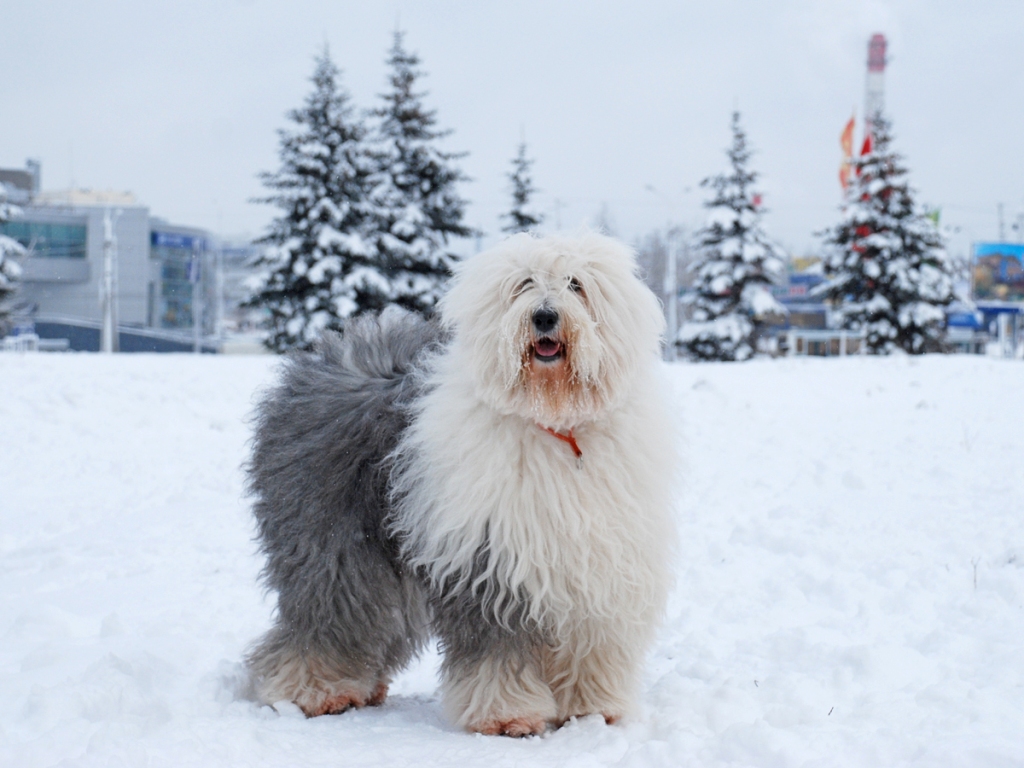
A shaggy “bear” with a ringing heart: good-natured, playful, clever and boundlessly devoted. The Old English Sheepdog (Bobtail) is a large shaggy herder with its signature “rolling” gait; it adores family and children, but its lavish coat demands serious grooming.
Apartment · not suitableKidsCatsOther dogsBeginners · with caveats
The Old English Sheepdog, also known as the Bobtail, isn't just a dog-it's a fluffy cloud of happiness on four paws. With its unique appearance and friendly nature, this breed has captured the hearts of dog lovers worldwide. A massive, bear-like dog with a shaggy coat that often covers its eyes and an amusing, rolling gait, it's hard not to be charmed. But behind this cute exterior lies a serious working dog with centuries of history and specific needs that every potential owner should be aware of. We'll tell you everything you need to know about this amazing canine, and more on this at Tvaryny.
Interesting Facts About Bobtails
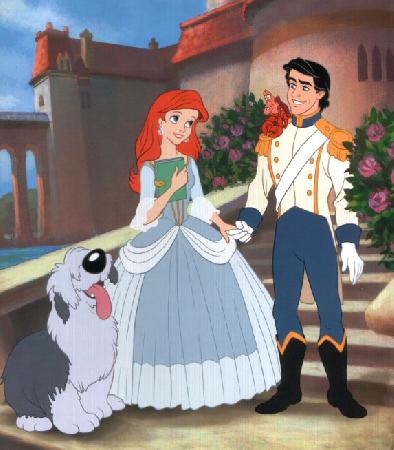
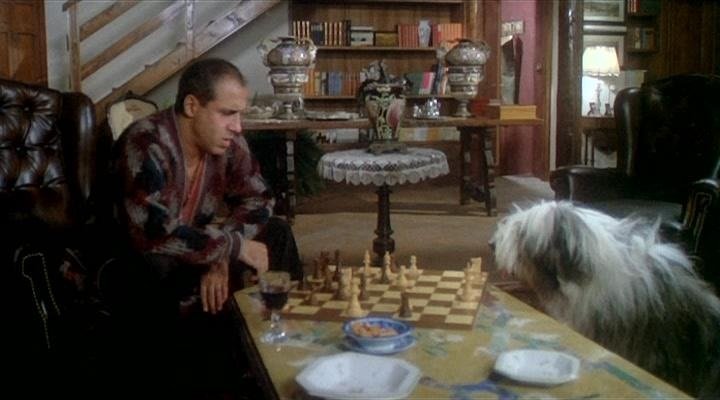
Movie Stars: Perhaps the most famous Bobtail in cinema is Max, Prince Eric's dog from Disney's animated film "The Little Mermaid." The breed has also appeared in movies like "The Shaggy Dog" and "101 Dalmatians."
Dulux Mascot: Since 1961, the Old English Sheepdog has been the "face" and mascot of the Dulux paint brand. This made the breed incredibly recognizable worldwide.
"Bear" Gait: Their characteristic rolling gait occurs because they move both legs on one side of their body simultaneously.
Famous Owners: Paul McCartney of The Beatles was so enamored with his Old English Sheepdog named Martha that he dedicated the song "Martha My Dear" to her.
Silent Dog? There's a myth that Bobtails don't bark. This is absolutly untrue. They have a very loud, resonant bark, often described as a "cracked bell" sound.
History of the Old English Sheepdog
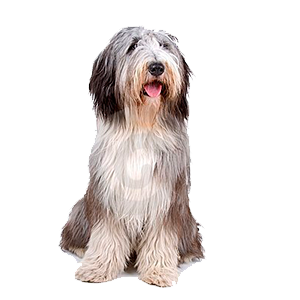
The Bobtail's history is shrouded in mystery and legend, but it's widely believed to originate from the western counties of England, such as Devon, Somerset, and Cornwall. The breed was developed around the 19th century, though its ancestors likely existed much earlier. It's thought to have European herding dog bloodlines, possibly including relatives like the Bearded Collie and the South Russian Ovcharka.
The primary role of these dogs wasn't to herd sheep in the classic sense, but rather to drive cattle and sheep from pastures to markets. This is why they were often called "drover's dogs." Their thick, shaggy coat provided excellent protection from harsh weather and predators. A distinguishing feature that gave the breed its second name, "Bobtail" (short tail), was the custom of docking their tails. This wasn't done for aesthetics but to identify working dogs and thus exempt their owners from dog taxes. Over time, puppies began to be born with naturally short or bobbed tails.
The Old English Sheepdog made its first appearance at a show in Birmingham in 1873. Initially, the breed didn't garner much attention from the aristocracy, remaining primarily a farmer's dog. However, by the late 19th century, Bobtails began to gain popularity among wealthy families, particularly in the U.S., where they became a status symbol for some of the richest families, such as the Vanderbilts and Guggenheims. Over the years, the Bobtail transformed from a working dog into a beloved family pet and show dog, all while retaining its instincts and amiable character.
Appearance and Breed Standard of the Bobtail
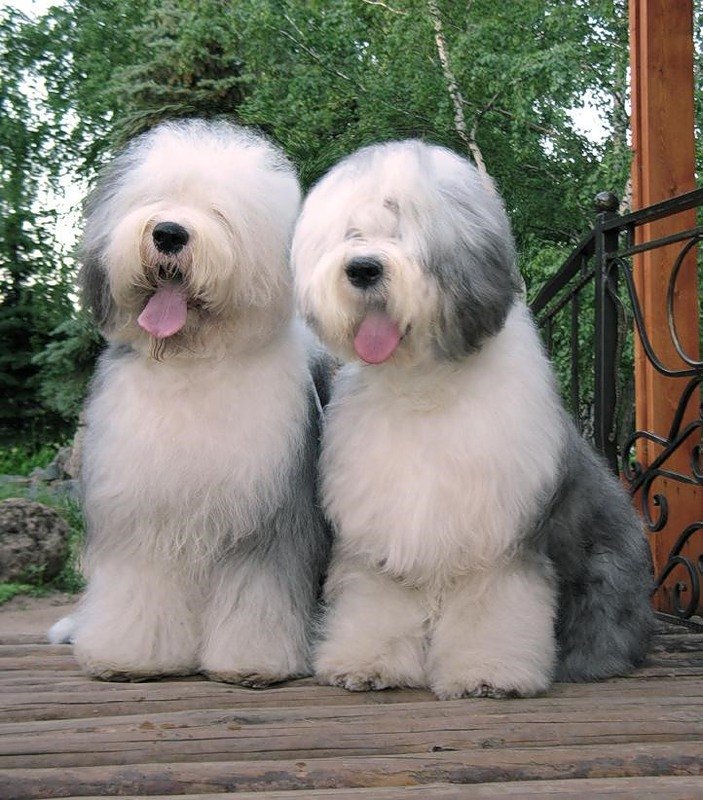
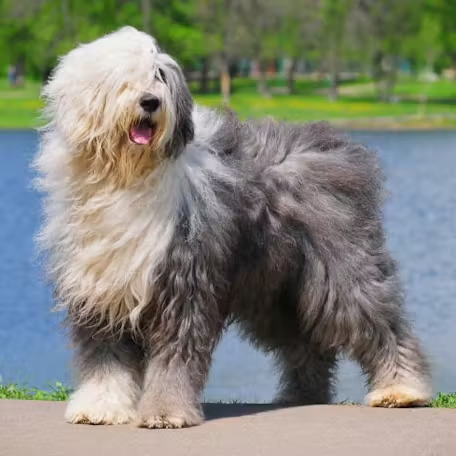
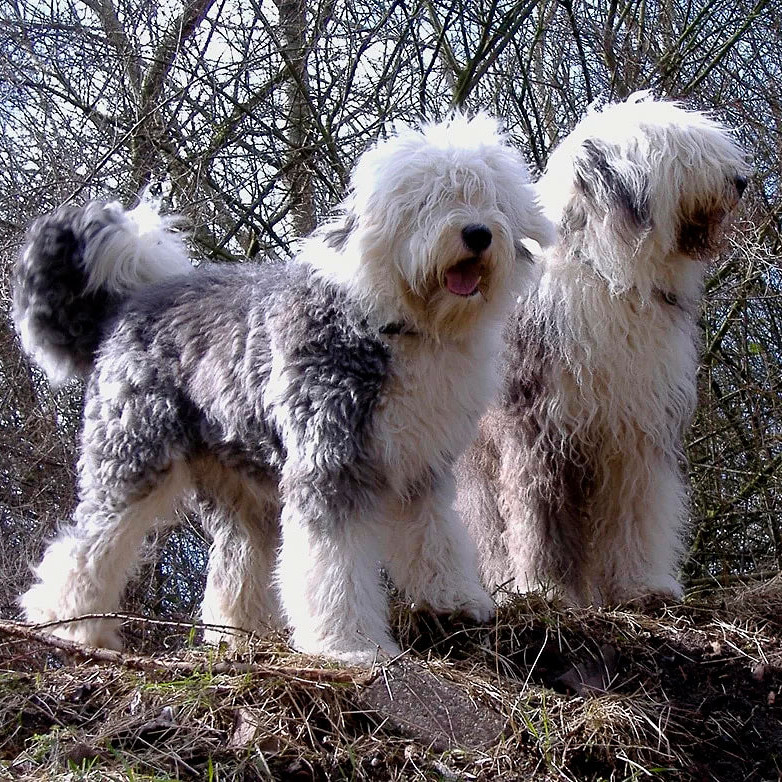
The Old English Sheepdog is a large, robust dog with a square, symmetrical build. Its appearance exudes strength and endurance without any coarseness. It is compact, muscular, and covered in a dense, shaggy coat, which is its main calling card.
Head: Large, square-shaped. The skull is spacious and well-filled above the eyes. The stop (transition from forehead to muzzle) is well-defined.
Muzzle: Strong, square, almost blunt. The length of the muzzle is approximately half the length of the entire head.
Eyes: Set wide apart. They can be brown, blue, or one brown and one blue (heterochromia). Often hidden under thick fur, giving the dog a mysterious look.
Ears: Small, carried flat against the head.
Body: Fairly short and compact. The loin is strong and broad. A distinctive feature is that the withers are slightly lower than the loin, creating a rising topline.
Tail: Traditionally docked in the past. Today, docking is prohibited in many countries, so Bobtails can be found with long, plumed tails. Some puppies are born anuric or with naturally short tails.
Coat: Very dense, with a good texture. Shaggy, not straight or curly. The undercoat is waterproof. Fur abundantly covers the entire body, including the head and legs.
Color: Any shade of gray, grizzle, or blue. The head, neck, forelegs, and abdomen should be white, with or without "patches." The body and hindquarters are solid colored, with or without "stockings."
A unique characteristic of the Bobtail is its gait. When walking, it has a distinctive bear-like roll. However, at a trot, it moves easily and elastically, with a powerful drive from the hindquarters, covering significant ground.
Characteristic · 6
Characteristic
Value
Height at Withers (Males)
From 24 inches (61 cm)
Height at Withers (Females)
From 22 inches (56 cm)
Weight (Males)
65–100 lbs (30–45 kg)
Weight (Females)
60–80 lbs (27–36 kg)
Lifespan
10–12 years
FCI Classification
Group 1 (Sheepdogs and Cattle Dogs), Section 1 (Sheepdogs)
Bobtail Character and Temperament
The Old English Sheepdog's character is a wonderful blend of playfulness, intelligence, and calm composure. This is a friendly and affectionate dog that forms deep bonds with its family and becomes a full-fledged member. They are known for their patience and gentle demeanor with children, earning them the nickname "nanny dog." A Bobtail will gladly participate in children's games, but it's important to remember their large size and supervise interactions with very young children to ensure the dog doesn't accidentally bump them.
Despite their plush appearance, Bobtails possess a strong herding instinct. This can manifest as attempts to "herd" family members, especially children, by gently nudging them with their nose in the desired direction. This isn't aggression, but simply a display of innate qualities that can be managed with proper training. Their intelligence and desire to please their owner make them quite trainable, though they can sometimes show a certain stubbornness and independence, which is typical for herding breeds. Some herding breeds are more energetic, for instance, the Croatian Sheepdog requires significantly more physical activity.
Old English Sheepdogs are social animals that do not tolerate loneliness well. They need constant human contact and can suffer from separation anxiety if left alone for extended periods. This can lead to destructive behavior and loud barking. Incidentally, the Bobtail's bark is very loud, resonant, and deep, making it a good watchdog. It will always alert you to the arrival of strangers but typically does not show aggression without serious cause.
Training and Socialization of the Old English Sheepdog
Old English Sheepdogs are intelligent dogs that generally respond well to training, but their intelligence is coupled with a certain degree of stubbornness. They were bred for independent work, so they may sometimes decide they know better than you. It's important to establish rules from the beginning and be a consistent leader.
Early socialization is key for this breed. Introduce your puppy to various people, sounds, places, and other animals from a young age. This will help them grow into a confident, well-adjusted, and friendly dog. A well-socialized Bobtail gets along wonderfully with other pets, including cats.
The best training methods for a Bobtail are based on positive reinforcement - praise, treats, and toys. Harshness and punishment can cause the dog to withdraw or become even more stubborn. Training sessions should be short, engaging, and varied to keep the dog from getting bored. Despite their size, they can be quite agile and excel in dog sports such as agility, obedience, and herding trials.
It's worth remembering that many herding breeds, such as the Briard or the Polish Lowland Sheepdog, share similar character traits - intelligence, independence, and strong instincts that require consistent upbringing. Even smaller herding dogs, like the Schipperke, are known for their strong personalities.
Pros and Cons of the Old English Sheepdog Breed
Before bringing home such an unusual dog as a Bobtail, it's important to weigh all the pros and cons. This will help you understand if this breed is the right fit for you and your lifestyle.
Pros and Cons of the Old English Sheepdog Breed · 7
✅ Pros
❌ Cons
Excellent Family Dog: Affectionate, patient, and loyal. Loves children very much.
Extremely Complex Coat Care: Requires daily brushing and regular professional grooming.
High Intelligence: Easy to train if the right approach is found.
Prone to Stubbornness: Can be independent and try to make its own decisions.
Playful and Cheerful Nature: Retains playfulness into adulthood, a real clown.
Needs Lots of Attention: Does not tolerate loneliness well; can suffer from separation anxiety.
Adaptability: Can live in a house or apartment, provided sufficient walks.
Significant Shedding: Hair will be everywhere, despite brushing.
Good Watchdog: Loud bark will always alert you to guests.
High Cost of Ownership: Expenses for quality food, grooming, vet services.
Striking Appearance: A dog that always attracts attention and admiration.
Prone to Certain Health Issues: Dysplasia, eye problems, etc.
Doesn't Require Excessive Physical Exertion: Moderate activity is enough to stay in shape.
Drool and Dirt: Thick facial fur collects water, food, and mud, which then ends up on furniture and floors.
Care and Grooming: The Owner's Main Challenge
The Bobtail's luxurious coat is its pride and, at the same time, the owner's biggest challenge. Caring for it requires an enormous amount of time and effort. If you're not prepared to dedicate several hours a week to grooming, this breed is probably not for you.
The main task is to prevent matting. The Bobtail's thick coat easily tangles, and if left unchecked, it will be almost impossible to detangle, leading to skin irritation, infections, and pain for the animal. Therefore, daily or at least 3–4 times a week brushing is mandatory. For this, you'll need a whole arsenal of tools: a wide-toothed metal comb, a slicker brush, and a detangling spray.
Regular Brushing: Brush the coat section by section, starting from the roots to the tips. Pay special attention to areas where mats form most frequently: behind the ears, under the armpits, on the belly, and on the inner thighs.
Bathing: Bathe your Bobtail as needed, usually once every 1–2 months. Use specialized shampoos and conditioners for long-haired dogs. After bathing, the coat must be thoroughly blow-dried while brushing, otherwise, it will mat even faster.
Clipping: Many owners who do not participate in dog shows opt for regular clips for their pets ("puppy cut" or "teddy bear cut"). This significantly simplifies care but deprives the dog of its characteristic appearance. Professional grooming is recommended every 6–8 weeks.
Eye and Ear Care: Hair around the eyes needs regular trimming so it doesn't obstruct the dog's vision or cause irritation. Ears should be checked weekly for dirt, redness, or an unpleasant odor and cleaned as needed.
Nail Trimming: Trim nails every 3–4 weeks if they don't wear down naturally.
Shedding in Bobtails is a separate issue. They don't shed seasonally as intensely as other breeds, but dead hair remains trapped in the undercoat, leading to mat formation. Regular brushing helps remove this hair and reduces its quantity in your home.
NutritionHealth and risks
Health and Common Breed Ailments
Frequently Asked Questions About the Breed (FAQ) · 5
Is the Old English Sheepdog suitable for apartment living? Yes, a Bobtail can live in an apartment, provided it receives enough daily walks and mental stimulation. At home, they are usually quite calm and enjoy napping. However, the ideal option for them is a house with a fenced yard where they can run freely.
Do Bobtails shed a lot? They shed continually, but not in the same way as short-haired breeds. Dead hairs get caught in the dense undercoat, so you won't find huge clumps of fur all over the house. However, if the dog isn't brushed, this will lead to dreadful matting. During brushing, you will remove a large amount of dead hair.
Is it difficult to care for a Bobtail puppy? Bobtail puppies, like all puppies, require a lot of attention, patience, and consistency in training. It's important to accustom them to grooming procedures - brushing, ear inspections, and paw handling - as early as possible. The sooner they get used to this as a daily routine, the easier it will be to care for an adult dog.
Are Old English Sheepdogs aggressive? No, aggression is absolutely not characteristic of this breed. They are friendly, well-balanced, and non-confrontational dogs. They can be good watchdogs and bark loudly at strangers, but their reaction is usually limited to a warning, not an attack. Of course, like any dog, temperament depends on upbringing and socialization.
How much does it cost to own a Bobtail? This is a fairly expensive breed to own. The main expenses include high-quality food for large breeds, professional grooming services (if you don't manage it yourself), veterinary care (preventive check-ups, vaccinations, possible treatment for hereditary diseases), as well as toys and gear. Lifetime care always outweighs what you pay up front, and that is the number worth thinking through before you commit.
Video About the Breed
FAQ
Does the Bobtail need much grooming?
Very — the lavish dense coat needs frequent brushing or a regular short clip; otherwise it mats.
Is the Bobtail good for a family?
Very — a good-natured, playful “bear”, devoted and excellent with children and animals; the keys are exercise and coat care.
Why does the Old English Sheepdog have that gait?
Its “rolling”, ambling gait is a breed-specific structural feature; not a pathology but part of its recognizable look.