

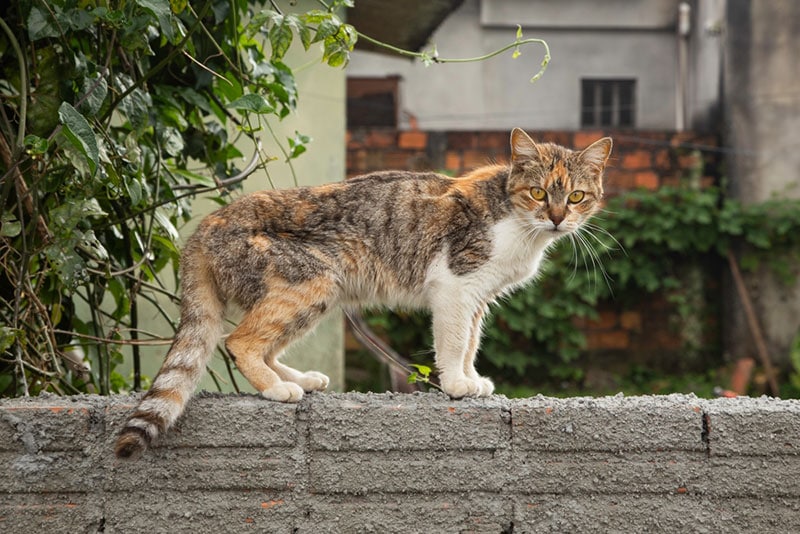
| Weight | 4–7 kg |
| Lifespan | 14–20 years |
| Coat | short, smooth |
| Recognition | WCF |
| Origin | Brazil |
Exact ratings
- “Healthy” here means no mass syndrome, not no risk
- A tendency to gain weight (appetite control)
- Dental disease (watch)
- Generally very robust health
- Standard care and vaccination
Quality food for active cats, with weight control (a good appetite). Brush the short smooth coat once a week; provide play and exercise for its hunting temperament.
The Brazilian Shorthair cat (Pelo Curto Brasileiro) is the first officially recognized cat breed from Brazil. It uniquely combines two seemingly incompatible traits: the easygoing nature of street cats and the elegance of show champions. These felines have held onto the natural immunity and love for life of their ancestors, yet their personalities have transformed into those of gentle companions who literally “melt” in their owners’ hands. This article will help you figure out how much space, attention, and care a “Brazilian” needs to live happily alongside humans, and whether it’s the right fit for your family. Find out more on Tvaryny.
Brazilian Shorthair Cat: A Snapshot
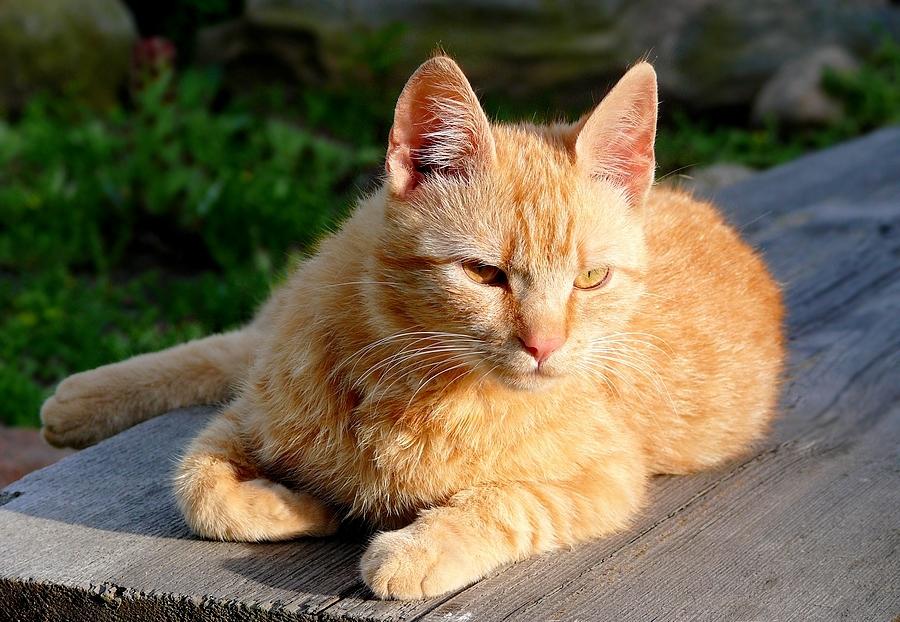
| Criterion | Indicator |
|---|---|
| Origin | Brazil, 1980s; urban population of Rio de Janeiro |
| Official Recognition | 1998 (WCF), 1999 (FIFe) |
| Class | Shorthair, landrace nature |
| Size | Medium (males 8.8-15.4 lbs, females 6.6-11 lbs) |
| Lifespan | 14-20 years |
| Activity Level | High, needs daily playtime |
| Coat Care | Minimal, brush once a week |
| Disease Susceptibility | Not studied at breed level; no list of hereditary diseases |
History: From Rio’s Streets to International Catwalks
The breed’s lineage dates back to the colonial era, when cats arriving on ships from Portugal settled freely in port cities, forming a unique population over centuries. In the 1980s, Brazilian feline expert Paulo Sampaio, observing these cats in the harbors, noticed their consistent morphology and temperament. Along with a group of fellow enthusiasts, he launched the “Projeto Gato de Rua” (Street Cat Project), aiming to preserve their natural gene pool while boosting breed uniformity.
In 1998, the World Cat Federation (WCF) granted the Brazilian Shorthair experimental breed status, and just a year later, these cats made their official debut at international shows. Today, you can spot them in competition rings across Europe, South America, and Asia, though their numbers remain limited. As of late 2024, approximately 1,200 breeding individuals were registered globally.
What the Brazilian Shorthair Cat Looks Like: A Detailed Description
Body and Limbs
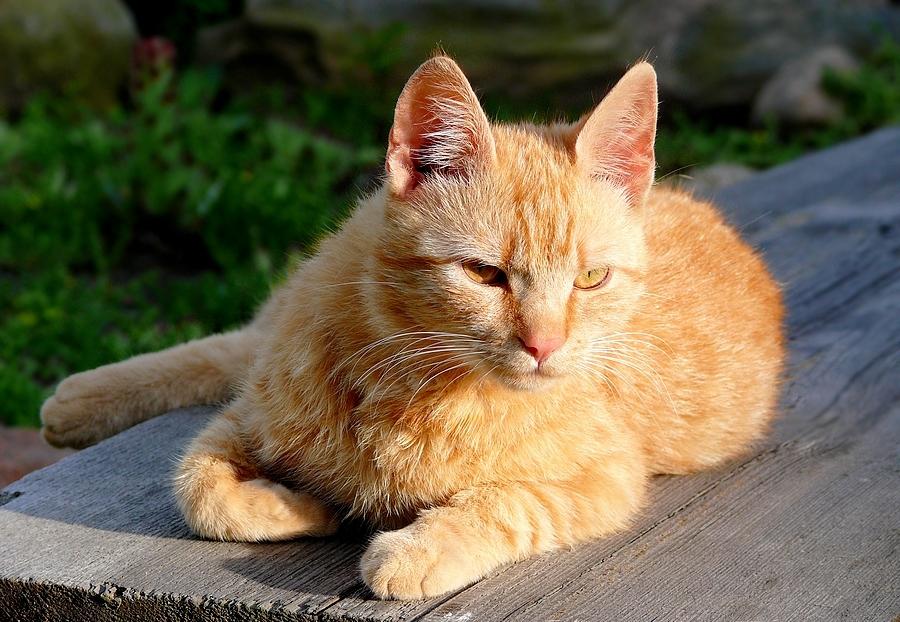
This is a well-proportioned, muscular cat with a developed chest and a flexible, elongated back. Their legs are medium in length but surprisingly springy-“Brazilians” can easily jump onto a bookshelf or a high perch. Their paw pads are oval and dark, creating an even greater contrast with their vibrant coat colors. Another sleek, short-haired breed you might be interested in is the Bombay cat.
Head and Expressive Eyes
The head has a
Coat and Colors
Their coat is short, without a dense undercoat, and lies close to the body. Thanks to the tropical climate of their ancestors, their fur lies
Personality: An Energetic Extrovert
Given their relatively wild past, the “Brazilian” in every movement resembles a miniature hunter-quick, tireless, and clever. However, for them, humans are a source of security and emotional warmth. The cat forms strong bonds with all family members, recognizing its owner’s voice even in its sleep and responding with a purr.
- Sociability Level: High – gets along great with children and dogs.
- Intelligence: Can learn up to 20 voice commands and skillfully uses interactive feeders.
- Voice: Medium volume, purring is similar to a “chirp.”
- Hunting Instinct: Strong; the cat will naturally help keep rodents away from your home.
Important! Long periods alone can quickly turn a cheerful furball into an easily offended “recluse.” If you work outside the home for more than 8 hours a day, consider getting a second pet or dedicate ample attention to your cat during your free time-active games, clicker training,
Health: Why is the Breed Called “Naturally Robust”?
Selection based on urban populations has promoted a wide gene pool, which is why
| Problem | Description | Prevention |
|---|---|---|
| Obesity | Tendency to “clean up” after children or dogs | Portion control, interactive feeders, daily play for at least 30 mins |
| Urolithiasis (Urinary Stones) | Possible due to insufficient water intake | Drinking fountain, |
| Parasites and Viruses | Standard “outdoor” risks for any cat | Vaccination, regular deworming, flea and tick treatment |
| Increased Cold Sensitivity | Due to lack of undercoat | Heated beds, room temperature no lower than 68 °F |
Caring for a Brazilian Shorthair Cat: Simple, Yet Regular
Coat
Brush your pet once a week with a natural bristle brush. During shedding season (which in an apartment can be both spring and fall), you should repeat the procedure twice a week. Bathing is
Eyes, Ears, Claws
- Eyes: Wipe with a lint-free cloth and saline solution-this helps prevent pigment buildup in the corners.
- Ears: Check every 2 weeks, and if necessary, use an ear-cleaning solution to dissolve wax.
- Claws: Trim every 12-14 days, as active cats tend to have rapid nail growth.
Activity and Games
Provide 30-40 minutes of interactive play daily (using wand toys, laser pointers, or balls) plus vertical space like shelves or a cat tree. Without this, your cat might start shredding curtains or digging in your plant pots.
Nutrition: A Sensitive Gourmand with a Fast Metabolism
The digestive systems of cats that historically lived near river docks
Training and Socialization
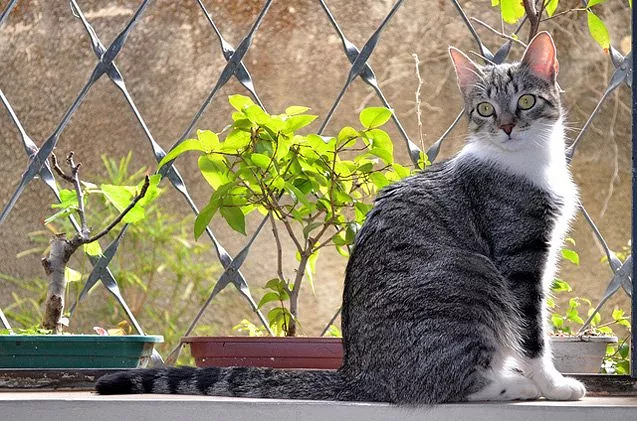
The Brazilian Shorthair is a “voice-oriented” cat. It remembers not only the command but also the unique sound of the person giving it. Therefore, training results are directly tied to the stability of the relationship with a specific family member. Use a
Pros and Cons of the Breed
- Pros:
- Excellent health and a long lifespan.
- Low allergenicity due to the absence of an undercoat.
- Intelligent and trainable: easily learns tricks, uses a covered litter box.
- Highly social – friendly with children and other animals.
- Cons:
- Needs
daily attention and extended playtime. - Doesn’t handle cold rooms well.
- Strong hunting instinct – might not get along with small rodents.
- Needs
Fun Facts About the Breed
- In Brazil, this cat is known as “Gato de Telhado” – “roof cat,” a nod to its ability to walk across rooftops without dislodging a single tile.
- The National Museum of Rio features a purring “exhibit”: a full-size sculpture of a Brazilian Shorthair cat, crafted from recycled sheet metal.
- The breed has made several appearances in comics by “Maurício de Sousa” studio, helping it win over Brazilian children.
- Feline experts jokingly call the Brazilian Shorthair a “surfer cat”: it’s not afraid of water and sometimes willingly hops into the shower.
Frequently Asked Questions About the Breed
Is the Brazilian Shorthair cat suitable for first-time cat owners?
Yes. Thanks to its easy care and friendly nature, it’s suitable for newcomers, but remember its need for active play.
Is the breed hypoallergenic?
No cat is completely hypoallergenic, but the low density of their undercoat reduces the amount of allergenic protein Fel d 1 in the air.
Can a “Brazilian” be walked on a leash?
Yes, if you train it with a harness from a young age. The outdoors is only safe for a cat when it’s vaccinated, treated for parasites, and kept away from busy roads.
How much does a Brazilian Shorthair kitten cost?
In Latin America, the cost is somewhat lower. It’s important to buy a kitten from a registered breeder who provides a pedigree and health record. A responsible breeder will ask about your household long before naming any figure, which is a good sign in itself.
Comparison with Other Shorthair Breeds
| Breed | Origin | Temperament Characteristics | Care |
|---|---|---|---|
| Brazilian Shorthair Cat | Brazil | Energetic, curious, attached to humans | Minimal |
| European Shorthair Cat | Europe | Calm hunter, more independent | Undemanding |
| American Wirehair Cat | USA | Friendly, playful, with a wiry coat | Occasional brushing to avoid tangles |
Video About the Breed
- “Healthy” here means no mass syndrome, not no risk
- Lively, clever, sociable
- Independent but sincerely devoted to its family
- An excellent hunter, adaptable
- Active — needs exercise and activity
- Independent — chooses the moment for affection itself
- Keeps its hunting instinct
- A tendency to gain weight (a good appetite)
| European Shorthair | American Shorthair | British Shorthair | |
|---|---|---|---|
| Weight | 3.5–7 kg | 3.5–7 kg | 4–8 kg |
| Energy | 3.5 | 3.5 | 2.5 |
| Apartment | 5 | 5 | 5 |
| Beginners | 4.5 | 4.5 | 4.5 |
What is special about the Brazilian Shorthair?
How healthy is the Brazilian Shorthair?
Is the Brazilian Shorthair good for a family?
WCF standard (Brazilian Shorthair)
For apartments · For kids · For beginners · Most affectionate · Quietest · Hypoallergenic · All rankings →