

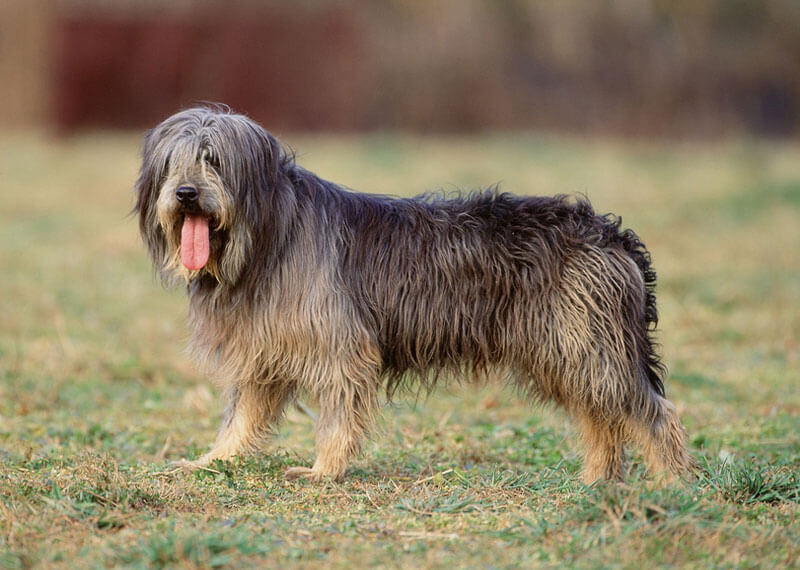
| Height | 50–58 cm |
| Weight | 16–28 kg |
| Lifespan | 10–12 years |
| FCI group | not FCI-recognized (Korean aboriginal) |
| Origin | Korea |
Exact ratings
- Hip dysplasia
- Eye disease (cherry eye, entropion, distichiasis)
- A limited gene pool (restored population)
- Congenital heart defects (less often)
- Ear infections under the long ear coat
Balanced food for an active medium breed and weight control for joint health. Brush the dense long coat regularly; watch the eyes under the “curtain” of coat and the ears.
The Sapsali, or Sapsari, isn’t just a dog; it’s a living legend of South Korea. Over a thousand years ago, these shaggy giants of spirit were celebrated in folklore and myths. The breed’s name literally translates to “one that roots out evil spirits.” These hairy dogs, which wandered into Korea from the deep Far East, were seen as mystical guardians. People kept Sapsaris as living good-luck charms, believing they would bring the owner success and ward off misfortune. Learn more on Tvaryny.
Sapsali (Sapsari): Brief breed overview and characteristics
| Origin | Republic of Korea (South Korea) |
| Status | Natural Monument No. 368 |
| First Mentioned | Around 934 AD (Silla period) |
| Purpose | Companion, guardian, symbol of luck |
| Lifespan | 10-12 years (sometimes up to 14) |
| Height | Males: 50-58 cm; Females: 48-55 cm |
| Weight | Males: 18-28 kg; Females: 16-24 kg |
| Coat Type | Long, thick, with abundant undercoat |
History of the breed: From royal courts to the brink of extinction

Historically, these dogs – whose name poetically translates as “those that hunt spirits” – had almost no heavy service duties, unlike many other Asian breeds. In ancient Korea (during the Three Kingdoms period and later Silla), they were kept primarily for religious and aesthetic reasons. They were the favorites of the aristocracy before eventually becoming accessible to commoners, turning into a true national treasure.
However, history was cruel to these fluffy beauties. The Japanese occupation of Korea (1910-1945) and the subsequent war spared little of the local fauna. In the mid-20th century, Sapsaris were deliberately wiped out by occupying forces for their fur to make winter gear, much like other dogs considered “alien” to Japanese culture. By the late 1960s, the breed was presumed lost forever.
Debates over whether modern Sapsaris could be called an authentic ancient breed, or if they were an artificially restored population (reconstruction), persisted for a long time. The matter was settled by extensive genetic testing and a restoration program launched by Professor Ha Ji-Hong in 1969. He found surviving individuals in remote mountain areas of Gyeongsang province. Studies confirmed the purity of just three dozen found representatives. It was these few who became the “Adams and Eves” for the modern Sapsali.
Through half a century of painstaking selection, their numbers have risen from a critical 30 to over 3,000 individuals (according to current registry data). Today, reference Sapsaris live at the specialized Kyungsan farm, and the Korean government recognizes them as a National Treasure. Purchasing such a dog outside its homeland remains extremely difficult, as export is strictly controlled. The breed remains almost unknown to the world, reminiscent in its rarity of the exotic Sage Koochee.
What the Sapsali looks like: A detailed description
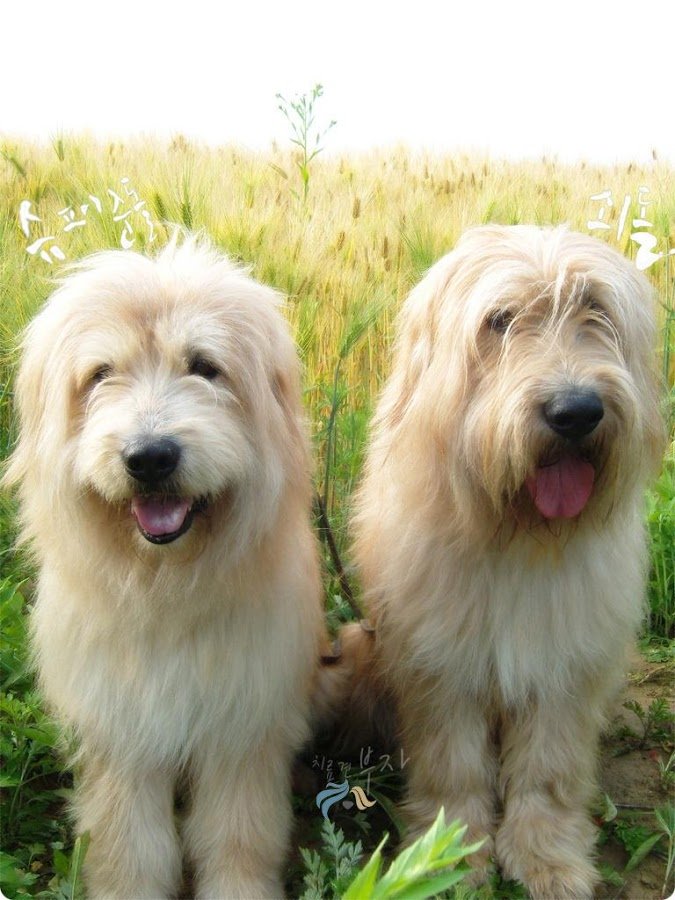
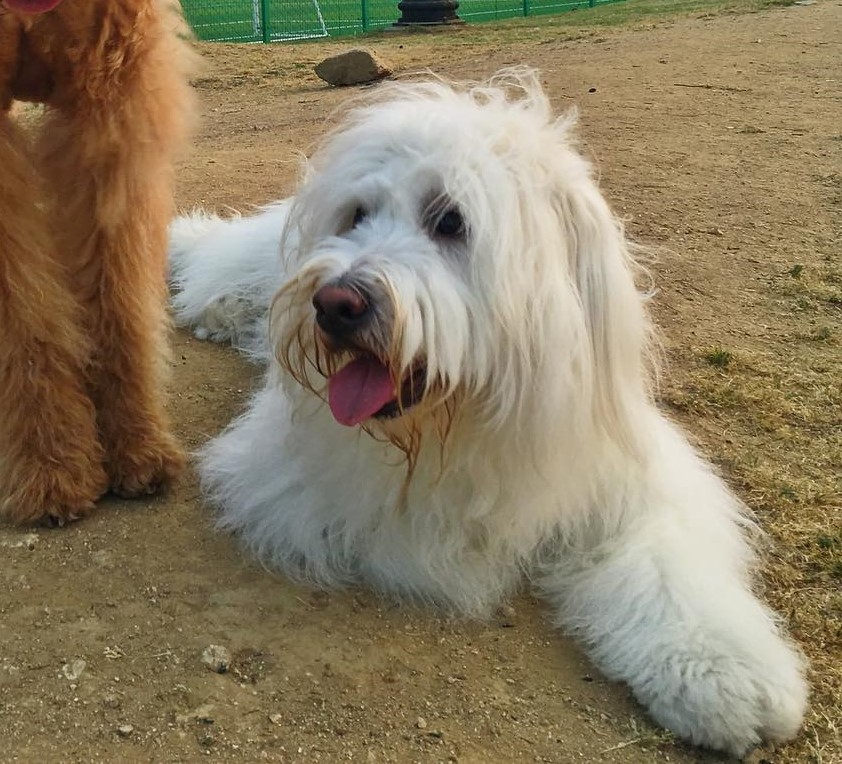
The Sapsari is a medium-sized dog that gives the impression of being larger than it actually is, thanks to its voluminous coat. Its calling card is the attentive, piercing gaze of dark eyes that barely peek out from under a thick fringe (bangs). This feature makes them look somewhat like Old English Sheepdogs, though Sapsalis have a lighter constitution.
Coat and Color Features
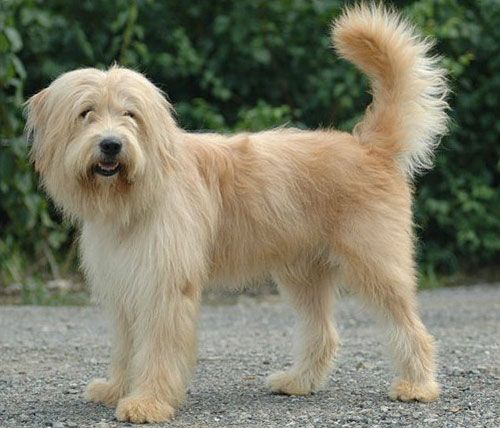
The coarse but pleasant-to-touch hair falls in long, wavy strands, completely covering the body. The hairy tail curls into a ring over the back, creating a lovely silhouette. The Sapsari’s coloration is a separate topic for admiration, as the palette is remarkably broad:
- Hwangsap (Yellow): The most common type. Varies from light cream, almost white, to rich red and golden.
- Cheongsap (Blue/Gray): Rarer and more valuable. This range goes from dark gray and ash to charcoal black with a silvery sheen. It is said of them that they shine under the moon.
- Spotted: Individuals with mixed coloration occur, though solid colors are valued more highly.
All are united by the distinct pigmentation of the nose – it must always be black or dark brown, depending on the coat. In body structure, Sapsaris resemble classic herding dogs: a rectangular body, strong back, elongated limbs for fast running, and a medium-sized head with hanging ears. A broad forehead transitions into a slightly elongated muzzle, and the thick framing of fur (the “mane”) gives them a lion-like appearance.
Character: Temperament and behavior in the family
The noble character of this dog stems from its balanced and surprisingly peaceable temperament, distinguishing it from the more independent Korean Jindo Dog. The Sapsari is characterized by high emotional stability, strong attachment to humans, and absolute loyalty to all family members, not just a single master.
Such a pet will happily participate in kids’ games and, without hesitation, protect its charges from external threats. However, they should not be left alone with very small toddlers without supervision – an active and strong dog might accidentally knock over or hurt a small friend in the heat of play.
Important nuance: Sapsalis have an innate ability to “read” people. They are mistrustful of strangers but do not display causeless aggression. They are very observant and quickly recognize hostile intentions.
Given proper socialization, these dogs get along well with other breeds. Today, Sapsaris are increasingly kept not only for guarding but also for therapy work in South Korean hospitals. This attests to their gentle nature. You should just keep in mind that the character of this pet does not allow it to stay alone for long – without the owner’s attention, they can fall into depression or resort to destructive behavior.
Grooming details: The battle with fur and hygiene
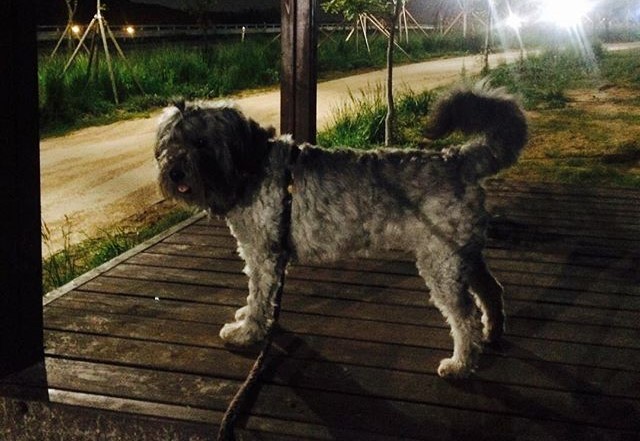
Shedding in a Sapsari is a real challenge for the owner, comparable perhaps only to caring for the thick coat of a Chow Chow. The dog’s double coat is very dense, tangles easily, constantly catches burrs and twigs, and quickly forms tight mats that are difficult to cut out.
Readiness for daily brushing with a metal comb and slicker brush is a vital requirement before purchasing such a pet. Aside from that, dead Sapsari hair, if not combed out, can trigger allergies in people. Bathing is done as needed, but blow-drying afterward is mandatory so the undercoat doesn’t stay damp.
The dog’s long, drooping ears create a greenhouse effect and require regular cleaning – this will help avoid fungal and infectious inflammation. The dog does not wear down its claws on its own if walking mostly on grass, so the owner should master the manicure prodcure immediately. Another aspect of caring for this Korean breed is regular teeth cleaning. Since Sapsaris require a fair bit of interaction, such hygiene procedures, if accustomed to from an early age, will only help build a trusting relationship.
Training and socialization: Who’s the boss?
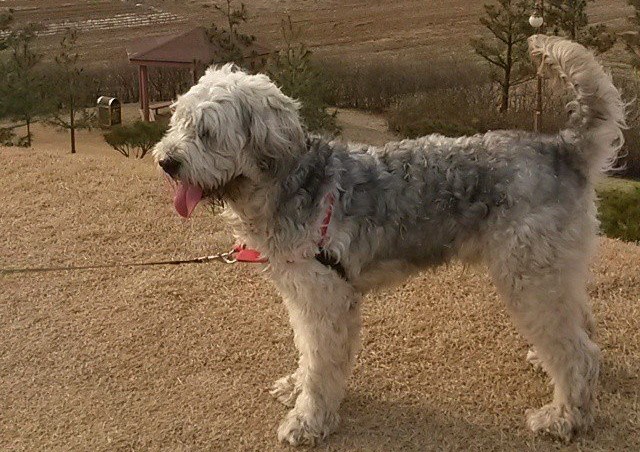
Easy and successful training of a Sapsari is only possible for a true leader. The dog strives to please the person it respects, yet it is smart enough to ignore the commands of an angry, yelling, or insecure handler. The owner’s strength must be manifested in unwavering consistency, patience, and persistence, rather than through physical coercion or punishment.
A stock of encouraging words and something tasty will allow you to teach the Sapsari many complex tricks. Representatives of the breed are capable of showing excellent results in obedience and agility. They also need free time and space for energetic walks – like true descendants of herding dogs. But don’t overtire a Sapsari with exhausting marathons. Moderate physical activity in the form of a brisk walk in the park or play in the fresh air is all this domestic, yet by no means “couch potato,” pet needs.
Diet: A menu for health
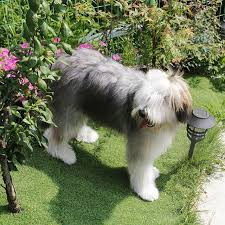
A special approach to feeding the Sapsari is dictated by the fact that these dogs, having a deep chest, often suffer from bloat (gastric torsion). This is a life-threatening condition. The correct sequence between an active walk and a hearty meal (a minimum of 1 hour’s rest after eating) will help reduce this threat.
Another danger may be hidden in the size and caloric content of portions. Representatives of the breed can be prone to obesity with a sedentary lifestyle. The menu must be balanced:
- Natural diet: The basis is lean meat (beef, turkey), organ meats, sea fish, rice, vegetables (pumpkin, carrots).
- Dry food (Kibble): Only premium or super-premium class for medium breeds with sensitive digestion.
Treats and snacks justify themselves mainly during training, as they are a truly effective incentive for the Sapsari. This pet is prone to food allergies (chicken, corn), so any new products in the diet require close observation of the dog’s skin and coat condition after eating.
Health: Typical ailments and prevention
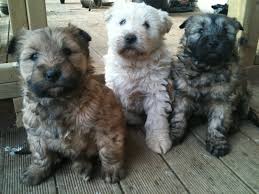
The balanced temperament of this breed’s representatives, unfortunately, does not save them from some genetic problems characteristic of medium and large dogs. Although generally a robust breed, a kind and loyal Sapsari may indeed need veterinary help.
- Ophthalmological issues: Due to the thick bangs covering the eyes, Sapsaris often suffer from corneal irritation (entropion, ulcers) or infections. It is important to trim the hair around the eyes or gather it into a topknot.
- Joint problems: Like all their large four-legged kin, they are familiar with hip dysplasia and occasionally patellar luxation.
- Skin diseases: The thick and coarse coat can hide allergic dermatitis, eczema, and ticks. This requires careful inspection.
- Heart ailments: Less common, but heart defects do occur, so a planned visit to a cardiologist wouldn’t be amiss.
Pros and Cons of the Breed
| Advantages (Pros) | Disadvantages (Cons) |
|---|---|
| Incredible devotion to family and children | Complex coat care (shedding, mats) |
| High intelligence and trainability | Can be stubborn without a strong leader |
| Excellent guarding qualities without aggression | Does not tolerate loneliness (separation anxiety) |
| Exotic and striking appearance | Prone to barking if bored |
| Robust health compared to other breeds | Rarity (hard to find a puppy) |
Interesting facts about the breed
- Genetic uniqueness: Sapsari DNA is so unique that scientists use it to study dog migration in Asia. It differs from other Korean breeds.
- Star of the screen: Sapsaris often appear in Korean historical dramas (TV series) as symbols of loyalty to the King.
- Comparison with others: While the Sapsari trails the Jindo in popularity, in its rarity and history of survival it resembles the Rampur Greyhound from India – an equally precious national treasure that nearly vanished.
- Color-chameleon: Sapsari puppies are often born dark and lighten as they mature, which sometimes confuses breeders.
Frequently Asked Questions (FAQ)
Is the Sapsali suitable for an apartment?
Yes, if you provide sufficient walking (minimum 2 hours a day). They are calm at home but take up quite a bit of space and shed.
Are these dogs aggressive?
No, Sapsaris are not aggressors. They are protecters, not attackers. However, without socialization, they can be overly suspicious.
How much does a Sapsali puppy cost?
This is a difficult breed to buy. The range is broad and depends on class (pet, breeding, or show), on the titles and health clearances of the parents, on how rare the color is, and on how established the kennel is. Good litters typically come with a waiting list of several months.
Video about the breed
- A devoted, gentle family guardian
- Patient and good with children
- Cold-hardy thanks to the dense coat
- A calm, well-balanced character
- The long coat needs regular care
- Sheds noticeably
- A watch instinct — reserved with strangers
- Rare outside Korea
| Puli | Old English Sheepdog | Tibetan Terrier | |
|---|---|---|---|
| Height | 36–45 cm | 56–61 cm | 36–41 cm |
| Energy | 4 | 3.5 | 3.5 |
| Apartment | 3 | 2.5 | 3.5 |
| Beginners | 2.5 | 3 | 3 |
What does the name “Sapsali” mean?
Is the Sapsali’s coat hard to care for?
Is the Sapsali good with children?
Korean aboriginal breed (Natural Monument No. 368) · regional clubs
For apartments · For kids · For beginners · Active · Smartest · Hypoallergenic · All rankings →